
Keeping your aquarium healthy starts with one simple but crucial step: maintaining the right ammonia levels. If you’ve ever noticed your fish acting strange or your water looking cloudy, ammonia could be the hidden culprit.
Understanding how to control and balance ammonia is key to creating a safe and thriving environment for your aquatic friends. You’ll discover easy, practical ways to keep ammonia in check and ensure your aquarium stays vibrant and clean. Stick with me, and you’ll learn how to protect your fish and enjoy a beautiful tank every day.

Credit: glassboxdiaries.com
Causes Of Ammonia In Aquariums
Ammonia builds up in aquariums from natural and human factors. It harms fish and plants if levels get too high. Knowing the main causes helps keep your tank safe.
This guide explains common sources of ammonia and how they affect water quality.
Fish Waste And Uneaten Food
Fish produce waste that releases ammonia into the water. Uneaten food also breaks down and adds to ammonia levels. This can quickly pollute small tanks.
- Fish excrete ammonia through their gills and waste.
- Leftover food rots and creates ammonia.
- Overfeeding increases uneaten food and waste.
- Regular cleaning reduces ammonia from these sources.
Decomposing Plant Matter
Dead leaves and plant parts decay in the tank. This process releases ammonia as bacteria break down the matter. Removing dead plants helps keep ammonia low.
| Plant Matter | Effect on Ammonia |
|---|---|
| Fallen leaves | Increase ammonia when decomposing |
| Dead roots | Release ammonia over time |
| Decayed stems | Contribute to ammonia buildup |
Overstocking Effects
Too many fish in one tank raises ammonia quickly. Overstocking causes more waste than the filtration can handle. This stresses fish and damages water quality.
- More fish produce more ammonia.
- Filters may not clean ammonia fast enough.
- High ammonia leads to poor fish health.
- Keep fish numbers balanced with tank size.
Dangers Of High Ammonia Levels
High ammonia levels in an aquarium are dangerous. They can harm fish and disrupt the tank’s balance.
Understanding these dangers helps keep your aquarium healthy. Regular checks are important for all tank owners.
Fish Health Risks
Ammonia is toxic to fish. It can cause severe health issues, including damage to their gills.
Fish exposed to high ammonia may show signs of stress. They might gasp for air at the water’s surface.
- Gill damage leads to breathing problems
- Fish may become lethargic or inactive
- Increased susceptibility to diseases
Impact On Beneficial Bacteria
Beneficial bacteria help break down waste. High ammonia levels can harm these bacteria.
Without these bacteria, waste accumulates faster. This leads to further ammonia increase.
- Disruption of the nitrogen cycle
- Reduced efficiency in waste processing
- Potential for harmful bacterial overgrowth
Water Quality Degradation
High ammonia levels degrade water quality. This affects the entire aquarium ecosystem.
Clear water becomes cloudy and unpleasant. It is essential to maintain good water quality for all aquatic life.
- Cloudy and foul-smelling water
- Decreased oxygen levels
- Increased algae growth
Testing Ammonia Levels
Maintaining safe ammonia levels in your aquarium is vital for fish health. Testing ammonia helps prevent toxic buildup that harms aquatic life.
Regular checks allow quick action to keep water clean and safe. Learn how to choose test kits, how often to test, and how to read results.
Choosing The Right Test Kit
Select a test kit that is easy to use and matches your aquarium size. Some kits use liquid reagents, while others have test strips.
- Liquid test kits offer more precise readings
- Test strips are quick and simple for beginners
- Check the kit’s range to cover 0 to 8 ppm ammonia
- Look for kits with clear color charts
- Read reviews to ensure accuracy
Frequency Of Testing
Test ammonia levels more often during new setups or after water changes. This helps catch spikes early.
| Condition | Testing Frequency |
| New aquarium setup | Daily |
| Established tank | Weekly |
| After water change | Within 24 hours |
| Fish show stress | Immediately |
Interpreting Test Results
Ammonia levels above 0.25 ppm can harm fish. Use the test kit’s color chart to compare and decide your next steps.
Follow this guide for ammonia levels:
- 0 ppm:Safe for all fish
- 0.25 ppm:Watch closely, start treatment if levels rise
- 0.5–1 ppm:Take immediate action to reduce ammonia
- Above 1 ppm:Emergency measures needed to protect fish
Reducing Ammonia In Aquariums
Keeping ammonia levels low is important for fish health. Ammonia can harm fish and plants.
There are simple ways to reduce ammonia in your tank. These methods help keep water safe.
Regular Water Changes
Changing water often lowers ammonia and cleans the tank. Replace 10 to 20 percent weekly.
- Use a siphon to remove water and debris
- Refill with dechlorinated water at the same temperature
- Do not change too much water at once to avoid stress
- Test water regularly to track ammonia levels
Proper Feeding Practices
Feed fish the right amount to stop extra food from rotting. Overfeeding raises ammonia.
- Feed small portions twice a day
- Remove uneaten food after five minutes
- Choose high-quality fish food that is easy to digest
- Adjust feeding based on fish activity and tank size
Using Ammonia Neutralizers
Ammonia neutralizers help reduce toxicity quickly. Use them as a short-term solution.
| Product Type | Effect | Usage |
| Liquid Neutralizers | Bind ammonia, making it safe | Add to tank water as directed |
| Filter Media | Remove ammonia through filtration | Place in filter system |
| Test Kits | Monitor ammonia levels | Use weekly to check water quality |
Enhancing Biological Filtration
Keeping ammonia levels low is important for fish health. Biological filtration helps break down harmful waste.
This process uses natural bacteria to convert ammonia into less harmful substances. A strong biological filter keeps the aquarium safe.
Role Of Nitrifying Bacteria
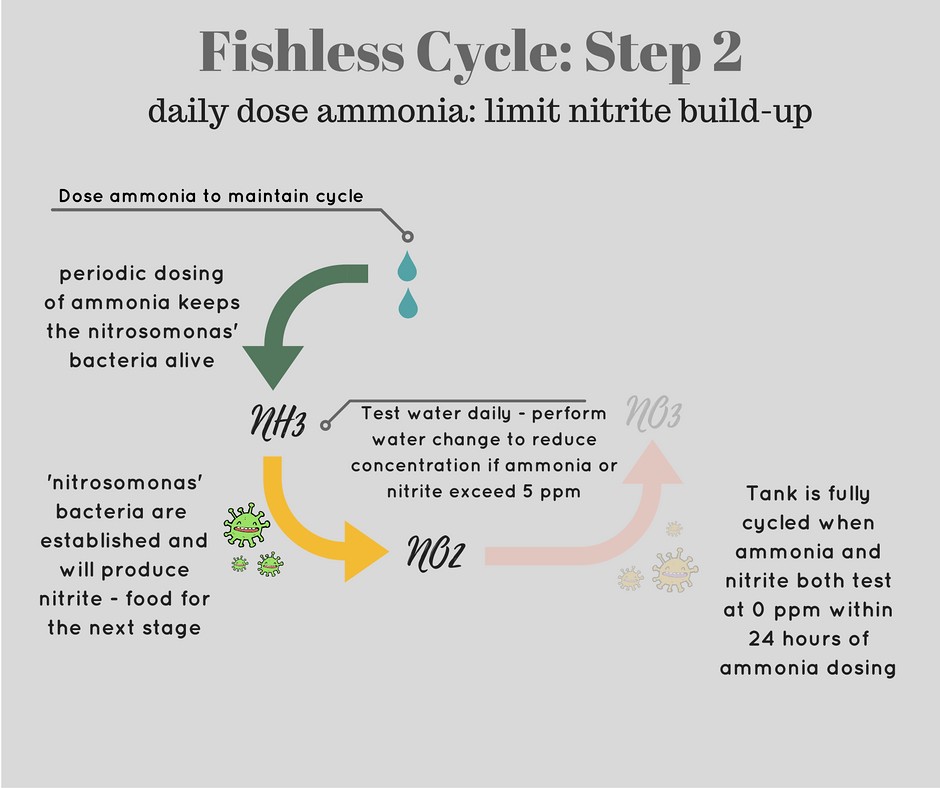
Nitrifying bacteria are tiny organisms that eat ammonia. They turn ammonia into nitrites, then nitrates, which are less toxic.
These bacteria live in the filter and on surfaces in the tank. Healthy bacteria help keep water clean and safe for fish.
Filter Maintenance Tips
Cleaning your filter regularly keeps bacteria healthy. Avoid cleaning all filter parts at once to protect bacteria colonies.
Use tank water to rinse filter media. This keeps good bacteria alive while removing dirt and debris.
- Clean filter every 2 to 4 weeks
- Use tank water, not tap water, for rinsing
- Replace filter media slowly to keep bacteria
- Check filter flow to ensure proper water movement
Adding Beneficial Bacteria Supplements
Beneficial bacteria supplements help start or boost the filter’s bacteria. They speed up the process of ammonia removal.
Use these supplements when setting up a new tank or after cleaning the filter deeply. Follow the product instructions carefully.
- Add supplements as directed on the package
- Use during water changes or after filter cleaning
- Do not overdose to avoid stress on fish
- Store supplements in a cool, dry place
Preventing Ammonia Spikes
Ammonia spikes can harm fish and plants in an aquarium. Keeping ammonia levels low is key to a healthy tank.
Use good habits and proper care to stop ammonia from rising suddenly. This guide covers three main ways to prevent spikes.
Avoiding Overstocking
Too many fish produce more waste. This waste creates ammonia that builds up quickly. Avoid adding too many fish.
- Know your tank size and fish needs
- Choose fish that are smaller or fewer in number
- Check fish compatibility to avoid stress and death
- Keep a balance between fish and plants
Quarantining New Fish
New fish can bring diseases and stress. Quarantine them in a separate tank for at least two weeks.
| Quarantine Steps | Purpose |
| Observe fish behavior | Spot illness early |
| Test water parameters | Ensure safe conditions |
| Treat any disease | Prevent spread in main tank |
| Acclimate fish slowly | Reduce stress when moving |
Maintaining Stable Water Parameters
Stable water keeps fish healthy and ammonia low. Test water often to catch problems early.
Key water parameters to watch:
- pH level between 6.5 and 7.5
- Temperature suitable for your fish
- Regular water changes (20% weekly)
- Proper filtration and cleaning
Signs Of Ammonia Poisoning In Fish
Ammonia is toxic to fish and can build up quickly in aquariums. It is important to notice the signs early.
Recognizing symptoms helps protect your fish and maintain a healthy tank environment.
Behavioral Changes
Fish with ammonia poisoning often behave oddly. They may swim erratically or gasp at the water surface.
- Restlessness or rapid swimming
- Gasping for air near the surface
- Lethargy or hiding more than usual
- Loss of appetite
Physical Symptoms
| Symptom | Description |
| Red or inflamed gills | Gills look irritated or swollen |
| Clamped fins | Fins held close to the body |
| White patches or sores | Skin may show damage or ulcers |
| Excessive mucus | Thick slime coat on the fish |
Immediate Actions To Take
Act quickly if you see signs of ammonia poisoning. These steps can help reduce damage.
- Test the water for ammonia levels right away.
- Perform a partial water change of 25-50% to lower ammonia.
- Stop feeding your fish temporarily to reduce waste.
- Increase aeration to improve oxygen levels.
- Use ammonia detoxifiers if available in your store.
- Monitor fish closely for improvement or worsening.

Credit: glassboxdiaries.com
Credit: spec-tanks.com
Frequently Asked Questions
What Causes High Ammonia Levels In Aquariums?
High ammonia levels usually result from overfeeding, overcrowding, or poor filtration. Uneaten food and fish waste decompose, releasing ammonia. Regular tank maintenance and proper stocking help control ammonia buildup effectively.
How Can I Test Ammonia Levels In My Aquarium?
Use an aquarium ammonia test kit to measure levels accurately. Test water regularly, especially after adding new fish or feeding. Maintaining ammonia below 0. 25 ppm ensures a safe environment for your fish.
What Are Safe Ammonia Levels For Aquarium Fish?
Safe ammonia levels should always be zero or near zero. Ammonia above 0. 25 ppm can stress or harm fish. Keeping ammonia at undetectable levels promotes healthy fish and prevents toxic buildup.
How Do Beneficial Bacteria Reduce Ammonia In Tanks?
Beneficial bacteria convert toxic ammonia into less harmful nitrites and nitrates. This biological filtration is vital for maintaining water quality. Establishing a strong bacterial colony helps keep ammonia levels low naturally.
Conclusion
Keeping ammonia levels low protects your fish and plants. Test the water regularly to catch problems early. Change water often and avoid overfeeding fish. Use filters and plants to help clean the tank naturally. Healthy water means happy fish and a beautiful aquarium.
Small steps make a big difference in water quality. Stay consistent and watch your aquarium thrive over time. Safe water keeps your underwater world bright and lively.