
Keeping your aquarium clean is key to a healthy environment for your fish. But what about the buckets you use?
If your aquarium buckets aren’t spotless, they can bring unwanted dirt and bacteria into your tank. You might be wondering, what are the best tools to make this task easier and more effective? You’ll discover simple, affordable tools that will help you clean your aquarium buckets quickly and thoroughly.
By the end, you’ll have everything you need to keep your aquarium and its accessories sparkling clean, protecting your aquatic friends and saving you time. Ready to dive in? Let’s explore the must-have tools for cleaning aquarium buckets.

Credit: www.walmart.com
Choosing The Right Brushes
Cleaning aquarium buckets is important to keep your fish healthy. Using the right brush makes this job easier and more effective.
Different brushes serve different cleaning needs. Knowing which brush to pick can save time and protect your equipment.
Types Of Brushes
There are several brush types for cleaning aquarium buckets. Each type works best for different surfaces and dirt levels.
- Soft bristle brushes for gentle cleaning
- Stiff bristle brushes for tough grime
- Scrubbing pads for flat surfaces
- Long-handled brushes for deep buckets
- Brushes with angled heads for corners
Brush Materials
Brush material affects how well it cleans and how safe it is for your bucket. Some materials last longer or resist damage better.
| Material | Advantages | Disadvantages |
| Nylon | Durable and resists water damage | Can scratch delicate surfaces |
| Natural fibers | Gentle on surfaces | Wear out quickly |
| Synthetic sponge | Good for light cleaning | Not good for tough dirt |
| Plastic bristles | Easy to clean and dry | May not scrub well |
Size And Shape Considerations
Choosing the right size and shape helps reach all parts of the bucket. It also makes cleaning faster and safer.
- Small brushes fit into tight spaces
- Large brushes cover more area quickly
- Long handles reach deep inside buckets
- Curved or angled brushes clean corners better
- Flat brushes work well on smooth surfaces
Effective Scrubbing Pads
Cleaning aquarium buckets is important for fish health. Using the right scrubbing pad makes the job easier and keeps the bucket safe.
Different pads have different effects on cleaning. Let’s look at the types of scrubbing pads available.
Abrasive Vs Non-abrasive Pads
Abrasive pads remove stubborn stains quickly. They are rough and can scratch surfaces if used harshly.
Non-abrasive pads are softer. They are gentle on surfaces and prevent scratches, but might need more effort for tough stains.
- Abrasive pads: effective but can scratch
- Non-abrasive pads: gentle but less powerful
Reusable Options
Reusable scrubbing pads are eco-friendly. They can be cleaned and used multiple times, saving money in the long run.
These pads are usually durable and made from strong materials. They work well for regular cleaning tasks.
- Cost-effective over time
- Environmentally friendly choice
Avoiding Bucket Damage
Choose the right pad to avoid damaging your aquarium bucket. Rough pads can scratch and weaken the bucket.
Use gentle scrubbing motions. Check your bucket for scratches after cleaning to prevent future damage.
- Inspect pads for roughness
- Use gentle motions while scrubbing
- Check buckets for scratches regularly
Safe Cleaning Solutions
Cleaning aquarium buckets is important for fish health. Using safe cleaning solutions keeps fish safe and water clean.
Choosing the right cleaning tools and products helps avoid harm to your aquatic pets. This guide covers safe options to use.
Fish-safe Detergents
Fish-safe detergents do not leave harmful residues. They clean well without hurting fish or plants in your aquarium.
- Use detergents labeled as aquarium-safe
- Rinse buckets thoroughly after cleaning
- Avoid detergents with bleach or ammonia
- Test new detergents on a small area first
Natural Cleaning Agents
Natural agents clean without harsh chemicals. They are good for people and fish sensitive to strong cleaners.
| Natural Agent | How to Use | Benefits |
| White Vinegar | Soak bucket for 10 minutes | Removes mineral deposits |
| Baking Soda | Sprinkle and scrub gently | Neutralizes odors |
| Lemon Juice | Apply and rinse well | Natural disinfectant |
Avoiding Harmful Chemicals
Some chemicals harm fish and disrupt aquarium balance. Avoid these to keep your fish healthy.
- Do not use bleach unless fully diluted and rinsed
- Avoid detergents with phosphates and fragrances
- Never mix different chemicals together
- Keep cleaning tools separate from household use
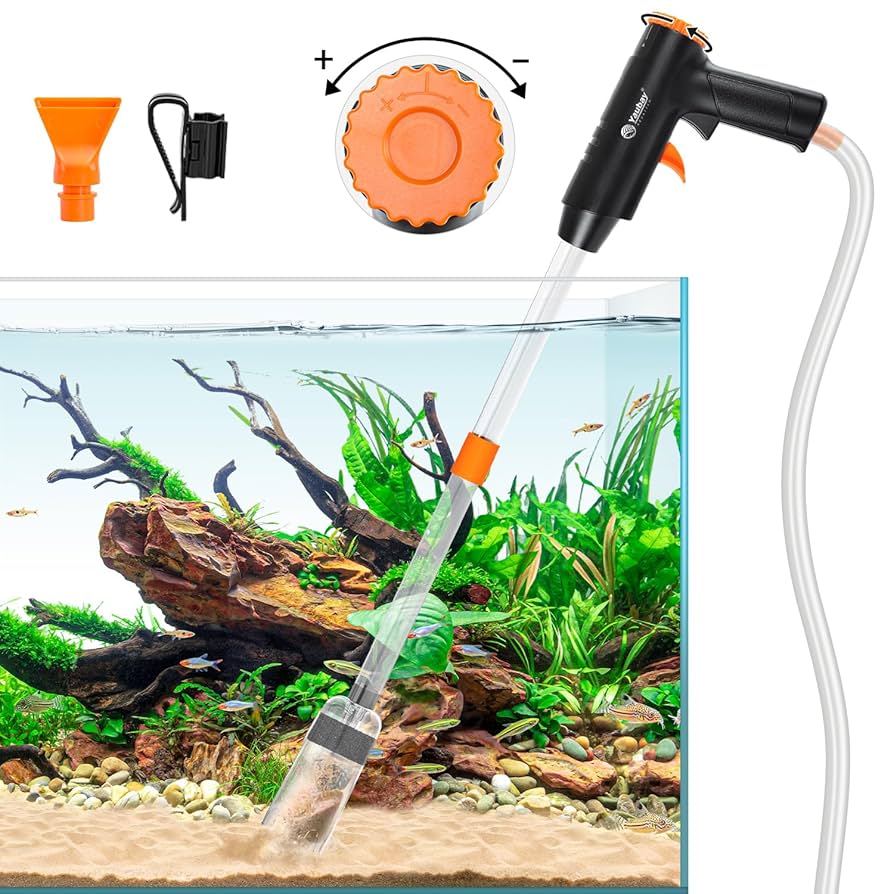
Credit: www.amazon.com
Bucket Rinsing Tools
Keeping aquarium buckets clean is important for fish health. Using the right rinsing tools saves time and effort.
Good tools help remove dirt and chemicals. This keeps the water safe for your fish.
Sprayers And Hose Attachments
Sprayers and hose attachments make rinsing easier. They provide strong water flow to clean bucket sides well.
Many sprayers have adjustable nozzles. This lets you control water pressure for delicate rinsing or deep cleaning.
- High-pressure sprayers remove stuck debris.
- Gentle sprays avoid damage to bucket material.
- Hose attachments reduce the need to hold the bucket.
- Some sprayers have swivel heads for better reach.
Water Temperature Tips
Use lukewarm water for rinsing aquarium buckets. Cold water may not remove oils and residues well.
Hot water can help dissolve dirt but avoid very hot water. It may warp plastic buckets or leave harmful residues.
- Test water temperature before rinsing.
- Use water that feels warm but not hot.
- Warm water helps break down algae and grime.
- Always rinse well after using warm water.
Ensuring Thorough Rinsing
Rinse buckets several times to remove all cleaning agents. Residues can harm fish if left behind.
Check the bucket for any spots that look dirty or slippery. These areas need extra rinsing to stay safe.
- Use sprayers to reach all corners.
- Turn the bucket to rinse inside and outside well.
- Feel the bucket surface to check for slipperiness.
- Rinse until water runs clear without bubbles or suds.
Drying And Storage Gear
Keeping aquarium buckets clean and dry is key for fish health. Proper drying and storage tools help stop bacteria growth. They also protect your gear from damage and dirt.
This guide covers useful tools for drying and storing aquarium buckets. Use these tips to keep your equipment safe and ready to use.
Air Drying Racks
Air drying racks let buckets dry fast by holding them upside down. This stops water from pooling and lowers germs. Choose racks made of rust-proof materials for long use.
- Look for adjustable racks to fit different bucket sizes
- Use racks with good airflow to speed drying
- Place racks in a sunny, ventilated area
- Easy-to-clean racks reduce mold and algae
Storage Containers
Storage containers keep buckets safe from dust and damage. Pick containers that seal well and resist moisture. Clear containers help you find tools fast.
| Type | Material | Benefits |
| Plastic Bin | Polypropylene | Waterproof, stackable, easy to clean |
| Mesh Bag | Nylon | Breathable, lightweight, good for drying |
| Storage Box | Metal with coating | Durable, pest-resistant, secure lids |
Maintaining Cleanliness
Cleaning and storing buckets properly stops harmful germs. Use mild soap and rinse well after each use. Dry buckets fully before storage to avoid mold.
- Scrub buckets with soft brushes to remove algae
- Use vinegar or bleach solutions for deep cleaning
- Rinse thoroughly to remove cleaning agents
- Store buckets in a dry, cool place
- Check stored buckets regularly for dirt or damage
Additional Accessories
Cleaning aquarium buckets is easier with the right accessories. These tools help keep your hands safe and the bucket spotless.
Using proper accessories improves cleaning and keeps your aquarium healthy. Here are some helpful items to consider.
Gloves For Protection
Gloves protect your skin from harsh chemicals and dirt. They keep your hands dry and safe during cleaning.
Choose gloves made of waterproof materials like latex or nitrile. They fit well and prevent slipping.
Scrapers And Sponges
Scrapers remove tough algae and dirt from bucket surfaces. Use plastic scrapers to avoid scratches.
Sponges clean smooth areas and corners well. Use soft sponges to avoid damaging the bucket.
- Plastic scrapers for hard deposits
- Soft sponges for gentle cleaning
- Non-abrasive materials to protect surfaces
Measuring Tools For Solutions
Measuring tools help add the right amount of cleaning solution. This keeps the water safe for fish.
Use measuring cups or syringes with clear marks. Accurate measuring avoids overuse of chemicals.
- Measuring cups with volume marks
- Syringes for small, precise amounts
- Clear containers for easy reading
Credit: www.walmart.com
Frequently Asked Questions
What Are The Best Tools For Cleaning Aquarium Buckets?
The best tools include soft scrub brushes, sponge scrubbers, and long-handled brushes. These help remove algae and debris without scratching the bucket.
How Often Should Aquarium Buckets Be Cleaned?
Clean aquarium buckets after every water change. This prevents harmful bacteria and algae buildup, keeping your aquarium environment safe and healthy.
Can Vinegar Be Used To Clean Aquarium Buckets?
Yes, vinegar is effective for removing mineral deposits and algae. Rinse thoroughly afterward to avoid harming fish or plants.
Why Avoid Harsh Chemicals On Aquarium Buckets?
Harsh chemicals can leave toxic residues. These residues harm aquatic life, so use aquarium-safe cleaning tools and solutions only.
Conclusion
Choosing the right tools makes cleaning aquarium buckets easier. Soft brushes and scrubbers help remove dirt gently. A good sponge reaches tight corners well. Using safe cleaning agents keeps fish healthy. Regular cleaning keeps your aquarium fresh and clear. Clean buckets mean cleaner water for your fish.
Simple tools save time and effort. Keep your aquarium healthy with proper bucket care. Small steps make a big difference in fish care. Clean buckets, happy fish.