
Keeping your nano tank crystal clear can be tricky without the right tools. You want your tiny underwater world to shine, but dirt, algae, and debris often get in the way.
What if you had a simple kit that made cleaning fast, easy, and even enjoyable? You’ll discover the best cleaning tools designed specifically for nano tanks. These tools will help you maintain a healthy environment for your aquatic friends while saving you time and effort.
Keep reading, and you’ll find exactly what you need to make your nano tank sparkle like never before.
Choosing Nano Tank Cleaners
Cleaning a nano tank is important to keep the water healthy. Using the right tools makes the job easier and safer.
Choosing the best cleaner helps protect your tank and the small creatures inside it.
Importance Of Proper Tools
Using proper cleaning tools saves time and effort. It also avoids damage to the tank and decorations.
Tools made for nano tanks help clean hard-to-reach places without disturbing the environment inside.
- Helps keep water clear and healthy
- Prevents scratches on glass or acrylic
- Makes cleaning safe and easy
Material Compatibility
Choose cleaning tools that match your tank material. Some tools can scratch glass or acrylic surfaces.
Soft brushes and gentle scrapers work well on delicate materials. Avoid harsh chemicals that can harm fish.
- Use soft sponges for acrylic tanks
- Non-abrasive pads protect glass tanks
- Check tool labels for safe use
Size And Shape Considerations
Choose tools that fit the small size of nano tanks. Large tools can be hard to handle and may cause damage.
Tools with slim shapes reach corners and tight spaces better. This helps clean the tank fully without stress.
- Small brushes reach narrow areas
- Long handles give better control
- Flexible tools clean uneven surfaces

Credit: www.amazon.ca
Essential Cleaning Brushes
Keeping a nano tank clean is crucial for the health of your aquatic life. Essential cleaning brushes make this task easier and more efficient.
Let’s explore some of the best cleaning tools to maintain your nano tank’s pristine condition.
Soft Bristle Brushes
Soft bristle brushes are gentle and perfect for cleaning delicate surfaces. They prevent scratches on the tank walls.
- Ideal for glass and acrylic surfaces
- Effective in removing algae and debris
- Easy to maneuver around tight spaces
Magnetic Algae Scrapers
Magnetic algae scrapers are convenient for cleaning without getting your hands wet. They are efficient for daily maintenance.
Magnetic scrapers come in various sizes. They are perfect for nano tanksdue to their compact design.
Flexible Tube Brushes
Flexible tube brushes are essential for cleaning hard-to-reach areas like filter tubes and corners. Their bendable design fits into tight spaces.
| Brush Type | Best Used For |
| Soft Bristle | Tank Walls |
| Magnetic Scraper | Daily Algae Removal |
| Flexible Tube | Filter Tubes |
Vacuum And Gravel Cleaners
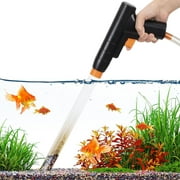
Keeping nano tanks clean is important for fish health. Vacuum and gravel cleaners help remove waste and debris. They make tank maintenance easier and keep the water clear.
Choosing the right cleaning tool depends on your tank size and type of gravel. Both manual and electric options are available for nano tanks.
Manual Siphon Vacuum
Manual siphon vacuums use water flow to remove dirt from gravel. You start the siphon by sucking on the tube or using a pump. They are simple and affordable tools for small tanks.
These vacuums are gentle on the substrate and do not disturb fish much. They work well for spot cleaning and partial water changes in nano tanks.
Electric Gravel Vacuums
Electric gravel vacuums use a small motor to create suction. They speed up cleaning and reduce manual effort. These vacuums often come with adjustable suction power.
- Quickly removes waste from gravel
- Works well for deep substrate layers
- Can also help with water changes
- Requires power source nearby
- Usually more expensive than manual models
Tips For Efficient Use
| Tip | Details |
| Clean Regularly | Vacuum gravel every 1-2 weeks to avoid buildup |
| Use Gentle Suction | Protect plants and small fish by adjusting power |
| Target Dirty Spots | Focus on areas with visible waste or uneaten food |
| Combine with Water Changes | Remove debris while replacing 20-30% of tank water |
| Rinse Equipment | Clean vacuum parts after use to prevent clogging |
Cleaning Pads And Sponges
Cleaning nano tanks needs gentle tools to avoid damage. Pads and sponges help keep glass clear and surfaces clean.
Choosing the right cleaning pads and sponges makes the job safe and effective. These tools remove algae and dirt without scratching.
Non-abrasive Pads
Non-abrasive pads clean tank glass without scratching it. They remove algae and grime gently.
These pads are soft and safe for delicate nano tanks. They keep your tank clear and shiny.
- Use pads made of soft foam or microfiber
- Avoid rough or scratchy materials
- Replace pads regularly to keep them clean
Reusable Sponges
Reusable sponges are eco-friendly and cost-effective. They can be cleaned and used multiple times.
Choose sponges made for aquarium use to avoid harmful chemicals. They help remove debris without scratching.
- Pick sponges labeled safe for aquariums
- Rinse sponges thoroughly after each use
- Store sponges in a clean, dry place
Safe Cleaning Practices
Clean your nano tank carefully to protect fish and plants. Use only tools designed for aquarium use.
Never use soap or chemicals on cleaning pads or sponges. Rinse tools well to remove dirt and algae.
- Clean pads and sponges before and after use
- Use gentle motions to avoid scratching glass
- Replace worn tools to maintain safety
Water Conditioners And Treatments
Keeping water clean and safe is key for nano tanks. Water conditioners help keep fish and plants healthy. They remove harmful chemicals and balance water quality.
Treatments work to improve water conditions by adding helpful bacteria or controlling algae growth. Use the right products for a clear and stable tank environment.
Dechlorinators
Chlorine and chloramine are in tap water and harm fish. Dechlorinators remove these chemicals quickly. They make water safe for fish and plants in your nano tank.
Most dechlorinators work instantly and also neutralize heavy metals. This keeps your tank water clean and non-toxic.
Beneficial Bacteria Boosters
Good bacteria help break down waste and keep the tank’s nitrogen cycle balanced. Adding bacteria boosters helps start or recover the tank’s filter.
- Speeds up biological filtration
- Reduces ammonia and nitrite levels
- Supports tank stability after cleaning
- Improves water clarity
Algae Control Solutions
Algae can grow fast and cover your tank surfaces. Use algae control treatments to stop its growth and keep the tank clear. Some products are safe for plants and fish.
| Type | Effect | Safe for |
| Liquid algae remover | Kills algae quickly | Fish and plants |
| Algae eaters | Natural algae control | Fish only |
| UV sterilizers | Prevents algae spores | Fish and plants |
Maintenance Tools For Filters
Keeping filters clean is key for healthy nano tanks. Proper tools make filter care easy and effective.
Using the right equipment helps maintain water quality and extends filter life.
Filter Brush Kits
Filter brush kits include small brushes made for cleaning filter parts. They reach tight spaces and remove debris.
Brushes come in various sizes and shapes to fit different filter types in nano tanks.
- Soft bristles prevent damage to filter media
- Long handles reach deep filter areas
- Set often includes pipe cleaners for tubes
Replacement Media Options
Filters need media to trap waste and keep water clean. Replacing media keeps filters working well.
Common media types include sponges, activated carbon, and bio balls, each with a clear role in filtration.
- Sponges catch large debris and provide bacteria habitat
- Activated carbon removes odors and toxins
- Bio balls improve biological filtration by housing good bacteria
Filter Cleaning Tips
Clean filters regularly to keep water clear and healthy for fish. Avoid harsh chemicals.
Rinse filter parts in tank water to protect helpful bacteria. Replace media as needed, not all at once.
- Use gentle scrubbing with brushes for stubborn dirt
- Clean filter tubes and intake areas carefully
- Replace media monthly or according to manufacturer advice
Diy Cleaning Solutions
Keeping nano tanks clean is important for healthy aquatic life. Using DIY cleaning solutions can save money and reduce exposure to harsh chemicals.
These homemade options are safe and easy to make. They help maintain clear water and a balanced environment in your small tank.
Safe Homemade Cleaners
Use simple ingredients like vinegar and baking soda to clean your nano tank. These substances remove dirt without harming fish or plants.
- Mix one part white vinegar with two parts water for glass cleaning.
- Use baking soda paste to scrub algae from tank surfaces.
- Rinse all cleaned parts well before returning them to the tank.
Avoiding Harmful Chemicals
Chemicals like bleach or ammonia can hurt fish and beneficial bacteria. Avoid these products to keep your tank safe and healthy.
| Chemical | Risk | Safe Alternative |
| Bleach | Deadly to fish | Vinegar solution |
| Ammonia | Poisonous to aquatic life | Baking soda scrub |
| Harsh detergents | Leaves harmful residues | Water and mild soap rinse |
Natural Algae Removers
Algae can overgrow in nano tanks. Natural removers help control it without chemicals.
Try these natural methods:
- Introduce algae-eating shrimp or snails.
- Place a clean, soft cloth on tank glass to rub off algae.
- Use a toothbrush dipped in diluted vinegar for small areas.
- Reduce light exposure to slow algae growth.

Credit: www.amazon.com
Routine Cleaning Schedule
Keeping a nano tank clean helps fish stay healthy. A regular cleaning routine stops dirt and algae build-up. It also keeps the water clear and safe.
Use the right tools for cleaning. This makes the job easier and protects your tank’s tiny environment.
Daily Spot Cleaning
Daily spot cleaning removes visible waste and food leftovers. This helps keep water quality good between full cleanings.
Use a small net or siphon tube to take out debris. Check for any dead plant leaves or fish waste and remove them.
- Use a small aquarium net for floating debris
- Remove uneaten food with a siphon tube
- Check for dead plants or fish waste daily
- Wipe glass inside with a soft sponge if needed
Weekly Deep Cleaning
Weekly cleaning keeps the tank healthy by removing algae and waste from decorations and substrate. Use gentle tools to avoid damage.
Clean the filter parts and replace filter media if needed. Partial water changes of about 20% improve water quality.
- Scrape algae from tank walls with an algae scraper
- Vacuum the substrate using a small gravel cleaner
- Rinse filter parts in tank water (not tap water)
- Change 20% of the tank water with fresh, treated water
Monthly Maintenance Tasks
Monthly tasks help keep the tank running well. Check equipment and clean parts that build up dirt slowly.
Inspect heaters, lights, and pumps. Clean any hard-to-reach areas and replace worn items as needed.
- Inspect and clean heater and pumps
- Clean light fixtures and check bulbs
- Replace filter media if it is old or clogged
- Clean tubing and hoses with a brush
Credit: www.walmart.com
Frequently Asked Questions
What Are The Best Tools For Cleaning Nano Tanks?
The best tools include small algae scrapers, soft brushes, and mini vacuum siphons. They fit well in tiny spaces and avoid tank damage.
How Do I Clean Algae In A Nano Tank Effectively?
Use a gentle algae scraper or magnetic cleaner designed for small tanks. Regular cleaning prevents buildup without disturbing plants or fish.
Can I Use Regular Aquarium Tools For Nano Tanks?
Regular tools are often too large and can harm delicate nano tank setups. Use tools specifically designed for nano tanks for safety and efficiency.
How Often Should I Clean My Nano Tank?
Clean your nano tank weekly to maintain water quality. Spot clean algae and debris as needed to keep the environment healthy.
Conclusion
Choosing the right cleaning tools keeps your nano tank healthy and clear. Small brushes and siphons reach tight spaces easily. Soft sponges avoid scratching the glass or plants. Regular cleaning prevents algae and dirt build-up. Clean tanks help fish and plants thrive happily.
Simple tools save time and effort in maintenance. Keep your nano tank bright and beautiful every day. Clean water means a happy, healthy aquarium environment. Easy care makes tank ownership more enjoyable for you.