
If you want your ornamental fish to thrive and shine with vibrant colors, feeding them the right food is key. Bloodworms are a popular choice among fish enthusiasts, but do you know how to use them properly?
You’ll discover why bloodworms can be a game-changer for your fish’s health and how to feed them safely and effectively. Keep reading to unlock the secrets of giving your fish the best diet possible.

Credit: www.reddit.com
Benefits Of Bloodworms
Bloodworms are a popular food for ornamental fish. They provide many health benefits that help fish grow and stay strong.
Feeding bloodworms to your fish can improve their color, boost their immune system, and supply important nutrients.
Nutritional Profile
Bloodworms are rich in protein, which helps fish build muscle and repair tissues. They also contain fats that give energy for daily activities.
| Nutrient | Benefits for Fish |
| Protein | Supports growth and muscle repair |
| Fat | Provides energy |
| Iron | Helps with oxygen transport |
| Vitamins | Support overall health and metabolism |
Enhancing Fish Color
Bloodworms contain natural pigments that help brighten fish colors. Feeding them regularly can make your fish look more vibrant and healthy.
- Improves red and orange shades
- Enhances shine and glow of scales
- Supports natural color development
Boosting Immune System
Bloodworms help strengthen the fish immune system. They contain nutrients that fight infections and keep fish active.
Strong immune systems reduce illness and help fish recover faster from stress or injury.
Types Of Bloodworms
Bloodworms are a popular choice for feeding ornamental fish. They come in different forms, each with unique benefits. Understanding these types helps in choosing the best option for your fish.
Explore the three main types: live, frozen, and freeze-dried bloodworms. Each type offers distinct advantages for fish nutrition and convenience.
Live Bloodworms
Live bloodworms are fresh and wriggling, making them irresistible to fish. They provide high nutritional value and promote natural hunting instincts.
Frozen Bloodworms
Frozen bloodworms are convenient and easy to store. They retain most of their nutrients and are a safe option for fish.
- Easy to portion
- Long shelf life
- Less risk of introducing parasites
Freeze-dried Bloodworms
Freeze-dried bloodworms are lightweight and easy to handle. They offer a mess-free feeding experience and can be rehydrated before use.
| Type | Pros | Cons |
| Live | High nutrition, natural activity | Short shelf life |
| Frozen | Convenient, safe | Requires freezer space |
| Freeze-Dried | Long shelf life, easy to store | Lower moisture content |
Feeding Techniques
Feeding ornamental fish with bloodworms requires care and attention. Proper techniques keep fish healthy and happy.
Understanding portion sizes, feeding times, and food combinations helps create a balanced diet for your fish.
Proper Portion Sizes
Give your fish only as much bloodworms as they can eat in a few minutes. Overfeeding can pollute the tank.
- Offer small amounts at first
- Watch how fast fish eat
- Adjust portions based on fish size and number
- Remove uneaten food to keep water clean
Feeding Frequency
Feed your ornamental fish bloodworms regularly but not too often. This prevents hunger and keeps fish active.
- Feed young or small fish twice a day
- Feed adult fish once a day or every other day
- Skip feeding one day a week to avoid overfeeding
Combining With Other Foods
Bloodworms should be part of a varied diet. Mixing foods gives fish needed vitamins and minerals.
| Food Type | Example | Benefit |
| Live Food | Daphnia, Brine Shrimp | Boosts natural hunting skills |
| Flake Food | High-quality flakes | Provides balanced nutrition |
| Frozen Food | Mysis shrimp, Bloodworms | Convenient and nutritious |
| Vegetable | Blanched spinach | Supports digestion |

Credit: www.amazon.ca
Precautions And Risks
Feeding ornamental fish with bloodworms requires care. Bloodworms are nutritious but can cause problems if not used right.
Knowing the risks helps keep your fish healthy and your tank clean.
Avoiding Overfeeding
Overfeeding fish with bloodworms can harm their health. It causes obesity and poor water quality.
- Feed small amounts only once or twice a week.
- Remove uneaten bloodworms after a few minutes.
- Watch your fish for signs of overeating, like bloating.
- Use feeding tools to control portion size.
Preventing Water Contamination
Bloodworms can pollute tank water if not handled properly. Dirty water stresses fish and causes disease.
| Risk | Prevention |
| Uneaten bloodworms decay | Remove leftovers quickly |
| Bloodworms carry bacteria | Buy from trusted sources |
| Frozen bloodworms melt fast | Feed small amounts at a time |
| Water quality drops | Do regular water changes |
Allergy And Sensitivity Issues
Some fish react badly to bloodworms. Allergies or sensitivities cause stress or illness.
Signs of allergy or sensitivity include:
- Fish scratching against tank sides
- Red or inflamed skin
- Refusing to eat bloodworms
- Rapid breathing or lethargy
If you notice these signs, stop feeding bloodworms and try other foods.
Bloodworms For Different Ornamental Fish
Bloodworms are a popular food for many ornamental fish. They provide high protein and help fish grow strong. Different types of fish eat bloodworms in different ways.
Knowing which fish like bloodworms and how much to feed is important. This guide helps you feed bloodworms safely to your fish.
Small Tropical Fish
Small tropical fish enjoy bloodworms as a treat. They use bloodworms to boost their diet and energy. Feed them small pieces or crushed bloodworms to avoid choking.
- Neon tetras love tiny bloodworm bits.
- Guppies eat them quickly and stay active.
- Betta fish prefer live or frozen bloodworms.
- Feed once or twice a week to avoid overfeeding.
Cichlids And Larger Species
Cichlids and larger fish enjoy whole bloodworms. They benefit from the rich protein to build muscle and color. Bloodworms can be a main part of their diet but use variety for balance.
| Fish Type | Bloodworm Form | Feeding Frequency |
| Oscar | Whole frozen | 3 times per week |
| Jack Dempsey | Live or frozen | 2-3 times per week |
| Convict Cichlid | Frozen cubes | 2 times per week |
Bottom Dwellers
Bottom dwellers eat bloodworms that sink to the tank floor. They enjoy bloodworms as a source of protein and fat. Feed small amounts to avoid water pollution.
- Corydoras catfish eat bloodworms from the bottom.
- Loaches like bloodworms mixed with sinking pellets.
- Plecos use bloodworms for extra nutrition but need plant matter too.
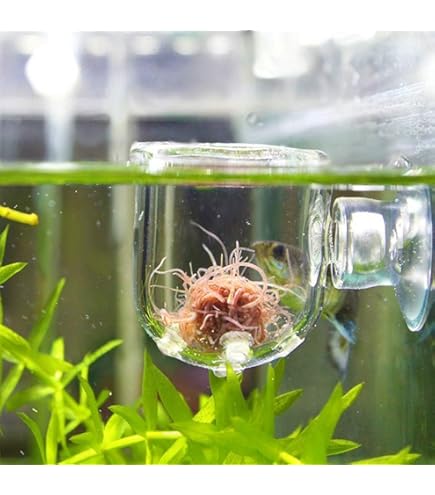
Credit: www.amazon.in
Storing Bloodworms Safely
Bloodworms are a popular food for ornamental fish. Storing them properly keeps them fresh and safe. Proper storage helps keep nutrients and prevents spoilage.
Different types of bloodworms need different storage methods. Knowing how to store them extends their shelf life and keeps fish healthy.
Optimal Storage Conditions
Keep bloodworms in a cold place to stop them from spoiling. For frozen bloodworms, store them in the freezer below 0°F (-18°C). For freeze-dried, keep them in a cool, dry spot.
Use airtight containers or sealed bags to stop moisture and air from getting in. Avoid sunlight and heat to keep bloodworms fresh longer.
- Frozen bloodworms: Store in the freezer at -18°C or lower
- Freeze-dried bloodworms: Store in a cool, dry place
- Use airtight containers or sealed bags
- Avoid direct sunlight and warm areas
Shelf Life Tips
Frozen bloodworms last several months if kept frozen continuously. Freeze-dried bloodworms last longer, often up to a year if stored well.
Always check for signs of spoilage like bad smell, color change, or mold before feeding. Use older bloodworms first to reduce waste.
- Frozen bloodworms: Use within 3-6 months
- Freeze-dried bloodworms: Use within 12 months
- Check for smell, color, and mold before use
- Label containers with the date of storage
Handling Frozen Vs Freeze-dried
Frozen bloodworms need to stay frozen until feeding time. Thaw them in cold water or at room temperature before giving to fish. Do not refreeze thawed bloodworms.
Freeze-dried bloodworms do not need thawing. They are easy to store and use but should be kept dry. Avoid moisture to keep them crisp and fresh.
- Frozen bloodworms: Keep frozen until use
- Thaw in cold water or at room temperature
- Do not refreeze thawed bloodworms
- Freeze-dried bloodworms: Store dry, no thaw needed
- Avoid moisture on freeze-dried bloodworms
Frequently Asked Questions
What Are Bloodworms And Why Feed Them To Fish?
Bloodworms are larvae of midge flies, rich in protein. They boost ornamental fish health, growth, and color vibrancy effectively.
How Often Should Ornamental Fish Eat Bloodworms?
Feed bloodworms 2-3 times weekly. Overfeeding can cause water pollution and health issues in fish.
Can Bloodworms Replace Regular Fish Food?
Bloodworms are a supplement, not a full diet. Combine them with flakes or pellets for balanced nutrition.
Are Frozen Or Live Bloodworms Better For Fish?
Both are nutritious. Frozen bloodworms are safer and convenient, while live ones stimulate natural hunting behavior.
Conclusion
Feeding ornamental fish with bloodworms helps keep them healthy and active. Bloodworms offer important nutrients fish need every day. Remember to feed small amounts to avoid water problems. Mixing bloodworms with other foods gives fish a balanced diet. Watch your fish closely to see how they react.
Clean the tank regularly to keep fish safe and happy. Bloodworms can brighten fish colors and support growth. Simple care and good food make your fish thrive. Enjoy the beauty of your fish with proper feeding habits.