
Are you sure your water is as clean and safe as it should be? When it comes to water quality, accuracy is everything.
Using the right tools for water testing can make all the difference in protecting your health and your home. You’ll discover the essential tools that help you get precise and reliable results every time. Keep reading to learn how to take control of your water’s safety with confidence.
Common Water Testing Parameters
Water testing is important to check if water is safe and clean. Different tools help measure various water qualities.
This guide covers some common water testing parameters and how they are measured accurately.
Ph Level Measurement
pH shows how acidic or basic water is. It ranges from 0 to 14, with 7 as neutral.
Measuring pH helps find pollution or chemical changes in water.
- Use pH meters or test strips for measurement
- pH meters give digital and precise results
- Test strips change color to show pH level
Turbidity Testing
Turbidity shows how clear or cloudy water is. It measures particles in water.
High turbidity can mean dirt, algae, or bacteria are present.
- Turbidity meters use light to check cloudiness
- More light blocked means higher turbidity
- Clear water has low turbidity values
Chlorine Detection
Chlorine is used to kill germs in water. Testing shows if chlorine is at safe levels.
Too much chlorine can harm health and taste of water.
- Color test kits use chemicals that change color with chlorine
- Digital chlorine meters give quick and accurate results
- Testing helps keep chlorine within safe limits
Hardness And Alkalinity
Hardness measures minerals like calcium and magnesium in water. Alkalinity shows water’s ability to neutralize acid.
Both affect water taste, pipes, and cleaning efficiency.
- Hardness test kits use chemicals to identify minerals
- Alkalinity is tested by measuring pH changes after adding acid
- Knowing hardness and alkalinity helps treat water properly

Credit: www.amazon.com
Digital Water Testers
Digital water testers are essential for ensuring safe water quality. They provide accurate readings for different water parameters.
These devices help in measuring pH levels, conductivity, and other important metrics. They are crucial for both home and industrial use.
Portable Ph Meters
Portable pH meters measure the acidity or alkalinity of water. They are compact and easy to use. These meters are perfect for quick tests in the field.
- Easy to carry
- Quick results
- Suitable for fieldwork
Conductivity And Tds Meters
Conductivity meters measure the water’s ability to conduct electricity. TDS meters measure total dissolved solids in water. These meters ensure the water is free from harmful substances.
| Device | Measurement |
| Conductivity Meter | Electric Conductivity |
| TDS Meter | Total Dissolved Solids |
Multiparameter Devices
Multiparameter devices measure several water parameters at once. They are versatile and save time. These devices are ideal for comprehensive water analysis.
Chemical Test Kits
Chemical test kits help check water quality quickly. They show if water is safe or needs treatment.
These kits use chemicals that react with water to show results by color or other changes. They are easy to use at home or in the field.
Colorimetric Test Strips
Colorimetric test strips change color based on the chemical in the water. You compare the strip color to a chart to find results.
- Fast and simple to use
- Test for pH, chlorine, nitrates, and more
- Affordable for regular testing
- No need for extra equipment
Reagent-based Kits
Reagent-based kits use liquid chemicals that react with water samples. The reaction causes a color change or other sign.
| Test Type | Reaction Time | Common Use |
| Chlorine | 1-2 minutes | Pool and drinking water |
| Hardness | 5 minutes | Aquariums and wells |
| Nitrate | 10 minutes | Agricultural water |
Diy Testing Solutions
DIY testing kits let users test water at home with simple tools. They usually include test tubes, reagents, and color charts.
- Collect a water sample in a clean container.
- Add the reagent according to the instructions.
- Wait for the color change or reaction time.
- Compare the sample color to the chart.
- Record the results for future reference.
Advanced Analytical Instruments
Water testing accuracy depends on the right tools. Advanced analytical instruments help detect contaminants and measure water quality precisely.
These tools provide fast and reliable results for labs and fieldwork. They support safe water management and environmental protection.
Spectrophotometers
Spectrophotometers measure light absorbance in water samples. They identify chemicals by their color and concentration.
- Use light wavelengths to detect substances
- Offer high precision for trace elements
- Require calibration for accurate readings
- Suitable for laboratory water analysis
Ion-selective Electrodes
Ion-selective electrodes (ISEs) measure specific ions in water. They provide quick results for ions like fluoride, nitrate, and chloride.
| Ion Type | Measurement Range | Common Use |
| Fluoride | 0.02 to 20 mg/L | Drinking water quality |
| Nitrate | 0.1 to 100 mg/L | Agricultural runoff testing |
| Chloride | 0.1 to 1000 mg/L | Wastewater monitoring |
Portable Spectrometers
Portable spectrometers offer on-site water testing. They are lightweight and easy to use in remote locations.
Key benefits of portable spectrometers:
- Fast sample analysis without lab setup
- Battery-powered for field use
- Compatible with various water parameters
- Data can be stored and transferred digitally
Calibration And Maintenance Tools
Accurate water testing depends on well-calibrated and maintained tools. Calibration and maintenance ensure reliable results and extend the life of your equipment.
Using the right tools and procedures keeps your instruments working correctly. This guide covers key tools for calibration and maintenance.
Standard Solutions
Standard solutions provide a known reference to check your water testing devices. They help verify the accuracy of sensors and meters.
- pH buffer solutions for calibrating pH meters
- Conductivity standards for conductivity meters
- Chlorine standard solutions for chlorine testers
- Dissolved oxygen calibration standards
Cleaning Equipment
Clean sensors and probes give better readings. Use proper cleaning tools to avoid damage and contamination.
| Cleaning Tool | Purpose | Material |
| Soft brush | Remove debris | Nylon bristles |
| Lint-free cloth | Dry and wipe sensors | Cotton or microfiber |
| Isopropyl alcohol | Remove stubborn residues | 70% solution |
| Distilled water | Rinse sensors after cleaning | Pure water |
Calibration Protocols
Follow a clear calibration process to keep your tools accurate. Regular checks help catch errors early.
- Clean the sensor or probe carefully.
- Prepare the appropriate standard solution.
- Immerse the sensor in the solution and wait for a stable reading.
- Adjust the device calibration to match the known value.
- Record the calibration date and results for tracking.
- Repeat calibration at recommended intervals.
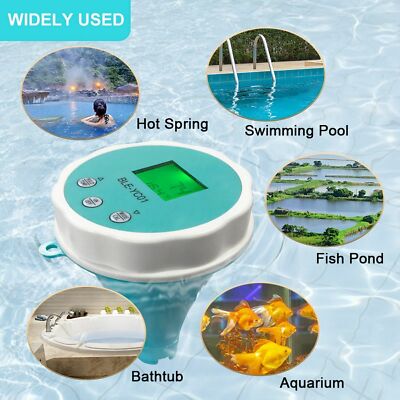
Credit: www.ebay.com
Choosing The Right Gadget
Picking the right water testing tool is key for accurate results. Different gadgets suit different needs and budgets.
Consider what matters most: accuracy, cost, portability, and the type of water sample you will test.
Accuracy Vs. Cost
High accuracy often means higher cost in water testing gadgets. Cheaper tools may give rough estimates but lack precision.
| Gadget Type | Accuracy Level | Price Range |
| Basic Test Strips | Low to Medium | Low |
| Digital Meters | Medium to High | Medium |
| Laboratory Instruments | Very High | High |
Portability Needs
Portability is important if you test water in different locations. Some devices are light and easy to carry.
- Handheld digital testers are small and battery powered.
- Test strips fit in a small container for easy transport.
- Large lab devices are not portable and need a fixed setup.
Sample Type Considerations
Water samples vary: tap water, river water, or wastewater need different testing tools. Check if the gadget suits your sample type.
Consider these sample types and compatible gadgets:
- Tap Water:Basic meters and strips work well.
- Natural Water:Use tools that measure turbidity and contaminants.
- Wastewater:Requires advanced devices for chemicals and heavy metals.
Future Trends In Water Testing
Water testing tools are changing quickly. New technology helps check water quality more accurately and faster.
These changes help keep water safe for drinking and other uses. Let’s look at some new trends in water testing.
Smart Sensors
Smart sensors can measure water quality in real-time. They detect chemicals, bacteria, and other pollutants.
These sensors are small and easy to use. They send data directly to devices for quick analysis.
- Detect multiple water parameters at once
- Provide instant results
- Use less power and last longer
Remote Monitoring
Remote monitoring lets users check water quality from far away. It uses internet and wireless networks.
This method helps track water sources continuously. It reduces the need to collect samples manually.
- Access data anytime and anywhere
- Send alerts if water quality drops
- Save time and reduce costs
Ai Integration
Artificial intelligence (AI) helps analyze water data faster. It finds patterns and predicts problems early.
AI can improve the accuracy of water tests. It supports decision-making to keep water safe.
- Automate data analysis
- Improve test precision
- Predict contamination risks

Credit: www.walmart.com
Frequently Asked Questions
What Are The Best Tools For Water Testing Accuracy?
The best tools include digital pH meters, TDS meters, turbidity sensors, and colorimeters. These devices provide precise and reliable water quality data quickly.
How Do Digital Ph Meters Improve Water Testing Accuracy?
Digital pH meters offer accurate, real-time pH readings. They reduce human error and provide consistent results for water quality analysis.
Why Use Tds Meters In Water Testing?
TDS meters measure total dissolved solids, indicating water purity. They help detect contaminants affecting water quality and safety.
Can Turbidity Sensors Ensure Precise Water Testing?
Yes, turbidity sensors measure water clarity by detecting suspended particles. This helps assess pollution and sediment levels accurately.
Conclusion
Accurate water testing needs the right tools and care. Choose tools that fit your budget and testing needs. Regular checks help keep your results reliable and clear. Simple steps make water testing easy and safe. Trust in good tools to protect your health.
Clean water matters for everyone’s daily life. Keep testing often and stay informed.