
If you want your fish tank to stay clean and your fish to stay healthy, choosing the right filter sponge is key. Filter sponges do more than just trap dirt—they create a safe, natural environment for your aquatic friends.
But with so many options out there, how do you find the perfect one for your setup? Keep reading, and you’ll discover everything you need to know to keep your tank sparkling and your fish happy.
Benefits Of Filter Sponges
Filter sponges are essential for keeping fish tanks clean. They help maintain a healthy environment for your fish.
These sponges are versatile and offer multiple filtration benefits. They improve water quality in several ways.
Mechanical Filtration Advantages
Filter sponges trap debris and particles. This keeps the water clear and free from floating waste.
They prevent clogs in the filter system. This ensures the filter runs smoothly and efficiently.
- Captures uneaten food
- Traps fish waste
- Reduces water cloudiness
Biological Filtration Support
Filter sponges provide a surface for beneficial bacteria. These bacteria help break down harmful substances.
This process converts toxins into less harmful compounds. It supports a stable and safe tank environment.
- Promotes healthy bacteria growth
- Converts ammonia to nitrite
- Transforms nitrite to nitrate
Chemical Filtration Compatibility
Filter sponges can work with chemical filtration media. They do not interfere with the function of activated carbon.
This combination enhances the overall filtration process. It ensures water is clean from toxins and impurities.
- Works with carbon filters
- Improves toxin removal
- Enhances water clarity

Credit: www.amazon.ca
Types Of Filter Sponges
Filter sponges are important for keeping fish tanks clean. They help trap dirt and provide a home for helpful bacteria.
There are different types of filter sponges. Each type has its own use and benefits in aquarium filtration.
Foam Sponges
Foam sponges are the most common filter sponges. They come in many shapes and sizes to fit various filters.
These sponges catch large and small particles. They also offer a large surface area for bacteria to grow.
- Made from soft, porous foam
- Easy to clean and reuse
- Good mechanical and biological filtration
Pumice And Ceramic Variants
Pumice and ceramic sponges are types of bio-media. They focus mainly on biological filtration.
These sponges have tiny holes that help bacteria grow well. They improve water quality by breaking down toxins.
- Pumice sponges are lightweight and porous
- Ceramic sponges have long-lasting durability
- Both provide excellent surface for bacteria
Specialty Sponges
Specialty sponges serve unique purposes in aquarium filters. They may remove specific particles or add extra benefits.
Examples include carbon sponges and fine mesh sponges. These help improve water clarity and quality.
- Carbon sponges remove odors and chemicals
- Fine mesh sponges trap very small debris
- Some sponges add minerals or improve flow
Choosing The Right Sponge
Filter sponges keep your fish tank water clean. They trap dirt and provide a surface for helpful bacteria.
Picking the right sponge helps your tank stay healthy. Think about your tank size, fish, and filter system.
Considering Tank Size
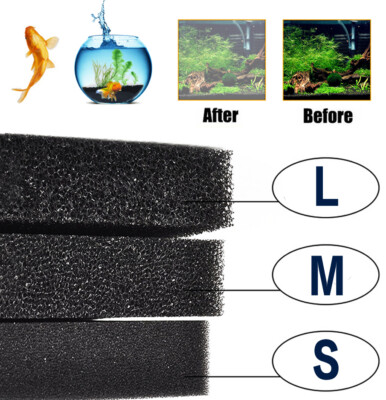
Choose a sponge size that fits your tank. Bigger tanks need bigger or more sponges.
Small sponges may clog quickly in large tanks. Large sponges work better for more water flow.
- Small tanks (under 10 gallons): small sponges work well
- Medium tanks (10-30 gallons): medium sponges or multiple small ones
- Large tanks (over 30 gallons): large or several sponges needed
Fish Species And Bioload
Some fish produce more waste than others. High bioload means you need better filtration.
Sponges with fine pores trap more particles. Use coarser sponges if your fish are small and gentle.
- High waste fish: use thick, fine sponge for strong filtering
- Low waste fish: standard sponge size is enough
- Delicate species: avoid very rough sponges to prevent damage
Filter System Compatibility
Check if the sponge fits your filter model. Some filters need specific sponge shapes or sizes.
Make sure the sponge does not block water flow. Proper fit keeps the filter working well.
- Hang-on-back filters usually use flat sponges
- Canister filters may require custom-shaped sponges
- Internal filters often use small, compact sponges
Credit: www.ebay.ca
Installation Tips
Installing filter sponges in your fish tank filter is simple. Proper setup helps keep water clean and fish healthy.
Follow these tips to place the sponges correctly and avoid common errors during installation.
Placement Within The Filter
Place the filter sponge where water flows first in the filter. This catches debris before water moves to other parts.
- Insert the sponge at the intake section of the filter.
- Make sure the sponge fits snugly to avoid gaps.
- Use multiple sponges if your filter has several compartments.
- Replace or clean sponges regularly to keep efficiency high.
Avoiding Common Mistakes
Many people place the sponge too far from water flow or forget to clean it. Both cause poor filtration.
| Common Mistake | Effect | How to Fix |
| Sponge too loose | Water bypasses sponge | Fit sponge tightly in filter |
| Neglecting cleaning | Clogs and reduces flow | Clean sponge every 2 weeks |
| Wrong sponge size | Poor debris capture | Use sponge sized for your filter |
Ensuring Proper Water Flow
Good water flow through the sponge helps trap waste and keeps the tank clean.
- Check that water flows evenly through the sponge.
- Do not pack the sponge too tightly; allow space for water.
- Test flow after installation and adjust sponge position if needed.
- Replace sponges if they become too clogged or damaged.
Maintenance And Cleaning
Filter sponges keep fish tanks clean by trapping dirt and debris. Proper care helps sponges work well and last longer.
Cleaning and replacing filter sponges at the right time stops harmful buildup. It also keeps water clear and safe for fish.
When To Clean Sponges
Check sponges every two to four weeks. Clean them if water flow slows or if the sponge looks dirty. Avoid waiting until the sponge is clogged.
- Reduced water flow
- Visible dirt or debris on sponge
- Strong odor from the filter
- Fish tank water looks cloudy
Safe Cleaning Methods
Use tank water to clean sponges. Avoid tap water or soap. Tap water can kill helpful bacteria needed for a healthy tank.
- Remove sponge from filter carefully.
- Fill a bucket with fish tank water.
- Gently squeeze sponge in the bucket to remove debris.
- Repeat until water is mostly clear.
- Return sponge to filter and restart filter system.
Replacing Filter Sponges
Replace sponges after several months or if damaged. Old sponges lose cleaning power and can harm water quality.
| Condition | Action |
| Sponges torn or broken | Replace immediately |
| Sponges very hard or stiff | Replace soon |
| Sponges cleaned many times | Replace every 3-6 months |
Troubleshooting Common Issues
Filter sponges help keep fish tanks clean by trapping dirt and debris. Sometimes, they face problems that affect water quality. Knowing how to fix these issues keeps your tank healthy.
This guide covers three common problems with filter sponges. You will learn how to deal with clogging, stop bad smells, and keep filtration working well.
Dealing With Clogging
Filter sponges can get clogged with dirt and waste. This lowers water flow and stops the sponge from cleaning properly. Check the sponge often to catch clogging early.
Clean the sponge by rinsing it in tank water. Do not use tap water because it can kill helpful bacteria. Squeeze the sponge gently to remove dirt without damaging it.
- Remove sponge from filter
- Rinse in a bucket of tank water
- Squeeze gently to release debris
- Put sponge back in filter
Preventing Odors
Bad smells often come from dirty filter sponges. Leftover food and waste cause these odors. Regular cleaning stops smells from building up in your tank.
Do not overfeed fish to reduce waste. Change some tank water weekly. Clean or replace the sponge if the smell continues after rinsing.
- Feed fish only what they eat quickly
- Change 10-20% of tank water weekly
- Rinse sponge every 2-4 weeks
- Replace sponge every 6-12 months
Maintaining Effective Filtration
Filter sponges remove dirt and keep water clear. To work well, they need care and attention. Check the sponge and filter parts often.
Replace worn sponges on time. Avoid cleaning all filter parts at once. This keeps helpful bacteria alive and supports good filtration.
- Inspect filter sponge every 2 weeks
- Clean sponge only when clogged
- Replace sponge if torn or worn out
- Clean other filter parts separately
Enhancing Filtration With Sponges
Filter sponges are a simple way to keep aquarium water clean. They trap debris and provide a home for good bacteria.
Using sponges can improve water clarity and help maintain a healthy fish tank environment.
Combining With Other Media
Sponges work best when used with other filter media. Combining them helps capture different sizes of waste.
- Use sponges with activated carbon to remove chemicals.
- Add ceramic rings to increase surface for bacteria.
- Combine sponges with bio balls for better filtration.
Using Beneficial Bacteria Boosters
Adding beneficial bacteria boosters speeds up the filter’s ability to clean water. These bacteria live on sponges and break down waste.
| Booster Type | Benefit | Usage Frequency |
| Liquid bacteria | Quick start for new tanks | Weekly |
| Powdered bacteria | Long-lasting effect | Monthly |
| Freeze-dried bacteria | Easy storage | After cleaning filters |
Optimizing Flow Rates
Proper water flow through the sponge is important. Too fast, and waste passes through. Too slow, and filtration is weak.
Tips for good flow rate:
- Adjust pump speed to match sponge size.
- Check for clogs regularly to keep water moving.
- Position sponges to allow even water distribution.

Credit: www.amazon.ca
Frequently Asked Questions
What Are Filter Sponges Used For In Fish Tanks?
Filter sponges trap debris and harmful particles in aquarium water. They provide mechanical and biological filtration, promoting a clean and healthy environment for fish. Sponges also offer a surface for beneficial bacteria to grow, which helps break down toxic ammonia and nitrites.
How Often Should I Clean Filter Sponges?
Clean filter sponges every 2 to 4 weeks to maintain efficiency. Rinse them gently in tank water to preserve beneficial bacteria. Avoid using tap water or harsh chemicals, as this can kill helpful bacteria essential for biological filtration.
Can Filter Sponges Improve Water Quality?
Yes, filter sponges improve water quality by removing debris and harmful substances. They support beneficial bacteria growth that breaks down toxic waste. This process helps maintain clear, healthy water, ensuring a safer environment for fish and aquatic plants.
Are Filter Sponges Suitable For All Aquarium Types?
Filter sponges are versatile and suitable for most aquarium types. They work well in freshwater and saltwater tanks. Their mechanical and biological filtration benefits adapt to various tank sizes and species, making them a popular choice for hobbyists.
Conclusion
Filter sponges keep fish tanks clean and healthy. They trap dirt and help good bacteria grow. This improves water quality for your fish. Easy to use and clean, sponges save time and effort. Choose the right size and type for your tank.
Regular sponge care extends their life and efficiency. Clean water means happy, healthy fish. Simple steps make a big difference in tank care. Filter sponges are a smart choice for any fish owner.