
If you want your ornamental fish to thrive and grow vibrant, what you feed them plays a bigger role than you might think. The right diet can unlock their full potential, boosting their colors, energy, and overall health.
But how do you know what to feed and how often? You’ll discover simple yet effective feeding tips that will help your fish grow strong and beautiful. Keep reading to learn how to turn your aquarium into a flourishing underwater paradise.

Credit: www.amazon.co.uk
Choosing The Right Fish Food
Feeding ornamental fish properly helps them grow strong and stay healthy. Picking the right food is important for their well-being.
Different fish need different diets. Learn what types of food work best and how much to feed your fish.
Types Of Fish Food
Ornamental fish eat a variety of foods. These include flakes, pellets, frozen, and live foods. Each type has its benefits and suits different fish species.
- Flakes:Easy to use and good for small fish.
- Pellets:Sink slowly and work for bottom feeders.
- Frozen Food:Includes bloodworms and brine shrimp, rich in protein.
- Live Food:Natural option that encourages hunting behavior.
Nutritional Requirements
Fish need proteins, fats, vitamins, and minerals to grow. Young fish require more protein for development. Adult fish need balanced nutrition to stay healthy.
| Nutrient | Purpose |
| Protein | Builds muscles and tissues |
| Fats | Provides energy and supports cell growth |
| Vitamins | Boost immune system |
| Minerals | Help in bone formation and metabolism |
Avoiding Overfeeding
Overfeeding can harm fish and pollute the tank. Feed small amounts that fish can eat in a few minutes. Remove uneaten food to keep water clean.
- Feed two to three times daily in small portions.
- Watch your fish to see when they stop eating.
- Use a timer or schedule to avoid feeding too often.
- Keep the tank clean to prevent illness.
Feeding Schedules And Portions
Feeding ornamental fish the right way helps them grow healthy. Knowing how often and how much to feed them is key.
Let’s explore daily feeding schedules, portion control, and how to adjust for different fish sizes and species.
Daily Feeding Frequency
Feeding your fish daily is important for their growth. Most ornamental fish need to eat once or twice a day.
- Feed once in the morning and once in the evening.
- Observe fish behavior to adjust feeding times.
- Avoid feeding more than twice a day to prevent overfeeding.
Portion Control Techniques
Giving the right portion of food prevents waste and keeps fish healthy. It’s important to measure correctly.
| Fish Size | Portion Size |
| Small | One pinch |
| Medium | Two pinches |
| Large | Three pinches |
Adjusting For Fish Size And Species
Different fish sizes and species have unique needs. Adjust feeding based on these factors for optimal growth.
For larger species, consider a mix of pellets and live food. Smaller species may need finely crushed flakes.
Supplements For Enhanced Growth
Feeding ornamental fish the right supplements helps improve their growth. Supplements add nutrients that fish may miss in regular food.
These extra nutrients support fish health, color, and size. Knowing which supplements to use keeps fish strong and growing well.
Vitamins And Minerals
Vitamins and minerals are essential for fish growth and health. They help build strong bones, improve immunity, and support metabolism.
Common vitamins include A, C, D, and E. Important minerals are calcium, phosphorus, and potassium. Fish need these in small amounts daily.
- Vitamin A supports eye and skin health
- Vitamin C helps fight diseases
- Calcium strengthens bones and fins
- Phosphorus aids energy production
Natural Additives
Natural additives come from plants and other natural sources. They can boost digestion and improve fish color and growth.
Some popular natural additives include spirulina, garlic, and aloe vera. These help fish absorb nutrients better and stay healthy.
- Spirulina adds protein and supports color
- Garlic boosts immune system and appetite
- Aloe vera soothes fish and aids healing
When To Use Supplements
Use supplements when fish show slow growth or weak health. Young fish and breeding fish often need extra nutrients.
Also add supplements during stress from water changes or illness. Do not overfeed supplements to avoid water pollution.
- Slow growth or poor color
- Young or breeding fish
- Stress from environment changes
- Recovering from illness
Maintaining Water Quality
Feeding ornamental fish properly helps them grow healthy and strong. Clean water is very important for fish health and growth.
Good water quality depends on careful feeding and cleaning. Too much food can harm water and fish.
Impact Of Feeding On Water
Extra food can pollute the water quickly. Uneaten food breaks down and adds harmful chemicals.
Fish produce waste that also adds ammonia to the water. Too much ammonia can make fish sick.
- Uneaten food increases ammonia levels
- Fish waste adds toxins to water
- Overfeeding reduces oxygen in water
Cleaning Strategies
Regular cleaning helps keep water safe for fish. Changing some water often removes waste and toxins.
Use filters to remove debris and harmful substances. Clean filters regularly to keep them working well.
- Change 10-20% of water weekly
- Use mechanical and biological filters
- Remove leftover food daily
- Clean decorations and gravel monthly
Balancing Feeding And Filtration
Feed fish only what they can eat in a few minutes. This keeps food waste low and water clean.
Good filtration supports healthy water even with regular feeding. Match filter size to tank volume and fish load.
- Feed small amounts 2-3 times daily
- Choose filters rated for your tank size
- Monitor water quality with test kits
- Adjust feeding if water quality drops
Signs Of Healthy Growth
Feeding ornamental fish properly helps them grow well. Watching their growth signs tells if they are healthy.
Healthy fish show clear physical changes and behave differently as they grow. Some problems can slow growth.
Physical Indicators
Healthy growth shows in the body shape and color of fish. Look for bright colors and smooth scales.
- Clear, bright eyes without cloudiness
- Full, rounded fins without tears
- Firm and smooth scales with no spots
- Steady increase in size over weeks
- Good weight relative to body length
Behavioral Changes
Growth affects fish activity. Healthy fish swim actively and eat well.
| Behavior | What It Means |
| Active swimming | Good health and energy |
| Regular eating | Proper nutrition |
| Social interaction | Comfort and well-being |
| Resting calmly | Normal recovery |
Common Growth Issues
Some problems can stop fish from growing well. Watch for signs early to fix issues.
- Slow or no growth over weeks
- Loss of appetite or refusal to eat
- Faded colors or damaged fins
- Unusual swimming or hiding
- Swollen belly or thin body
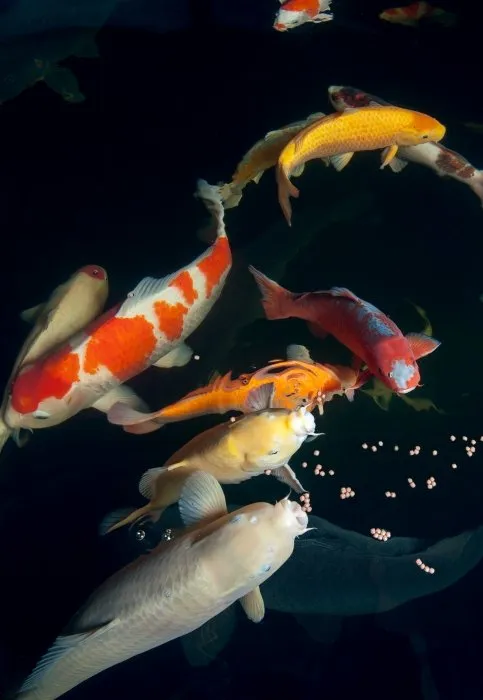
Credit: www.aquascapeinc.com
Special Feeding Tips For Different Species
Feeding ornamental fish correctly helps them grow healthy and strong. Different fish species need different foods and feeding styles. Understanding their needs improves their well-being.
This guide covers tips for tropical fish, coldwater fish, and bottom feeders. Each group has unique feeding habits and preferences.
Tropical Fish
Tropical fish enjoy a varied diet with protein and plant matter. Feed small amounts two to three times daily to avoid overfeeding. Use flakes, pellets, and live or frozen foods.
Many tropical fish like color-rich foods to enhance their appearance. Avoid feeding too much fatty food to keep them active and healthy.
- Feed high-quality flakes or pellets made for tropical fish
- Offer live foods like brine shrimp or bloodworms once a week
- Add vegetable matter like spirulina or blanched spinach
- Remove uneaten food after 5 minutes
Coldwater Fish
Coldwater fish grow slower and eat less often. Feed them once or twice a day with sinking pellets or flakes. Avoid feeding when water temperature is below 50°F (10°C).
Give food that matches their metabolism. Use foods with moderate protein and avoid fatty treats. Keep feeding simple during colder months.
- Use sinking pellets or flakes for coldwater species
- Feed small amounts to prevent water pollution
- Feed less or stop feeding if temperature drops too low
- Offer occasional treats like frozen bloodworms
Bottom Feeders
Bottom feeders eat food that sinks to the tank floor. Feed sinking pellets or wafers designed for their needs. Include algae wafers and vegetables for plant-eating species.
Feed small amounts and clean leftover food to keep the tank clean. Some bottom feeders like snails and shrimp also need special diets.
- Feed sinking pellets or wafers daily
- Add algae wafers for herbivorous bottom feeders
- Include fresh vegetables like zucchini or cucumber slices
- Remove leftover food after 10 minutes

Credit: amtra.net
Frequently Asked Questions
What Is The Best Diet For Ornamental Fish Growth?
Ornamental fish grow best on a balanced diet rich in proteins, vitamins, and minerals. Use high-quality flakes, pellets, and occasional live or frozen foods for optimal health and vibrant colors.
How Often Should I Feed Ornamental Fish For Growth?
Feed ornamental fish 2-3 times daily in small portions. Overfeeding can cause health issues and water pollution, so only provide what they can consume within 2-3 minutes.
Can Natural Foods Improve Ornamental Fish Growth?
Yes, natural foods like brine shrimp, daphnia, and bloodworms promote faster growth and enhance fish immunity. Supplementing their diet with natural options supports overall well-being and vitality.
Is Protein Important For Ornamental Fish Growth?
Protein is essential for muscle development and growth in ornamental fish. Ensure their diet includes sufficient protein sources like fish meal, shrimp, or insect larvae for healthy development.
Conclusion
Feeding ornamental fish the right way helps them grow strong and healthy. Use a balanced diet with high-quality food. Feed small amounts often to avoid waste. Clean water also supports their growth and well-being. Watch your fish for signs of good health.
Healthy fish show bright colors and active behavior. Caring for their diet is a simple step to keep them happy. Small changes in feeding can lead to big improvements. Keep learning and adjusting as your fish grow. Good feeding habits make your aquarium a lively, beautiful place.