
Setting up your aquarium filter the right way can make all the difference for your fish’s health and the clarity of your water. If you’ve ever struggled with cloudy water or unwanted odors, knowing the proper filter installation tips is key.
You’ll discover simple, effective steps to get your filter working perfectly from the start. Follow along, and you’ll enjoy a cleaner, happier aquarium in no time. Ready to dive in? Let’s make your aquarium thrive!
Choosing The Right Filter
Picking the right filter is key for a healthy aquarium. A good filter cleans the water and keeps fish safe.
There are many types of filters. Each works best for different tanks and fish types.
Types Of Aquarium Filters
Filters come in different styles. Some use mechanical parts, others use chemicals or plants.
- Internal Filters: Placed inside the tank, good for small aquariums.
- External Canister Filters: Sit outside the tank, powerful for big tanks.
- Hang-On-Back Filters: Hang on the tank edge, easy to maintain.
- Sponge Filters: Use air to move water through a sponge, great for breeding tanks.
- Undergravel Filters: Use gravel as a filter medium, less common now.
Filter Size And Capacity
Choose a filter size that matches your aquarium volume. A small filter won’t clean enough water.
Filter capacity shows how much water it can clean per hour. Pick one with a flow rate about 4 times your tank size.
- For a 20-gallon tank, choose a filter with 80 gallons per hour flow rate.
- For larger tanks, increase flow rate accordingly.
- Too strong flow may stress fish, so adjust flow if possible.
Compatibility With Tank Size
Match the filter type and size to your tank shape and size. Some filters suit certain tanks better.
Small tanks do well with internal or sponge filters. Large tanks need external or canister filters.
- Shallow tanks may need filters with gentle flow to avoid stirring up debris.
- Tall tanks benefit from filters that move water vertically well.
- Consider noise and space around your aquarium when choosing a filter.
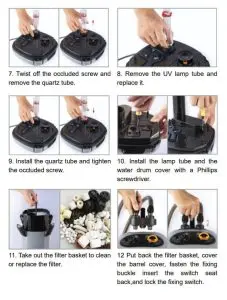
Credit: www.vevor.com
Preparing For Installation
Installing an aquarium filter is important for fish health. You need the right tools and preparation.
Before starting, make sure everything is ready. This guide helps you prepare.
Gathering Necessary Tools
Start by collecting all necessary tools. This makes the installation smooth.
- Screwdriver
- Buckets for water
- Towels for spills
- Filter manual
Cleaning The Filter Components
Clean the filter parts before use. This removes dust and dirt.
Checking Filter Media
Check the filter media for any signs of damage. Replace if needed.
| Media Type | Replacement Frequency |
| Carbon | Monthly |
| Foam | Every 3 months |
| Ceramic | Every 6 months |
Installing The Filter
Installing an aquarium filter is key to keeping your fish healthy. A good filter cleans the water and keeps it clear.
Follow these tips to install your filter correctly. Proper setup helps it work well and last longer.
Positioning The Filter
Place the filter where water flows easily into it. This ensures good water circulation inside the tank.
Keep the filter away from direct sunlight. This prevents algae growth and helps the filter last longer.
- Choose a spot near the tank’s water surface
- Avoid areas with heavy decorations blocking flow
- Make sure it is easy to reach for maintenance
Securing The Filter In Place
Attach the filter firmly to avoid shaking or falling. A stable filter works better and is safer for fish.
Use suction cups or brackets that come with the filter. Check them regularly to keep the filter secure.
- Clean the glass before attaching suction cups
- Press suction cups firmly to remove air bubbles
- Tighten brackets or screws if your filter has them
Connecting Tubing And Hoses
Connect the tubes or hoses tightly to prevent leaks. Loose connections can cause water spills or poor filtering.
Check the filter manual for correct tube placement. Use clamps if needed to hold hoses securely.
- Match tube sizes to filter ports
- Push tubes fully onto fittings
- Use hose clamps for a tight seal
- Arrange tubes to avoid kinks or bends
Starting The Filter
Installing an aquarium filter properly helps keep your tank clean and healthy. Starting the filter correctly is key to avoid leaks or damage.
Follow these tips to ensure your filter runs smoothly from the start.
Priming The Filter
Priming fills the filter with water to remove air pockets. This helps the filter start quickly and avoid damage.
- Fill the filter chamber with water before turning it on.
- Check the filter’s manual for specific priming instructions.
- Use a priming button or tube if your filter has one.
- Make sure all hoses are filled with water and connected tightly.
Powering On Safely
Turn on the filter carefully to prevent damage and leaks. Follow safety steps to protect your equipment and fish.
| Action | Tip |
| Check power source | Use a GFCI outlet to prevent shocks. |
| Inspect connections | Ensure hoses and plugs are secure before powering on. |
| Start filter | Switch on the filter and listen for unusual sounds. |
| Observe | Watch for leaks or splashing water around the unit. |
Checking For Proper Flow
Proper water flow keeps the aquarium clean and oxygen-rich. Check the flow to confirm the filter works well.
Signs of good flow:
- Water moves steadily through the intake and output.
- No air bubbles escaping from the output.
- Water surface shows gentle ripples or movement.
- Filter sound is steady without sputtering.
Maintaining Crystal Clear Water
Keeping your aquarium water clear helps fish stay healthy. Clean water also shows off your tank’s beauty.
Using the right filter and caring for it well is key. Follow simple tips to keep water clear and fresh.
Regular Filter Cleaning
Cleaning your filter often stops dirt from building up. A dirty filter can slow water flow and reduce cleaning power.
Rinse filter parts in tank water, not tap water. This keeps helpful bacteria alive in the filter.
- Turn off the filter before cleaning
- Use tank water to clean filter media
- Clean the filter every 2-4 weeks
- Check for broken parts during cleaning
Replacing Filter Media
Filter media traps waste and helps keep water clean. Some media needs regular replacing to work well.
Replace filter media as the manufacturer suggests. Do not replace all media at once to keep bacteria healthy.
- Replace carbon every 3-4 weeks
- Change mechanical media when clogged
- Keep biological media for longer periods
- Replace media in small amounts to protect bacteria
Monitoring Water Quality
Test your water often to keep fish safe. Good water quality means less stress and disease for fish.
Check levels of ammonia, nitrite, and nitrate. Use a test kit to track changes and act fast if needed.
- Test water weekly
- Keep ammonia and nitrite at zero
- Keep nitrate below 20 ppm
- Adjust water changes based on test results
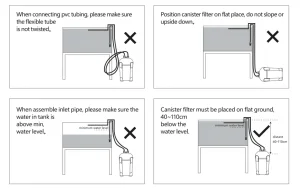
Credit: www.vevor.com
Troubleshooting Common Issues
Installing an aquarium filter is easy, but sometimes problems can happen. Knowing how to fix common issues helps keep your tank clean.
This guide covers common problems like low water flow, strange noises, and leaks. Follow these tips to solve them quickly.
Low Water Flow
Low water flow means the filter is not moving enough water. This can hurt the tank’s health by reducing filtration.
Check if the filter media is clogged. Clean or replace it to improve flow. Also, clear any debris blocking the intake tube.
- Clean filter media regularly
- Remove debris from intake and output tubes
- Check if the impeller is stuck or dirty
- Ensure the filter is fully submerged if required
Unusual Noises
Filters should run quietly. Strange sounds can show a problem. Common noises include grinding, rattling, or humming.
Look inside for a dirty or damaged impeller. Clean it carefully or replace it if needed. Also, check if the filter is firmly placed.
- Clean the impeller and housing
- Replace worn or broken parts
- Secure the filter to reduce vibration
- Check for air trapped inside the filter
Leaks And Drips
Leaks or drips can cause water damage outside the tank. Find the leak source to stop water loss and protect your home.
Inspect all connections and seals. Tighten loose parts and replace broken gaskets or tubes. Make sure the filter is not cracked.
- Tighten all hose and filter connections
- Replace damaged seals and gaskets
- Check the filter case for cracks
- Do not overfill the aquarium or filter

Credit: www.youtube.com
Frequently Asked Questions
How Do I Choose The Right Aquarium Filter?
Select a filter based on your tank size and fish type. Consider flow rate, filter media, and maintenance ease. Proper selection ensures clean water and healthy fish.
Where Is The Best Place To Install An Aquarium Filter?
Install the filter near the tank’s water inlet or outlet. Ensure easy access for cleaning. Position it to maximize water circulation and oxygenation.
How Often Should I Clean My Aquarium Filter?
Clean the filter every 2-4 weeks to maintain efficiency. Rinse filter media in tank water to preserve beneficial bacteria. Avoid over-cleaning to protect the biological balance.
Can I Install An Aquarium Filter Without Tools?
Yes, many filters have tool-free installation designs. Follow the manufacturer’s instructions carefully. Secure hoses and fittings properly to prevent leaks and ensure smooth operation.
Conclusion
Installing an aquarium filter keeps your tank clean and fish healthy. Follow the steps carefully for the best results. Check the filter regularly to ensure it works well. Clean or replace filter parts as needed to avoid problems. A well-maintained filter helps maintain water clarity and quality.
Remember, a good filter makes your aquarium a safe home. Keep learning and adjusting for the best aquarium experience. Simple care leads to a happy, thriving fish tank.