
Are you looking to make your aquarium not just beautiful, but also a powerhouse of clean, clear water? Aquascaping for filtration efficiency is the secret many aquarium enthusiasts overlook.
By carefully arranging plants, rocks, and substrates, you can boost your tank’s natural filtration, reducing maintenance and keeping your fish healthier. Imagine spending less time cleaning and more time enjoying a vibrant underwater world that practically takes care of itself.
Keep reading to discover how simple design choices can transform your aquarium into a thriving, self-sustaining ecosystem.
Benefits Of Aquascaping
Aquascaping is the art of arranging aquatic plants and decorations in a tank. It helps keep the water clean and healthy for fish and plants.
This process supports the natural balance inside the aquarium. It makes the environment look good and work well.
Improving Water Quality
Aquascaping helps remove waste and toxins from the water. Plants absorb harmful chemicals and reduce algae growth. Clear water means healthier fish and plants.
Enhancing Biological Filtration
Plants create a natural filter by hosting beneficial bacteria. These bacteria break down fish waste and uneaten food. This reduces harmful substances like ammonia and nitrites.
- Plants provide surface for bacteria to grow
- Bacteria convert toxins into less harmful forms
- Cleaner water supports fish health
- Reduces the need for mechanical filters
Aesthetic And Functional Balance
Aquascaping creates a beautiful and balanced tank. It combines plants, rocks, and wood in a pleasing way. This design also helps water flow and oxygen levels.
| Feature | Benefit |
| Plant Placement | Improves water movement |
| Open Spaces | Allows fish to swim freely |
| Varied Plants | Supports different bacteria types |
| Decor Elements | Provides hiding spots and reduces stress |

Credit: glassboxdiaries.com
Key Elements For Filtration
Aquascaping affects how well your tank filters water. Proper choices help keep water clean and clear.
This guide covers plants, substrate, and hardscape to improve filtration efficiency.
Choosing The Right Plants
Plants absorb harmful chemicals and provide surfaces for beneficial bacteria. Choose species with high nutrient uptake.
- Fast-growing plants reduce excess nutrients.
- Rooted plants stabilize substrate and filter water.
- Floating plants block light and lower algae growth.
Substrate Selection
The substrate traps debris and supports bacteria that break down waste. Choose substrates with good porosity.
| Substrate Type | Filtration Benefit | Example |
|---|---|---|
| Gravel | Good water flow, surface for bacteria | Small river stones |
| Aquarium Soil | Supports plant roots, nutrient rich | Clay based soil |
| Sand | Fine particles trap waste, less flow | Silica sand |
Hardscape Placement
Hardscape affects water flow and filter efficiency. Arrange rocks and wood to guide water through plants and substrate.
- Place hardscape to avoid dead water zones.
- Create channels for water movement.
- Use gaps for plant roots and bacteria growth.
Plant Types That Boost Filtration
Aquascaping is not just about beauty. It also helps in water filtration. Using the right plants, you can improve filtration efficiency in your aquarium.
Different plants serve different roles. Let’s explore some plant types that enhance filtration.
Fast-growing Stem Plants
Fast-growing stem plants are excellent for filtration. They absorb nutrients and reduce algae growth.
- Hygrophila
- Ceratophyllum
- Bacopa
Root-feeding Plants
Root-feeding plants absorb nutrients from the substrate. This helps keep the water clean and clear.
| Plant | Benefits |
| Cryptocoryne | Nutrient absorption |
| Echinodorus | Stabilizes substrate |
| Vallisneria | Prevents algae |
Floating Plants
Floating plants cover the surface and use light efficiently. They reduce excess nutrients in the water.
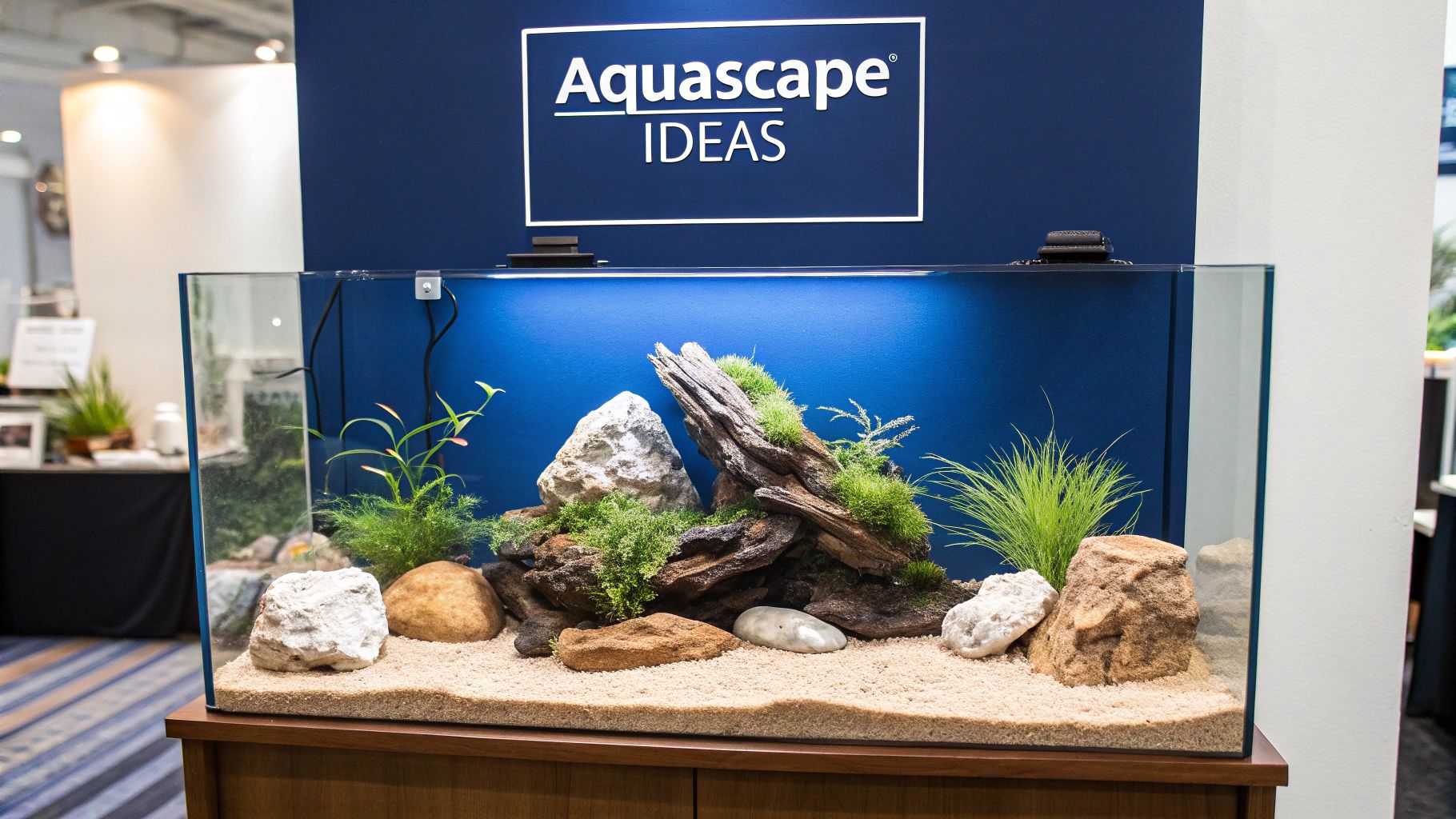
Credit: clixfueling.com
Design Tips To Maximize Clarity
Aquascaping is the art of arranging aquatic plants and decorations. It helps improve water clarity by supporting good filtration. A clear tank looks healthy and bright.
Good design helps water flow well and stops dirty spots. Plants play a big role in filtering water naturally. Use these tips to keep your aquarium clean and clear.
Optimizing Water Flow
Water flow moves debris to the filter and stops buildup. Design your aquascape so water flows evenly. Avoid blocking the main currents with large decorations.
Use plants and rocks to guide water gently around the tank. Place the filter outlet where it can push water across the tank. This keeps particles moving toward the filter.
- Keep filter outputs clear of obstructions
- Arrange plants to channel water flow
- Use powerheads to improve circulation
- Check flow regularly for weak spots
Avoiding Dead Zones
Dead zones are spots where water does not move. Waste and debris settle there, causing cloudy water. Avoid placing large plants or decorations that block flow.
Leave open areas near filters and pumps. These spots help keep water moving well. Regular cleaning and rearranging can reduce dead zones over time.
- Check for stagnant corners in the tank
- Thin dense plants to allow water movement
- Use pumps to reach hidden areas
- Keep substrate clean in low flow zones
Balancing Plant Density
Plants filter water by absorbing nutrients and trapping particles. But too many plants can block water flow and reduce filtration. Balance dense plant areas with open spaces.
Choose a mix of tall and short plants to allow light and flow. Remove dead leaves and trim plants often. Healthy plants improve water clarity and tank health.
- Plant in groups, not crowded clumps
- Trim regularly to avoid overgrowth
- Use floating plants to filter surface water
- Mix slow and fast-growing species
Maintenance Practices
Proper maintenance keeps aquascapes healthy and helps filters work well. Regular care stops buildup and keeps water clean.
This guide covers key actions to maintain filtration efficiency in your aquascape.
Regular Pruning
Pruning plants controls growth and prevents dead parts from harming water quality. It also improves water flow through the filter.
- Trim dead or yellow leaves often
- Cut back fast-growing plants to avoid overcrowding
- Remove excess plant debris from the substrate
- Keep plant height balanced for good light and water movement
Cleaning Techniques
Cleaning filter parts and aquarium surfaces ensures efficient filtration. Avoid harsh chemicals that may harm bacteria.
| Cleaning Task | Recommended Frequency | Method |
| Filter media rinse | Every 2-4 weeks | Rinse in tank water to keep beneficial bacteria |
| Glass cleaning | Weekly | Use algae scraper or soft cloth |
| Gravel vacuuming | Every 1-2 weeks | Use siphon to remove debris without disturbing plants |
| Check filter tubes | Monthly | Remove blockages by rinsing or replacing parts |
Monitoring Water Parameters
Regular testing of water conditions helps catch problems early. Stable water keeps plants and fish healthy, supporting filter performance.
- Test pH, ammonia, nitrite, and nitrate weekly
- Record results to track changes over time
- Adjust water changes based on test results
- Use water conditioners if needed to balance chemicals
Common Mistakes To Avoid
Aquascaping is about making your tank look nice and keeping fish healthy. Filtration helps keep water clean and clear. Many people make simple mistakes that hurt filtration efficiency.
Knowing these mistakes helps you create a better aquascape. Avoiding them keeps your tank balanced and fish happy.
Overcrowding Plants
Too many plants in a small tank block water flow. This stops filters from working well. Plants need space to grow and let water move freely.
Overcrowding can cause dead spots where waste builds up. This harms fish and plants by lowering water quality.
- Keep a good distance between plants
- Trim plants regularly to prevent thick growth
- Use open spaces for better water circulation
Ignoring Filtration Needs
Some people forget that filters must match tank size. A small filter in a big tank does not clean water well. This lets waste build up quickly.
Filters also need regular cleaning. Dirty filters lose power and stop working right. Neglecting this reduces water quality and harms fish.
- Choose a filter made for your tank size
- Clean filter parts monthly to keep flow strong
- Replace filter media as needed to keep it effective
Neglecting Algae Control
Algae can grow fast and cover plants and glass. Too much algae blocks light and clogs filters. This stops filtration from working well.
Ignoring algae makes tanks look dirty and harms fish health. Algae control is key to keeping water clean and clear.
- Limit light hours to prevent algae growth
- Clean algae from glass and plants regularly
- Add algae-eating fish or snails if possible
Case Studies And Examples
Aquascaping can improve filtration in aquariums by using plants and layout. Plants help remove waste and keep water clear.
Below are examples showing how aquascapes boost filtration and create healthy fish homes.
Successful Aquascapes
One aquascape used dense plant growth with fast-growing species. This reduced nitrates and improved water clarity.
Another example added porous rocks that trapped debris. Plants absorbed excess nutrients, balancing the tank.
- Dense plants remove harmful chemicals
- Rocks increase surface for beneficial bacteria
- Open water areas allow good circulation
Before And After Results
In one case, a tank had cloudy water and algae before aquascaping. After adding plants and stones, water cleared in two weeks.
Fish were healthier and algae growth dropped significantly. This shows how aquascaping helps filtration naturally.
| Time | Water Clarity | Algae Level | Fish Health |
|---|---|---|---|
| Before | Cloudy | High | Average |
| After 2 Weeks | Clear | Low | Good |

Credit: www.reddit.com
Frequently Asked Questions
What Is Aquascaping For Filtration Efficiency?
Aquascaping for filtration efficiency uses plants and layout to boost water purification. It enhances natural filtration by optimizing plant placement and substrate choices. This reduces harmful toxins, improves water clarity, and supports a healthy aquarium ecosystem.
How Do Plants Improve Filtration In Aquascaping?
Plants absorb nitrates and harmful chemicals, acting as natural filters. Their roots encourage beneficial bacteria growth, breaking down waste effectively. This process keeps water cleaner and healthier for aquatic life.
Which Aquascaping Techniques Enhance Filtration?
Using layered substrates, dense planting, and water flow management improves filtration. Positioning plants near filter inlets maximizes nutrient uptake. These techniques create balanced ecosystems that maintain water quality naturally.
Can Aquascaping Reduce Filter Maintenance Frequency?
Yes, efficient aquascaping lowers waste accumulation and filter clogging. Healthy plants absorb excess nutrients, reducing debris buildup. This results in less frequent cleaning and longer filter lifespan.
Conclusion
Aquascaping helps keep your tank water clean and clear. Plants absorb harmful waste and improve water quality. A well-planned layout boosts filtration and creates a healthy space for fish. Natural filters like plants work better than machines alone. Careful plant choice and placement make a big difference.
Your aquarium looks beautiful and stays balanced. Simple steps lead to a stronger filtration system. Try aquascaping for a healthier, happier tank today.