
If you have a freshwater tank, you know how important it is to keep it stable and beautiful. But where do you put all the equipment and supplies without making your space look messy?
That’s where the right aquarium cabinet comes in. Imagine a cabinet that not only holds your tank securely but also keeps everything organized and hidden from view. You’ll discover how choosing the perfect aquarium cabinet can make your freshwater setup easier to manage and more enjoyable to watch.
Ready to transform your aquarium experience? Let’s dive in.
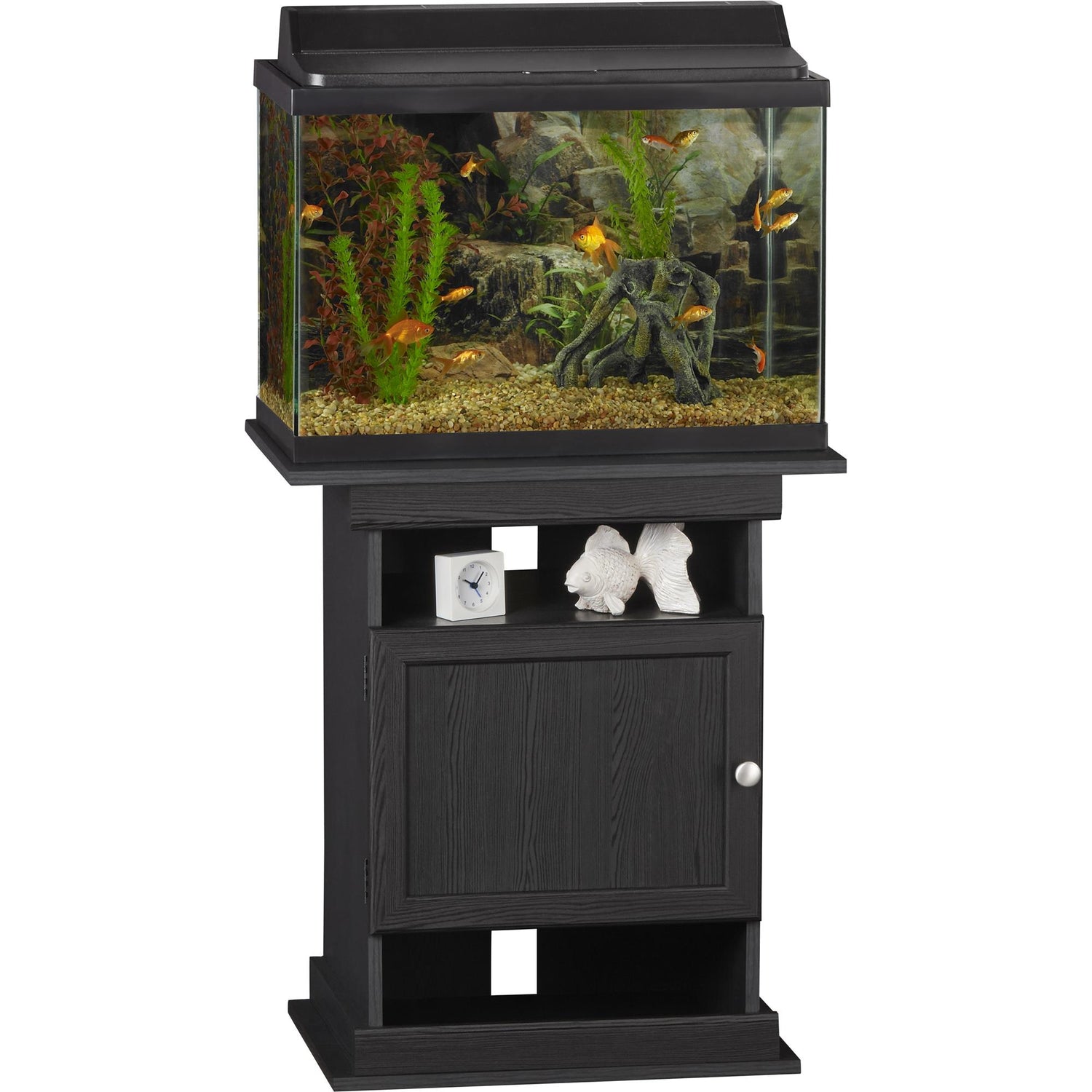
Credit: www.thebrick.com
Choosing The Right Cabinet
Selecting a good cabinet for your freshwater tank is important. It supports the tank and adds style to the room.
Think about material, size, and weight capacity before buying. These factors keep your aquarium safe and stable.
Materials And Durability
Cabinets come in wood, metal, and plastic. Wood looks nice but may warp with moisture. Metal is strong but can rust if wet. Plastic resists water but may not hold heavy tanks.
- Wood: good for style, needs water protection
- Metal: very strong, watch for rust
- Plastic: water-resistant, lighter weight
Size And Compatibility
Make sure the cabinet fits your tank size. It should match the tank’s length, width, and height. Leave space for equipment like filters and lights.
| Tank Size | Recommended Cabinet Size | Extra Space Needed |
|---|---|---|
| 10-20 gallons | 20” L x 12” W x 24” H | 2” around for equipment |
| 30-50 gallons | 36” L x 18” W x 30” H | 3” around for equipment |
| 55 gallons and above | 48” L x 24” W x 36” H | 4” around for equipment |
Weight Capacity
The cabinet must hold the tank’s full weight. Water is heavy. The cabinet should support the tank, water, gravel, and decorations safely.
- Check the tank’s total weight when full
- Pick a cabinet with higher weight capacity
- Use extra support if needed for large tanks
Design Styles
Aquarium cabinets are essential for freshwater tanks. They come in various design styles to fit your home decor.
From modern to classic, these styles not only support your tank but enhance the room’s ambiance.
Modern Minimalist
Modern minimalist designs focus on simplicity. These cabinets have clean lines and neutral colors. They often use materials like glass and metal.
- Sleek glass doors for a clear view
- Metal frames for strong support
- Neutral color palette to blend with any decor
Rustic And Natural
Rustic designs bring the charm of nature indoors. These cabinets often use wood with a natural finish. They create a warm and inviting atmosphere.
Custom wooden knobs and handles add unique touches.
Classic Elegance
Classic elegance designs showcase timeless beauty. They incorporate intricate details and rich woods. These cabinets add sophistication to any room.
| Material | Feature |
| Mahogany | Rich color and durability |
| Cherry wood | Intricate carvings |
| Oak | Classic appearance |
Storage Features
A well-designed aquarium cabinet offers smart storage for freshwater tanks. It keeps your tank supplies organized and easy to reach.
Good storage solutions help protect equipment and maintain a tidy look around your aquarium.
Shelves And Compartments
Shelves and compartments provide space for storing fish food, cleaning tools, and water conditioners. Adjustable shelves allow you to fit items of different sizes.
- Open shelves for quick access
- Closed compartments to hide clutter
- Custom-sized sections for bottles and tools
Hidden Storage Options
Hidden storage keeps your aquarium area neat by concealing less-used items. Drawers and cabinets with doors help reduce dust and moisture on supplies.
| Hidden Storage Type | Use | Benefit |
|---|---|---|
| Pull-out drawers | Small tools and nets | Easy to reach |
| Cabinet doors | Large equipment | Protects from dust |
| Secret compartments | Valuable or sensitive items | Out of sight |
Cable Management
Cable management features keep wires neat and safe from water damage. Hooks and clips inside the cabinet help organize power cords and tubing.
- Built-in cable holes to reduce clutter
- Velcro straps or clips to bundle wires
- Separate compartments for electrical parts
Installation Tips
Installing an aquarium cabinet for freshwater tanks needs care. A good setup keeps your tank safe and stable.
Follow these tips to install your cabinet properly and avoid damage to your tank and furniture.
Leveling The Cabinet
Make sure the cabinet is flat and level before placing the tank. An uneven surface can stress the glass and cause cracks.
Use a spirit level or bubble level tool to check. Adjust the cabinet feet or add shims under the legs if needed.
- Check all four corners for even height
- Place shims under uneven legs
- Recheck after placing the tank on top
Securing The Tank
Keep the aquarium firmly on the cabinet to avoid slipping or tipping. Secure it well for safety.
Use non-slip pads or rubber mats under the tank base. These reduce movement and protect the glass.
- Place anti-slip pads between tank and cabinet
- Tighten clamps if available on your cabinet
- Keep the tank centered on the cabinet surface
Ventilation Considerations
Good airflow around the cabinet stops moisture build-up. This prevents mold and wood damage.
Leave space behind and around the cabinet. Use vents or fans if the cabinet is closed.
- Keep at least 2 inches of space at the back
- Use vent openings in cabinet doors or sides
- Consider a small fan for air circulation
Maintenance And Care
Keeping your aquarium cabinet in good shape helps protect your freshwater tank. Regular care prevents damage and keeps the cabinet looking nice.
Simple steps for cleaning, protecting against moisture, and fixing small issues can extend the life of your cabinet.
Cleaning The Cabinet
Clean the cabinet surface often to avoid dust and stains. Use a soft cloth and mild soap with water. Avoid harsh chemicals that can damage the finish.
- Wipe with a damp cloth weekly
- Use gentle soap for tougher spots
- Dry the surface completely after cleaning
- Clean spills right away to prevent stains
Protecting Against Moisture
Moisture can harm the cabinet wood and cause swelling or mold. Use these tips to keep your cabinet dry and safe.
| Protection Method | Description |
| Sealant | Apply water-resistant sealant on cabinet surfaces |
| Ventilation | Keep the room aired to lower humidity levels |
| Elevate Tank | Use pads or feet to avoid direct water contact |
| Check for Leaks | Inspect tank and plumbing regularly to stop leaks |
Repair And Upkeep
Fix small problems early to avoid bigger damage. Tighten loose screws and replace worn parts as needed.
- Check hinges and handles for tightness
- Fill small scratches with wood filler
- Sand and repaint areas with chipped paint
- Replace damaged panels or supports
- Lubricate moving parts to keep them smooth
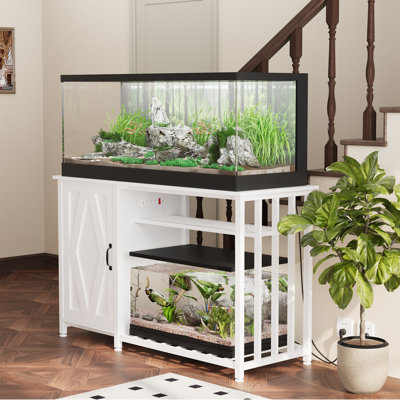
Credit: www.wayfair.ca
Budget And Pricing
Choosing the right aquarium cabinet depends on your budget. Prices vary based on size, material, and design. Planning ahead helps you find the best fit for your freshwater tank.
Understanding different price ranges and options lets you make smart choices. This guide breaks down affordable, premium, and DIY cabinets for freshwater tanks.
Affordable Options
Affordable cabinets are good for beginners or small tanks. These models use simple materials like particleboard or MDF. They offer basic support and storage without extra features.
- Basic particleboard cabinets cost between $50 and $150.
- MDF options usually range from $80 to $200.
- Look for pre-assembled or flat-pack models to save money.
- Check for sales or secondhand units for the best deals.
Premium Choices
Premium cabinets offer stronger build quality and stylish designs. They use hardwood or metal frames. These come with features like waterproof finishes and extra storage.
| Feature | Budget Cabinets | Premium Cabinets |
| Material | Particleboard, MDF | Hardwood, Metal |
| Price Range | $50 – $200 | $300 – $800 |
| Durability | Moderate | High |
| Design | Basic | Modern, Stylish |
| Extra Features | Limited | Waterproof finish, Storage |
Diy Cabinet Ideas
Building your own cabinet can save money and match your style. Basic tools and materials help create a custom fit for your tank size.
Common DIY materials include:
- Wood planks or plywood
- Screws and brackets
- Waterproof paint or sealant
- Basic tools like saw, drill, and screwdriver
DIY projects cost between $40 and $150, depending on materials used.

Credit: www.amazon.ca
Frequently Asked Questions
What Size Aquarium Cabinet Suits Freshwater Tanks Best?
Choose a cabinet that supports your tank’s weight and dimensions. Ensure it offers enough storage for fish care supplies. Proper size prevents instability and keeps your setup organized.
How To Maintain An Aquarium Cabinet For Durability?
Keep the cabinet dry and clean to avoid water damage. Use waterproof sealants if needed. Regularly check for wear and tighten any loose screws for long-lasting support.
Can Aquarium Cabinets Improve Freshwater Tank Aesthetics?
Yes, cabinets hide equipment and wires, creating a cleaner look. They also provide a stylish base that complements room décor and highlights your freshwater tank beautifully.
What Materials Are Best For Freshwater Aquarium Cabinets?
Solid wood and metal frames offer strong, durable support. Waterproof finishes protect against moisture damage. Choose materials that match your tank size and room style for best results.
Conclusion
Choosing the right aquarium cabinet helps keep your freshwater tank safe. It supports the tank’s weight and hides equipment neatly. Cabinets also add style to your room. Pick one that fits your space and matches your tank size. Good cabinets last long and make tank care easier.
Think about storage options for food and tools. A sturdy, simple cabinet makes your aquarium look great and stay organized. Enjoy your fish with less hassle and more beauty.