
Are you tired of dealing with overheating issues in your aquarium setup? Your fish and equipment need a stable environment to thrive, and that’s where an aquarium stand with a ventilation system comes in.
Imagine having a stand that not only supports your tank but also keeps the air flowing, preventing heat buildup and extending the life of your gear. You’ll discover why ventilation is a game-changer for your aquarium and how the right stand can make all the difference.
Keep reading to learn how to protect your investment and create the perfect home for your aquatic friends.

Credit: www.amazon.com
Why Ventilation Matters
Keeping an aquarium stand well ventilated helps control heat. Heat builds up inside the stand and can cause problems.
A good ventilation system lets air flow and keeps temperature steady. This protects fish and equipment from damage.
Heat Challenges In Aquariums
Aquarium stands hold tanks and equipment that generate heat. Lights, pumps, and heaters add warmth inside the stand. Without ventilation, heat stays trapped.
- Heat can rise and build up quickly.
- High temperatures stress fish and plants.
- Equipment may overheat and fail.
- Humidity increases, causing mold and damage.
Effects On Fish And Equipment
Too much heat harms fish health. Fish breathe less and eat poorly in warm water. Equipment may stop working or break.
| Impact | On Fish | On Equipment |
| High Temperature | Stress and illness | Overheating and failure |
| Low Air Flow | Poor oxygen levels | Shorter lifespan |
| High Humidity | None directly | Mold and rust |
Types Of Ventilation Systems
Aquarium stands need good ventilation to keep fish healthy. There are different types of systems you can use.
Each system helps control the temperature and air quality around your aquarium.
Passive Ventilation Designs
Passive systems let air flow naturally. They do not use electric fans.
These designs often use vents or holes in the stand. Air enters and exits without help.
- Simple to set up
- No energy cost
- Quiet operation
Active Ventilation With Fans
Active systems use fans to move air. These fans can be powered by electricity.
Fans can be set to different speeds. This helps to control air flow better.
- Better airflow control
- Uses electricity
- Can be noisy
Hybrid Ventilation Approaches
Hybrid systems use both passive and active methods. They combine vents and fans for better results.
These systems can work with or without power. This makes them flexible for different needs.
- Flexible design
- Works in power outages
- More complex setup
Materials For Ventilated Stands
Aquarium stands with ventilation systems need strong and breathable materials. Good materials help air flow and keep the tank safe. Choosing the right material is key to durability and function.
This guide covers common materials used for ventilated stands. Learn about wood, metal, and plastic options for your aquarium setup.
Wood Options And Treatments
Wood is a popular choice for aquarium stands. It is easy to work with and looks natural. The wood must be treated to resist moisture and pests.
- Use hardwoods like oak or maple for strength
- Apply water-resistant sealants to prevent warping
- Consider plywood with a waterproof finish
- Use wood preservatives to stop mold and decay
Metal Frames And Mesh Panels
Metal frames offer strong support and long life. They allow good ventilation with mesh panels that let air pass through. Metals need protection from rust.
| Metal Type | Features | Protection Needed |
|---|---|---|
| Steel | Strong and sturdy | Must be coated to prevent rust |
| Aluminum | Lightweight and rust-resistant | Usually needs less coating |
| Stainless Steel | Corrosion-resistant and durable | Minimal protection required |
Plastic And Composite Choices
Plastic and composite materials resist water and do not rust. They are lightweight and easy to clean. These materials come in many styles and colors.
Common plastic and composite materials include:
- PVC: Durable and moisture resistant
- Fiberglass: Strong and lightweight
- High-density polyethylene (HDPE): Impact resistant and stable
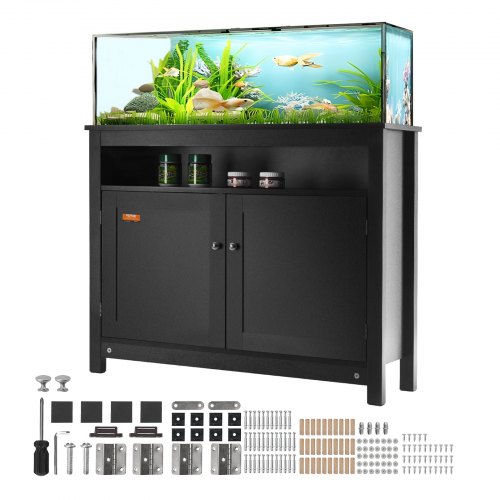
Credit: www.vevor.ca
Designing The Stand
Designing an aquarium stand with a ventilation system helps keep your tank safe. It prevents overheating and keeps equipment working well.
You need to plan carefully where to place vents and fans. Good airflow helps the stand last longer and protects your fish.
Placement Of Vents And Fans
Place vents at the bottom and top of the stand. This lets cool air enter and hot air escape easily.
Fans work best near vents to move air faster. Position fans to pull warm air out without blowing on the tank.
- Bottom vents bring in fresh air
- Top vents let hot air leave
- Fans near vents boost airflow
- Avoid placing fans directly under the tank
Airflow Optimization Techniques
Keep air moving by using both intake and exhaust vents. This creates a steady airflow path through the stand.
Use larger vents or more fans if the stand holds many devices. This stops heat from building up inside the cabinet.
- Balance intake and exhaust vents
- Use mesh covers to keep dust out
- Place fans to avoid air pockets
- Check airflow regularly and adjust as needed
Noise Reduction Strategies
Choose fans with low noise levels to keep the aquarium area quiet. Soft rubber mounts reduce vibration sounds.
Add sound-absorbing materials inside the stand. This cuts down noise without blocking airflow.
- Use quiet, high-quality fans
- Attach fans with rubber pads
- Line stand interior with foam or fabric
- Keep fan blades clean for smooth operation
Installation Tips
Installing an aquarium stand with a ventilation system needs careful work. Proper setup keeps your aquarium safe and healthy.
This guide covers measuring vents, securing parts, and handling wiring safely.
Measuring And Cutting Vent Openings
Measure the vent openings carefully to allow enough airflow. Mark the spots clearly on the stand before cutting.
- Use a tape measure for precise dimensions.
- Mark the area with a pencil or masking tape.
- Double-check measurements before cutting.
- Use proper tools like a jigsaw or hole saw for clean cuts.
- Wear safety glasses and gloves during cutting.
Securing Vent Components
Attach vents firmly to avoid movement or gaps. Use screws and brackets designed for wood or metal.
| Component | Recommended Fastener | Tip |
| Vent Frame | Wood Screws | Pre-drill holes to prevent splitting |
| Vent Grille | Small Screws or Clips | Align properly to avoid airflow blockage |
| Sealant | Silicone Caulk | Use around edges to prevent dust and water entry |
Wiring And Power Considerations
Plan wiring to keep power safe and dry. Use waterproof connectors and avoid tight bends in cables.
- Choose a power source near the stand.
- Use a ground fault circuit interrupter (GFCI) outlet.
- Secure wires with clips or ties to prevent damage.
- Do not overload the circuit with too many devices.
- Consult a professional electrician if unsure.

Credit: www.amazon.ca
Maintenance And Troubleshooting
Keeping your aquarium stand’s ventilation system clean is important. It helps your fish tank stay safe and your equipment last longer.
This guide covers easy ways to maintain and fix common problems with your aquarium stand ventilation system.
Cleaning Ventilation Parts
Dust and debris can block vents and fans. Clean these parts regularly to keep air flowing well.
- Turn off and unplug the system before cleaning.
- Remove vent covers and wipe them with a damp cloth.
- Use a soft brush to clear dust from fan blades.
- Check air filters and replace them if dirty.
- Let parts dry completely before reassembling.
Checking Fan Performance
A working fan helps keep the aquarium temperature stable. Watch for signs of weak or noisy fans.
| Fan Issue | What to Check | Possible Fix |
| Fan not spinning | Power supply, wiring | Reconnect cables, replace fan |
| Fan making noise | Dust, loose parts | Clean fan, tighten screws |
| Fan slow speed | Obstruction, motor wear | Remove blockage, replace motor |
Identifying Common Issues
Look for these common problems to avoid damage to your aquarium system.
- Overheating: Check ventilation if the stand feels hot.
- Water leaks: Inspect for moisture near electrical parts.
- Fan failure: Listen for unusual sounds or no airflow.
- Blocked vents: Remove dust and objects near vents.
Benefits Of Ventilated Stands
An aquarium stand with a ventilation system helps keep your equipment cool. It allows air to flow freely around pumps, filters, and heaters.
This airflow reduces heat buildup and keeps everything working well. Let’s look at the main benefits of using ventilated stands.
Improved Cooling Efficiency
Ventilated stands let air move through the stand’s interior. This movement carries heat away from devices. It stops them from getting too hot.
- Prevents overheating of pumps and filters
- Helps maintain stable water temperature
- Reduces risk of equipment failure due to heat
Extended Equipment Lifespan
Heat can damage aquarium devices over time. A ventilated stand lowers this risk by keeping parts cooler.
| Equipment | Without Ventilation | With Ventilation |
| Water Pump | 2-3 years | 4-5 years |
| Filter | 1-2 years | 3-4 years |
| Heater | 1-2 years | 3-5 years |
Enhanced Aquarium Health
Good ventilation keeps equipment running well. This supports a stable environment for fish and plants.
Benefits of ventilation for aquarium health:
- Prevents heat stress on aquatic life
- Reduces chance of harmful algae growth
- Keeps water conditions stable
Popular Products And Diy Ideas
A good aquarium stand with a ventilation system keeps your tank safe and cool. Proper airflow helps avoid heat buildup and protects equipment.
You can buy ready-made stands or build your own. Both options offer ways to keep your aquarium stable and well-ventilated.
Top Ventilated Stand Models
Many brands offer stands with built-in vents or fans. These stands improve air circulation under the tank.
- Metal frame stands with mesh panels for airflow
- Wooden stands with side vents or slats
- Stands with small fans powered by USB or batteries
- Models with open backs to allow heat to escape
These stands reduce moisture and heat that can damage the aquarium and equipment.
Custom Build Inspirations
Building your own stand lets you choose the size and ventilation style. You can add vents or fans where needed.
Use wood or metal and add mesh panels or vent holes. Place small fans near equipment to keep it cool.
- Cut vent holes on sides or back for airflow
- Install removable mesh panels for easy cleaning
- Add a small fan powered by USB for extra ventilation
- Include a shelf with space for cords and equipment
Budget-friendly Solutions
You can improve ventilation without spending much. Simple changes help your aquarium stand breathe better.
Use basic tools to add vents or leave gaps under the stand. Small battery fans are affordable and easy to install.
- Drill holes or slots in wood panels
- Use metal mesh for side panels
- Place the stand a few inches off the floor for airflow
- Buy small clip-on fans for cooling equipment
Frequently Asked Questions
What Is An Aquarium Stand With A Ventilation System?
An aquarium stand with a ventilation system allows airflow to prevent moisture buildup. It keeps the tank area dry and reduces mold risks. This stand ensures better temperature regulation and prolongs the aquarium’s lifespan. It is ideal for maintaining a healthy aquarium environment.
Why Choose A Ventilated Aquarium Stand?
A ventilated aquarium stand improves air circulation around the tank. This prevents overheating and condensation on the aquarium glass. It also reduces the chance of wood warping or structural damage. Choosing such a stand ensures durability and a safer habitat for your aquatic life.
How Does Ventilation Benefit Aquarium Equipment?
Ventilation helps cool filters, heaters, and pumps by dissipating heat. Proper airflow extends equipment lifespan and maintains stable water conditions. It reduces the risk of equipment malfunction due to overheating. Ventilated stands are essential for sensitive or high-powered aquarium devices.
Can Ventilation Prevent Mold Under The Aquarium Stand?
Yes, ventilation reduces humidity and moisture accumulation under the aquarium. This prevents mold and mildew growth that can damage the stand. Proper airflow promotes a healthier environment for both the tank and surrounding furniture. It also improves overall aquarium maintenance.
Conclusion
An aquarium stand with a ventilation system keeps your tank safe and cool. It stops heat build-up that can harm fish and plants. Good airflow helps avoid moisture and mold under the tank. Ventilation also protects wood or metal from damage.
Choosing the right stand means a longer life for your aquarium. Simple designs work best for easy air movement. This small step makes a big difference for your aquarium’s health. Keep your fish happy and your tank strong with proper ventilation.
It’s a smart choice every aquarium owner should consider.