
Setting up a fish tank is more than just placing water and fish in a glass box. If you’re a professional aquarist, you know the difference between a simple setup and a thriving aquatic environment.
Your fish depend on the right conditions to stay healthy and vibrant. This guide will help you master every step of your fish tank setup, so you can create a stunning, balanced ecosystem that impresses both you and anyone who sees it.
Ready to take your aquarium skills to the next level? Let’s dive in.
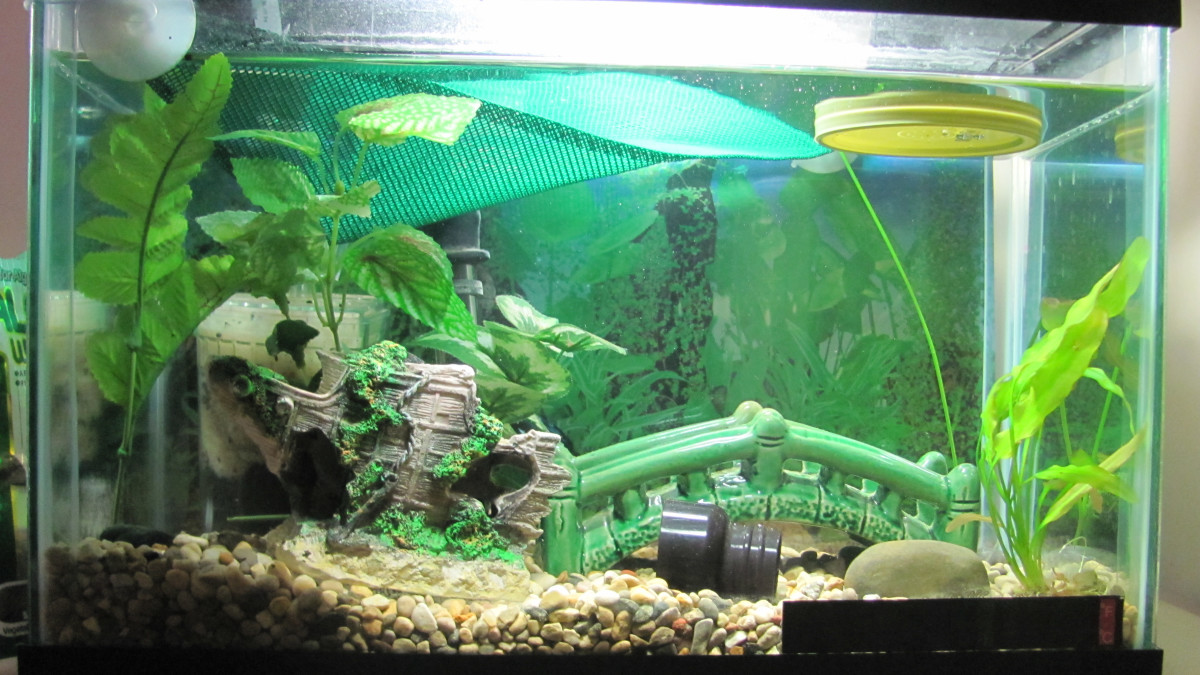
Credit: pethelpful.com
Choosing The Right Tank
Setting up a fish tank requires careful thought about the tank itself. The right tank supports fish health and tank maintenance.
Professional aquarists must consider size, shape, material, and placement before buying a tank. Each factor affects the aquarium’s success.
Tank Sizes And Shapes
Tank size affects fish comfort and water stability. Larger tanks hold more water and stay balanced longer. Shape impacts decoration and fish swimming space.
- Rectangular tanks offer more surface area for oxygen exchange.
- Cylindrical tanks provide a unique look but less usable space.
- Bow-front tanks give a panoramic view of the fish.
- Cube tanks fit well in small spaces but limit fish types.
Material Options
Tank material affects durability, clarity, and cost. Most tanks use glass or acrylic. Each has pros and cons to consider.
| Material | Advantages | Disadvantages |
| Glass | Scratch-resistant, clear view | Heavier, can crack |
| Acrylic | Lighter, impact-resistant | Scratches easily, yellows over time |
Location And Space
Choose a spot that supports tank weight and easy maintenance. Avoid direct sunlight and high traffic areas to keep fish safe.
Consider these points for location:
- Place the tank near power outlets for filters and lights.
- Ensure the surface can hold the full tank weight with water and decorations.
- Keep away from windows to prevent algae growth and temperature swings.
- Allow space around the tank for cleaning and feeding.
Essential Equipment
Setting up a fish tank for professional aquarists requires the right tools. Good equipment keeps fish healthy and the tank clean.
This guide covers key gear for filtration, lighting, and temperature control in your aquarium.
Filtration Systems
Filtration keeps water clear and safe for fish. It removes waste and toxins from the tank.
- Mechanical filters trap debris and particles.
- Biological filters use bacteria to break down harmful substances.
- Chemical filters remove chemicals and odors with activated carbon.
- Combination filters offer multiple cleaning methods in one unit.
Lighting Solutions
Good lighting supports fish health and plant growth. Choose lights that fit the tank size and species.
| Light Type | Best For | Features |
| LED | Energy efficient tanks | Long-lasting, low heat |
| Fluorescent | Plant growth | Bright, cost-effective |
| Metal Halide | Deep tanks | Strong light penetration |
Heating And Cooling
Keeping the right water temperature is vital. Use heaters or chillers to match fish needs.
Temperature control devices include:
- Submersible heaters for even heat distribution
- Thermostats to maintain steady temperature
- Cooling fans or chillers for hot climates
Water Quality Management
Water quality is vital for a healthy fish tank. Proper management prevents diseases and keeps fish active.
Professional aquarists must monitor and adjust water conditions regularly. This ensures a stable and safe habitat.
Testing Parameters
Check water parameters often to keep the tank balanced. Key factors include pH, ammonia, nitrite, and nitrate levels.
| Parameter | Ideal Range | Importance |
| pH | 6.5 – 7.5 | Maintains fish health and biological functions |
| Ammonia | 0 ppm | Toxic waste that harms fish |
| Nitrite | 0 ppm | Poisonous byproduct of waste breakdown |
| Nitrate | < 40 ppm | Less toxic but needs control |
Water Conditioning
Condition water before adding it to the tank. This removes chlorine and neutralizes harmful substances.
- Use water conditioners to remove chlorine and chloramine.
- Add beneficial bacteria supplements to boost biofiltration.
- Adjust temperature to match the tank environment.
- Test water after conditioning to confirm safety.
Regular Maintenance
Keep the tank clean and stable with routine care. This protects fish and supports healthy water quality.
- Perform partial water changes weekly or biweekly.
- Clean the filter and replace media as needed.
- Remove debris and uneaten food daily.
- Monitor fish behavior and health closely.
- Record water test results to track trends.
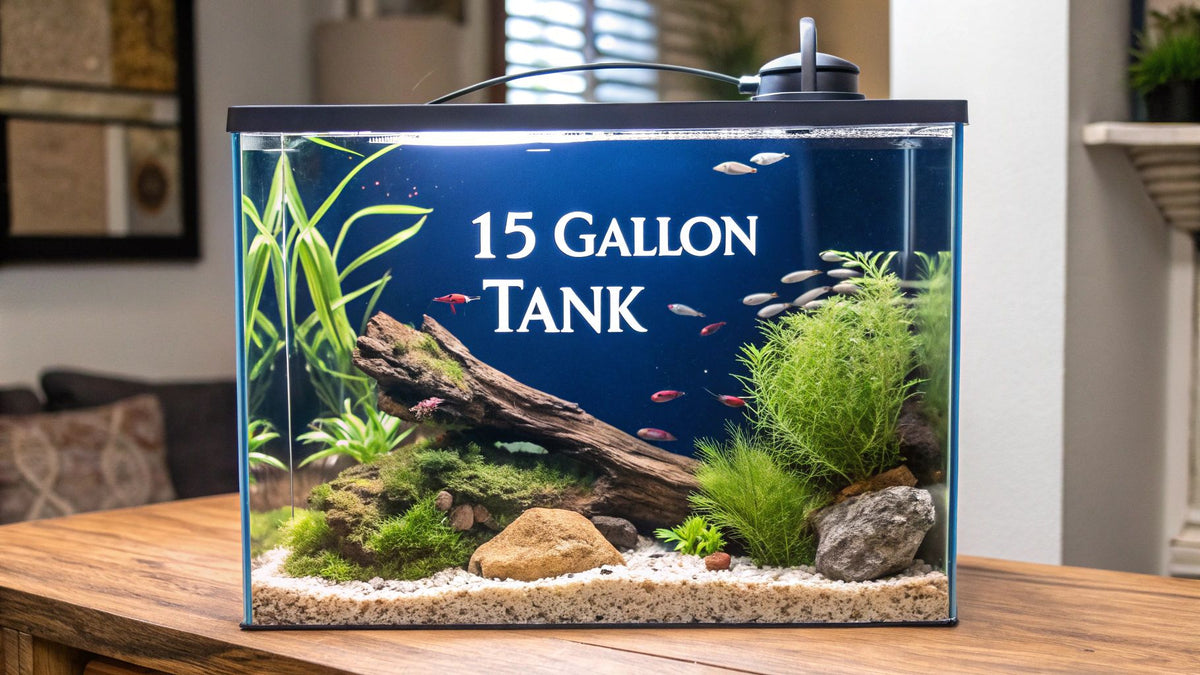
Credit: clixfueling.com
Aquascaping Techniques
Aquascaping is the art of arranging plants, stones, and substrates in a fish tank. It creates a natural and pleasing underwater landscape. Professional aquarists use many techniques to balance beauty and fish health.
Good aquascaping improves water quality and fish comfort. It also highlights the tank’s theme. Here are some key points to consider for a great aquascape.
Substrate Choices
Substrate is the material at the bottom of the tank. It supports plant roots and affects water chemistry. Choosing the right substrate helps plants grow well and keeps fish safe.
- Aquarium soil: Rich in nutrients for plant growth
- Sand: Good for bottom-dwelling fish but low in nutrients
- Gravel: Easy to clean and supports root plants
- Clay-based substrate: Holds nutrients and minerals
- Mixed substrate layers: Combine benefits of different types
Plant Selection And Placement
Choosing the right plants creates depth and interest. Place plants based on size and light needs. Tall plants fit well at the back. Short plants look good in front or middle areas.
| Plant Type | Light Needs | Placement |
| Java Fern | Low to medium | Mid-ground, attach to hardscape |
| Amazon Sword | Medium to high | Background, rooted in substrate |
| Dwarf Hairgrass | High | Foreground, carpet effect |
| Anubias | Low | Foreground or mid-ground, attach to stones |
| Cryptocoryne | Low to medium | Mid-ground or background |
Hardscape Materials
Hardscape includes rocks, wood, and other solid items. These create structure and focal points. They also help plants attach and grow in natural ways.
Common hardscape materials:
- Driftwood: Adds natural shapes and hiding places
- Slate: Flat stones for stacking or background
- Seiryu Stone: Popular for its texture and color
- Lava Rock: Porous and lightweight, good for bacteria
- Cholla Wood: Hollow and great for shrimp and fish shelter
Fish Selection And Compatibility
Setting up a fish tank requires careful selection of fish species. Professional aquarists must consider compatibility and behavior.
Choosing the right fish ensures a harmonious environment. It reduces stress and promotes health among the fish.
Species Suitable For Professionals
Professional aquarists often prefer specific species. These fish are more challenging but rewarding to maintain.
- Discus
- Angelfish
- Cichlids
Behavior And Compatibility
Understanding fish behavior is crucial. Some fish are peaceful, while others are aggressive. Compatibility ensures a peaceful tank.
| Species | Behavior |
| Discus | Peaceful |
| Angelfish | Semi-aggressive |
| Cichlids | Aggressive |
Stocking Density
Stocking density affects water quality and fish health. Overcrowding can lead to stress and disease among fish.
It’s vital to calculate the right number of fish for your tank size. A common rule is one inch of fish per gallon of water.
Feeding And Nutrition
Proper feeding and nutrition keep fish healthy and active. It helps prevent diseases and supports growth.
Professional aquarists must understand fish diets and feeding routines. This knowledge helps maintain a balanced tank.
Diet Types
Fish eat different foods depending on their species. Some eat plants, others eat meat, or both.
Common diet types include herbivores, carnivores, and omnivores. Each needs specific nutrients for health.
- Herbivores eat algae and plant matter
- Carnivores eat live or frozen animal food
- Omnivores eat a mix of plants and animals
Feeding Schedules
Feeding schedules vary by fish type and age. Young fish often need more frequent feeding than adults.
Most adult fish do well with one or two feedings per day. Avoid overfeeding to keep water clean.
- Feed small amounts two times daily
- Observe fish to avoid leftover food
- Adjust feeding if fish show signs of hunger or bloating
Supplements And Treats
Supplements add vitamins and minerals missing in regular food. Treats provide variety and enrichment.
Use supplements carefully. Too many treats can cause health problems and water pollution.
- Vitamin-enriched flakes or pellets
- Occasional live or frozen foods like brine shrimp
- Vegetable pieces for herbivores
Disease Prevention And Treatment
Keeping a fish tank healthy needs careful attention to diseases. Prevention is key to avoid stress and loss in fish. Treatment must be quick and correct to save fish lives.
Professional aquarists use proven methods to stop diseases and care for sick fish. This guide covers common diseases, quarantine steps, and medicine use.
Common Diseases
Fish can get many diseases from poor water quality or infection. Here are some common ones to watch for:
- Ich (White Spot Disease) – small white spots on fish skin and fins
- Fin Rot – frayed or rotting fins caused by bacteria
- Fungal Infection – white cotton-like growth on fish body or fins
- Swim Bladder Disorder – fish swims abnormally or floats upside down
- Velvet Disease – gold or rust-colored dust on fish skin
Quarantine Procedures
Quarantine prevents disease spread by isolating new or sick fish. Use a separate tank with proper equipment. Follow these steps:
- Set up a clean tank with filtered, cycled water.
- Keep water temperature stable and suitable for the fish species.
- Observe fish daily for signs of illness.
- Do not add any other fish until quarantine ends.
- Quarantine new fish for at least 2 weeks before adding them to the main tank.
Medication Use
Use medication carefully to treat diseases. Follow dosage and duration instructions. Below is a table of common medicines and their uses:
| Medicine | Disease Treated | Notes |
|---|---|---|
| Malachite Green | Fungal infections, Ich | Use in quarantine tank only |
| Antibiotics | Bacterial infections like fin rot | Follow vet or product label |
| Metronidazole | Internal parasites | Use with activated carbon removed |
| Salt Baths | Parasites and mild infections | Use correct salt type and dose |
Automation And Monitoring
Setting up a fish tank for professional aquarists needs careful control. Automation helps keep the tank stable and healthy.
Monitoring systems track water quality and fish behavior. These tools reduce manual work and improve tank care.
Smart Controllers
Smart controllers manage lights, pumps, and heaters automatically. They keep the environment steady for the fish.
- Adjust water temperature precisely
- Control lighting schedules for coral and plants
- Manage water flow and filtration
- Send alerts if parameters go outside safe ranges
Remote Monitoring
Remote monitoring lets aquarists check their tanks from anywhere. It uses sensors to send live data to phones or computers.
| Parameter | Monitored By | Benefit |
| Temperature | Thermometer | Keeps water safe for fish |
| pH Level | pH Sensor | Ensures water chemistry balance |
| Salinity | Salinity Probe | Maintains correct salt levels |
| Ammonia | Chemical Sensor | Detects harmful waste early |
Automated Feeding
Automated feeders deliver food at set times. This avoids overfeeding and keeps fish healthy.
Common features of automated feeders:
- Adjustable feeding schedules
- Portion control for different fish sizes
- Backup battery in case of power loss
- Easy to refill and clean
Advanced Tips For Professionals
Setting up a fish tank for professional aquarists requires attention to detail. Every factor affects fish health and breeding success.
Use precise methods to improve tank conditions and track progress. This guide shares advanced tips on breeding, water chemistry, and record keeping.
Breeding Techniques
Select strong, healthy pairs for breeding. Control temperature and lighting to match natural cycles. Provide suitable hiding places for fry.
- Use separate breeding tanks to protect eggs and fry
- Feed high-quality, protein-rich food to breeding pairs
- Maintain stable water parameters during breeding
- Monitor fish behavior closely for signs of stress
Water Chemistry Optimization
Regularly test water for pH, ammonia, nitrite, and nitrate levels. Keep parameters within species-specific ranges. Adjust with water changes or additives.
| Parameter | Optimal Range | Common Adjustment |
| pH | 6.5 – 7.5 | Use buffers or peat moss |
| Ammonia (NH3) | 0 ppm | Increase filtration and water changes |
| Nitrite (NO2) | 0 ppm | Enhance biological filtration |
| Nitrate (NO3) | < 20 ppm | Regular partial water changes |
| Hardness (GH) | 4 – 12 dGH | Add mineral supplements |
Record Keeping
Track all tank parameters, breeding dates, and health changes. Detailed records help identify patterns and improve care.
- Date and details of water tests
- Breeding pairs and offspring counts
- Feeding schedules and types of food
- Medication or treatments applied
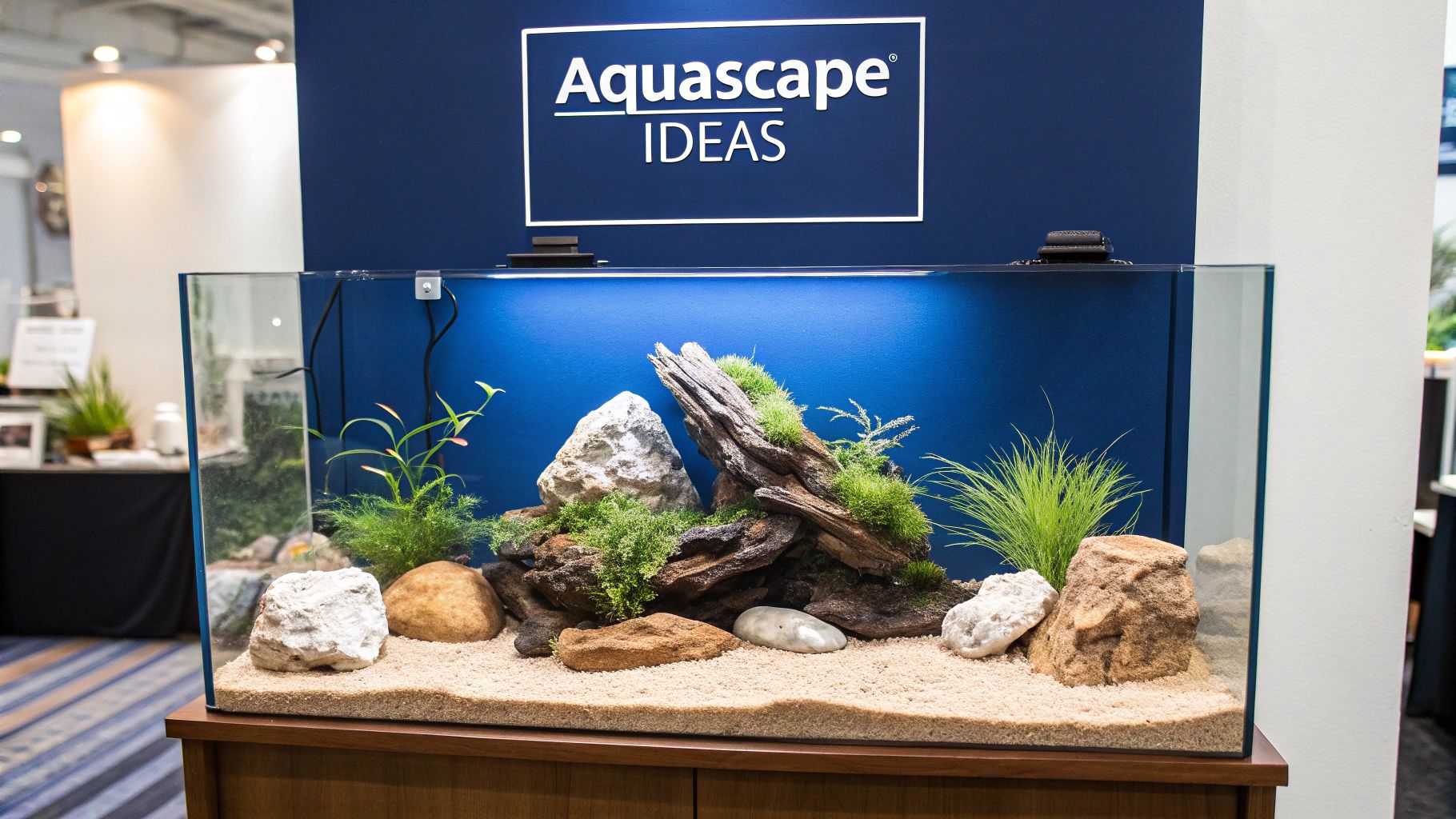
Credit: clixfueling.com
Frequently Asked Questions
What Is The Ideal Tank Size For Professional Aquarists?
The ideal tank size varies but starts at 20 gallons. Larger tanks offer better water stability and space for diverse species. Professionals often use 50 gallons or more for advanced setups and breeding projects.
How Do Professionals Maintain Water Quality In Fish Tanks?
Regular water testing and partial water changes keep water quality high. Using efficient filtration systems and avoiding overfeeding also helps maintain balance. Consistent monitoring prevents harmful toxin buildup for healthy fish.
What Equipment Is Essential For A Professional Fish Tank Setup?
Key equipment includes a reliable filter, heater, lighting, and air pump. Additional tools like water testers and automatic feeders improve tank management. Quality equipment ensures stable conditions and fish well-being.
How Often Should Fish Tanks Be Cleaned By Professionals?
Professional aquarists clean tanks weekly or biweekly. This includes removing algae, vacuuming substrate, and changing 10-20% of water. Regular cleaning prevents waste buildup and keeps the environment healthy.
Conclusion
Setting up a fish tank takes careful planning and attention to detail. Choose the right tank size and equipment for your fish. Keep water clean and stable to help fish stay healthy. Regular checks and maintenance prevent problems early. Remember, patience and care bring a beautiful, thriving aquarium.
Enjoy the process and watch your fish grow happy and strong. This setup creates a peaceful, living work of art. Keep learning and improving with each new tank you build.