
Have you ever noticed how your large tank heats unevenly, leaving some areas too hot while others stay cold? This common issue can cause serious problems for your process efficiency and product quality.
Understanding why uneven heating happens and how to fix it can save you time, money, and frustration. You’ll discover simple explanations and practical solutions that will help you achieve even heating in your large tanks every time. Keep reading to find out how to take control of your heating system and avoid costly mistakes.
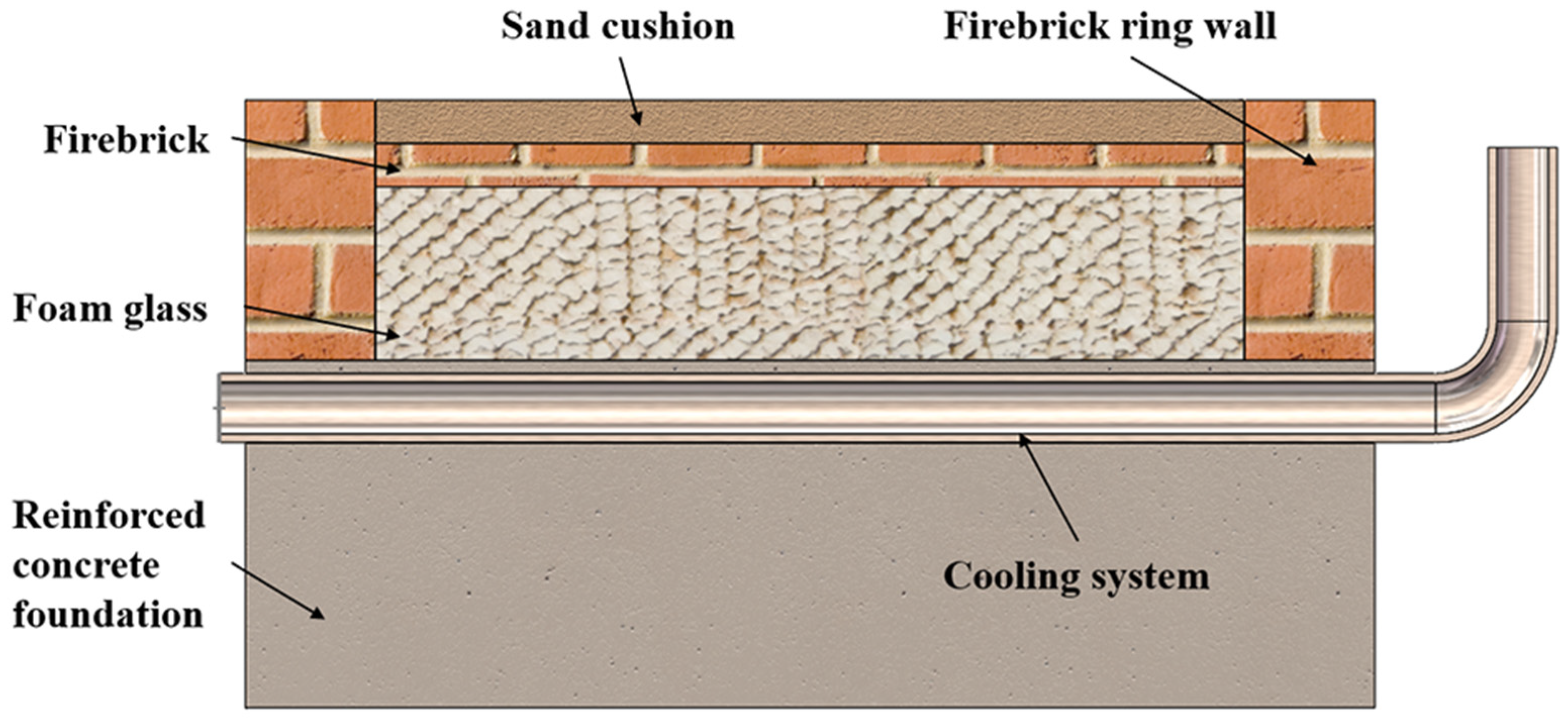
Credit: www.mdpi.com
Causes Of Uneven Heating
Uneven heating in large tanks can reduce efficiency and cause problems.
Understanding the causes helps to find better ways to keep heat balanced.
Thermal Stratification
Thermal stratification happens when water layers form at different temperatures.
Hot water stays on top while cold water stays at the bottom, causing uneven heat.
Poor Heat Distribution
Heat may not spread well inside the tank due to design or flow issues.
- Improper placement of heating elements
- Weak mixing or circulation systems
- Blockages in pipes or valves
Inadequate Insulation
Insulation that is too thin or damaged lets heat escape from the tank.
| Type of Insulation | Effectiveness |
| Fiberglass | Good |
| Foam | Better |
| None | Poor |
External Environmental Factors
Cold weather, wind, and sun exposure affect how heat stays in the tank.
Key external factors include:
- Wind removing heat from tank surfaces
- Sunlight warming parts of the tank unevenly
- Temperature changes during day and night

Credit: www.tandfonline.com
Effects On Tank Performance
Uneven heating in large tanks can cause many issues. These problems affect how well a tank works.
Understanding these effects is important for maintaining tank performance. Let’s explore the main challenges caused by uneven heating.
Reduced Energy Efficiency
When a tank heats unevenly, energy is wasted. This means more energy is needed to heat the entire tank.
Uneven heating also leads to longer heating times. This can increase energy costs for the facility.
Material Degradation
Materials inside the tank may degrade faster. Uneven heating can cause parts to wear out quickly.
Constant temperature changes can damage tank materials. This reduces the lifespan of the tank.
Operational Challenges
Uneven heating can lead to operational problems. Equipment may not function properly due to temperature changes.
Workers may need to spend more time managing the tank. This can increase labor costs.
- Increased maintenance checks
- Frequent repairs needed
- Delayed production schedules
Safety Risks
Uneven heating can create safety risks. High temperatures in one area can cause pressure build-up.
This may lead to leaks or even explosions. Ensuring even heating is crucial for safety.
Design Strategies To Improve Heating
Large tanks often face uneven heating, which can reduce efficiency and product quality. Proper design can help solve this issue.
Using smart strategies ensures heat spreads evenly across the tank. This guide covers three key methods to improve heating.
Optimized Heat Exchanger Placement
Placing heat exchangers in the right spots boosts heat distribution. Positioning them near cold zones helps balance the temperature.
- Install exchangers close to the tank walls where heat loss is high
- Use multiple small exchangers instead of one large unit
- Place exchangers at different heights to target temperature layers
Enhanced Insulation Techniques
Good insulation stops heat from escaping. It keeps the tank warm and reduces energy costs.
| Insulation Type | Benefits | Common Use |
|---|---|---|
| Foam Panels | High thermal resistance, lightweight | External tank walls |
| Mineral Wool | Fire resistant, good soundproofing | Areas with high temperature variation |
| Reflective Foil | Reflects radiant heat, thin layers | Inside tank covers |
Use Of Mixing Systems
Mixers help move heated fluid inside the tank. This movement creates a uniform temperature.
Common mixer types include:
- Mechanical agitators that stir liquids
- Recirculation pumps to flow fluid through heat exchangers
- Air or gas spargers that create bubbles to mix the liquid
Monitoring And Maintenance Approaches
Uneven heating in large tanks can cause damage and reduce efficiency. Proper monitoring and maintenance help keep temperature balanced. This prevents costly repairs and loss of product quality.
Using the right tools and routines ensures tanks stay in good condition. This article covers key approaches to monitor and maintain temperature in large tanks.
Temperature Sensor Integration
Integrating temperature sensors inside tanks allows real-time heat tracking. Sensors placed in different zones detect hot or cold spots. This data helps control heating systems accurately.
- Use multiple sensors to cover large areas
- Choose sensors that resist tank conditions
- Connect sensors to a central monitoring system
- Set alerts for temperature deviations
Regular Inspection Protocols
Routine inspections catch early signs of uneven heating. Visual checks and sensor data review work together. Inspectors look for corrosion, insulation issues, and sensor faults.
| Inspection Item | Frequency | Purpose |
| Sensor calibration | Monthly | Ensure accurate readings |
| Tank surface check | Weekly | Detect insulation damage |
| Heating element test | Quarterly | Verify heating performance |
| Data log review | Monthly | Spot temperature trends |
Preventive Maintenance Practices
Preventive maintenance stops uneven heating before it starts. Cleaning, repairing, and replacing parts keep tanks working well. Scheduling maintenance avoids emergency fixes.
- Clean sensors and heating elements to remove buildup
- Repair insulation cracks or gaps promptly
- Replace faulty sensors or wiring
- Test heating controls regularly
- Document all maintenance actions
Advanced Solutions And Technologies
Uneven heating in large tanks can cause problems like poor mixing and wasted energy. New technologies help keep the heat even and controlled.
These solutions improve tank performance and save money by reducing hot and cold spots.
Smart Heating Controls
Smart heating controls use sensors and software to keep tank temperatures steady. They adjust heat based on real-time data.
This helps avoid overheating or underheating in different parts of the tank. It also cuts down energy use.
- Temperature sensors placed inside the tank
- Automated control systems for heating elements
- Remote monitoring to track tank conditions
Computational Fluid Dynamics Modeling
Computational Fluid Dynamics (CFD) models show how heat moves inside tanks. These models predict hot and cold zones.
Engineers use CFD to design better heating layouts and improve tank mixing. This lowers uneven heating problems.
- Simulates fluid flow and heat transfer
- Tests different heating element placements
- Helps optimize tank design before building
Innovative Heating Elements
New heating elements spread heat more evenly in large tanks. They use advanced materials and shapes for better results.
These elements reduce cold spots and improve energy efficiency. They fit different tank sizes and shapes.
- Flexible heating mats that cover wide areas
- High-efficiency electric heaters with fast response
- Self-regulating heating cables for uniform heat

Credit: www.hygger-online.com
Frequently Asked Questions
What Causes Uneven Heating In Large Tanks?
Uneven heating in large tanks is caused by poor heat distribution, insulation issues, and varying fluid dynamics. These factors create hot and cold spots, reducing efficiency and risking damage to the tank or its contents.
How Does Uneven Heating Affect Tank Performance?
Uneven heating leads to inefficient temperature control, increased energy consumption, and potential material stress. It can cause product quality issues, damage tank integrity, and increase maintenance costs over time.
What Are Common Solutions For Uneven Tank Heating?
Common solutions include improving insulation, using better heat exchangers, and installing circulation pumps. Implementing proper mixing systems and temperature sensors also helps maintain uniform heat distribution.
Can Uneven Heating Cause Safety Hazards In Tanks?
Yes, uneven heating can cause safety risks like pressure build-up, structural damage, and overheating. It increases the chance of leaks, spills, or even explosions if not properly managed.
Conclusion
Uneven heating in large tanks causes many problems. It can lead to poor product quality and wasted energy. Understanding how heat moves helps find better solutions. Proper design and regular checks keep tanks working well. Small changes can make a big difference.
Keep learning and applying good heating practices. This keeps your tanks safe and efficient. Remember, steady heat means better results every time.