
If you own a betta fish, you know how important it is to keep your colorful friend healthy and happy. One of the biggest threats to your betta’s well-being is parasites.
These tiny invaders can cause serious harm quickly, often before you even notice a problem. But don’t worry—by learning simple prevention steps, you can protect your betta and enjoy watching it thrive. Keep reading to discover easy, effective ways to keep parasites away and ensure your betta lives a long, vibrant life.
Credit: www.bettafish.com
Common Betta Parasites
Betta fish can get sick from tiny parasites. These parasites live on or inside the fish. They cause stress and health problems for bettas.
Knowing about common parasites helps you keep your betta healthy. You can spot signs early and treat your fish fast.
Types Of Parasites Affecting Bettas
Several parasites can infect betta fish. Some live on the skin, others inside the body. Each type causes different symptoms.
- Ich (White Spot Disease):Tiny white spots on fins and body.
- Velvet:Gold or rust-colored dust on skin.
- Anchor Worms:Small worm-like parasites attached to skin.
- Gill Flukes:Parasites that irritate gills and cause breathing problems.
- Internal Worms:Live inside the digestive system and cause weight loss.
Signs Of Parasite Infestation
Betta fish show signs when parasites infect them. Watch for changes in behavior and appearance. Early detection helps save your fish.
- Scratching or rubbing against tank objects
- White spots or dust on skin and fins
- Clamped fins and faded colors
- Rapid breathing or gasping at the surface
- Loss of appetite and weight
- Red or swollen areas on the body
- Lethargy and hiding more than usual
Preventive Tank Setup
Setting up a tank properly helps keep bettas healthy and free from parasites. A good tank setup creates a safe home where fish can thrive.
Paying attention to the tank environment, water quality, and temperature reduces the risk of diseases and infections.
Choosing The Right Tank Environment
Select a tank size of at least 5 gallons to give your betta enough space. Avoid overcrowding with other fish to reduce stress and parasite spread.
- Use smooth decorations to prevent fin damage
- Include live or silk plants for hiding spots
- Keep the tank covered to avoid contamination
- Place the tank away from direct sunlight and drafts
Water Quality And Filtration
Clean water stops parasites from growing in the tank. Use a gentle filter that does not create strong currents.
| Water Parameter | Recommended Level |
| Ammonia | 0 ppm |
| Nitrite | 0 ppm |
| Nitrate | Less than 20 ppm |
| Filtration Type | Low flow sponge or gentle hang-on-back |
Optimal Temperature And Ph Levels
Keep the water temperature steady to avoid stress. Parasites grow faster if the temperature changes often.
- Maintain temperature between 76°F and 82°F (24°C – 28°C)
- Keep pH level stable around 6.5 to 7.5
- Use a reliable heater and thermometer
- Test water parameters weekly
Quarantine Practices
Quarantine helps keep betta fish healthy by stopping parasites. It means keeping new fish apart before adding them to your main tank.
This process lowers the risk of spreading diseases. Proper quarantine is a key step in parasite prevention for bettas.
Isolating New Fish
New bettas should stay in a separate tank away from other fish. This lets you watch for signs of parasites or illness.
Use a clean tank with filtered and heated water. Avoid sharing equipment between tanks to stop parasite spread.
- Keep new fish in a separate tank
- Use clean water and equipment
- Observe fish daily for health issues
- Do not add new fish to the main tank right away
Duration And Procedures
Quarantine should last at least two weeks. This time lets parasites show symptoms if present.
During quarantine, check water quality and fish behavior. Treat the fish if parasites appear before moving them to the main tank.
- Quarantine for 14 days minimum
- Monitor water temperature and cleanliness
- Look for signs like spots, scratching, or slow movement
- Use parasite treatments if needed
- Only add fish to main tank after full recovery
Regular Maintenance Tips
Keeping your betta fish healthy means regular care and attention. Parasite prevention starts with good tank habits.
Small daily actions can stop parasites before they become a problem. Follow these tips for a clean and safe environment.
Cleaning Schedule
Cleaning your betta’s tank regularly removes waste and harmful organisms. A clean tank lowers parasite risks and keeps water fresh.
- Change 25% of the water every week to keep it clean.
- Use a gravel vacuum to remove leftover food and debris.
- Clean the filter every month, but do not use soap.
- Remove uneaten food after feeding to avoid decay.
- Check and clean decorations and plants to stop parasite growth.
Monitoring Water Parameters
Good water quality helps your betta fight parasites. Regular testing keeps water safe and balanced.
| Parameter | Ideal Range | Why It Matters |
| Temperature | 76°F – 82°F (24°C – 28°C) | Keeps betta active and immune system strong |
| pH Level | 6.5 – 7.5 | Prevents stress and parasite growth |
| Ammonia | 0 ppm | Toxic waste can harm fish and encourage parasites |
| Nitrite | 0 ppm | Indicates good filter function |
| Nitrate | < 20 ppm | Too high causes stress and illness |
Diet And Immunity
Betta fish need a balanced diet to stay healthy. A good diet helps them fight parasites.
Eating the right foods can boost their immunity. This keeps them safe from sickness.
Nutritional Needs For Bettas
Bettas are carnivores, so they need protein. This is important for their growth and health.
They also need some fiber and vitamins. These help them digest food properly.
- Feed them high-protein pellets or flakes
- Include freeze-dried or live foods
- Avoid overfeeding to prevent health issues
Foods That Boost Immunity
Some foods help bettas fight off diseases. These foods contain vitamins and minerals.
Adding these to their diet can make them stronger. This reduces the risk of parasite infections.
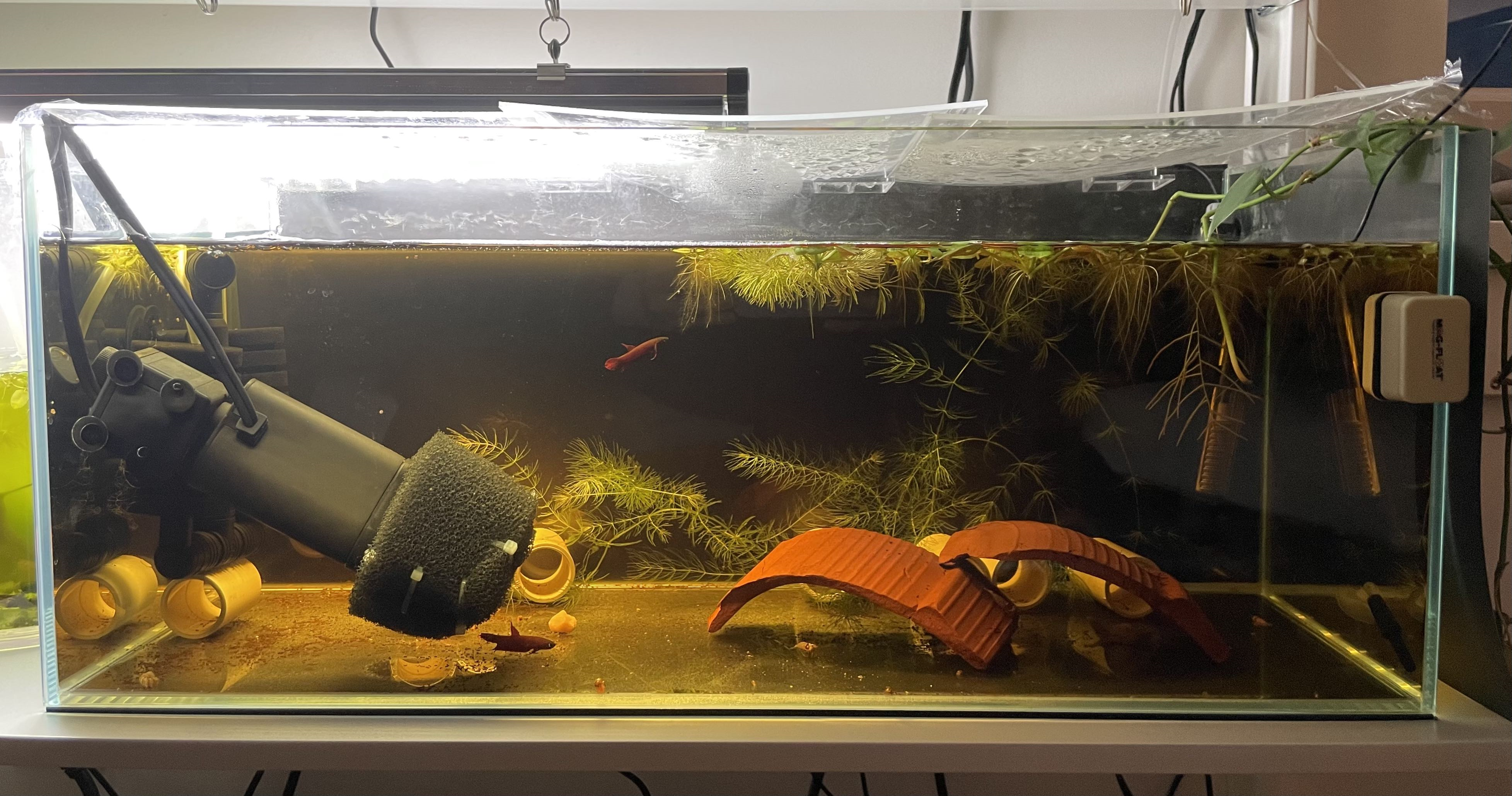
- Garlic can enhance immune function
- Spirulina provides essential nutrients
- Vitamins C and E support overall health
Credit: medium.com
Natural Remedies And Treatments
Parasite prevention in betta fish can be done using natural remedies. These treatments help keep your fish healthy without harsh chemicals.
Using natural methods can reduce stress and improve water quality in your tank. It is important to know when to use medicines if the problem gets worse.
Herbal And Home Remedies
Herbal and home remedies provide gentle care for betta fish. They help fight parasites and support healing.
- Garlic extract added to food can boost the immune system.
- A small amount of Indian almond leaves in the tank helps prevent infections.
- Salt baths using aquarium salt can remove external parasites.
- Neem leaf extract works as a natural parasite repellent.
- Keeping the tank clean reduces parasite risks.
When To Use Medications
Medications are needed if natural remedies do not work. Serious parasite infections require stronger treatment.
| Signs to Use Medication | Recommended Actions |
| Persistent itching and rubbing | Use antiparasitic medicines as directed |
| Visible spots or worms | Apply prescribed parasite treatments |
| Loss of appetite or lethargy | Consult a vet for proper medicine |
| Rapid spread of symptoms | Isolate fish and treat quickly |
Recognizing Early Symptoms
Betta fish are popular pets with vibrant colors. They can develop parasites, which can harm them. Recognizing early symptoms helps in treating them quickly.
Being aware of changes in your betta’s behavior or appearance is important. Early detection can prevent serious health issues.
Behavioral Changes
Watch for unusual behavior in your betta. This can be a sign of parasites. Parasites can cause stress and discomfort.
Your betta might hide more often or become less active. It might also stop eating or show aggression.
- Increased hiding or resting at the bottom
- Loss of appetite
- Increased aggression or lethargy
Physical Indicators
Physical signs are also important to recognize. These can include changes in the betta’s appearance.
Look for spots, discoloration, or clamped fins. These can indicate a parasite infection.
- White spots or patches on the body
- Discoloration of fins or scales
- Clamped fins or rapid gill movement
Credit: www.ebay.com
Preventing Cross-contamination
Cross-contamination spreads parasites among betta fish. It can make your fish sick quickly.
Stopping cross-contamination helps keep your bettas healthy and happy. It protects the whole tank.
Handling Equipment Safely
Use separate tools for each betta tank. This stops parasites from traveling between tanks.
Clean nets, siphons, and containers with hot water after use. Avoid sharing equipment without cleaning.
- Have different nets for each tank
- Rinse tools in hot water or bleach solution
- Dry equipment before using again
- Store tools separately
Avoiding Overcrowding
Too many bettas in one tank increase stress and disease risk. Parasites spread faster in crowded spaces.
Keep only one or two bettas per tank. Make sure the tank size fits the number of fish.
- Use tanks that hold at least 5 gallons per betta
- Give bettas enough space to swim freely
- Watch for signs of stress or illness
- Separate aggressive bettas to prevent injury
Frequently Asked Questions
What Are Common Parasites Affecting Betta Fish?
Common Betta parasites include ich, velvet, anchor worms, and flukes. These parasites cause stress, illness, and sometimes death. Early detection is crucial to effective treatment and prevention.
How Can I Prevent Parasites In My Betta Fish?
Maintain clean water, avoid overfeeding, quarantine new fish, and regularly inspect your Betta. Proper tank hygiene and balanced diet reduce parasite risks significantly.
What Symptoms Indicate Parasite Infection In Bettas?
Look for clamped fins, white spots, scratching, lethargy, and loss of appetite. These signs often signal parasitic infections requiring prompt care.
Can Quarantine Help In Betta Parasite Prevention?
Yes, quarantining new fish for 2-4 weeks prevents introducing parasites. It isolates potential carriers, protecting your main tank from infections.
Conclusion
Keeping your Betta fish healthy means stopping parasites early. Clean water and regular tank checks help a lot. Feeding good food and not overcrowding the tank also protect your fish. Watch your Betta closely for any signs of illness. Acting fast can save your fish from serious harm.
Simple care steps make a big difference in parasite prevention. Your Betta will stay happy and strong with steady attention. Small efforts today avoid big problems tomorrow. Protect your fish with care you can trust.