
Are you fascinated by the colorful world of dwarf cichlids but find it tricky to tell one species from another? You’re not alone.
These small yet stunning fish come in many varieties, each with unique colors and behaviors that can easily confuse even experienced hobbyists. Knowing how to identify dwarf cichlids correctly can make a big difference in caring for them and creating the perfect aquarium environment.
Keep reading, and you’ll discover simple tips and key features that will help you recognize your dwarf cichlids with confidence every time.
Types Of Dwarf Cichlids
Dwarf cichlids are small, colorful fish popular in home aquariums. They come in many types with different shapes and colors.
Knowing the types helps hobbyists choose the right fish for their tanks. This guide covers popular species, rare varieties, and color variations.
Popular Species
Several dwarf cichlid species are common and easy to find. These species adapt well to home aquariums and are known for their behavior and appearance.
- Apistogramma cacatuoides – Known for its bright colors and fin shapes.
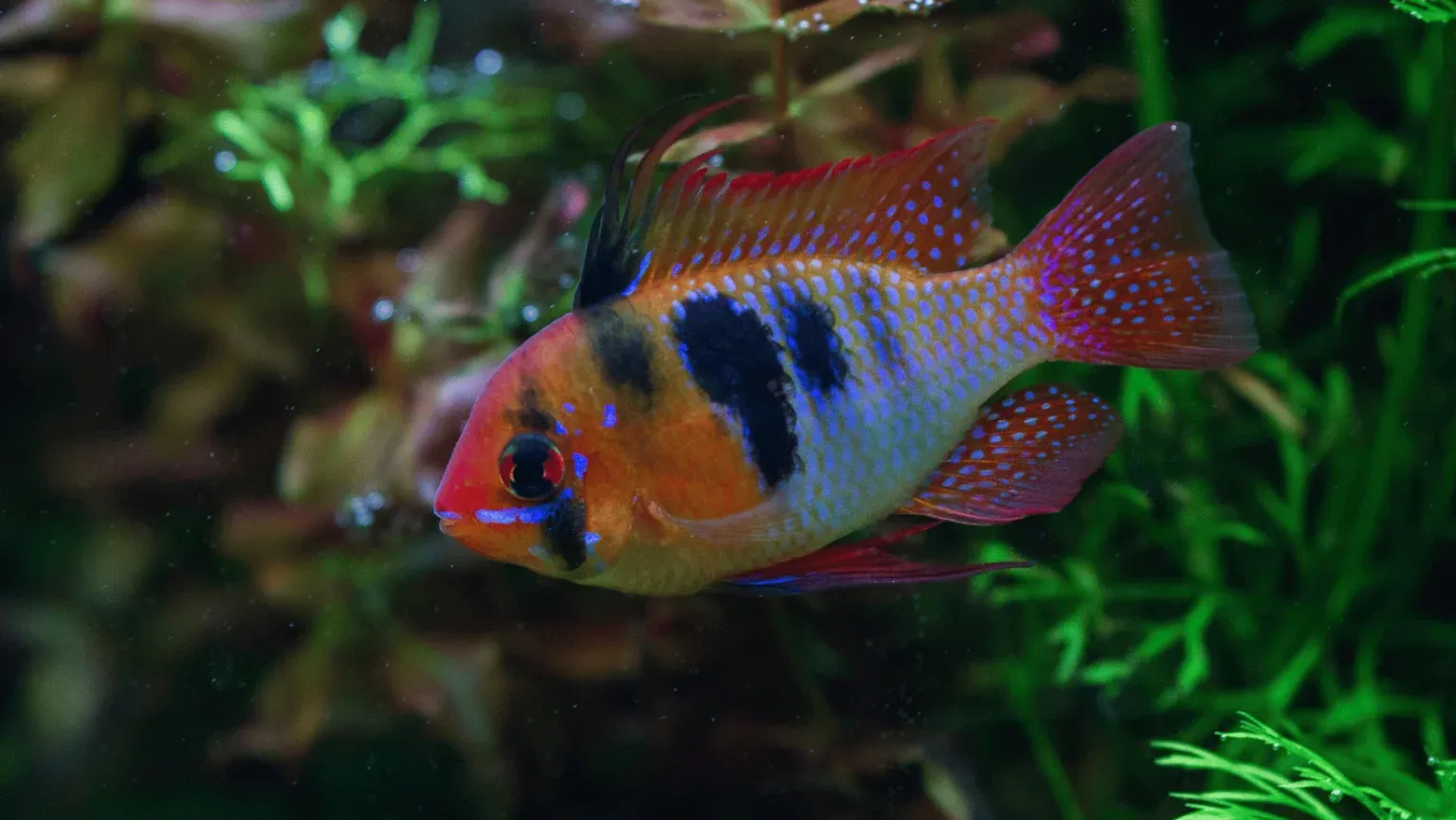
- Ram cichlid (Mikrogeophagus ramirezi) – Small and vibrant with a peaceful nature.
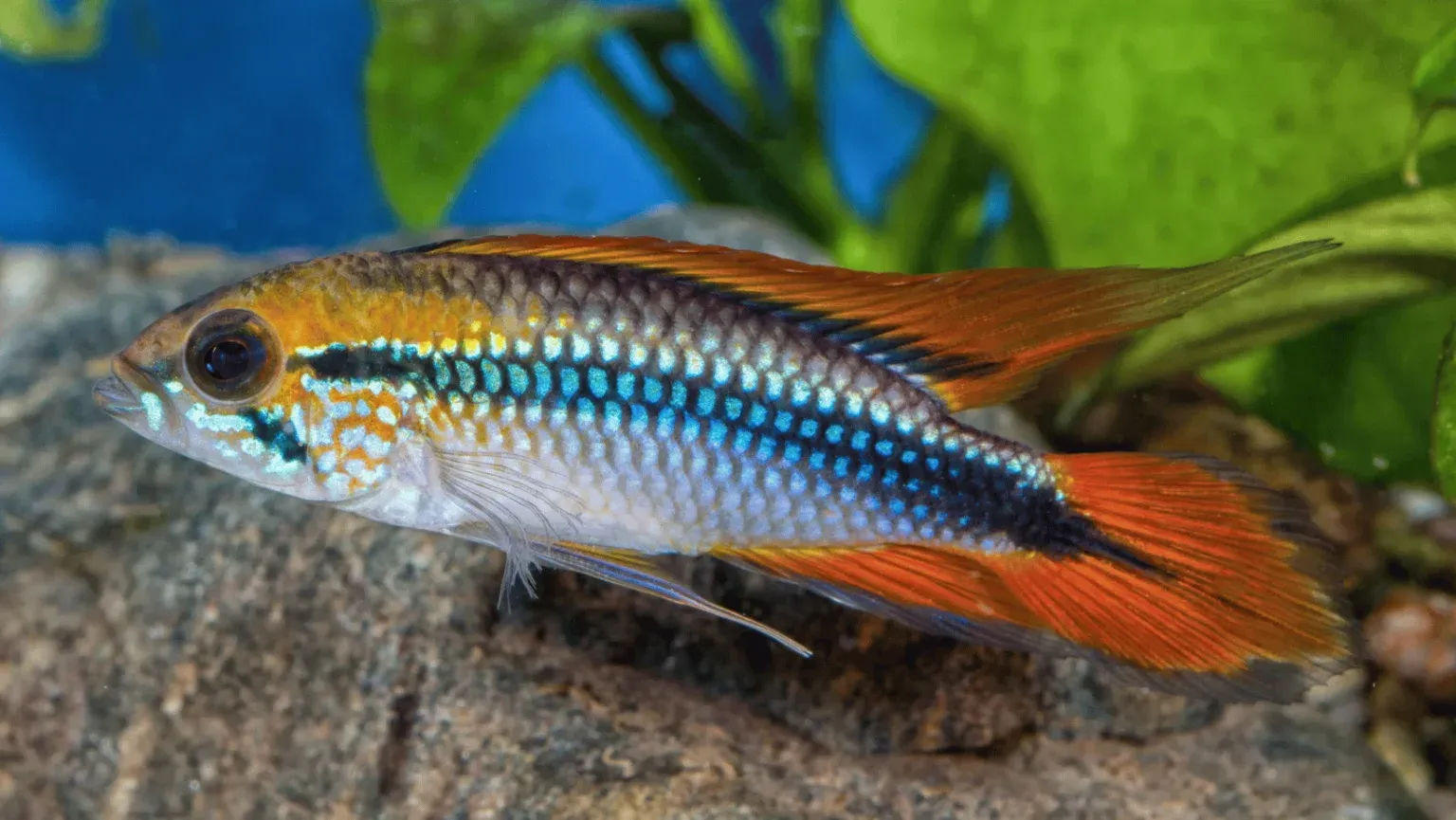
- Apistogramma agassizii – Features strong colors and complex patterns.
- Pelvicachromis pulcher (Kribensis) – Popular for its red and yellow hues.
Rare Varieties
Some dwarf cichlids are rare due to their natural habitat or breeding difficulty. These types attract collectors and experts.
| Species | Origin | Notes |
| Apistogramma bitaeniata | South America | Shy and requires soft water |
| Apistogramma nijsseni | Amazon Basin | Striking blue coloration |
| Laetacara dorsigera | Brazil | Less common, peaceful temperament |
| Apistogramma panduro | Peru | Bright yellow and orange colors |
Color Variations
Dwarf cichlids display many color patterns. These colors change with mood, breeding, and environment.
| Color Type | Description |
|---|---|
| Blue | Light to deep blue shades, common in many species |
| Red | Bright red highlights on fins or body |
| Yellow | Soft to vivid yellow tones on body or fins |
| Orange | Warm orange blends often mixed with red or yellow |
| Striped | Dark vertical or horizontal stripes over base colors |
| Spotted | Small dots or spots scattered on body and fins |
Physical Traits To Note
Dwarf cichlids are small, colorful fish popular in home aquariums. Knowing their physical traits helps in identifying them correctly.
This guide covers key features like body shape, fin structure, and color patterns to watch for.
Body Shape And Size
Dwarf cichlids have compact bodies that are oval or slightly elongated. They usually grow between 2 to 4 inches long.
Their small size helps distinguish them from larger cichlid species in the same aquarium.
- Length: 2 to 4 inches
- Shape: Oval or elongated
- Compact and small compared to other cichlids
Fin Structure
Dwarf cichlids have well-developed fins that vary in shape. Their dorsal fin often runs along most of their back.
The fins can be pointed or rounded, and males usually have longer, more elaborate fins than females.
- Dorsal fin: Long and continuous
- Anal fin: Smaller but well-shaped
- Tail fin: Rounded or slightly forked
- Males often show longer fins
Color Patterns
Color patterns help identify dwarf cichlid species. They often have bright colors and distinct markings.
Patterns include spots, stripes, or bands, which differ by species and sex.
- Common colors: Blue, red, yellow, green
- Markings: Spots, stripes, or bands
- Males usually have brighter colors
- Colors can change with mood or breeding
Behavioral Clues
Dwarf cichlids show unique behaviors that help identify their species. Watching how they act gives clues about their type. These behaviors include territory defense, social actions, and breeding habits.
Understanding these habits helps hobbyists care for them better. It also makes it easier to spot differences between similar-looking fish.
Territorial Habits
Dwarf cichlids often guard small areas. They mark and defend these spaces from others. Their territory size depends on the species and tank size. Watching their movements helps identify which species is present.
- Some species claim caves or hiding spots as their territory.
- Others patrol flat rocks or open spaces.
- They may chase away fish that come too close.
- Territorial displays include flaring fins and bright colors.
Social Interactions
Dwarf cichlids show varied social behavior. Some live in pairs, while others form small groups. Their interaction style helps tell species apart. Observing how they communicate can give clear identification clues.
| Species | Social Style | Common Behavior |
| Apistogramma | Pairs or small groups | Gentle chasing and fin displays |
| Pelvicachromis | Pairs | Close swimming and mutual cleaning |
| Ram Cichlids | Small groups | Frequent body rubbing and soft displays |
Breeding Behavior
Breeding behavior offers strong clues for identification. Different dwarf cichlids have unique courtship and parenting styles. Watching these can help confirm species.
Common breeding behaviors include:
- Building nests or using caves for egg laying
- Male displays to attract females, like color changes
- Both parents guarding and caring for eggs and fry
- Some species show mouthbrooding, holding eggs in the mouth
Credit: aquadecorbackgrounds.com
Habitat Preferences
Dwarf cichlids live in small, calm waters. They need specific places to feel safe.
Knowing their habitat helps you create a good home for them.
Water Conditions
Dwarf cichlids prefer soft and slightly acidic water. Keep the temperature steady for their health.
- Temperature: 75-82°F (24-28°C)
- pH: 6.0 to 7.0
- Water hardness: 1-10 dGH
- Low nitrate levels
- Good water flow but not strong currents
Tank Setup
Set up the tank with hiding spots and soft substrate. Use plants and rocks for shelter.
| Tank Element | Recommendation |
| Substrate | Sand or fine gravel |
| Plants | Live plants like Java moss and Anubias |
| Decor | Rocks, caves, and driftwood |
| Lighting | Low to moderate |
| Tank Size | Minimum 20 gallons for pairs |
Natural Environment
In the wild, dwarf cichlids live in slow-moving streams and small rivers. They hide among plants and leaf litter.
Common features of their natural habitat include:
- Leaf-covered riverbeds
- Shaded areas with low light
- Calm, shallow waters
- Plentiful hiding spots
- Stable water temperature
Common Identification Mistakes
Identifying dwarf cichlids can be tricky for many hobbyists. Mistakes often happen because of subtle differences in the fish.
Understanding common errors helps you spot the right species and care for them properly.
Misreading Colors
Many dwarf cichlids have similar color patterns that change with light or mood. This can confuse beginners.
Colors may fade or brighten during breeding or stress, making identification harder.
- Do not rely on color alone to identify species.
- Check other features like fin shape and body markings.
- Observe the fish in calm conditions for better color accuracy.
Overlooking Size Differences
Size varies among dwarf cichlid species but is often ignored. Some look alike but differ in length or body shape.
Young fish also change size as they grow, which can cause misidentification.
- Measure adult fish size when possible.
- Compare body proportions, not just length.
- Remember that males may be larger than females.
Ignoring Behavior
Behavior helps tell dwarf cichlids apart. Some species are shy, while others are bold or aggressive.
Ignoring behavior leads to wrong ID and poor tank matches.
- Watch how the fish interact with tank mates.
- Note their preferred hiding spots and swimming style.
- Observe breeding habits if possible.
Credit: aquadecorbackgrounds.com
Tools For Identification
Identifying dwarf cichlids can be fun and rewarding. Use the right tools to make it easier.
These tools help you learn more about the unique features of dwarf cichlids.
Photography Tips
Clear photos help in identifying cichlids. Use a good camera with macro settings.
Natural lighting makes colors vibrant. Avoid flash to reduce glare.
- Use a tripod for steady shots
- Focus on the fish’s side profile
- Take multiple shots for better selection
Reference Guides
Books and guides provide detailed information. They offer pictures and descriptions.
Look for guides with updated classifications. Older guides may have outdated names.
- “Dwarf Cichlids: A Complete Guide”
- “The New Cichlid Handbook”
- “Cichlids of the World”
Online Communities
Join online groups to share and learn. Members often have valuable insights.
Forums and social media groups can help identify your cichlids quickly.
- Check out “Cichlid Forums” for discussions
- Join Facebook groups like “Dwarf Cichlid Enthusiasts”
- Use Reddit’s “Aquariums” community for tips
Credit: www.cichlid-forum.com
Frequently Asked Questions
What Are Key Features Of Dwarf Cichlids?
Dwarf cichlids are small, colorful fish with unique patterns. They have compact bodies, vibrant colors, and distinct fin shapes. Identifying these features helps distinguish species easily. They are popular in home aquariums due to their size and appearance.
How To Differentiate Dwarf Cichlid Species?
Look for differences in color, size, and fin shape. Habitat and behavior also aid identification. Some species have unique markings or color patterns. Observing these traits closely helps in accurate species recognition.
Where Do Dwarf Cichlids Naturally Live?
Dwarf cichlids are native to South and Central America. They inhabit slow-moving rivers, streams, and flooded forest areas. Knowing their natural habitat helps replicate ideal aquarium conditions.
What Is The Average Size Of Dwarf Cichlids?
Dwarf cichlids typically grow between 2 to 4 inches in length. Size varies depending on species and environmental factors. Their small size makes them suitable for smaller aquariums.
Conclusion
Dwarf cichlids bring color and life to any aquarium. Knowing how to identify them helps you care for them better. Each species has unique colors and shapes to recognize. Watching their behavior can also guide identification. Take time to learn their traits and needs.
This knowledge makes fishkeeping more fun and rewarding. Enjoy the beauty and charm of dwarf cichlids in your tank. Keep exploring to become more confident in identifying them. Your aquarium will thank you with happy, healthy fish.