
If you keep angelfish, you know how important it is to create the perfect environment for them to thrive. One key factor that often gets overlooked is the pH level of your aquarium water.
Getting the right pH balance can mean the difference between a healthy, vibrant angelfish and one that struggles to survive. In this guide, you’ll discover exactly what pH range your angelfish need, how to test your water accurately, and simple steps you can take to keep that balance just right.
Keep reading to learn how to make your aquarium a safe and comfortable home for your beautiful fish.
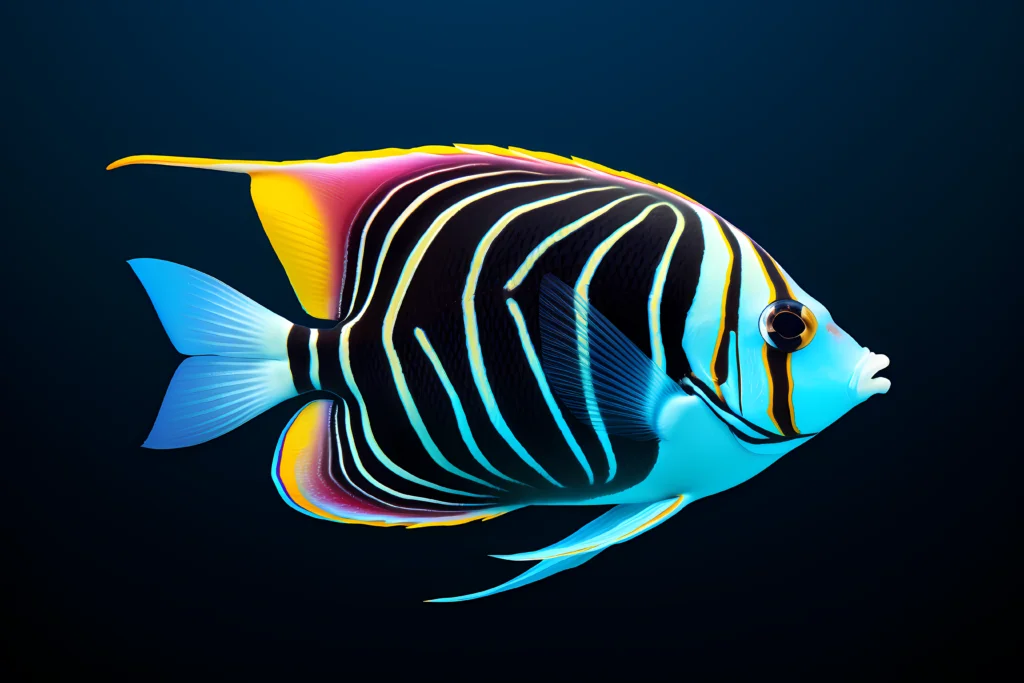
Credit: emaarakvaryum.com
Ideal Ph Range For Angelfish
Angelfish need the right pH level in their water to stay healthy. pH measures how acidic or basic the water is.
Keeping the pH in the ideal range helps angelfish grow and live longer. Let’s learn about their natural water and why pH matters.
Natural Habitat Ph Levels
Angelfish come from slow-moving waters in the Amazon Basin. These waters usually have soft, slightly acidic water.
- The natural pH range is between 6.0 and 7.0.
- Water is often soft with low mineral content.
- Plants and leaf litter lower the pH naturally.
- Stable pH helps angelfish feel safe and thrive.
Why Ph Matters For Angelfish Health
| pH Level | Effect on Angelfish |
|---|---|
| Below 6.0 | Too acidic, can stress fish and harm gills |
| 6.0 to 7.0 | Ideal range, supports good health and color |
| Above 7.0 | Too basic, may cause illness and poor growth |
Keep pH steady. Sudden changes can shock angelfish and cause health problems.
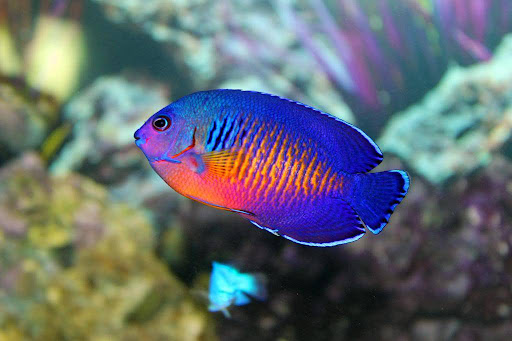
Credit: saltwateraquariumworld.com
Common Ph Problems In Aquariums
Maintaining the right pH in your angelfish tank is very important. pH measures how acidic or basic the water is.
Many aquarium owners face problems when the pH level is too low or too high. These problems can harm your fish.
Effects Of Low Ph
Low pH means the water is too acidic. This can stress angelfish and other aquarium animals.
Acidic water can cause breathing problems and damage fish skin and gills.
- Fish may become lethargic and lose appetite
- Breathing becomes difficult due to gill damage
- Increased risk of infections and disease
- Damage to beneficial bacteria in the tank
- Corrosion of tank equipment and decorations
Effects Of High Ph
High pH means the water is too basic. This can also cause stress to angelfish and other tank life.
Basic water can cause skin irritation and make fish more sensitive to toxins.
- Fish may show signs of stress and unusual behavior
- Difficulty in breathing due to gill irritation
- Increased ammonia toxicity, which is harmful
- Poor growth and weakened immune system
- Problems with plant growth in the aquarium
Testing Your Aquarium Ph
Maintaining the right pH in your angelfish aquarium is very important. pH affects fish health and water quality.
Regular testing helps you keep the water safe and comfortable for your angelfish.
Choosing The Right Test Kit
Pick a test kit that is easy to use and gives clear results. Liquid test kits and test strips are common choices.
Check if the kit covers the pH range for freshwater aquariums, usually 6.0 to 8.0.
- Liquid test kits offer accurate color comparison
- Test strips are fast and simple
- Digital meters give precise readings but cost more
- Choose kits with clear instructions and color charts
How To Test Ph Accurately
Use clean containers and collect water from the aquarium’s middle area. Avoid surface water for best results.
Follow the test kit instructions carefully. Compare colors in good lighting to get the right pH value.
- Rinse test tubes before use
- Use fresh water samples each time
- Record pH readings regularly to track changes
- Test at the same time of day for consistency

Credit: petmedaily.com
Adjusting Ph Safely
Maintaining the right pH level is key for angelfish health. Sudden changes can stress your fish. Safe adjustments help keep your aquarium stable and healthy.
Use careful methods to adjust the pH. Test water regularly and make changes slowly. This guide covers safe ways to manage pH levels.
Using Ph Buffers
pH buffers help keep water stable by resisting pH changes. Use them to gently raise or lower pH without shocks. Always follow product instructions.
- Choose buffers made for freshwater tanks
- Add small amounts gradually
- Test water after each addition
- Avoid overdosing to prevent harm
- Keep records of pH changes
Natural Methods To Modify Ph
Natural methods adjust pH with fewer chemicals. These methods create a healthy environment for angelfish and plants.
| Method | Effect on pH | Notes |
| Adding driftwood | Lowers pH | Releases tannins slowly |
| Using crushed coral | Raises pH | Buffers acidity |
| Peat moss in filter | Lowers pH | Softens water |
| Water changes with RO water | Adjusts pH | Mix with tap water to balance |
Avoiding Sudden Ph Changes
Sudden pH swings stress angelfish. Prevent this by making slow, steady changes. Watch your fish for signs of stress.
- Test water pH daily during changes
- Add pH adjusters in small doses
- Wait 24 hours before next adjustment
- Keep water temperature and chemistry stable
- Do partial water changes to dilute pH shifts
Maintaining Stable Water Conditions
Keeping water stable is very important for angelfish health. Sudden changes in water can stress your fish.
Stable water helps angelfish live longer and stay active. You must watch water conditions carefully.
Regular Water Changes
Change part of the water often to keep it clean. This removes waste and harmful chemicals.
Try to change 20-25% of the water every week. Use water that matches the tank’s temperature and pH.
- Use a siphon to remove debris from the tank bottom
- Replace water slowly to avoid stressing fish
- Test water before adding it to the tank
Monitoring Other Water Parameters
Check ammonia, nitrite, nitrate, and temperature regularly. These affect fish health too.
Keep ammonia and nitrite at zero. Nitrate should stay below 20 ppm for angelfish.
- Test water weekly with a reliable test kit
- Keep temperature steady between 76°F and 82°F (24°C to 28°C)
- Adjust as needed to keep fish comfortable
Proper Filtration And Aeration
Use a good filter to clean water and remove waste. This helps keep water clear and safe.
Aeration adds oxygen to the water. Angelfish need enough oxygen to breathe well.
- Choose a filter that fits your tank size
- Clean or replace filter media regularly
- Use an air pump or bubbler for extra oxygen
Signs Of Ph Stress In Angelfish
Angelfish are sensitive to changes in water pH levels. Maintaining the right pH is crucial for their health. When the pH is off, angelfish can show signs of stress.
Recognizing these signs early can help you correct the pH and keep your fish healthy. Below are some common signs of pH stress in angelfish.
Behavioral Changes
Angelfish may behave differently when stressed by pH levels. Their actions can tell you if something is wrong in the water.
- Swimming erratically or in circles
- Hiding more than usual
- Refusing to eat
- Becoming more aggressive
Physical Symptoms
Physical signs can also indicate pH stress in angelfish. It’s important to check for these symptoms regularly.
- Faded or dull colors
- Clamped fins
- Red streaks or spots on the body
- Rapid gill movement
Tips For Long-term Ph Balance
Maintaining a stable pH level is crucial for angelfish health. A consistent environment helps them thrive. Here’s how you can keep the pH balanced over time.
Consistent Testing Routine
Regular testing of your tank’s pH is essential. It helps you catch any changes early. Use a reliable pH test kit to monitor the levels weekly.
- Test the pH level at the same time each day
- Record the results to track any fluctuations
- Ensure your test kit is not expired
Adjusting Tank Environment
The tank environment plays a big role in pH balance. Use natural decorations like driftwood and rocks to stabilize the pH. Be careful with artificial items that might alter the pH.
- Use live plants to help maintain balance
- Avoid over-cleaning which may disturb the natural balance
- Monitor water temperature as it can affect pH
Balancing Diet And Habitat
A balanced diet supports healthy pH levels. Feed your angelfish a varied diet to keep them healthy. Make sure the food does not alter the tank’s chemistry.
- Feed a mix of flakes, pellets, and live food
- Avoid overfeeding to prevent waste buildup
- Remove uneaten food to keep water clean
Frequently Asked Questions
What Is The Ideal Ph For Angelfish Tank Water?
Angelfish thrive best in water with a pH between 6. 8 and 7. 8. Maintaining this range ensures their health and vibrant colors.
How Often Should I Test Angelfish Tank Ph Levels?
Test your angelfish tank pH at least once a week. Frequent checks help detect harmful changes early and maintain stable water conditions.
What Causes Ph Fluctuations In Angelfish Tanks?
PH changes can result from overfeeding, decaying plants, or improper filtration. Regular maintenance and water changes help prevent sudden pH shifts.
How Can I Safely Adjust Angelfish Tank Ph?
Use aquarium-safe pH buffers or natural additives like driftwood. Adjust pH gradually to avoid stressing your angelfish and maintain tank stability.
Conclusion
Maintaining the right pH helps keep angelfish healthy and happy. Test the water often to catch changes early. Use gentle products to adjust pH safely. A stable environment means your fish will thrive. Remember, small steps make a big difference.
Keep learning about your angelfish’s needs for best care. Enjoy watching your beautiful fish grow strong every day.