
If you own a Molly fish, you know how vibrant and lively they can be. But keeping your Molly healthy isn’t always easy.
You want your fish to swim happily and live a long life, right? That’s exactly why you need to understand the simple steps to maintain Molly fry health. You’ll discover easy tips that anyone can follow to give your Molly fry the best start in life.
Ready to keep your fish thriving? Let’s dive in and make sure your Molly fry stay strong and healthy every day.
Credit: www.aquariumsource.com
Choosing The Right Tank
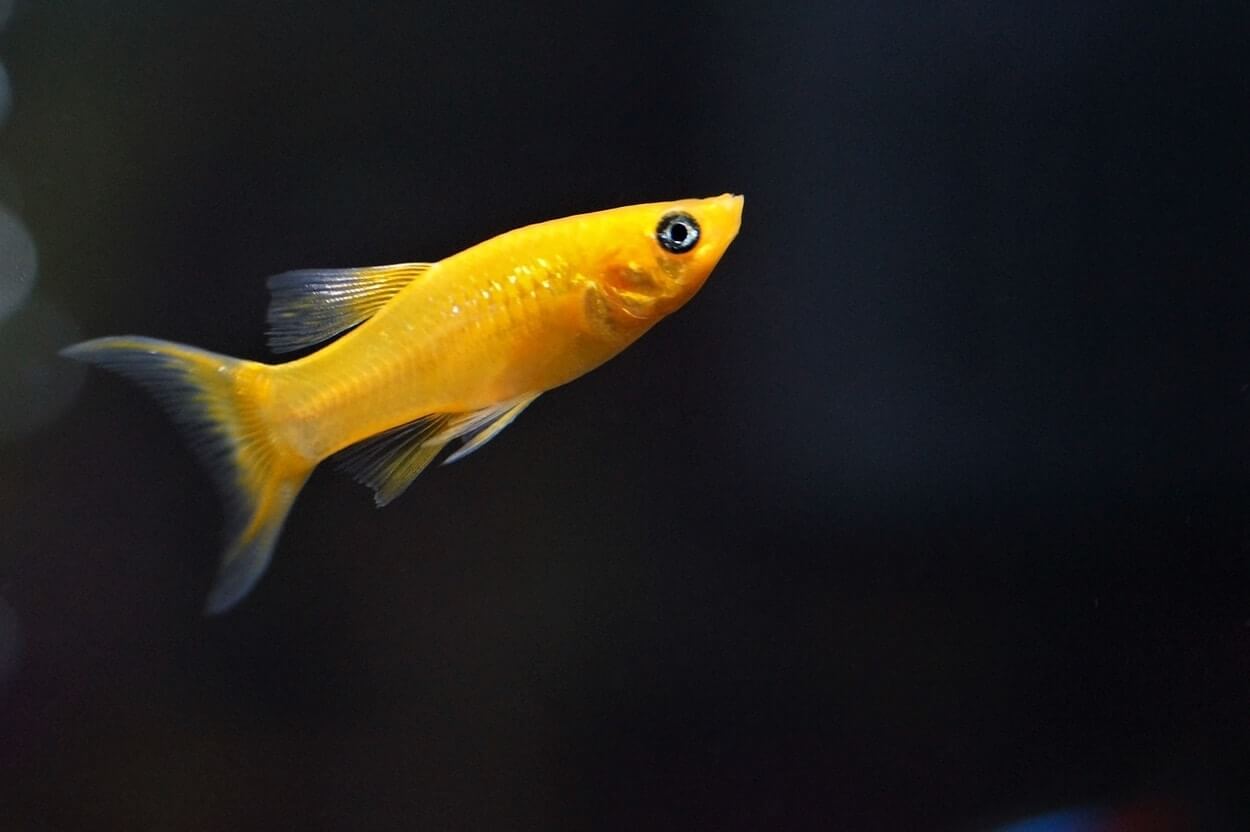
Mollies need a proper tank to stay healthy and active. Picking the right tank helps them grow well.
A good tank keeps the water clean and safe for mollies. It also gives them space to swim freely.
Tank Size And Setup
Mollies need enough room to swim and explore. A small tank can cause stress and health problems.
Choose a tank that holds at least 20 gallons for a small group of mollies. Add plants and hiding spots.
- Minimum tank size: 20 gallons
- Use a filter to keep water clean
- Add live plants for shelter and oxygen
- Include smooth gravel or sand as substrate
- Keep tank covered to prevent jumping
Water Parameters For Mollies
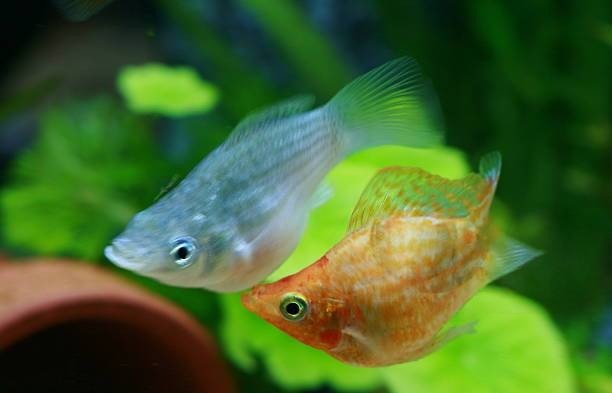
Mollies live best in certain water conditions. Keeping the right water parameters is key to their health.
Check the water temperature, pH, and hardness regularly. Use a water test kit for accuracy.
| Parameter | Ideal Range |
|---|---|
| Temperature | 72°F to 78°F (22°C to 26°C) |
| pH Level | 7.5 to 8.5 |
| Water Hardness | 10 to 25 dGH (degrees of General Hardness) |
Credit: intanaquariumfeeds.com
Feeding Your Molly
Feeding your Molly fish properly keeps them healthy and active. Good food helps them grow and show bright colors.
Learn what types of food to give and how often to feed your Molly.
Balanced Diet Options
Mollies need a mix of foods to stay healthy. They eat plants and small insects in the wild.
Give them high-quality flake food made for tropical fish. Add fresh vegetables and live or frozen foods.
- High-quality tropical fish flakes or pellets
- Blanched vegetables like zucchini or spinach
- Live or frozen brine shrimp and bloodworms
- Algae wafers for extra plant nutrition
Feeding Frequency And Portions
Feed your Mollies small amounts two to three times daily. Overfeeding causes water problems and illness.
Offer only what they can eat in about two minutes. Remove leftover food to keep the tank clean.
- Feed 2-3 times each day
- Give small portions at each feeding
- Watch them eat and stop if food remains
- Remove uneaten food after feeding
Water Quality Management
Keeping water clean is key to a healthy Molly fry tank. Good water quality helps young fish grow strong.
Regular care of water conditions prevents disease and stress in Molly fry. Two main parts are water changes and filtration.
Regular Water Changes
Change some of the tank water often to remove waste and toxins. This keeps the water fresh for Molly fry.
- Remove 20% to 30% of the water every week.
- Use a siphon to clean the gravel while removing water.
- Replace with dechlorinated water at the same temperature.
- Test water parameters before and after water changes.
- Keep changes regular to avoid sudden stress on the fish.
Filtration And Aeration
Filtration removes dirt and harmful chemicals from the water. Aeration adds oxygen, which Molly fry need to breathe.
| Filter Type | Benefit | Notes |
| Sponge Filter | Gentle water flow, safe for fry | Best for small tanks |
| Hang-on-back Filter | Good mechanical and biological filtration | Adjust flow to avoid strong currents |
| Air Pump with Air Stone | Increases oxygen levels | Use with filters for best results |
Preventing Common Diseases
Keeping your Molly fry healthy means watching for signs of sickness. Early detection helps prevent disease spread.
Proper quarantine protects your fish and others from catching infections. Careful handling is key to prevention.
Signs Of Illness
Look closely at your Molly fry for changes. Sick fish act differently and show visible signs.
- Loss of appetite or refusal to eat
- Unusual swimming patterns or lethargy
- Discolored or faded fins and scales
- Clamped fins or frayed edges
- White spots or patches on the body
- Rapid breathing or gasping at the surface
Quarantine Procedures
Always isolate new or sick Molly fry before adding them to your main tank. This step stops diseases from spreading.
| Quarantine Step | Description |
| Duration | Keep fish isolated for at least 2 weeks |
| Tank Setup | Use a separate tank with clean water and aeration |
| Water Quality | Test and maintain stable temperature and pH |
| Observation | Watch for any signs of illness daily |
| Treatment | Apply medicine if any disease signs appear |
Tank Mates And Environment
Keeping your Molly fry healthy means choosing the right tank mates and environment. A calm and safe space helps fry grow strong. Avoid aggressive fish that may harm the young Mollys.
Setting up the tank with proper plants and decorations gives the fry places to hide. This reduces stress and increases their survival chances.
Compatible Fish Species
Choose peaceful fish that do not eat small fry. These species can live with Molly fry without causing harm.
- Small Tetras like Neon Tetras
- Corydoras Catfish
- Guppies
- Snails and Shrimp
- Small Rasboras
Adding Plants And Decorations
Plants and decorations offer shelter and hiding spots. Use live plants that are easy to care for and safe for fry.
| Plant Type | Benefit |
| Java Moss | Great hiding place for fry |
| Anubias | Low light and sturdy leaves |
| Hornwort | Floating cover and oxygenates water |
| Amazon Sword | Large leaves for shade |

Credit: www.aquariumsource.com
Breeding Tips
Breeding Molly fish can be a rewarding experience. Ensuring their health requires attention to specific breeding conditions.
Healthy Molly fry need proper care from the start. This guide helps you create the best environment for them.
Breeding Conditions
Molly fish thrive in clean, warm water. A stable environment encourages breeding. Keep the water temperature between 75-80°F.
Provide plants for hiding spots. These help fry survive. Use a gentle filter to keep the water clean without harming the fry.
- Maintain pH levels between 7.5 and 8.5
- Ensure plenty of space for swimming
- Use a heater to keep water warm
Caring For Fry
Once born, Molly fry need special care. Separate them from adults to prevent them from being eaten. A breeding trap works well for this.
Feed fry small amounts of food. Crushed flakes or special fry food are ideal. Feed them several times a day for the best growth.
| Feeding Schedule | Amount |
| Morning | Small pinch |
| Afternoon | Small pinch |
| Evening | Small pinch |
Frequently Asked Questions
How Often Should I Feed My Molly Fry?
Feed Molly fry small amounts 3-4 times daily. Use finely crushed flakes or specialized fry food. Avoid overfeeding to maintain water quality and promote healthy growth.
What Is The Ideal Water Temperature For Molly Fry?
Keep water temperature between 78°F and 82°F. Stable warmth supports fry metabolism and development. Use a reliable aquarium heater to maintain consistent temperature.
How Can I Prevent Diseases In Molly Fry?
Maintain clean water with regular changes and good filtration. Avoid overcrowding and provide balanced nutrition. Quarantine new fish to prevent introducing diseases.
When Should Molly Fry Be Separated From Adults?
Separate fry after 2-3 weeks or when they grow larger. Adults may eat fry, so isolation ensures safety and better survival rates.
Conclusion
Caring for Molly fry takes simple, regular steps. Feed them well and keep their tank clean. Watch for signs of stress or illness daily. Provide a safe and stable environment always. Small efforts make a big difference in their health.
Enjoy watching your Molly fry grow strong and happy. Consistency is key to a thriving fish community. Keep learning and adapting to their needs. Healthy fish bring joy to any aquarium owner.