
Are you worried about your guppy’s health? Spotting the signs of illness early can save your fish from serious harm.
Understanding guppy disease symptoms and knowing how to treat them is key to keeping your aquarium vibrant and full of life. You’ll discover the most common symptoms to watch for and simple cures that can bring your guppy back to health quickly.
Don’t wait until it’s too late—read on to protect your colorful friends and enjoy a thriving tank every day.
Common Guppy Diseases
Guppies are popular fish that can get sick like other pets. Knowing common diseases helps keep them healthy.
Recognizing symptoms early can save your guppy from serious harm. Here are some common guppy diseases and how to treat them.
Ichthyophthirius (ich)
Ich is a common parasite that causes white spots on guppies. It looks like tiny salt grains on their body and fins.
Guppies with Ich may scratch against objects and breathe fast. The disease spreads quickly in warm water.
- Increase water temperature to 86°F for a few days
- Use Ich treatment medicines from pet stores
- Keep water clean with regular changes
Fin Rot
Fin rot causes guppy fins to look torn and ragged. The edges turn white or red and may shrink.
It happens from bacteria or poor water quality. Stress and injury make it worse.
- Keep tank water clean and warm
- Use antibacterial medicine as directed
- Remove dead plants and debris from tank
Dropsy
Dropsy makes guppies look swollen or bloated. Their scales may stick out like a pinecone.
This disease is a sign of internal infection or organ failure. It is often fatal if untreated.
- Isolate sick fish from others
- Use antibiotic treatments in water
- Keep water very clean and well oxygenated
Swim Bladder Disorder
Swim bladder disorder makes guppies float upside down or sink. They have trouble swimming normally.
It can be caused by overfeeding, constipation, or infection. Changing diet often helps.
- Feed peas or special sinking food
- Do small, frequent feedings
- Check water for pollution or toxins
Velvet Disease
Velvet disease causes a dusty gold or rust color on guppy skin. It makes fish itch and breathe fast.
This disease comes from tiny parasites. It spreads quickly in tanks with poor water quality.
- Dim tank lights during treatment
- Use copper-based medicines safely
- Raise water temperature slightly
Fungal Infections
Fungal infections show as cotton-like growths on guppy skin, fins, or gills. They often follow injury.
Fungus grows in dirty or stressed fish. Early treatment stops spread and saves the fish.
- Remove sick fish to a quarantine tank
- Use antifungal treatments from pet stores
- Keep water clean and well filtered
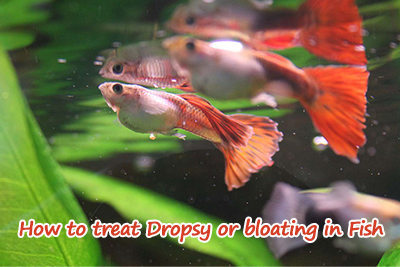
Credit: www.hygger-online.com
Recognizing Disease Symptoms
Guppies can get sick just like other fish. Knowing the signs helps you act fast.
Look closely at your guppy’s behavior and body. Early detection can save their life.
Changes In Behavior
Sick guppies act differently. They may hide more or lose interest in food.
- Less active than usual
- Hiding in corners or plants
- Not eating or spitting out food
- Gasping for air near the water surface
- Rubbing their body against objects
Physical Signs On Body And Fins
Check your guppy’s body and fins for spots, tears, or swelling. These signs can show illness.
| Symptom | Possible Cause |
| White spots | Ich parasite |
| Red or inflamed fins | Fin rot |
| Swollen belly | Bacterial infection |
| Torn or ragged fins | Fighting or infection |
| Fuzzy patches | Fungal infection |
Abnormal Swimming Patterns
Look for odd swimming like spinning, sinking, or floating oddly. These can show illness or injury.
- Swimming in circles
- Floating upside down or sideways
- Difficulty staying upright
- Slow or weak swimming
- Staying at the tank bottom
Color And Scale Alterations
Sick guppies may lose color or have raised scales. Watch for dull or faded skin.
Signs of Color and Scale Problems:
- Colors become pale or faded
- Scales stick out like pine cones
- Black spots appear on the skin
- Skin looks cloudy or slimy
Preventing Guppy Illness
Guppies are small fish that need care to stay healthy. Preventing illness keeps them lively and colorful.
Good habits in tank care can stop many diseases. Learn simple ways to protect your guppies.
Water Quality Maintenance
Clean water is very important for guppy health. Dirty water causes stress and disease in fish.
Test the water often for ammonia, nitrites, and nitrates. Keep these levels very low to avoid problems.
- Change 20% of the water weekly
- Use a good filter to remove waste
- Keep water temperature steady around 74-78°F (23-26°C)
- Remove leftover food to avoid decay
Proper Tank Setup
A well-set tank gives guppies a safe home. It reduces stress and stops illness from spreading.
Use a tank size that fits how many guppies you have. Avoid overcrowding to keep water clean and fish calm.
- Provide hiding spots with plants or decorations
- Use gentle lighting to mimic natural day and night
- Keep the tank covered to prevent fish from jumping out
- Ensure good water flow without strong currents
Balanced Diet
Healthy food helps guppies fight disease. Feed them varied and nutritious meals every day.
Give small amounts of food two times a day. Remove uneaten food to keep water clean.
- Use high-quality flake or pellet food made for tropical fish
- Add frozen or live foods like brine shrimp or bloodworms
- Include vegetable matter like blanched spinach or peas
- Avoid overfeeding to prevent water pollution
Quarantine Practices
New fish may carry diseases that can harm your guppies. Quarantine helps stop illness before it spreads.
Keep new fish separate in a small tank for two weeks. Watch for signs of sickness before adding them to the main tank.
- Check for spots, clamped fins, or strange swimming
- Test water quality in the quarantine tank
- Do water changes regularly during quarantine
- Treat any sick fish before moving them to the main tank
Effective Treatment Options
Guppy disease can harm your fish quickly. Early treatment helps them recover faster.
Knowing the right treatments improves your guppies’ health. Use safe and tested methods.
Medications For Common Diseases
Many guppy diseases respond well to medications. Choose drugs based on symptoms.
Common medicines include anti-parasitic, antibacterial, and antifungal treatments.
- Anti-parasitic: treats Ich and flukes
- Antibacterial: fights fin rot and dropsy
- Antifungal: cures fungal infections
Natural Remedies
Natural remedies can support guppy health gently. They reduce stress and boost immunity.
Adding aquarium salt or using herbal extracts helps fight mild infections.
- Aquarium salt: improves gill function and kills parasites
- Neem leaf extract: natural antifungal and antibacterial
- Garlic: boosts fish immune system
Adjusting Water Parameters
Healthy water is key to curing guppy disease. Check temperature, pH, and cleanliness.
Keep water stable and clean. Poor water stresses fish and worsens illness.
- Temperature: 72-82°F (22-28°C) suits guppies
- pH: maintain 6.8 to 7.8 for best health
- Remove waste and do regular water changes
When To Seek Expert Help
If guppies don’t improve in a few days, ask a fish expert. Serious diseases need special care.
Experts can diagnose tricky problems and suggest strong treatments safely.
- Persistent symptoms after medication
- Severe fin damage or skin ulcers
- Fish behavior is very abnormal
Post-treatment Care
After treating guppy diseases, care is important to help fish recover fully. Proper care stops illness from coming back.
This guide covers how to watch your fish, avoid relapse, and keep the tank clean.
Monitoring Recovery
Watch your guppies daily for signs of improvement. Healthy fish swim actively and eat well. Check fins and scales for damage or spots.
If you see any new symptoms, act quickly to adjust treatment or water conditions.
Preventing Relapse
- Keep stress low by avoiding sudden changes in water or light.
- Feed a balanced diet to boost fish immunity.
- Quarantine new fish before adding them to the tank.
- Maintain stable water temperature and quality.
Following these steps helps stop disease from returning to your guppies.
Tank Cleaning And Maintenance
| Task | Frequency | Notes |
| Water change | Weekly | Change 20-30% of water to keep it clean |
| Remove debris | Daily | Take out uneaten food and waste |
| Filter check | Weekly | Clean filter media gently to avoid killing good bacteria |
| Tank glass cleaning | Weekly | Use algae scraper to clear glass inside |

Credit: jungleaquatics.com
Tips For Long-term Guppy Health
Guppies are popular aquarium fish known for their vibrant colors. Keeping them healthy requires attention and care.
Following these tips can ensure your guppies thrive in their environment. Let’s explore some essential care practices.
Regular Health Checks
Conducting regular health checks helps in early detection of diseases. Observe your guppies for any signs of stress or illness.
- Check for changes in color or spots
- Observe swimming patterns
- Look for signs of fin rot
Stress Reduction Techniques
Minimizing stress is crucial for guppy health. Stress can lead to diseases and affect their lifespan.
| Technique | Benefit |
| Stable water temperature | Prevents shock |
| Adequate hiding spots | Reduces anxiety |
| Consistent lighting | Regulates their day/night cycle |
Compatible Tank Mates
Choosing the right tank mates is important for a peaceful aquarium. Some fish can be aggressive towards guppies.
Opt for peaceful fish like neon tetras or corydoras catfish. Avoid aggressive species to maintain harmony in the tank.
Optimizing Feeding Practices
Proper feeding ensures your guppies get the nutrients they need. Overfeeding or underfeeding can cause health issues.
- Feed small amounts twice daily
- Include a variety of foods
- Remove uneaten food to maintain water quality

Credit: jungleaquatics.com
Frequently Asked Questions
What Are Common Guppy Disease Symptoms To Watch For?
Common symptoms include faded colors, clamped fins, lethargy, and white spots. Watch for rapid breathing or unusual swimming patterns. These signs indicate potential infections or parasites affecting guppies.
How Can I Cure White Spot Disease In Guppies?
Treat white spot disease using aquarium salt and anti-parasitic medications. Increase water temperature slightly to speed up parasite lifecycle. Maintain clean water and quarantine affected fish to prevent spread.
What Causes Guppy Fin Rot And How To Treat It?
Fin rot is caused by bacterial infection, often from poor water quality. Treat with antibiotics and improve tank cleanliness. Regular water changes and stress reduction help prevent fin rot recurrence.
How Do I Prevent Guppy Diseases Effectively?
Maintain stable water conditions, perform regular tank cleaning, and avoid overcrowding. Feed high-quality food and quarantine new fish. These practices reduce stress and minimize disease risks.
Conclusion
Healthy guppies need clean water and good care. Watch for signs like spots, clamped fins, or strange swimming. Early action can stop disease from spreading fast. Treating guppy illness quickly helps them heal well. Keep their tank clean and check water often.
A happy guppy lives longer and looks bright. Take time to learn about common guppy diseases. This knowledge makes caring for your fish easier. Small steps protect your guppy’s health every day.