
If you keep discus fish, you know how important it is to create a safe space for your tiny fry. But have you ever wondered where your discus fry like to hide?
Finding the perfect hiding spots can make all the difference in their survival and growth. You’ll discover the best places your discus fry naturally seek out and how you can set up your tank to keep them safe and thriving.
Keep reading to unlock simple tips that will help your little discus feel secure and grow strong.
Why Discus Fry Need Hiding Spots
Discus fry are very small and weak after hatching. They need special spots to hide and stay safe. Hiding places help them survive in their first weeks.
Without safe spots, fry face many dangers in the aquarium. These dangers can cause many losses among young fish.
Vulnerability Of Fry
Discus fry are fragile and easy to scare. They cannot swim well at first. This makes them targets for bigger fish. Fry also get stressed if they have no place to hide.
- Small size makes them easy prey
- Weak swimming skills limit escape
- Stress lowers their immune system
- Open spaces increase risk of attacks
Benefits Of Safe Spaces
| Benefit | Effect on Fry |
| Protection from predators | Reduces attacks and deaths |
| Lower stress levels | Improves growth and health |
| Safe resting spots | Allows energy recovery |
| Better survival rates | Increases fry population |
Providing hiding spots like plants, caves, or driftwood helps fry feel safe. These areas let them rest and grow strong. Safe spaces also make it easier for parents to protect their young.
Ideal Aquarium Areas For Fry Hiding
Discus fry need safe spots to hide and grow in an aquarium. Hiding places help them feel secure. They also protect fry from strong currents and other fish.
Choosing the right areas for hiding supports healthy fry development. Here are the best places to create safe spaces for discus fry.
Dense Plant Cover
Thick plants offer natural shelter and shade for discus fry. Plants slow water flow and provide surfaces for fry to rest. They also help reduce stress by hiding fry from view.
- Java moss and floating plants create good cover
- Leafy plants like Amazon sword work well
- Plant clusters near the bottom for best protection
- Use live plants to improve water quality
Caves And Crevices
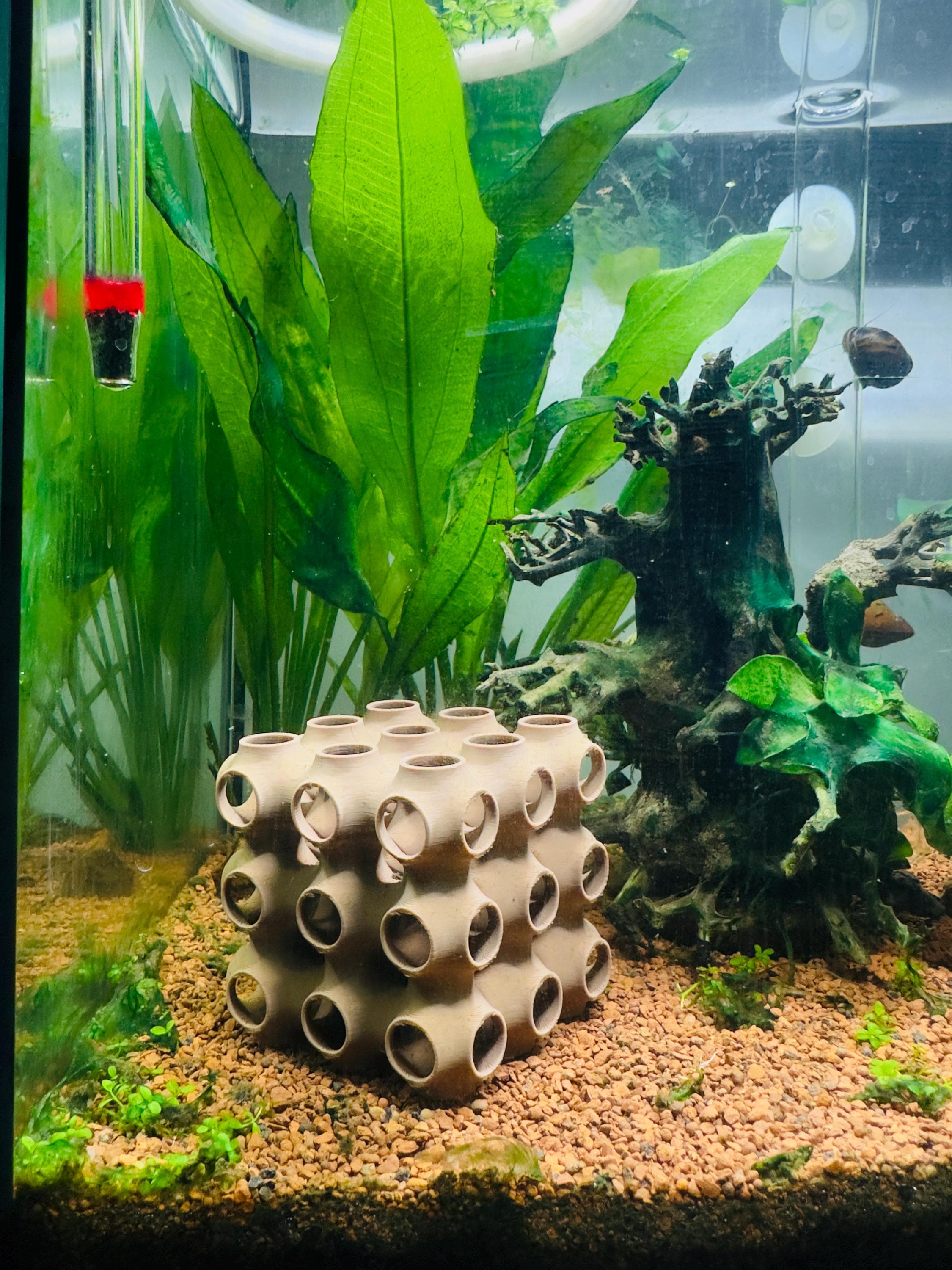
Small caves and tight spaces help fry hide from danger. These spaces mimic natural hiding spots in rivers. Fry feel safe inside caves where bigger fish cannot reach.
| Type | Material | Benefits |
| Rock caves | Natural stone | Strong and stable shelter |
| Clay pots | Ceramic | Easy to clean and place |
| PVC tubes | Plastic | Lightweight and customizable |
Driftwood And Decorations
Driftwood and aquarium decorations create hiding spots by adding texture and cover. Fry can hide under or behind these objects. Decorations also help break open spaces into smaller zones.
- Use smooth driftwood to avoid injury
- Place decorations to create shade and shadows
- Combine wood with plants for extra cover
- Clean decorations regularly to prevent algae
Choosing The Right Plants
Discus fry need safe hiding spots to grow strong and healthy. Plants are great for providing cover. They also help keep the water clean and oxygenated.
Selecting the right plants makes a big difference. Some plants grow fast, others float on the surface. Leafy plants give extra shade and shelter.
Fast-growing Plants
Fast-growing plants quickly fill empty spaces in the tank. They help reduce algae by using nutrients. Examples include hornwort and water sprite.
- Hornwort grows in long, feathery strands
- Water sprite offers dense foliage
- Duckweed spreads quickly on the surface
- Anacharis is easy to care for and fast-growing
Floating Plants
Floating plants rest on the water surface. They create shade and reduce light, which calms the fry. They also provide a hiding place near the top.
| Plant Name | Benefits | Care Level |
| Duckweed | Quick coverage, shade | Easy |
| Salvinia | Floating, oxygenates water | Easy |
| Frogbit | Broad leaves, good shelter | Medium |
Leafy And Broad-leaf Options
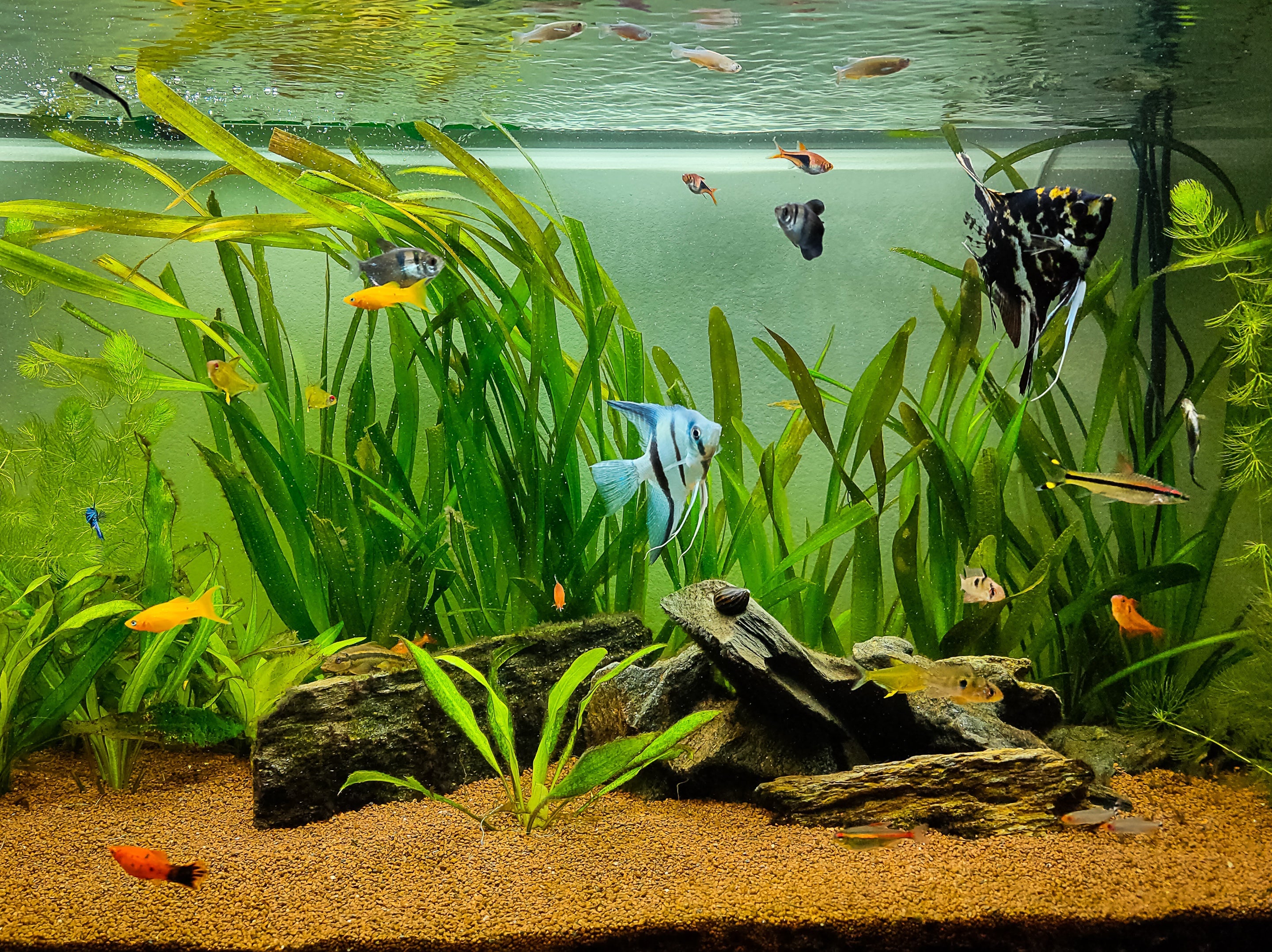
Leafy and broad-leaf plants provide large hiding spots. Their wide leaves give shade and places to rest. Java fern and Anubias are popular choices.
- Java fern attaches to rocks and wood
- Anubias grows slowly but has strong leaves
- Amazon sword offers big leaves for cover
- Cryptocoryne has thick leaves for shelter
Credit: splashyfishstore.com
Using Aquarium Decorations Wisely
Discus fry need safe hiding places to grow strong and avoid stress. Aquarium decorations help create these spots.
Choosing the right decorations can keep your fry safe and comfortable. It also makes your tank look natural and healthy.
Natural Vs Artificial Hiding Spots
Natural hiding spots like plants and driftwood give fry cover and comfort. Artificial spots include caves and plastic plants.
- Natural spots feel familiar and improve water quality.
- Artificial spots are easy to clean and place.
- Mix both types for variety and safety.
- Watch out for sharp edges in artificial decorations.
Safe Materials For Fry
| Material | Safety Level | Notes |
| Driftwood | High | Natural, safe if cleaned well |
| Live Plants | High | Provide oxygen and cover |
| Plastic Plants | Medium | Check for no sharp edges |
| Ceramic Caves | High | Stable and non-toxic |
| Metal Decorations | Low | Can rust and harm fry |
Placement Tips
Place hiding spots where fry swim most. Avoid areas with strong currents or bright lights.
- Put decorations near the bottom and corners of the tank.
- Keep hiding spots spaced to reduce fry fighting.
- Check spots often to keep them clean and safe.
- Change placement if fry seem stressed or not using spots.
Water Parameters That Encourage Hiding
Discus fry feel safe when water conditions are right. Proper water parameters help them hide and stay calm.
Keeping the water stable creates a natural environment. This reduces stress and promotes healthy growth.
Optimal Temperature And Ph
Discus fry prefer warm water with a stable pH. This helps them feel secure and encourages hiding behavior.
| Parameter | Ideal Range | Effect on Fry |
| Temperature | 28-30°C (82-86°F) | Promotes activity and hiding |
| pH Level | 6.0-6.5 | Supports comfort and reduces stress |
Lighting Effects On Fry Behavior
Low light helps discus fry feel safe and encourages hiding. Bright light can make them nervous.
- Dim lighting mimics natural shaded areas
- Soft light reduces fry activity and stress
- Bright light causes fry to seek hiding places more often
Credit: www.etsy.com
Monitoring Fry Behavior And Safety
Discus fry need safe places to hide and explore. Watching their behavior helps ensure their safety.
Providing proper hiding spots reduces stress and keeps fry healthy. Monitoring them is essential for their growth.
Signs Of Stress Or Danger
Fry may show signs of stress if their environment is not right. Look for these behaviors to ensure their safety.
- Fry hiding all the time
- Erratic swimming patterns
- Color changes in fry
- Fry not eating properly
Adjusting Hiding Spots As Fry Grow
As discus fry grow, their hiding places must change. Larger spaces are needed for their comfort and safety.
Check the size and number of hiding spots regularly. Make sure they suit the fry’s growing needs.
| Fry Size | Hiding Spot Type |
| Small | Dense plants or small caves |
| Medium | Medium rocks or driftwood |
| Large | Larger caves or open spaces with cover |
Preventing Predators From Reaching Fry
Discus fry are vulnerable to predators in the tank. Creating hiding spots can keep them safe and secure.
Proper planning and tank setup can prevent predators from harming the fry. Let’s explore effective strategies.
Tank Mates Selection
Choosing the right tank mates is crucial to protecting discus fry. Some fish are more aggressive than others.
- Opt for peaceful species like tetras and guppies
- Avoid large or aggressive fish such as cichlids
- Consider shrimp and snails as they are non-threatening
Physical Barriers
Physical barriers can provide a safe environment for fry. These barriers help to block predators effectively.
| Barrier Type | Purpose |
| Plants | Natural hiding spots |
| Rocks | Block larger fish |
| Caves | Shelter for fry |
Credit: www.gtaaquaria.com
Frequently Asked Questions
Where Do Discus Fry Commonly Hide In Aquariums?
Discus fry often hide among dense plants, under broad leaves, and near driftwood. These spots provide shelter and safety from predators. Dense vegetation mimics their natural habitat, offering hiding and resting places essential for their survival.
Why Is Hiding Important For Discus Fry Survival?
Hiding helps discus fry avoid predators and reduces stress. It also allows them to rest and grow safely. A secure environment encourages healthy development and increases their chances of reaching adulthood.
What Aquarium Decorations Attract Discus Fry Hiding?
Discus fry prefer hiding near plants, caves, and smooth driftwood. These decorations offer cover and mimic natural riverbeds. Including such elements helps create a comfortable, protective environment for the fry.
How Often Should Hiding Places Be Cleaned In Discus Tanks?
Clean hiding spots gently every two weeks to avoid harmful bacteria. Use aquarium-safe methods to preserve beneficial microbes. Regular cleaning keeps the environment healthy without stressing the fry.
Conclusion
Discus fry need safe places to hide and grow well. Plants, caves, and small decorations work best. These spots help fry feel safe and avoid danger. Watching their hiding habits can teach you more about their needs. Keep their environment calm and clean for healthy growth.
Every discus fry is different, so observe and adjust hiding spots as needed. A good home helps them thrive and stay active. Providing the right hiding places supports their natural behavior and comfort.