
If you want your betta fish to thrive and show off their vibrant colors, feeding them the right food is key. Betta frozen food can be a game-changer for your fish’s health and happiness.
But how do you choose the best options and feed it correctly? You’ll discover simple tips and expert advice to make sure your betta gets the nutrition it needs. Keep reading to unlock the secrets of feeding your betta frozen food the right way!

Credit: www.reddit.com
Benefits Of Frozen Food
Feeding betta fish frozen food offers many advantages. It is a practical and healthy choice for your pet.
Frozen food keeps nutrients fresh and helps maintain your betta’s health over time.
Nutritional Advantages
Frozen food preserves important vitamins and minerals. This helps your betta get the nutrients it needs.
It contains natural proteins that support muscle growth and energy. The food is often richer than dry flakes.
- High protein content
- Rich in vitamins and minerals
- Fresh nutrients preserved by freezing
Improved Digestion
Frozen food is easier to digest than some dry foods. It helps keep your betta’s stomach healthy.
Soft texture reduces the risk of constipation. Your fish can absorb nutrients better from frozen food.
- Soft and natural texture
- Less chance of digestive blockage
- Better nutrient absorption
Reduced Disease Risk
Frozen food is often cleaned and prepared safely. This lowers the chance of harmful bacteria or parasites.
Freezing kills many harmful germs. This helps keep your betta fish healthier and less prone to illness.
- Less bacteria and parasites
- Safer than live food in many cases
- Supports a strong immune system
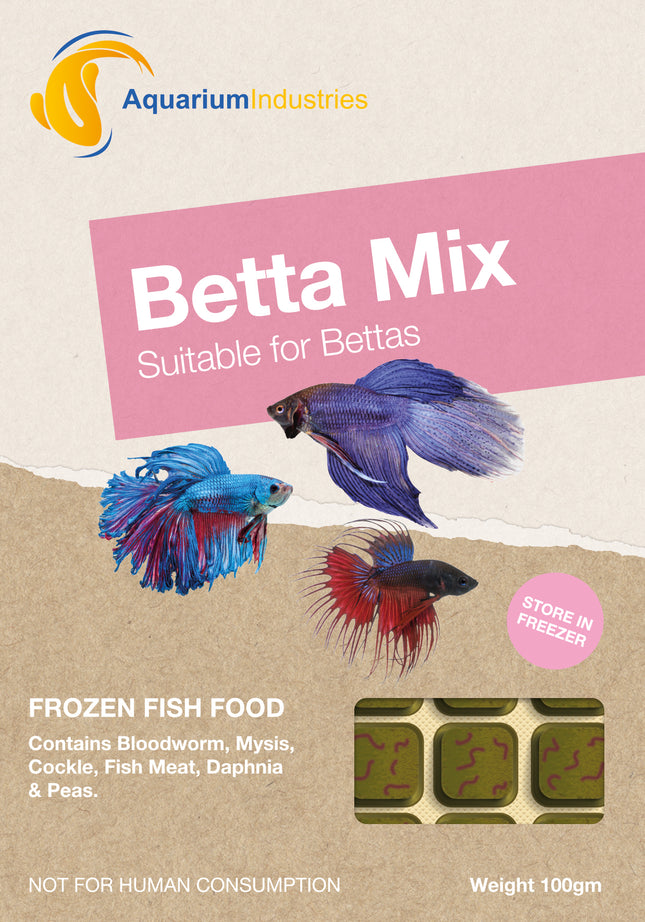
Credit: petsdomain.com.au
Types Of Frozen Food
Frozen food is a healthy option to feed your Betta fish. It keeps nutrients and taste fresh. You can choose from many types of frozen food to keep your Betta happy.
Each type of frozen food offers different benefits. Feeding a variety helps your Betta get all the nutrition it needs.
Bloodworms
Bloodworms are a favorite for many Betta owners. They are rich in protein and easy to digest. Bloodworms look like small red worms and are very tasty for Bettas.
They help improve your Betta’s color and energy. Feed them in small amounts to avoid overfeeding.
Brine Shrimp
Brine shrimp are tiny crustaceans full of nutrients. They provide good protein and help with your Betta’s growth. Bettas enjoy their natural movement when feeding on live or frozen brine shrimp.
These shrimp support your Betta’s immune system. Use them as a treat a few times a week.
Daphnia
Daphnia, also called water fleas, are small freshwater crustaceans. They help with digestion and can clean your Betta’s stomach. Daphnia is a good source of fiber for your fish.
Feed daphnia occasionally to keep your Betta healthy and active.
Tubifex Worms
Tubifex worms are long, thin worms rich in protein. They are loved by Bettas for their strong scent and taste. Tubifex worms help boost your Betta’s growth and energy.
Feed tubifex worms in small amounts and make sure they come from a clean source to avoid water pollution.
Choosing Quality Frozen Food
Feeding your betta fish with frozen food can keep them healthy and happy. Choosing the right frozen food matters for their growth and vitality.
Quality frozen food provides essential nutrients and mimics their natural diet well. Let’s look at how to pick the best options.
Freshness Indicators
Freshness is key to good frozen food. Look for clear signs that the food is still fresh and safe for your betta.
- The packaging should be sealed tightly with no tears or holes.
- Check the expiration or freeze-by date on the package.
- Avoid packages with ice crystals inside; this shows thawing and refreezing.
- The food should not have a strange or strong odor.
- Look for bright colors and firm texture in the frozen pieces.
Reputable Brands
Choosing brands known for quality helps ensure your betta gets good nutrition. Some brands offer tested ingredients and safe processing.
| Brand | Key Feature | Type of Food |
| AquaBest | Lab tested for purity | Bloodworms, Daphnia |
| FreshFin | Natural ingredients only | Mosquito larvae, Brine shrimp |
| PureBettas | Free from fillers | Blackworms, Tubifex worms |
Storage Tips
Proper storage keeps frozen food fresh longer. Follow these tips to avoid spoilage and waste.
- Keep frozen food in a freezer at or below 0°F (-18°C).
- Store food in airtight containers to prevent freezer burn.
- Do not refreeze thawed food as it loses nutrients and freshness.
- Label packages with the date you opened them to track freshness.
- Use frozen food within 1-2 months after opening for best quality.
Feeding Techniques
Feeding betta fish frozen food requires careful handling. Proper techniques help keep your fish healthy and active.
Learn how to thaw food, control portions, and set feeding times for the best results.
Thawing Methods
Always thaw frozen betta food before feeding. Use cold or room temperature water to thaw it gently. Avoid hot water to keep nutrients safe.
Do not leave food out too long. Feed your betta immediately after thawing to prevent spoilage and water contamination.
Portion Control
Feed your betta small portions. Overfeeding can cause health problems and dirty tank water. Use a small pinch or one pellet per feeding.
- Feed only what your betta can eat in two minutes
- Remove uneaten food to keep the tank clean
- Use feeding tweezers for better control
Feeding Frequency
Feed frozen food once or twice daily. Young bettas may need more frequent feedings. Adult fish do well with one meal a day.
| Age of Betta | Recommended Feeding Frequency |
| Juvenile (2-6 months) | 2 times per day |
| Adult (6 months and older) | 1 time per day |
| Breeding Betta | 2 times per day |
Common Feeding Mistakes
Feeding betta fish frozen food is healthy if done right. Many owners make mistakes that hurt their fish.
These errors can lead to health problems or wasted food. Learn what to avoid for your betta’s well-being.
Overfeeding Dangers
Giving too much frozen food can cause digestive issues in bettas. Overfeeding makes fish lazy and sick.
Extra food often pollutes the water, leading to poor tank conditions and diseases.
- Feed only what your betta can eat in 2-3 minutes
- Remove uneaten food quickly
- Limit feeding to 2-3 times a day
Ignoring Variety
Frozen food alone does not give all nutrients. Betta fish need a mix of foods to stay healthy.
Only feeding one kind of frozen food can cause vitamin deficiencies and weak immune systems.
- Rotate different types of frozen foods
- Include pellets or flakes sometimes
- Add live or freeze-dried treats occasionally
Improper Storage
Frozen food must be stored correctly to keep it fresh and safe. Poor storage lowers food quality.
Thawed food should never be refrozen or left out too long. This can cause bacteria growth.
- Keep frozen food in a sealed container
- Store at a consistent freezing temperature
- Only thaw small portions before feeding
- Discard unused thawed food after 24 hours
Monitoring Fish Health
Monitoring fish health is crucial when feeding betta frozen food. Regular checks help identify any issues before they become severe problems.
Behavioral Signs
Fish exhibit various behaviors when they’re not feeling well. Look for changes in their behavior, such as:
- Loss of appetite or interest in food
- Changes in swimming patterns or lethargy
- Aggression or erratic behavior
- Gasping for air or rapid breathing
Physical Indicators
Fish physical health can be assessed by checking for:
- Changes in color or skin lesions
- Swollen or inflamed fins or eyes
- Unusual growths or tumors
- Discharge or mucus around the mouth or anus
Adjusting Diet
If you notice any behavioral or physical changes, adjust your betta’s diet accordingly. Provide a varied and balanced diet that includes a mix of frozen foods and live or frozen treats.
Observe your betta’s response to the new diet and adjust as needed. Consult a veterinarian if you’re unsure about your betta’s health or dietary needs.
Supplementing With Other Foods
Betta fish need a varied diet to stay healthy. Frozen foods are good but not enough alone.
Adding other foods can provide extra nutrients and keep your betta interested in eating.
Pellets And Flakes
Pellets and flakes offer balanced nutrition for bettas. They are easy to store and feed.
- Choose high-quality pellets made for bettas
- Feed small amounts to avoid waste
- Use flakes as occasional treats
- Keep pellets and flakes dry and fresh
Live Foods
Live foods are natural and stimulate your betta’s hunting instincts. They improve color and health.
| Type | Benefits |
| Brine Shrimp | Rich in protein, easy to digest |
| Daphnia | Good for digestion and cleansing |
| Bloodworms | High in protein, tasty treat |
| Micro Worms | Small and easy for young bettas |
Vegetable Options
Vegetables add fiber and nutrients to your betta’s diet. Always cook or prepare them well.
Good vegetables for bettas include:
- Blanched spinach
- Peas without skin
- Boiled zucchini
- Cucumber slices
Remove uneaten vegetables after a few hours to keep water clean.

Credit: perkyfins.com
Frequently Asked Questions
What Is Betta Frozen Food?
Betta frozen food is specially prepared, frozen meals designed for betta fish. It includes bloodworms, brine shrimp, and daphnia. These foods provide essential nutrients and mimic their natural diet, promoting better health and vibrant colors in bettas.
How Often Should I Feed Betta Frozen Food?
Feed Betta frozen food 2-3 times weekly. Avoid overfeeding to prevent water pollution and health issues. Supplement with high-quality pellets or flakes for a balanced diet. Always thaw frozen food properly before feeding.
Can Frozen Food Replace Pellets For Bettas?
Frozen food can complement but not fully replace pellets. Pellets offer balanced nutrition and convenience. Frozen foods add variety and essential nutrients. Combining both improves Betta health and reduces diet monotony.
How To Properly Thaw Betta Frozen Food?
Thaw frozen Betta food by placing it in a small cup with aquarium water. Let it sit for a few minutes until soft. Avoid using hot water or microwaves to prevent nutrient loss and food damage.
Conclusion
Feeding bettas frozen food keeps them healthy and active. It offers balanced nutrition and variety in their diet. Frozen food is easy to store and use daily. Always thaw it properly before feeding your fish. Avoid overfeeding to prevent water pollution and health issues.
Regular feeding with frozen food helps your betta grow strong. This simple step makes a big difference in their care. Try adding frozen food to your betta’s diet for best results. Your fish will thank you with vibrant colors and energy.