
Are you thinking about adding a beautiful betta fish to your aquarium but find yourself stuck between choosing a Halfmoon or a Crowntail? Both types have stunning looks and unique features that can make your tank stand out.
But how do you know which one fits your style and care routine best? This article will break down the key differences between Halfmoon and Crowntail bettas, helping you make a confident choice. Keep reading to discover what makes each type special and which one might be the perfect match for your underwater world.
Halfmoon Betta Traits
Halfmoon bettas are popular for their large, fan-shaped tails. They stand out due to their unique fin spread and bright colors. Understanding their traits helps in caring for them properly.
These bettas are loved by hobbyists for their beauty and graceful swimming. Their traits differ from other betta types like crowntails.
Tail Shape And Size
The halfmoon betta tail forms a wide, 180-degree spread. It looks like a half circle or a crescent moon. The tail is broad and symmetrical.
The size of the tail is larger compared to many other betta types. It creates a dramatic and eye-catching look when fully flared.
- Tail spreads to 180 degrees
- Rounded, fan-like shape
- Wide and symmetrical fins
- Larger than most betta tails
Color Variations
Halfmoon bettas come in many bright and vivid colors. Their colors can be solid, metallic, or patterned. This variety makes them popular among fish keepers.
Some common colors include red, blue, green, and purple. Some halfmoons have iridescent scales that shine under light.
- Solid colors like red, blue, and black
- Metallic shades with shiny scales
- Mixed patterns with spots or stripes
- Iridescent scales that change color
Swimming Behavior
Halfmoon bettas swim smoothly and with grace. Their large fins slow their movement but add beauty to their swimming style. They often glide slowly around the tank.
They like to explore their environment and flare their fins when curious or stressed. They are active swimmers but prefer calm water areas.
- Graceful, slow swimming style
- Large fins slow movement
- Explores tank actively
- Flares fins when curious or stressed
- Prefers calm water areas
Crowntail Betta Traits
The Crowntail Betta is a popular fish known for its unique fin shapes and bright colors. It stands out from other bettas because of its special fin design. People often choose this betta for its lively look and active behavior.
This guide covers the main traits of the Crowntail Betta. You will learn about its fin structure, color patterns, and activity levels. Each trait helps explain why this fish is so loved by hobbyists.
Distinctive Fin Structure
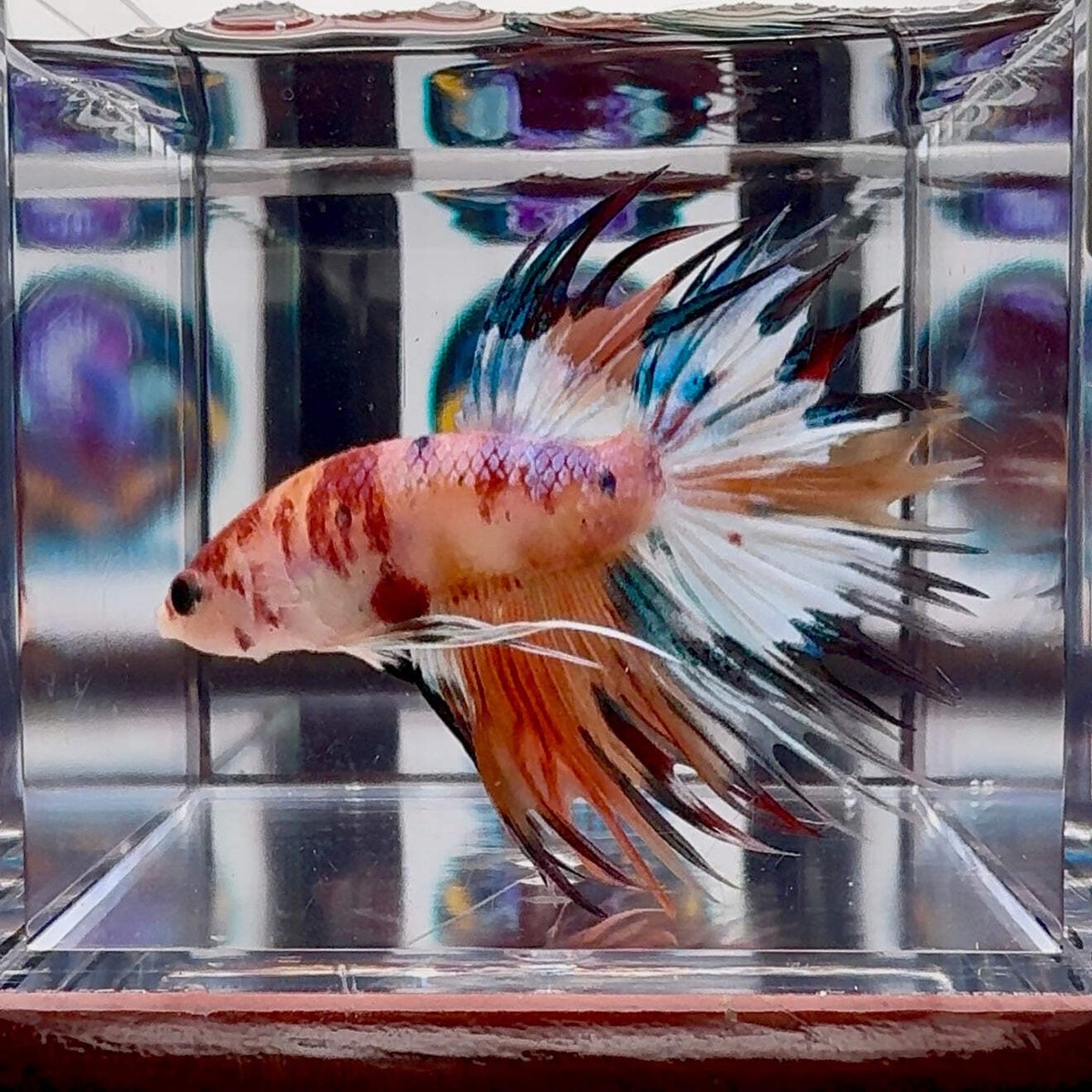
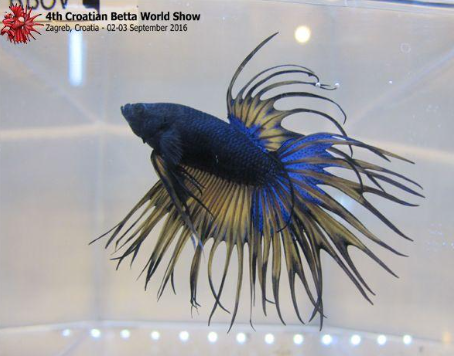
Crowntail Bettas have fins that look like a crown. Their fins have long rays with thin webbing between them. This gives the fins a spiky, spread-out look. The tail usually has many rays that extend past the fin edges.
- Fins with extended rays and reduced webbing
- Spiky and spread-out tail appearance
- Distinctive crown-like shape on the tail fin
- Usually seen in tail, dorsal, and anal fins
Color Patterns
Crowntail Bettas show many bright color patterns. Their colors can be solid, mixed, or have spots. These patterns make each fish look unique and eye-catching.
| Color Type | Description |
| Solid | One color covering the whole body and fins |
| Bi-color | Two distinct colors split on body and fins |
| Marble | Random spots and patches in various colors |
| Multi-color | Three or more colors blending together |
Activity Levels
Crowntail Bettas are very active swimmers. They explore their tanks often and flare their fins to show dominance. They react quickly to movements outside the tank. This high activity makes them fun to watch.
Key activity traits include:
- High swimming activity throughout the day
- Frequent flaring of fins to communicate
- Quick response to changes in their environment
- Preference for tanks with space to swim freely
Comparing Appearance
Halfmoon and Crowntail bettas are popular types of betta fish. They look different in many ways. Their fins and body shapes make them easy to tell apart.
Understanding these differences helps you choose the right betta for your aquarium. Each type has a unique beauty worth appreciating.
Fin Edge Differences
Halfmoon bettas have large, round fins that spread out like a half circle. Their fin edges are smooth and curved. This gives them a full and flowing look.
Crowntail bettas have fins with sharp, spiky edges. The rays of their fins stick out like a crown. This creates a webbed or spiked appearance on the fin edges.
- Halfmoon fins: smooth, rounded, fan-shaped
- Crowntail fins: spiky, webbed, crown-like edges
Body Shape Contrast
The body of a Halfmoon betta is thick and strong. It looks fuller because of its large fins. Their bodies are usually wider near the head.
Crowntail bettas have a slimmer and more streamlined body. Their thinner fins make the body look more delicate. This shape helps show off their fin spikes better.
- Halfmoon body: thick, strong, broad near head
- Crowntail body: slim, streamlined, delicate
Color Intensity
Halfmoon bettas often show deep and rich colors. Their large fins display bright hues well. The colors appear smooth and even across their body and fins.
Crowntail bettas may have more varied color patterns. Their fin rays highlight contrasting colors. This makes their fins look sharp and detailed in color.
- Halfmoon colors: deep, bright, smooth
- Crowntail colors: varied, contrasting, detailed
Credit: www.ebay.com
Care Requirements
Halfmoon and Crowntail Bettas are popular fish with unique fin shapes. Both need good care to stay healthy and happy.
Understanding their care needs helps you create the right home. This guide covers tank setup, water conditions, and feeding habits.
Tank Setup
Halfmoon Bettas need at least a 5-gallon tank with space to swim. Crowntails also need similar space but enjoy hiding spots.
Both types like plants and decorations that do not block their fins. Use smooth items to prevent fin tears.
- Minimum tank size: 5 gallons
- Use live or silk plants
- Include smooth decorations
- Provide hiding spots for Crowntails
Water Conditions
Both Halfmoon and Crowntail Bettas thrive in warm water. Keep the temperature between 75°F and 80°F (24°C to 27°C).
Water should be clean with low ammonia and nitrite levels. Regular water changes help maintain healthy conditions.
- Temperature: 75°F to 80°F (24°C to 27°C)
- pH level: 6.5 to 7.5
- Ammonia and nitrites: 0 ppm
- Weekly water changes: 25% to 50%
Feeding Habits
Halfmoon and Crowntail Bettas eat similar foods. Feed them high-quality pellets or flakes made for Bettas.
Include frozen or live foods like brine shrimp or bloodworms to add variety. Feed small amounts twice a day.
- Use Betta-specific pellets or flakes
- Add frozen or live brine shrimp
- Offer bloodworms occasionally
- Feed twice daily in small amounts
Behavioral Differences
Halfmoon and Crowntail Bettas show different behaviors in tanks. Understanding these differences helps care for them well.
We will look at their aggression, how they explore, and how they get along with other fish.
Aggression Levels
Halfmoon Bettas are usually less aggressive than Crowntails. They flare their large fins but calm down faster.
Crowntail Bettas often act more territorial. Their sharp fin edges make them look more threatening to others.
- Halfmoons show milder aggression during fights
- Crowntails tend to be more defensive and bold
- Both males can fight strongly if kept together
Interaction With Environment
Halfmoon Bettas like to swim in open spaces. Their wide fins need room to spread fully.
Crowntails explore plants and decorations more. Their fin shape helps them move quickly in tight spots.
- Halfmoons prefer calm, spacious tanks
- Crowntails enjoy hiding and darting around plants
- Both need clean water and hiding places
Compatibility With Tank Mates
Halfmoon Bettas can live with peaceful fish that do not nip fins. Their calmer nature helps with sharing space.
Crowntail Bettas are less tolerant of other fish. Their aggressive style may cause stress or fights.
- Halfmoons suit calm tank mates like snails or small tetras
- Crowntails do better alone or with robust species
- Always watch for signs of stress or aggression
Breeding Insights
Halfmoon and Crowntail Bettas are popular among fish enthusiasts. They have unique breeding behaviors and care needs.
Understanding these differences can help ensure successful breeding. Let’s explore their mating, egg care, and fry-raising processes.
Mating Behavior
Halfmoon and Crowntail Bettas exhibit distinct mating behaviors. Males build bubble nests to attract females.
- The male flares his fins to impress the female.
- Female shows interest by approaching the nest.
- Male wraps around female to fertilize eggs.
Egg Care
After fertilization, the male takes care of the eggs. He places them in the bubble nest for protection.
Bubble nests are essential for egg safety. The male guards and maintains the nest until hatching.
Raising Fry
Once hatched, fry require specific conditions to thrive. They need clean water and proper nutrition.
| Condition | Requirement |
| Water Temperature | 78-80°F |
| Food | Infusoria or microworms |
| Tank Setup | Gentle filtration |
Choosing The Right Betta
Betta fish are beautiful and fascinating creatures. Two popular types are Halfmoon and Crowntail Bettas. Each has unique features that may suit different preferences.
Deciding which Betta to choose involves considering several factors. Let’s explore some of these to help you make an informed decision.
Personal Preferences
Personal taste plays a big role in choosing a Betta. Halfmoon Bettas are known for their large, flowing tails. Crowntail Bettas have spiky, crown-like tails.
Some people prefer the elegance of the Halfmoon. Others enjoy the unique look of the Crowntail.
- Halfmoon: Large and graceful fins
- Crowntail: Distinctive spiky appearance
Space And Maintenance
Space and care requirements differ for each type. Halfmoon Bettas need more room due to their large fins. A bigger tank helps them swim freely.
Crowntail Bettas can thrive in smaller spaces. Their shorter fins make them less demanding about space.
- Halfmoon: Requires larger tanks
- Crowntail: Suitable for smaller tanks
Budget Considerations
Budget can influence your choice. Halfmoon Bettas are often pricier due to their popularity and beauty.
Crowntail Bettas may be more affordable. They offer a unique look without a high price tag.
- Halfmoon: Higher cost due to popularity
- Crowntail: More budget-friendly option
Credit: purebredcollective.medium.com

Credit: thailandbettafish.com
Frequently Asked Questions
What Are The Main Differences Between Halfmoon And Crowntail Bettas?
Halfmoon Bettas have broad, rounded tails forming a 180-degree spread. Crowntail Bettas feature spiky fins with webbing reduced between rays. These distinct tail shapes are the primary visual difference between the two popular Betta types.
Which Betta Is Easier To Care For, Halfmoon Or Crowntail?
Both Halfmoon and Crowntail Bettas require similar care, including clean water and proper diet. However, Crowntails may need extra attention to fin health due to their delicate fin structure. Overall, care needs are comparable for both types.
Do Halfmoon And Crowntail Bettas Differ In Temperament?
Both Halfmoon and Crowntail Bettas exhibit aggressive and territorial behavior. Their temperament is more influenced by individual personality than tail type. Proper tank conditions help manage aggression in both Betta varieties.
Can Halfmoon And Crowntail Bettas Coexist In The Same Tank?
It is not recommended to house Halfmoon and Crowntail Bettas together. Both are aggressive and territorial, which can lead to fighting. Separate tanks ensure their safety and well-being.
Conclusion
Halfmoon and Crowntail bettas both show unique beauty and charm. Halfmoons have broad, rounded tails that spread wide like a fan. Crowntails have spiky fins with a crown-like look. Both need clean water and gentle care. Choose the type that fits your style and tank space.
Enjoy watching their colors and movements every day. Each betta brings joy in its own special way. Which one will brighten your aquarium?