
If you want your cichlids to thrive and show their true colors, what you feed them matters more than you might think. Choosing the best diet for cichlids isn’t just about filling their tank; it’s about giving them the right nutrients to boost their health, energy, and lifespan.
You’ll discover simple, effective feeding tips that will transform your fish’s well-being. Ready to unlock the secret to happier, healthier cichlids? Keep reading—your fish will thank you.
Cichlid Diet Basics
Cichlids are popular aquarium fish that need a balanced diet. Feeding them right helps them stay healthy and active.
This guide explains the basics of cichlid diets. It covers their natural feeding habits and nutritional needs.
Natural Feeding Habits
Cichlids live in different environments like rivers and lakes. They eat a variety of foods found in nature.
Some cichlids eat plants and algae. Others eat small insects, crustaceans, or fish. Their diet depends on the species.
- Herbivores eat mostly plants and algae
- Carnivores eat small animals like insects and fish
- Omnivores eat both plants and animals
- Feeding behavior changes with habitat and species
Nutritional Needs
Cichlids need protein, fats, vitamins, and minerals to grow and stay healthy. Protein is important for muscle and tissue repair.
Different cichlid species need different amounts of nutrients. Herbivores need more fiber and plant nutrients. Carnivores need more protein and fat.
- Protein supports growth and energy
- Fats provide energy and help absorb vitamins
- Vitamins and minerals support immune health
- Fiber aids digestion for plant-eating cichlids
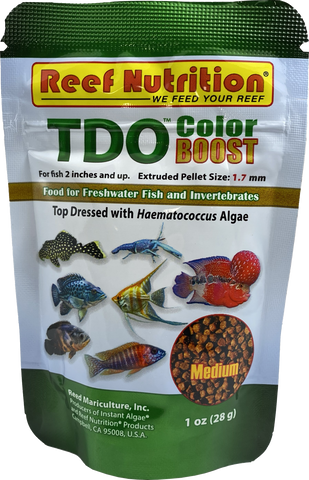
Credit: reefnutrition.com
Types Of Cichlid Diets
Cichlids eat different kinds of food. Knowing their diet helps keep them healthy.
Cichlids can be omnivores, herbivores, or carnivores. Each group needs special food.
Omnivorous Diets
Omnivorous cichlids eat both plants and animals. They need a balanced diet.
Feed them flakes, pellets, live food, and some vegetables. Variety is important.
- High-quality flakes or pellets
- Frozen or live brine shrimp
- Small pieces of vegetables like spinach
- Algae wafers occasionally
Herbivorous Diets
Herbivorous cichlids eat mostly plants. They need food high in fiber and vitamins.
Offer algae, vegetables, and plant-based pellets. Avoid too much protein.
- Fresh or frozen spinach and lettuce
- Algae sheets or wafers
- Vegetable-based pellets
- Peas and zucchini slices
Carnivorous Diets
Carnivorous cichlids eat mostly meat. They need protein-rich foods to grow well.
Feed live or frozen foods like worms and shrimp. Avoid plant foods.
- Bloodworms and brine shrimp
- Small feeder fish
- Frozen krill and daphnia
- High-protein pellets
Best Commercial Foods
Cichlids need a balanced diet to stay healthy and grow well. Commercial foods provide essential nutrients for them.
Choose foods that suit your cichlid’s species and size. Feeding the right food helps keep their colors bright and energy high.
Pellets And Flakes
Pellets and flakes are easy to find and feed. They come in many sizes to fit different cichlids.
Pellets often sink slowly or float, which matches how cichlids eat in the wild. Flakes float on the surface, good for surface feeders.
- Pellets provide steady nutrition and reduce waste
- Flakes are good for small or picky eaters
- Look for formulas with proteins and vitamins
Frozen And Freeze-dried Options
Frozen and freeze-dried foods offer variety and extra nutrients. They mimic natural diets better than dry foods.
Common choices include bloodworms, brine shrimp, and daphnia. These foods boost color and activity.
- Frozen foods keep nutrients fresh but need thawing
- Freeze-dried foods last longer and are easy to store
- Use these as treats or meal supplements

Credit: www.amazon.com
Homemade Diet Ideas
Making homemade food for your cichlids can help you control what they eat. You can mix fresh and healthy ingredients for their best growth.
A balanced diet includes proteins, vegetables, and supplements. Each part plays a key role in their health and color.
Protein Sources
Protein is important for cichlids’ muscles and energy. Use fresh or frozen foods to keep protein rich and safe.
- Cooked shrimp or fish pieces
- Boiled eggs without shell
- Bloodworms or brine shrimp
- Ground beef heart (fresh and clean)
Vegetable Additions
Vegetables add fiber and vitamins. They help digestion and keep the fish healthy.
| Vegetable | Preparation |
| Spinach | Blanched and chopped |
| Zucchini | Boiled and diced |
| Peas | Shell removed, boiled |
| Cucumber | Fresh, thin slices |
Supplements
Supplements give extra nutrients that cichlids need. They improve color and immune strength.
Try adding these supplements to homemade diets:
- Spirulina powder for color
- Vitamin C powder to boost immunity
- Calcium powder for bone health
Feeding Tips For Different Species
Different cichlid species need different diets. Feeding them right keeps them healthy and colorful.
Knowing what each type prefers helps you avoid common feeding mistakes. Let’s look at tips for three groups.
African Cichlids
African cichlids mainly come from Lake Malawi and Lake Tanganyika. Most are herbivores or omnivores. They need a diet rich in plant matter.
- Feed spirulina flakes or pellets to support their color.
- Add some vegetable matter like peas or spinach.
- Avoid too much protein to prevent digestive problems.
- Feed small amounts twice a day.
South American Cichlids
South American cichlids are often omnivores and eat both plants and small animals. Their diet should be balanced and varied.
| Food Type | Examples | Feeding Frequency |
|---|---|---|
| Protein | Bloodworms, brine shrimp | Once daily |
| Vegetables | Zucchini, peas | Several times a week |
| Flakes/Pellets | High-quality cichlid pellets | Daily |
Dwarf Cichlids
Dwarf cichlids are small and need frequent small meals. They like live and frozen foods that are easy to eat.
Feeding tips for dwarf cichlids:
- Offer live foods like daphnia and microworms.
- Use crushed flakes or pellets for easy digestion.
- Feed 2 to 3 times daily in small amounts.
- Remove leftover food to keep water clean.
Common Feeding Mistakes
Feeding cichlids properly is crucial for their health. Some common mistakes can harm them. Understanding these errors helps ensure your fish thrive.
Many cichlid owners unknowingly make feeding mistakes. This guide will help you avoid these pitfalls.
Overfeeding Issues
Overfeeding is a common problem for cichlid owners. It leads to poor water quality and health problems for the fish.
When fish eat too much, waste increases. This can cause harmful ammonia levels in the tank.
- Feed small amounts twice a day
- Remove uneaten food after 5 minutes
- Monitor fish weight regularly
Inappropriate Food Choices
Cichlids need a balanced diet. Wrong food types can harm their health and growth.
Some foods lack essential nutrients. Others can cause digestive issues.
- Choose food with high protein content
- Avoid foods with fillers like corn
- Include both pellets and live foods
Signs Of A Healthy Diet
Cichlids thrive on a balanced diet that supports their vibrant colors and active lifestyle. A healthy diet is key to their well-being.
Here are some signs that your cichlids are receiving a nutritious diet.
Color Vibrancy
Bright and vivid colors are a great indicator of a healthy cichlid. Proper nutrition enhances their natural hues.
- Feed foods rich in carotenoids.
- Include spirulina in their diet.
- Offer varied diet to enhance colors.
Activity Levels
Cichlids are known for their energetic behavior. A healthy diet keeps them active and playful in their tank.
| Food Type | Effect on Activity |
| Protein-rich | Boosts energy |
| Vegetable-based | Supports metabolism |
| Balanced pellets | Maintains vitality |
Growth Patterns
Steady growth patterns show that cichlids are getting the nutrients they need. A well-rounded diet supports proper development.
- Ensure a mix of proteins and greens.
- Monitor size changes regularly.
- Adjust diet as cichlids mature.
Adjusting Diet For Life Stages
Cichlids need different foods as they grow. Their diet changes at each life stage. Feeding the right food helps them stay healthy.
Understanding what juveniles, adults, and breeding cichlids require will improve their growth and well-being.
Juveniles
Young cichlids grow fast and need protein-rich food. Small pellets or finely crushed flakes work well. Feed them often but in small amounts.
Include live or frozen foods like brine shrimp and daphnia. These help build strong bones and good health.
- Feed 3 to 4 times daily
- Use high-protein pellets or flakes
- Add live or frozen small foods
- Keep food size small for easy eating
Adults
Adult cichlids eat less often but need balanced nutrition. Use quality pellets or flakes with protein and vegetables. Feed once or twice daily.
Include vegetable matter like spirulina or blanched spinach. This helps with digestion and color.
- Feed 1 to 2 times daily
- Use balanced pellets or flakes
- Add vegetables like spinach or spirulina
- Do not overfeed to avoid water problems
Breeding Cichlids
Breeding cichlids need extra nutrients to support eggs and fry. Offer high-protein foods like live worms or specially made pellets.
Feed small amounts multiple times a day. This helps parents stay healthy and produce strong offspring.
- Feed 3 times daily in small portions
- Use high-protein live or frozen foods
- Include breeding-specific pellets if possible
- Maintain clean water by removing uneaten food

Credit: www.amazon.com
Frequently Asked Questions
What Is The Ideal Diet For Cichlids In Aquariums?
Cichlids thrive on a balanced diet of high-quality pellets, flakes, and occasional live or frozen foods. Include protein-rich items like brine shrimp, bloodworms, and vegetables such as spinach or peas for optimal health and vibrant colors.
Can Cichlids Eat Both Plant And Animal-based Foods?
Yes, cichlids are omnivores, enjoying a mix of plant and animal foods. A varied diet supports their digestion and immune system. Incorporate algae wafers, spirulina, and protein sources for a well-rounded meal plan.
How Often Should I Feed My Cichlids Daily?
Feed cichlids 2 to 3 times a day with small portions they can consume in 2-3 minutes. Avoid overfeeding to prevent water pollution and health issues. Consistent feeding schedules help maintain their energy and growth.
Are Live Foods Necessary For Cichlid Nutrition?
Live foods are beneficial but not mandatory. They provide enrichment and stimulate natural hunting behavior. Supplement cichlids’ diet with live or frozen foods occasionally to enhance their diet and overall wellbeing.
Conclusion
Feeding cichlids the right diet keeps them healthy and vibrant. Balanced food supports their growth and colors. Include protein, vegetables, and occasional treats for best results. Avoid overfeeding to prevent water problems. Regular feeding routines help fish stay active and happy.
Understanding their needs leads to a thriving aquarium. Careful food choices make a big difference in cichlid health. Simple steps create a strong, lively fish community. Your cichlids will thank you with bright colors and energy. Keep their diet varied and fresh for lasting benefits.