
Lighting can make or break your discus tank. If you want your fish to look vibrant and your aquarium to feel alive, getting the right lighting is key.
But with so many options out there, how do you know what’s best for your discus? This guide will help you understand exactly what your tank needs to thrive. By the end, you’ll have the confidence to choose lighting that keeps your discus healthy and your tank stunning.
Keep reading to discover the secrets of perfect discus tank lighting!
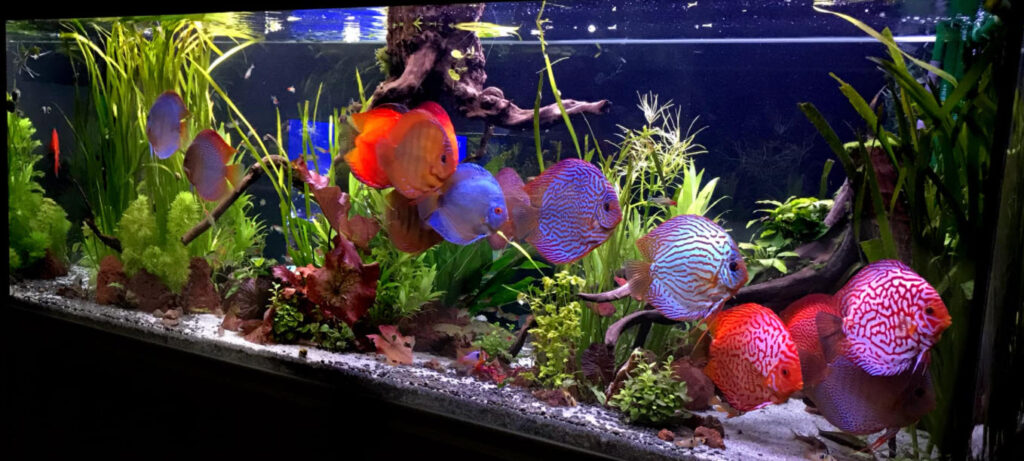
Credit: aquainfo.nl
Choosing The Right Light
Lighting is important for a healthy discus tank. It affects fish behavior and plant growth.
Choosing the right light helps keep your aquarium balanced and attractive.
Types Of Aquarium Lighting
You can choose from several lighting types for your discus tank. Each type has pros and cons.
- Fluorescent lights are common and affordable.
- LED lights use less energy and last longer.
- Metal halide lights produce strong, bright light but use more power.
- CFL (Compact Fluorescent Lamps) are smaller and efficient for small tanks.
Light Intensity And Spectrum
Discus fish and plants need the right light intensity to thrive. Too much light can stress fish.
| Light Intensity | Effect |
| Low (200-400 lumens) | Good for discus and low-light plants |
| Medium (400-700 lumens) | Supports moderate plant growth |
| High (700+ lumens) | Best for bright plants, may stress fish |
| Light Spectrum | Purpose |
| Full Spectrum (5000-7000K) | Mimics natural daylight, good for fish and plants |
| Blue Light | Enhances fish colors, supports plant photosynthesis |
| Red Light | Boosts plant growth, less visible to fish |
Energy Efficiency Considerations
Energy use affects your electric bill and the environment. Choose lights that save power.
- LED lights use the least energy and last many years.
- Fluorescent lights consume more power but cost less upfront.
- Metal halide lights use the most energy and generate heat.
- Consider timers to reduce running time and save energy.
Lighting Duration And Schedule
Proper lighting is important for discus tanks. It helps fish stay healthy and active.
Setting the right lighting duration and schedule keeps the aquarium balanced. It supports plant growth and fish behavior.
Optimal Daily Light Cycle
Discus fish need about 8 to 10 hours of light every day. This amount mimics their natural environment.
Too much light can stress the fish and cause algae growth. Too little light can harm plants and reduce fish activity.
Using Timers For Consistency
Timers help keep the light schedule steady. Consistent light helps discus fish stay calm and healthy.
Set timers to turn lights on and off at the same time each day. This reduces stress and keeps the tank stable.
- Use digital timers for accuracy
- Check timers weekly to ensure they work
- Keep light periods consistent daily
Adjusting Light For Seasonal Changes
Light duration can change with the seasons. Adjust lighting to match natural day length changes.
In winter, shorten the light time to about 8 hours. In summer, you can increase it to 10 hours.
- Watch fish behavior for signs of stress
- Gradually change light times over a week
- Balance light with tank temperature and feeding
Enhancing Discus Colors
Discus fish are known for their bright and beautiful colors. Proper lighting helps to bring out these vibrant shades. Choosing the right light can make your discus tank look stunning.
Good lighting also keeps your fish healthy and active. This guide will explain the best lighting choices to enhance discus colors.
Color-enhancing Light Options
Using the right light spectrum shows the true colors of discus fish. Lights with a mix of blue and white help their red and orange colors shine. LED lights are popular because they are bright and save energy.
- Full-spectrum LED lights bring out all colors well.
- Blue LED lights make red and orange shades more vivid.
- Warm white lights add a natural glow to the tank.
- Lights with adjustable color settings let you find the best look.
Balancing Light For Natural Appearance
Too much light can stress discus and wash out their colors. A good balance keeps the tank bright but natural. Use a timer to give fish a day and night cycle.
| Lighting Aspect | Recommended Setting |
| Intensity | Medium, not too bright |
| Duration | 8 to 10 hours per day |
| Color Temperature | 5000K to 7000K |
| Light Type | LED with adjustable spectrum |
Credit: www.plantedtank.net
Preventing Algae Growth
Algae can quickly cover your discus tank and harm your fish. Controlling light and water quality helps stop algae from growing. Proper tank care keeps your aquarium clean and clear.
Using the right lighting and filtration methods reduces algae problems. These methods help keep your discus healthy and your tank beautiful.
Light Management Strategies
Too much light causes algae to grow fast. Limit the light hours to 8-10 hours each day. Use a timer to keep lighting consistent. Avoid placing the tank near windows with direct sunlight.
- Set lighting time between 8 and 10 hours daily
- Use LED lights designed for aquariums
- Reduce light intensity if algae appear
- Keep tank away from direct sunlight
Combining Lighting With Filtration
Good filtration cleans waste and controls nutrients that feed algae. Use a filter that fits the tank size and has biological, mechanical, and chemical filtration. Clean the filter regularly to keep it working well.
| Filtration Type | Purpose | Maintenance Tips |
| Biological | Breaks down fish waste and toxins | Rinse media in tank water monthly |
| Mechanical | Removes debris and particles | Replace or clean filter pads every 2 weeks |
| Chemical | Removes dissolved impurities | Change activated carbon monthly |
Lighting Setup Tips
Good lighting is important for your discus tank. It helps fish stay healthy and shows their colors well. Proper light also supports plant growth in the aquarium.
Setting up the right lighting needs care. Too much or too little light can harm your fish and plants. This guide gives tips for the best lighting setup.
Positioning Lights For Even Coverage
Place lights so the whole tank gets light evenly. This helps plants grow everywhere and stops dark spots where algae can form.
- Use multiple light sources spread across the tank.
- Mount lights above the aquarium, not too close to the water.
- Adjust light angles to cover all corners.
- Use reflectors to increase light spread.
- Check light intensity regularly with a meter.
Avoiding Light Stress On Fish
Discus fish are sensitive to bright or sudden light changes. Too much light can cause stress and illness. Use gentle lighting to keep fish calm.
| Cause | Effect on Fish | How to Avoid |
| Bright Light | Stress and hiding | Use dimmers or lower watt bulbs |
| Sudden Light Changes | Startle and erratic swimming | Turn lights on/off slowly or use timers |
| Light on 24/7 | Disrupted sleep cycles | Set a regular light schedule |

Credit: www.youtube.com
Maintenance And Upgrades
Proper lighting is essential for a healthy discus tank. Regular maintenance ensures optimal tank conditions. Upgrading lighting systems can enhance both aesthetics and functionality.
This guide covers essential lighting maintenance tips and explores lighting upgrades for your discus tank.
Replacing Bulbs And Fixtures
Over time, bulbs lose efficiency. This can affect your tank’s lighting quality. Replacing bulbs regularly is crucial for maintaining a healthy environment.
- Turn off the power to the fixture.
- Carefully remove the old bulb.
- Insert the new bulb of the same wattage.
- Secure the fixture and turn the power back on.
Incorporating Led Technology
LED technology offers energy efficiency and longer lifespan. They provide a range of lighting options suitable for aquatic environments.
Consider these benefits of LED lighting:
- Energy-efficient, saving electricity costs
- Long-lasting, reducing frequent replacements
- Customizable lighting colors to enhance tank beauty
| Lighting Type | Average Lifespan | Energy Use |
| Fluorescent | 1 year | Higher |
| LED | 5 years | Lower |
Frequently Asked Questions
What Type Of Lighting Is Best For Discus Tanks?
LED lighting is best for discus tanks. It provides bright, energy-efficient light. LEDs promote fish health and vibrant colors. They also generate less heat, reducing stress on discus fish.
How Many Hours Should Discus Tank Lights Stay On?
Discus tank lights should stay on for 8 to 10 hours daily. This mimics natural daylight cycles. Too much light can stress fish and promote algae growth.
Can Discus Fish Survive Without Lighting?
Discus fish can survive without lighting but won’t thrive. Proper lighting supports their natural behavior and color display. It also helps plants grow, improving tank health.
Should I Use A Timer For Discus Tank Lighting?
Yes, using a timer ensures consistent lighting schedules. Consistency reduces fish stress and maintains a healthy environment. Timers also prevent over- or under-lighting.
Conclusion
Good lighting helps discus fish feel safe and healthy. Choose lights that suit your tank size and plants. Too much light can stress your fish. Too little light may slow plant growth. Keep a regular light schedule for best results.
Watch your fish and plants to see what works. Proper lighting makes your discus tank look beautiful. It also keeps your fish happy and active. Try different setups until you find the right balance. Enjoy your vibrant, lively discus aquarium every day.