
Are you having trouble telling your Gold Molly from your White Molly? You’re not alone.
These two popular fish look similar at first glance, but knowing how to spot the differences can make a big difference in caring for them properly. You’ll discover simple tips and clear signs to identify Gold Molly and White Molly easily.
By the end, you’ll feel confident distinguishing between them every time you look into your aquarium. Keep reading—you won’t want to miss these helpful insights!
Gold Molly Characteristics
Gold Mollies are popular freshwater fish known for their bright colors. They are easy to care for and add beauty to home aquariums.
This guide explains how to identify Gold Mollies by their color, body shape, and fin structure.
Color Patterns
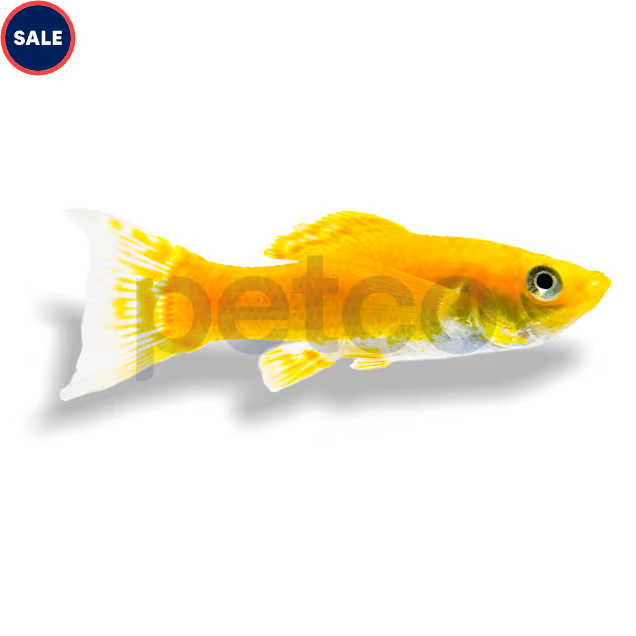
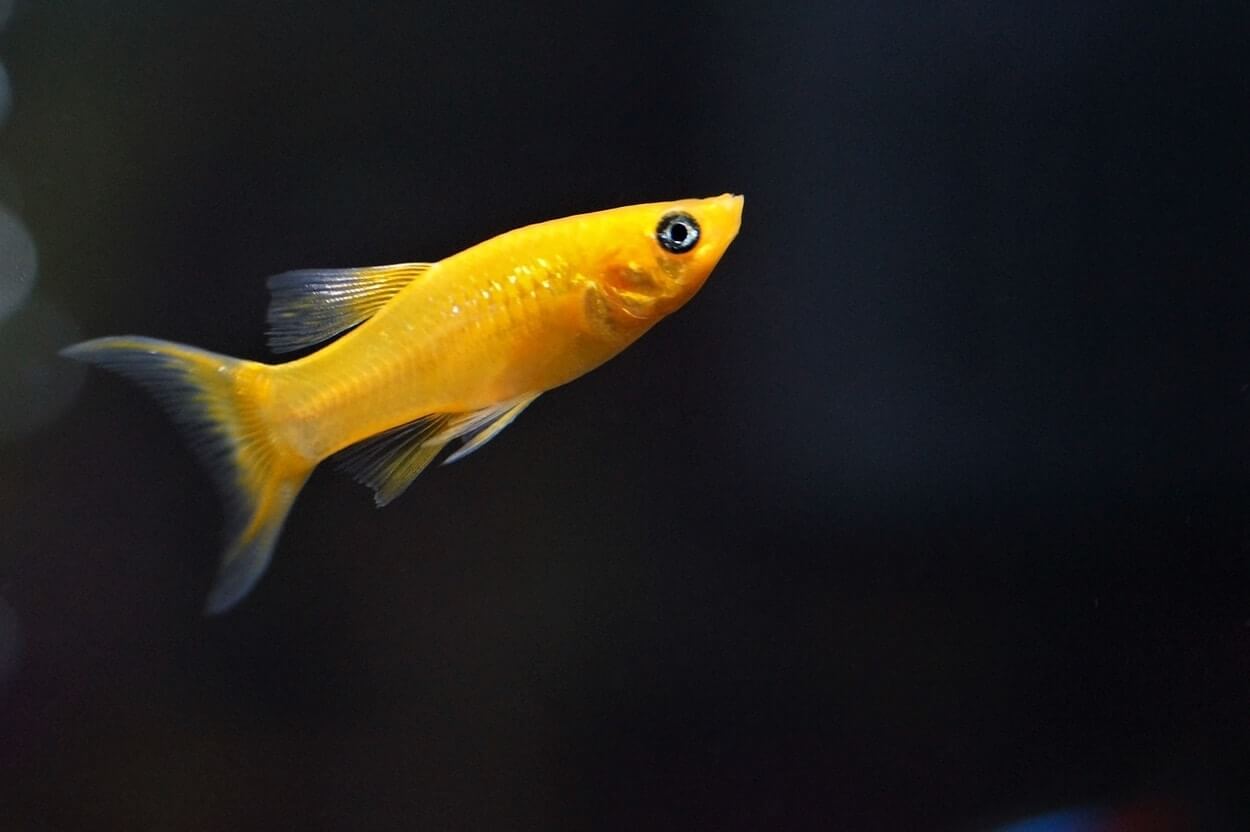
Gold Mollies have a shiny golden-yellow color covering most of their body. The gold shade can range from pale yellow to deep orange.
- Their scales reflect light, giving a metallic look.
- Some Gold Mollies have small black spots on their fins or body.
- The belly area is usually lighter in color.
Body Shape And Size
Gold Mollies have a slender and slightly elongated body. Adult fish typically grow between 3 to 4 inches long.
| Feature | Description |
| Body Length | 3 to 4 inches (7.5 to 10 cm) |
| Body Shape | Smooth, elongated with a rounded belly |
| Sexual Dimorphism | Males are slimmer; females have rounder bellies |
Fin Structure
Fins on Gold Mollies are well-developed and often translucent with a golden tint. The dorsal fin is large and upright.
- Dorsal fin has a rounded edge and stands tall.
- Caudal fin (tail) is fan-shaped and slightly forked.
- Pectoral and pelvic fins are small and help with balance.
White Molly Traits
White Mollies are a popular type of freshwater fish. They are known for their light and clean appearance. These fish are easy to spot in an aquarium.
This guide helps you identify White Mollies by their unique features. Learn about their colors, body shape, and fins.
Color Variations
White Mollies usually have a bright white color. Their shade can range from pure white to a slightly creamy tone. Some may have a slight shimmer that looks like silver.
These color variations depend on lighting and fish health. The white color helps them stand out from Gold Mollies.
Body Features
White Mollies have a smooth, streamlined body. Their shape is slightly oval and tapers near the tail. This body design helps them swim quickly.
Their size usually ranges from 3 to 4 inches long. Their scales are small and tightly packed, giving a sleek look.
Fin Details
White Mollies have clear or white fins that match their body color. Their dorsal fin is tall and slightly rounded. The tail fin is broad and fan-shaped.
- Dorsal fin helps with balance and direction
- Pectoral fins are small and help with steering
- Caudal (tail) fin provides strong propulsion
Comparing Gold And White Mollies
Gold Mollies and White Mollies are popular aquarium fish. They look similar but have key differences. Knowing these helps in identifying them correctly.
This guide compares their color, behavior, and habitat preferences. It will help you tell them apart easily.
Color Contrast
Gold Mollies have a shiny golden-yellow body. Their color can range from pale gold to deep yellow.
White Mollies are mostly white or silver. Their scales often look pearly and bright under light.
- Gold Mollies: yellow to gold shades
- White Mollies: white or silver shades
- Gold Mollies may have black spots
- White Mollies have cleaner, uniform color
Behavioral Differences
Gold Mollies are active swimmers. They often explore the whole tank and swim in groups.
White Mollies are calm and stay near plants. They tend to be less bold but still social with other fish.
- Gold Mollies: more active and curious
- White Mollies: calmer and stay near cover
- Both like to swim in groups
- Both show peaceful behavior with other fish
Habitat Preferences
Gold Mollies prefer slightly brackish water. They thrive in tanks with moderate salt levels.
White Mollies do well in freshwater tanks. They like clean water with plenty of plants.
| Type | Water Type | Tank Setup |
|---|---|---|
| Gold Molly | Brackish water | Moderate salt, open swimming space |
| White Molly | Freshwater | Plenty of plants, clean water |
Credit: www.petco.com
Common Identification Mistakes
Gold Molly and White Molly fish look similar, but they have key differences. Many beginners make mistakes when identifying them. This causes confusion in caring for the right fish.
Understanding common mistakes helps you spot the differences clearly. Learn what to watch for to avoid mixing up these two Molly types.
Misinterpreting Color Shades
People often confuse the colors of Gold and White Mollies. Lighting and water quality change how colors appear. Gold Mollies can look pale or creamy. White Mollies sometimes have a yellow tint.
- Gold Mollies usually have a warm, golden-yellow color.
- White Mollies appear bright white but may have a slight cream shade.
- Colors can fade if fish are stressed or sick.
- Tank lighting can change the fish’s true colors.
Overlooking Fin Characteristics
Fins show clear differences but are often ignored. Gold Mollies tend to have shorter fins. White Mollies usually have longer, flowing fins. Watching fin shape and size helps in correct ID.
| Feature | Gold Molly | White Molly |
|---|---|---|
| Fin Length | Short to medium | Long and flowing |
| Tail Shape | Rounded or slightly pointed | More pointed or fan-shaped |
| Dorsal Fin | Small to medium size | Large and prominent |
Ignoring Environmental Influences
Environment changes fish appearance. Water temperature and tank conditions can alter color and fin shape. Ignoring this leads to wrong ID. Check if the fish’s look matches tank conditions.
Environmental factors to consider:
- Water temperature affects color vibrancy.
- Stress from overcrowding dulls colors.
- Diet impacts fin growth and health.
- Lighting changes color perception.
Tips For Accurate Identification
Identifying Gold Molly and White Molly fish can be tricky. Both fish look similar but have key differences. Careful observation helps avoid mistakes.
This guide shares easy tips to spot the differences. Use these methods to tell Gold Molly from White Molly correctly.
Observation Techniques
Look closely at the color and body shape. Gold Molly usually has a bright yellow-gold shade. White Molly appears pale or silvery white. Notice the fins and tail patterns.
- Check the body color under good light.
- Observe the fins for any color spots or edges.
- Look at the fish’s size and shape carefully.
- Watch how the fish moves; behavior can differ slightly.
Using Magnification Tools
Magnification helps see small details clearly. Use a magnifying glass or a close-up camera lens to inspect fish scales and fin edges.
| Feature | Gold Molly | White Molly |
|---|---|---|
| Scale Color | Bright gold or yellow | Silvery white, almost translucent |
| Fin Edges | May have dark or orange edges | Usually clear or light-colored edges |
| Tail Shape | Rounded or slightly forked | More pointed or forked |
Consulting Expert Resources
Experts can give accurate fish identification help. Use trusted fish guides, aquarium forums, or local fish clubs to compare notes.
Useful expert tips include:
- Ask for photos from trusted hobbyists.
- Read verified identification guides online.
- Join fish care groups for advice.
Credit: www.aquariumsource.com
Breeding And Care Differences
Gold Molly and White Molly fish are popular among aquarium enthusiasts. Understanding their care and breeding differences is key to maintaining their health and happiness.
This guide will help you identify how to care for each type, focusing on their breeding behavior, dietary needs, and tank setup.
Breeding Behavior
Gold Mollies and White Mollies both have unique breeding behaviors. They are livebearers, meaning they give birth to live fry instead of laying eggs.
| Fish Type | Gestation Period | Fry Count |
| Gold Molly | 4-6 weeks | 10-60 fry |
| White Molly | 4-6 weeks | 10-40 fry |
Dietary Needs
Both Gold and White Mollies thrive on a balanced diet. They eat both plant matter and small proteins.
- Algae wafers
- Brine shrimp
- High-quality flake food
- Blanched vegetables
Tank Setup
Adequate tank setup is essential for the well-being of Gold and White Mollies. They need space to swim and thrive in a well-maintained environment.
Ensure the tank has:
- Adequate filtration system
- Stable water temperature between 75-80°F
- Plants for shelter and privacy

Credit: www.aquariumsource.com
Frequently Asked Questions
What Are The Main Color Differences Between Gold And White Molly?
Gold Molly has a vibrant yellow-gold body color, while White Molly appears silvery-white or pearly. Their distinct colors help easily identify them in aquariums.
How Can I Differentiate Gold Molly From White Molly By Fins?
Gold Molly usually has yellowish or transparent fins, whereas White Molly’s fins are mostly clear or white-tinted. Fin color adds another identification clue.
Are There Size Differences Between Gold Molly And White Molly?
Both Gold and White Molly fish grow to similar sizes, typically 3-4 inches. Size is not a reliable identification factor.
Do Gold Molly And White Molly Have Different Behavior Traits?
Both species share similar peaceful and social behaviors. Behavior does not distinctly differentiate Gold Molly from White Molly.
Conclusion
Gold Molly and White Molly have clear differences in color and patterns. Gold Molly shows a warm yellow shade, while White Molly looks bright and clean. Both types have similar shapes and sizes but differ mostly in their body color.
Knowing these details helps you tell them apart easily. Choose the one that fits your aquarium style best. Watching their behavior and care needs also adds to your success. Keep these points in mind for a happy and healthy fish tank.
Simple observation makes identification quick and fun.