
If you keep guppies, you know how upsetting it is to see them suffer from illnesses. One of the most common and sneaky problems is Velvet Disease.
It can quickly harm your fish and even wipe out your entire tank if you’re not careful. But what if you could stop it before it starts? You’ll discover simple and effective ways to protect your guppies from Velvet Disease.
By learning these prevention tips, you’ll keep your fish healthy and your aquarium thriving. Ready to become the guardian your guppies need? Let’s dive in.
Credit: www.best4pets.in
Causes Of Velvet Disease
Velvet disease affects guppy fish and can harm their health quickly. Knowing the causes helps prevent it.
This disease is caused by tiny parasites that live on the fish’s skin and gills. They create a dusty, velvet-like coating.
What Is Velvet Disease
Velvet disease is a fish illness caused by a parasite called Oodinium. This parasite covers the fish with fine yellow or gold dust.
It irritates the fish’s skin and gills, making it hard to breathe and eat. If untreated, it can kill the fish.
Parasite Lifecycle
The parasite starts as a free-swimming stage in water. It looks for a fish to attach to.
- The parasite finds a host and sticks to its skin or gills.
- It grows a protective covering and feeds on the fish’s cells.
- After feeding, it leaves the fish and drops to the tank bottom.
- It forms a cyst and produces new free-swimming parasites.
- The cycle repeats, spreading the disease to more fish.
Common Triggers
| Trigger | How It Affects Fish |
|---|---|
| Poor Water Quality | Stresses fish and helps parasites grow |
| Sudden Temperature Changes | Weakens fish immune systems |
| Overcrowding | Increases parasite spread between fish |
| New Fish Introduction | Brings new parasites to the tank |
Recognizing Symptoms
Guppy velvet disease is a common problem in aquariums. Early detection helps protect your fish. Learning to spot symptoms is important.
This guide explains the main signs to watch for. It covers what to see, how fish act, and how the disease affects health.
Visual Signs
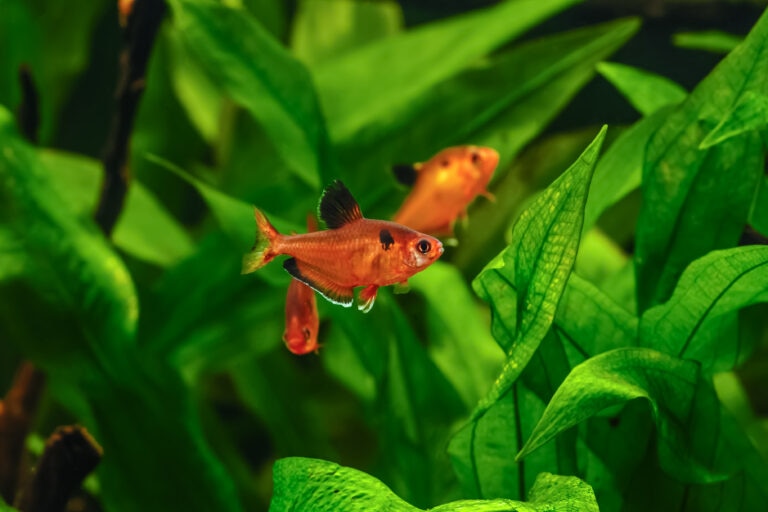
Look for a fine, dusty gold or yellow coating on the fish’s body. It looks like tiny velvet particles. Fish may also have clamped fins and pale gills.
- Fine yellow or gold dust on skin
- Clamped fins close to the body
- Cloudy eyes or pale gills
- Small white spots may appear
Behavioral Changes
Affected guppies often behave differently. They may swim slowly or hide in corners. Fish might scratch against decorations or surfaces.
| Behavior | Description |
| Reduced activity | Fish swim less and rest more |
| Hiding | Fish stay near tank bottom or behind plants |
| Scratching | Fish rub against tank walls or objects |
| Loss of appetite | Fish eat less or stop eating |
Impact On Fish Health
Velvet disease harms the fish’s body and immune system. It can cause breathing problems and stress. If untreated, it may lead to death.
| Health Effect | Details |
|---|---|
| Breathing Difficulty | Guppies may gasp at the water surface |
| Weight Loss | Fish become thin and weak |
| Stress | Increased vulnerability to other diseases |
| Death Risk | Severe infections often result in death |
Tank Setup For Prevention
Setting up your tank properly helps stop Guppy Velvet Disease. A good tank keeps fish healthy and safe.
Focus on water quality, filtration, and cleanliness. These parts work together to prevent disease.
Ideal Water Conditions
Keep water temperature steady between 75°F and 80°F. Stable temperature lowers stress for guppies.
Maintain pH levels from 7.0 to 8.0. Avoid sudden changes to prevent illness.
- Temperature: 75°F – 80°F (24°C – 27°C)
- pH Level: 7.0 – 8.0
- Water hardness: 10-20 dGH
- Regular water testing every week
Proper Filtration
Use a filter that cleans the water well. It removes waste and keeps water clear.
Choose a filter with gentle flow. Strong currents can stress guppies and cause illness.
- Use sponge or canister filters
- Clean filter media monthly
- Ensure flow is gentle, not strong
- Check filter daily to avoid clogging
Maintaining Cleanliness
Remove uneaten food and waste daily. Dirty tanks help parasites grow fast.
Do regular water changes of 25% every week. Fresh water keeps fish healthy and disease-free.
- Remove leftover food after feeding
- Vacuum gravel weekly
- Change 25% of water weekly
- Check for dead plants or fish and remove
Quarantine Practices
Quarantine practices are important to stop Guppy Velvet Disease. They help protect your main tank. Quarantine keeps new fish safe and healthy before adding them.
Using quarantine tanks lowers the risk of spreading diseases. It allows you to watch fish closely for signs of illness.
Isolating New Fish
Always isolate new guppies in a separate tank. This stops diseases from spreading to other fish. Use a clean tank with good water quality.
Observe new fish for any signs of velvet or other diseases. Keep them away from your main tank until they are healthy.
Duration And Monitoring
Keep new fish in quarantine for at least two weeks. This time lets you watch for any illness signs. Daily checks help catch problems early.
Look for symptoms like dull color, scratching, or clamped fins. Treat fish immediately if you see these signs.
- Check water temperature and quality daily
- Feed fish small amounts twice a day
- Note any behavior changes or spots on fish
Preventing Cross-contamination
Use separate tools for quarantine and main tanks. Avoid moving water or decorations between tanks. This stops germs from spreading.
Wash hands before and after handling fish or equipment. Clean nets and containers with hot water or disinfectant.
- Do not share nets between tanks
- Use different siphons for each tank
- Disinfect equipment after every use
Diet And Nutrition
Guppy velvet disease is a common problem for fish owners. A healthy diet can help prevent this disease. Proper nutrition strengthens their immune system and keeps them vibrant.
Feeding your guppies the right food ensures they grow strong. It also helps them fight off infections and diseases.
Balanced Feeding
Guppies need a variety of foods to stay healthy. A mix of proteins, fats, and carbohydrates is essential.
- Include flake food for daily nutrition
- Offer frozen or live food weekly
- Rotate food types to provide balance
Supplements For Immunity
Supplements can boost your guppy’s immune system. They help prevent diseases like velvet.
Adding vitamins and minerals to their diet is beneficial. It supports their overall health and resilience.
- Vitamin C improves immunity
- Omega-3 fatty acids support growth
- Mineral supplements strengthen bones
Avoiding Overfeeding
Overfeeding is harmful to guppies. It can lead to obesity and water pollution.
Feed them small amounts twice a day. This prevents waste and keeps them healthy.
- Measure food portions carefully
- Remove uneaten food from the tank
- Observe their eating habits regularly

Credit: jungleaquatics.com
Regular Health Checks
Regular health checks help keep guppies safe from velvet disease. Checking fish often stops sickness early. Healthy fish live longer and stay active.
Watching your fish every day helps you spot problems fast. You can act before the disease spreads.
Routine Inspections
Look at your guppies closely each day. Check their fins, body, and behavior for changes. Velvet disease shows as a dusty gold or rusty color on fish.
Also watch for slow movement or loss of appetite. These signs mean your fish might be sick.
- Check fish skin for gold or rusty spots
- Watch for scratching against objects
- Note any unusual swimming or hiding
- Look for faded colors or clamped fins
Early Intervention
Act fast if you see signs of velvet disease. Early treatment can save your fish. Quarantine sick fish to stop the disease from spreading.
Use medicines or salt baths as soon as you notice symptoms. Follow the instructions carefully to avoid harming your fish.
- Isolate affected fish immediately
- Clean the tank and remove debris
- Apply treatments recommended for velvet disease
- Keep water quality high during treatment
Record Keeping
Keep notes about your health checks and treatments. Write down dates, symptoms, and actions taken. Records help you track fish health over time.
Good records let you spot patterns and improve care. You can avoid repeated outbreaks of velvet disease.
- Note dates of health inspections
- Record any signs of illness
- Write down treatments and results
- Track water conditions regularly
Treatment Options
Guppy Velvet Disease is a common issue for fish keepers. It affects the skin and gills of guppies, causing discomfort and health problems.
Knowing how to treat it can help keep your fish healthy. Below are some treatment options that you can consider.
Medications To Use
Medications can effectively treat Velvet Disease. They help eliminate the parasites causing the illness.
- Copper-based medications are effective in treating the disease.
- Antibiotics can help prevent secondary infections.
- Follow the dosage instructions carefully to avoid harm to your fish.
Natural Remedies
Some fish owners prefer natural remedies. These can be gentler on the fish and the tank environment.
| Remedy | Effectiveness |
| Salt Baths | Reduces stress and parasites |
| Raising Water Temperature | Speeds up parasite life cycle |
| Garlic Extract | Boosts fish immunity |
When To Seek Expert Help
Sometimes, home treatments are not enough. Knowing when to seek expert help can save your guppies.
- If symptoms persist after treatment, consult a vet.
- Severe cases may require professional intervention.
- Expert advice ensures the right treatment plan.
Credit: www.chewy.com
Frequently Asked Questions
What Causes Guppy Velvet Disease?
Guppy Velvet Disease is caused by the parasite Oodinium. It attaches to fish skin and gills, causing damage and stress. The parasite thrives in poor water conditions and spreads quickly among fish.
How Can I Prevent Guppy Velvet Disease?
Maintain clean water with regular changes. Quarantine new fish before introducing them. Avoid overcrowding and keep stable water temperature. Use a good filtration system and monitor fish health daily.
What Are The Symptoms Of Guppy Velvet Disease?
Look for gold or rust-colored dust on fish skin. Fish may scratch against objects, show lethargy, or lose appetite. Gills might appear inflamed, and breathing can become labored.
Can Guppy Velvet Disease Be Treated At Home?
Yes, treat with aquarium salt and specific anti-parasitic medications. Increase water temperature slightly to speed parasite life cycle. Always follow medication instructions and continue treatment until symptoms disappear.
Conclusion
Preventing Guppy Velvet Disease keeps your fish healthy and happy. Clean water and good tank care help stop this illness. Watch your guppies often for any signs of trouble. Acting fast can save your fish from harm. Use proper treatments if you notice any symptoms.
A safe environment makes your guppies thrive. Simple steps protect your tank and fish well. Keep learning about guppy care to avoid problems. Healthy guppies bring joy and beauty to your home.