
Are you wondering how to tell when your guppy has reached maturity? Knowing the right signs can help you care for your fish better and even plan for breeding.
Identifying a mature guppy is easier than you think, once you know what to look for. You’ll discover simple tips and clear signs that show your guppy is all grown up. Keep reading to learn how to spot maturity in your guppy and make sure your aquatic friend stays healthy and happy.
Physical Traits Of Mature Guppies
Mature guppies show clear physical signs that help identify their age. These signs include changes in color, fin shape, and body size.
Knowing these traits helps in caring for guppies and understanding their growth stages.
Color Changes
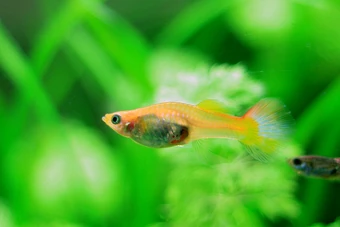
Mature guppies have brighter and more vivid colors than juveniles. Their patterns become sharper and more defined.
- Colors deepen, showing more blues, reds, and greens
- Body patterns like spots and stripes become clearer
- Color intensity helps attract mates during breeding
Fin Development
The fins of mature guppies grow longer and develop unique shapes. Male guppies show more elaborate fins than females.
| Fin Type | Juvenile | Mature |
| Caudal (Tail) Fin | Short and plain | Long and colorful |
| Dorsal Fin | Small and clear | Large with bright colors |
| Anal Fin | Simple shape | Extended with patterns (males only) |
Body Size And Shape
Mature guppies have a fuller body and larger size than young ones. Their shape becomes rounder and more balanced.
- Length ranges from 1.5 to 2.5 inches
- Thicker midsection compared to juveniles
- Females appear larger and rounder than males

Credit: jungleaquatics.com
Behavioral Signs Of Maturity
Guppies show clear behavior changes as they reach maturity. Watching these signs helps identify mature guppies in your tank.
Behavioral signs are often easier to spot than physical changes. They include how active guppies are, their mating actions, and their territorial habits.
Increased Activity Levels
Mature guppies swim more actively than younger fish. They explore their environment with energy and purpose.
This activity shows they have grown strong and ready for reproduction. Watch for quick movements and frequent swimming around the tank.
- More swimming near the surface
- Faster chasing of other fish
- Exploring hiding spots often
Mating Displays
Mature male guppies perform special displays to attract females. These include bright colors and tail movements.
Males often flare their fins and swim in circles around females. This behavior shows they are ready to breed.
- Flaring fins and tails
- Colorful flashing to females
- Following females closely
Territorial Behavior
Mature guppies may defend certain areas in the tank. They chase away other fish from their favorite spots.
This behavior helps them secure space for mating and feeding. Watch for chasing and aggressive swimming near plants or decorations.
- Chasing smaller fish away
- Guarding plants or corners
- Showing aggressive fin displays
Age Benchmarks For Growth
Guppies grow and mature in clear stages. Knowing their age helps identify their growth level.
This guide explains how to spot guppy age by size and features. It helps with care and breeding.
Typical Maturation Timeline
Guppies usually mature between one and three months old. Their size and colors change over time.
Young guppies are small and less colorful. Adults show brighter colors and full fins.
- 0 to 1 month: Fry stage, very small and transparent
- 1 to 2 months: Juvenile, starts to grow fins and color
- 2 to 3 months: Adult, full size and bright colors
Variations By Gender
Male and female guppies grow at different rates. Males mature faster and show colors sooner.
Females grow larger but take longer to develop full colors. Their fins are shorter than males.
- Males mature in about 1.5 to 2 months
- Females mature in about 2.5 to 3 months
- Males have brighter colors and longer fins
- Females are larger and less colorful
Environmental Impact On Growth
Water temperature and food quality affect guppy growth speed. Warm water speeds up growth.
Good food helps guppies develop healthy colors and fins. Poor conditions slow growth and cause stress.
- Ideal temperature: 72-82°F (22-28°C)
- High-quality food boosts color and size
- Clean water prevents diseases
- Stress slows down growth and development
Common Mistakes In Identifying Maturity
Knowing when a guppy is mature is important for breeding and care. Many people make mistakes when checking if a guppy is fully grown.
These errors can cause confusion and affect the fish’s health or breeding plans. Understanding common mistakes helps you avoid them.
Confusing Juvenile And Mature Traits
Juvenile guppies can look like adults but have key differences. Many beginners think young guppies are mature too soon.
Juveniles have smaller fins and less bright colors than adults. Their body shape is also less developed and slimmer.
- Juveniles often lack full fin length
- Colors are duller in young guppies
- Body size is smaller and less round
- Sexual organs may not be fully visible
Overlooking Subtle Indicators
Some signs of guppy maturity are small and easy to miss. This causes people to think their fish are not ready for breeding.
Look closely at fin shape, color patterns, and the gonopodium in males. These subtle signs show if a guppy is mature.
- Males develop a pointed gonopodium instead of a fan-shaped fin
- Females have a gravid spot near the rear belly
- Color patterns become clearer and brighter
- Fins grow longer and more detailed
Tips To Accelerate Guppy Growth
Guppies grow faster with the right care and environment. Knowing how to feed them and keep their tank clean helps speed growth.
This guide shares tips on diet, water quality, and tank setup for quicker guppy development.
Optimal Diet Choices
Feeding guppies a balanced diet is key to fast growth. They need proteins, vitamins, and minerals.
- Use high-quality flake food made for guppies
- Feed live foods like brine shrimp or daphnia
- Add vegetables like blanched spinach or peas once a week
- Feed small amounts two to three times daily
- Remove leftover food to avoid water pollution
Water Quality Management
Clean water helps guppies stay healthy and grow fast. Test water often for proper conditions.
| Parameter | Ideal Range |
| Temperature | 24-28°C (75-82°F) |
| pH Level | 6.8 – 7.8 |
| Ammonia | 0 ppm |
| Nitrite | 0 ppm |
| Nitrate | < 20 ppm |
Change 20% of the water weekly. Use a good filter to keep water clear.
Tank Setup Recommendations
A proper tank helps guppies grow by reducing stress and giving room to swim.
- Use a tank at least 10 gallons for a small group
- Add live plants for shelter and oxygen
- Keep water temperature stable with a heater
- Provide hiding spots with decorations or rocks
- Avoid overcrowding to reduce stress and disease

Credit: jungleaquatics.com
Credit: fish.fandom.com
Frequently Asked Questions
How To Identify A Mature Guppy By Size?
A mature guppy typically measures 1. 5 to 2 inches long. Males are smaller and more colorful, while females grow larger. Size is a clear indicator of maturity, usually reached around 3 to 4 months old.
When Do Guppies Reach Sexual Maturity?
Guppies reach sexual maturity between 2 to 4 months of age. At this stage, males develop vibrant colors and gonopodiums. Females become rounder and ready to breed. Environmental factors can slightly affect this timing.
What Physical Traits Show Guppy Maturity?
Mature guppies have fully developed fins and vibrant colors. Males show a gonopodium instead of a regular anal fin. Females appear larger with a gravid spot near the rear belly. These traits signal readiness to reproduce.
How To Distinguish Mature Male And Female Guppies?
Mature males are smaller with bright colors and a gonopodium. Females are larger, less colorful, and have a gravid spot. Observing these traits helps identify gender and maturity in guppies quickly.
Conclusion
Knowing how to identify mature guppies helps keep your tank healthy. Mature guppies show clear signs like size and color changes. Recognizing these signs makes breeding easier and avoids stress. Watch their fins and body shape closely. This knowledge saves time and effort in fish care.
Keep learning about guppy growth to enjoy your aquarium more. Simple steps lead to better fish health and happiness. Stay patient and observe often. Your guppies will thank you with vibrant life.