
If you’ve just brought home a beautiful discus fish, you might be wondering how to help it settle into its new environment safely. Acclimating your discus fish properly is the key to keeping it healthy and happy.
Without the right steps, your fish could become stressed or sick, which is the last thing you want. You’ll discover simple, effective ways to introduce your discus fish to its tank. Follow these tips, and you’ll create the perfect start for your new aquatic friend.
Keep reading to learn how to make this transition smooth and worry-free!
Credit: www.plantedtank.net
Preparing The Tank
Getting your tank ready helps discus fish adjust smoothly. A well-prepared tank makes the fish comfortable and safe.
Focus on water quality, tank setup, and good filtration. These steps create a healthy environment for discus fish.
Ideal Water Conditions
Discus fish need clean, warm, and soft water. Keep the temperature between 82°F and 86°F. The pH should be slightly acidic, around 6.0 to 7.0.
- Temperature: 82°F to 86°F (28°C to 30°C)
- pH level: 6.0 to 7.0
- Water hardness: Soft to moderately hard (1-8 dGH)
- Ammonia and nitrites: 0 ppm
- Nitrates: Less than 20 ppm
Tank Setup Essentials
Choose a tank size of at least 50 gallons for adult discus. Provide enough space for swimming and hiding spots with plants or decorations.
| Tank Size | Minimum 50 gallons (190 liters) |
| Substrate | Fine sand or smooth gravel |
| Plants | Live or artificial for hiding and comfort |
| Lighting | Moderate, avoid strong direct light |
Filtration And Aeration
Use a good filter to keep water clean and clear. Aeration helps keep oxygen levels high for discus fish health.
- Choose a filter with gentle flow to avoid stress.
- Regularly clean or replace filter media.
- Add an air stone or diffuser for oxygen supply.
- Check water movement to keep it steady but soft.
Selecting Healthy Discus
Choosing healthy discus fish is important for a successful aquarium. Healthy fish adapt better to new environments.
Look closely at the fish before buying. This will help avoid health problems later.
Signs Of Healthy Fish
Healthy discus show clear signs that you can check easily. Watch their behavior and appearance carefully.
- Bright and even color on their body
- Clear eyes without cloudiness
- Fins fully open and not torn
- Swimming actively and steadily
- No visible spots, wounds, or parasites
- Eating well when offered food
Choosing Compatible Species
Discus fish need tank mates that live in the same conditions. Choose species that do not fight or stress them.
| Species | Water Temperature (°F) | Temperament |
|---|---|---|
| Tetras | 79-86 | Peaceful |
| Corydoras Catfish | 72-79 | Calm |
| Angelfish | 78-84 | Territorial |
| Ram Cichlids | 78-84 | Peaceful |
Acclimation Methods
Acclimating discus fish carefully helps reduce stress and illness. Using the right method improves their chance to settle well in a new tank.
Each acclimation way suits different setups and fish conditions. Learn the best methods to keep your discus healthy.
Drip Acclimation Technique
The drip acclimation slowly blends tank water with transport water. This method lets fish adjust to new water chemistry gently.
- Place the fish bag in the quarantine or tank area.
- Use a clean tube to start a drip from the tank to the bag.
- Adjust the drip rate to about 2–4 drops per second.
- Let the water drip for 1 to 2 hours.
- When the volume doubles, gently transfer the fish to the tank.
Float Method Steps
The float method balances temperature first. It is simple and quick but less effective for water chemistry changes.
- Seal the fish bag tightly to keep air inside.
- Place the sealed bag on the water surface in the tank.
- Let it float for 15 to 20 minutes.
- Open the bag and add small amounts of tank water every 5 minutes.
- After 30 minutes, release the fish gently into the tank.
Using A Quarantine Tank
A quarantine tank protects your main tank from diseases. It also helps fish adjust before joining the community tank.
| Quarantine Tank Setup | Purpose | Duration |
|---|---|---|
| Separate tank with heater and filter | Observe fish health and behavior | 2 to 4 weeks |
| Use same water parameters as main tank | Reduce stress during acclimation | Continuous |
| Perform water changes regularly | Maintain water quality | Weekly or as needed |
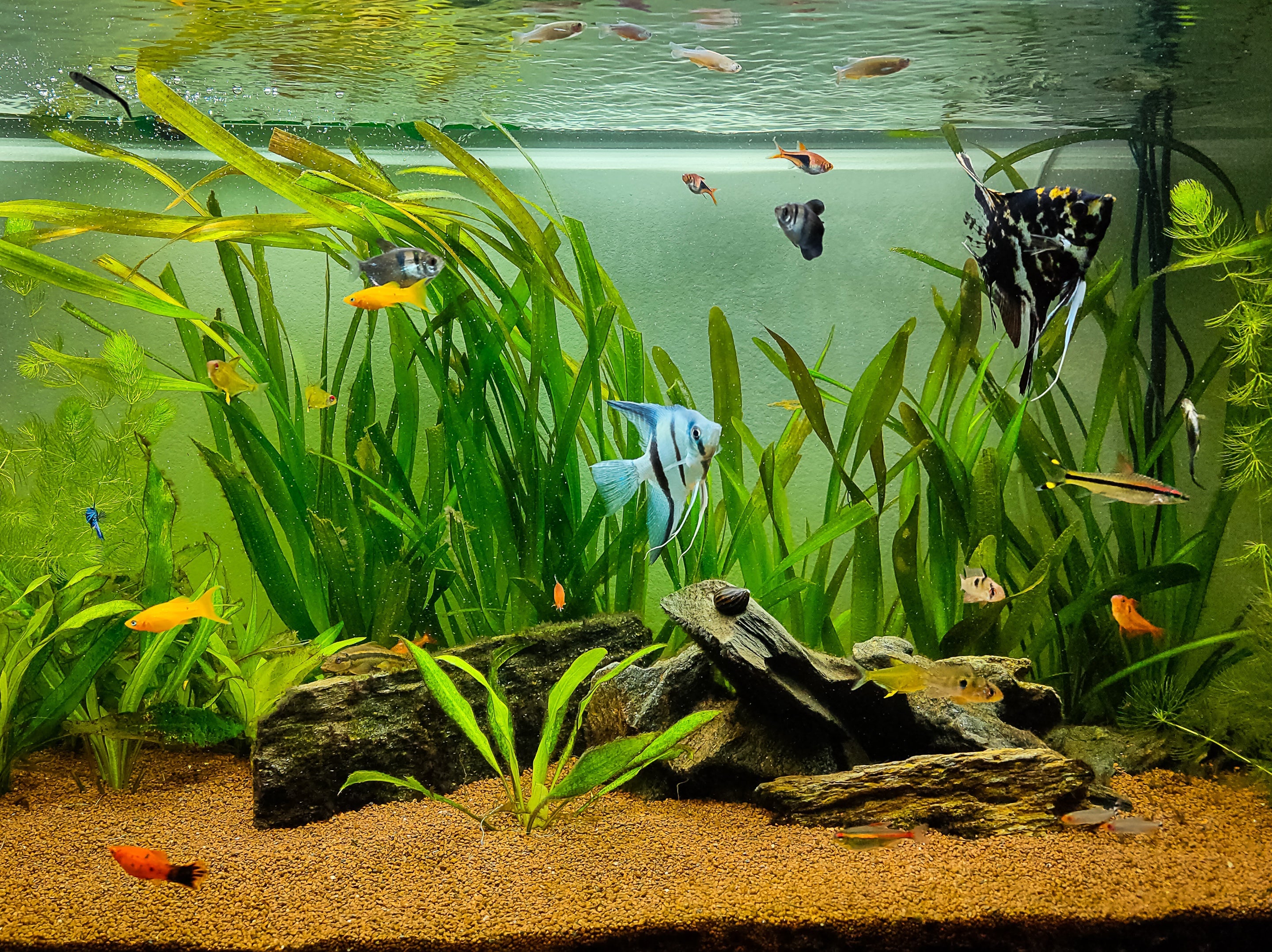
Credit: splashyfishstore.com
Monitoring Fish Behavior
Watching your discus fish closely is key when acclimating them. Their behavior shows how well they adjust to the new tank.
Understanding their actions helps you keep them healthy and happy. Learn to spot signs of stress early to act fast.
Identifying Stress Indicators
Stressed discus fish act differently than usual. Look for changes in swimming, eating, and color.
Common signs include hiding, gasping at the surface, or fading colors. These show the fish may be uncomfortable.
- Swimming erratically or staying still
- Loss of appetite
- Rapid breathing or gasping
- Clamped fins or pale colors
- Hiding more than normal
Adjusting Environment Accordingly
Change the tank conditions based on what the fish need. Small, gradual changes work best.
Check water temperature, pH, and cleanliness. Provide hiding spots and reduce bright lights if fish seem stressed.
- Keep water temperature stable around 82-86°F (28-30°C)
- Maintain pH between 6.0 and 7.0
- Perform regular water changes to keep water clean
- Add plants or decorations for hiding
- Lower light intensity if fish hide often
Feeding During Transition
Feeding discus fish during their acclimation is very important. Their diet helps them stay healthy and adjust to the new environment.
Choosing the right food and feeding at the right times supports their immune system. It also reduces stress during the transition period.
Suitable Diet Options
Discus fish need a balanced diet with proteins and vitamins. Offer a mix of frozen, live, and prepared foods to keep them strong.
- Frozen bloodworms and brine shrimp are good protein sources.
- High-quality flake or pellet food designed for discus fish adds vitamins.
- Live foods like small worms help stimulate natural feeding behavior.
- Vegetables such as spinach or peas provide fiber and nutrients.
Feeding Frequency Tips
| Age/Size | Feeding Times Per Day | Portion Size |
| Juvenile | 4-5 | Small, frequent meals |
| Adult | 2-3 | Moderate portions |
| Newly Acclimated | 3-4 | Small to avoid waste |
Feed small amounts several times daily. This reduces waste and keeps water clean. Watch your discus to adjust feeding as needed.

Credit: www.youtube.com
Maintaining Water Quality
Discus fish are sensitive and need clean water to thrive. Keeping water quality high is crucial for their health.
Proper care involves regular testing and controlling harmful substances in the water.
Regular Testing Schedule
Testing water regularly helps you monitor its quality. It ensures your fish live in a safe environment.
Use test kits to check pH, ammonia, and nitrate levels. Test your water weekly for best results.
- pH levels should stay between 6.0 and 7.5
- Check for ammonia levels weekly
- Monitor nitrate levels to prevent fish stress
Managing Ammonia And Nitrate Levels
Ammonia and nitrate are harmful to discus fish. Keep their levels low to maintain fish health.
Regular water changes help manage these levels. Use filters to keep the water clean and safe.
| Ammonia | Keep below 0.25 ppm |
| Nitrate | Keep below 20 ppm |
Common Challenges
Acclimating discus fish can be tricky. They are sensitive to changes in their environment. Understanding common challenges is key to successful acclimation.
Discus fish require stable water conditions and a calm environment. They can be prone to disease and aggression if not properly cared for.
Dealing With Disease
Discus fish are sensitive to water quality. Poor conditions can lead to disease. It’s important to maintain clean water to keep them healthy.
Regular water changes and monitoring can prevent diseases. Use a reliable water test kit to check parameters like pH and ammonia levels.
- Check water parameters weekly
- Change 25% of the water regularly
- Use a high-quality filter
Handling Aggression
Discus fish can show aggression, especially in overcrowded tanks. Providing enough space is crucial to reduce stress and aggression.
Introduce discus fish to the tank gradually. Monitor their behavior to ensure they get along well with tank mates.
- Keep the tank spacious
- Provide hiding spots
- Observe fish interactions closely
Frequently Asked Questions
What Is The Best Way To Acclimate Discus Fish?
The best way is the drip acclimation method. It gradually adjusts water parameters. This reduces stress and prevents shock. It takes about 1-2 hours for safe acclimation.
How Long Should Discus Fish Be Acclimated?
Discus fish should be acclimated for 1 to 2 hours. This slow process helps them adjust to new water conditions. Rushing can cause stress and health issues.
Why Is Temperature Important When Acclimating Discus Fish?
Discus fish are sensitive to temperature changes. Sudden shifts can cause shock or illness. Maintaining stable water temperature during acclimation ensures their health and well-being.
Can I Acclimate Discus Fish Directly Into The Aquarium?
No, direct transfer can shock discus fish. Gradual acclimation is essential to adjust water chemistry. This prevents stress and increases survival chances.
Conclusion
Acclimating discus fish takes patience and care. Keep water conditions stable and match the tank environment. Slowly introduce the fish to new water to reduce stress. Watch the fish closely for signs of discomfort or illness. Good acclimation helps discus fish stay healthy and active.
Taking these steps ensures your fish adjust well and live happily. A calm approach leads to a thriving aquarium.