
If you love keeping Betta fish, you know how frustrating it can be when illness strikes your beautiful pets. What if you could choose Betta strains that naturally resist common diseases?
Imagine spending less time worrying about sickness and more time enjoying your vibrant fish. You’ll discover the best disease resistant Betta strains that can make your aquarium healthier and your care routine easier. Keep reading to find out how to protect your Bettas and keep them thriving.
Common Betta Diseases
Betta fish are popular pets, but they can get sick. Knowing common diseases helps keep them healthy.
Many bettas face similar health problems. Early signs can prevent serious issues.
Fin Rot
Fin rot is a bacterial infection that damages the fins. It causes ragged, frayed edges on the tail and fins.
Poor water quality often causes fin rot. Stress and injuries can make bettas more vulnerable.
- Fins look torn or fuzzy
- Fins may change color to white or red
- Fish may stop swimming actively
Ich
Ich is a common parasite that looks like white spots on bettas. It causes itching and discomfort.
Bettas with ich may rub against objects and lose appetite. The parasite spreads quickly in tanks.
- White spots appear on body and fins
- Fish scratch against surfaces
- Breathing becomes rapid or labored
Velvet Disease
Velvet disease is caused by tiny parasites. It gives the fish a dusty, gold or rusty look.
Bettas with velvet disease may hide and lose their appetite. The disease can cause breathing problems.
- Fine gold or rust-colored dust on skin
- Clamped fins and slow movement
- Gasping at the water surface
Dropsy
Dropsy is a serious condition where the fish’s body swells. It happens due to fluid build-up inside.
The scales may stick out, making the fish look like a pinecone. Dropsy often indicates organ failure.
- Swollen belly and raised scales
- Loss of appetite and lethargy
- Difficulty swimming or floating
Traits Of Disease Resistant Bettas
Disease resistant bettas have special traits that help them stay healthy. These traits come from their genes and how they adapt to their environment.
Understanding these traits helps breeders and hobbyists choose strong and healthy fish.
Genetic Strength
Strong genetics make bettas less likely to get sick. This strength comes from good breeding practices and healthy parent fish.
- Inherit strong genes from healthy parents
- Reduced chance of genetic diseases
- Better growth and development
- Improved resistance to infections
Robust Immune System
A good immune system helps bettas fight off germs and parasites. This system protects the fish from common diseases in tanks.
| Immune Feature | Benefit |
| Strong white blood cells | Fights bacteria and viruses |
| Effective healing process | Recovers quickly from injuries |
| Resistance to parasites | Prevents infestations |
Adaptability To Environment
Bettas that adjust well to different water and tank conditions are healthier. They can live in various environments without stress.
- Can handle changes in water temperature
- Tolerate different water pH levels
- Adapt to varying tank sizes and setups
- Manage changes in diet and feeding schedules
Top Disease Resistant Betta Strains
Betta fish are popular pets known for their colors and fins. Some betta strains resist diseases better than others. Choosing disease-resistant strains helps keep your fish healthy.
This guide covers four top betta strains that show strong disease resistance. These strains adapt well and recover faster from common illnesses.
Plakat Betta
Plakat bettas have short, sturdy fins and a strong body. Their compact shape makes them less prone to fin damage. This helps reduce infections from fin rot.
They are active swimmers with good immunity. Plakats adapt well to different water conditions, which lowers stress and disease risk.
Halfmoon Betta
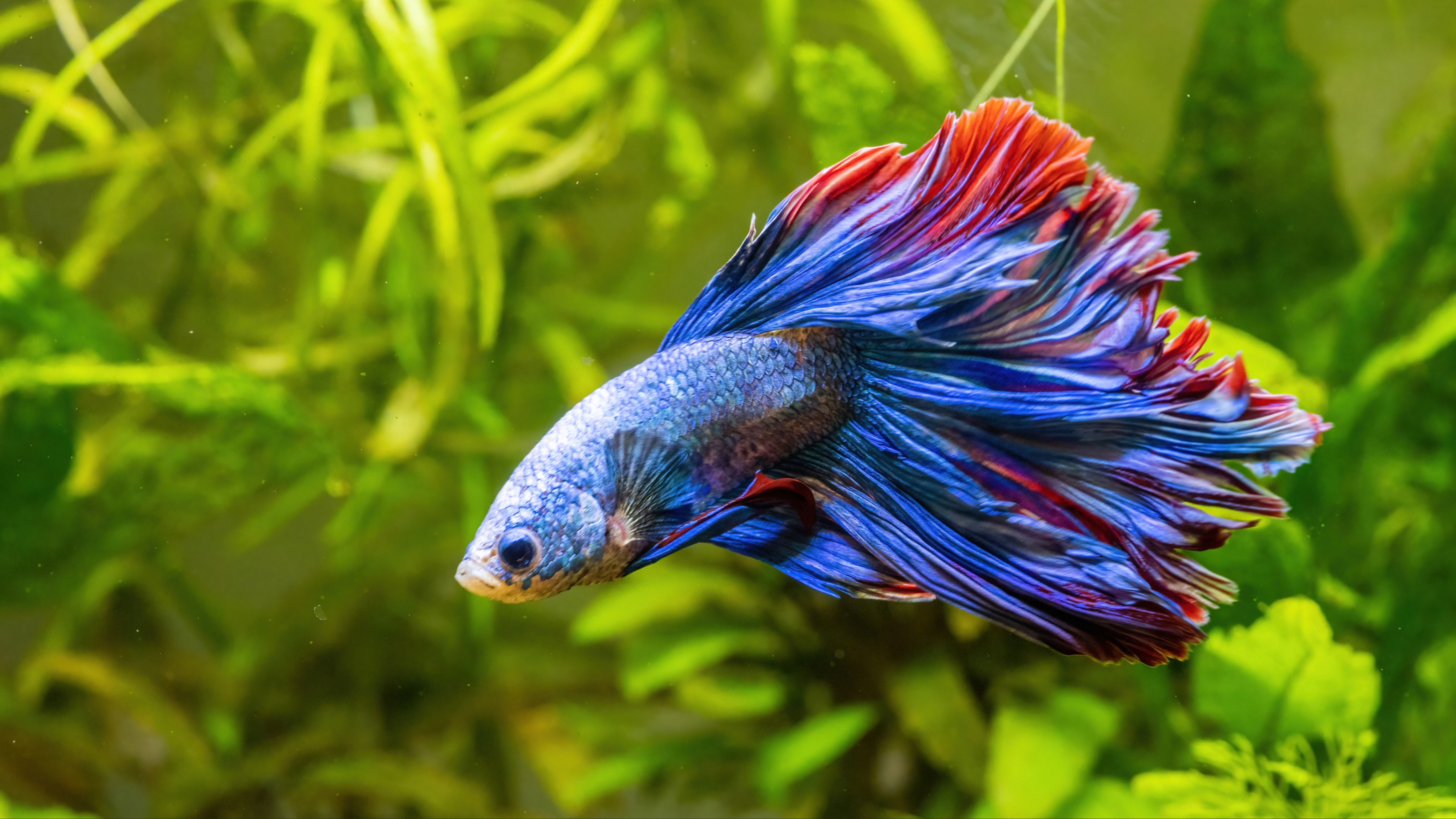
Halfmoon bettas have large, rounded tails that spread wide. Despite their delicate fins, they often show strong health. Their genetics help them fight off common diseases.
They need clean water and good care to stay healthy. With proper care, halfmoons resist fungal and bacterial infections well.
Crowntail Betta
Crowntail bettas have unique, spiky fins. These fins have less webbing, which reduces places for bacteria to grow. This trait helps lower the chance of fin diseases.
Their hardy nature helps them survive mild water changes. Crowntails are good for beginners wanting a tough betta strain.
Veiltail Betta
Veiltail bettas have long, flowing fins. These fins need extra care, but veiltails have strong immune systems. They resist common infections if kept in good conditions.
Veiltails benefit from stable water and regular tank cleaning. Their resistance improves with proper diet and care.
Credit: www.bettafish.com
Care Tips For Healthy Bettas
Betta fish are beautiful and lively pets. Keeping them healthy needs proper care and attention.
Using disease-resistant Betta strains helps, but good habits keep them strong and happy.
Proper Tank Setup
Choose a tank of at least 5 gallons for one Betta. Bigger tanks mean more stable water conditions.
Add hiding spots like plants or caves. Bettas feel safe and less stressed in a cozy tank.
- Use a lid to prevent jumping
- Keep the tank away from direct sunlight
- Choose gentle filters that don’t create strong currents
Water Quality Maintenance
Clean water is key to preventing disease. Test water regularly to keep it safe for your Betta.
Change 25% of the water weekly. Use a water conditioner to remove harmful chemicals.
- Keep temperature between 76°F and 82°F
- Check pH level; ideal is 6.5 to 7.5
- Remove uneaten food to avoid water pollution
Balanced Diet
Feed your Betta a mix of pellets, flakes, and frozen foods. Variety helps them get all nutrients.
Feed small amounts 1-2 times a day. Overfeeding causes health problems and dirty water.
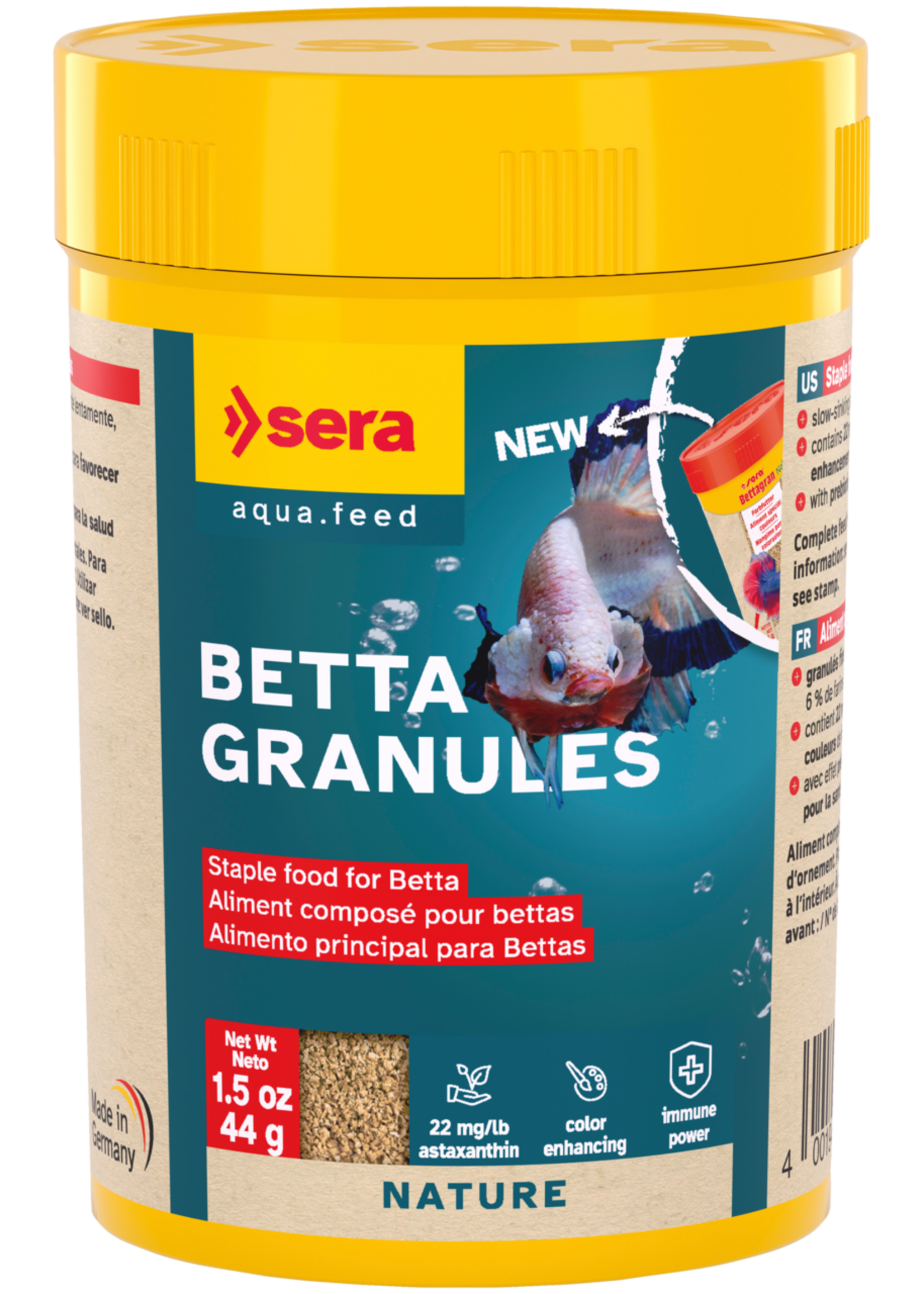
- Use high-quality Betta pellets as the main food
- Offer freeze-dried or frozen bloodworms or brine shrimp
- Remove leftover food after 5 minutes
Stress Reduction
Stress weakens Bettas and makes them sick. Keep their environment calm and stable.
Limit loud noises and sudden movements near the tank. Bettas do best with a quiet home.
- Provide plants and hiding spots to feel secure
- Avoid overcrowding the tank with other fish
- Keep a regular feeding and cleaning schedule
Breeding For Disease Resistance
Breeding bettas for disease resistance helps keep fish healthy. It focuses on choosing strong parents with good traits.
This practice reduces the chance of common illnesses in bettas. It also supports better survival and growth rates.
Selective Breeding Practices
Selective breeding means picking bettas that show strong health. Breeders look for fish that resist infections well.
- Choose parents free from disease signs
- Breed fish with strong immune responses
- Avoid using weak or sick fish for breeding
- Test offspring for resistance before breeding again
Maintaining Genetic Diversity
Keeping genetic diversity helps avoid health problems caused by inbreeding. It creates a stronger betta population.
| Method | Purpose |
| Outcrossing | Mix genes from different strains |
| Rotating Breeders | Use different parents each generation |
| Tracking Lineages | Prevent close relatives from mating |
Recognizing Healthy Traits
Healthy bettas show clear signs of good disease resistance. Breeders must know what traits to watch for.
- Bright, clear eyes without cloudiness
- Strong fins with no tears or spots
- Active swimming and good appetite
- Consistent color without dull patches
- Clean scales without redness or swelling
Credit: www.petsradar.com
Credit: www.thehiddenreef.com
Frequently Asked Questions
What Are The Most Disease Resistant Betta Strains?
Popular disease resistant Betta strains include Halfmoon, Plakat, and Delta. These strains have stronger immune systems and better adaptability to tank conditions, reducing their risk of common diseases like fin rot and ich.
How To Identify Disease Resistant Betta Fish?
Disease resistant Bettas often show vibrant colors, active behavior, and clear fins. Healthy scales and strong swimming abilities also indicate good resistance to infections and stress-related illnesses.
Can Disease Resistant Bettas Live Longer?
Yes, disease resistant Betta strains usually have longer lifespans. Their robust immune systems help them fight infections, leading to healthier lives and fewer medical treatments over time.
Do Disease Resistant Bettas Require Special Care?
Disease resistant Bettas need standard care, including clean water and proper diet. Good tank maintenance and stress reduction remain essential to keep them healthy and disease-free.
Conclusion
Choosing betta disease resistant strains helps keep your fish healthy longer. These strains handle common illnesses better than others. Healthy bettas need less medicine and care. Good water and proper food also support their health. Watch your fish daily for any changes.
Early action can stop diseases from spreading. Enjoy your vibrant, lively betta with less worry. Disease resistant bettas make fishkeeping easier and more fun. Keep learning about their needs to help them thrive. A healthy betta brings joy and beauty to any aquarium.