
If you’ve ever wanted a fish that’s both beautiful and easy to care for, angelfish might be the perfect choice for your aquarium. These graceful swimmers bring color and life to any tank, making them a favorite among fish lovers.
But there’s more to angelfish than just their looks. Understanding their behavior, diet, and tank needs can help you create a thriving environment for them. Keep reading, and you’ll discover everything you need to know to make your angelfish happy and healthy.
Credit: yourlocalfishstore.com
Angelfish Basics
Angelfish are popular freshwater fish with a unique shape. They are part of the cichlid family and are loved by many aquarium owners.
These fish have special features and behaviors that make them interesting to learn about and care for in home tanks.
Physical Features
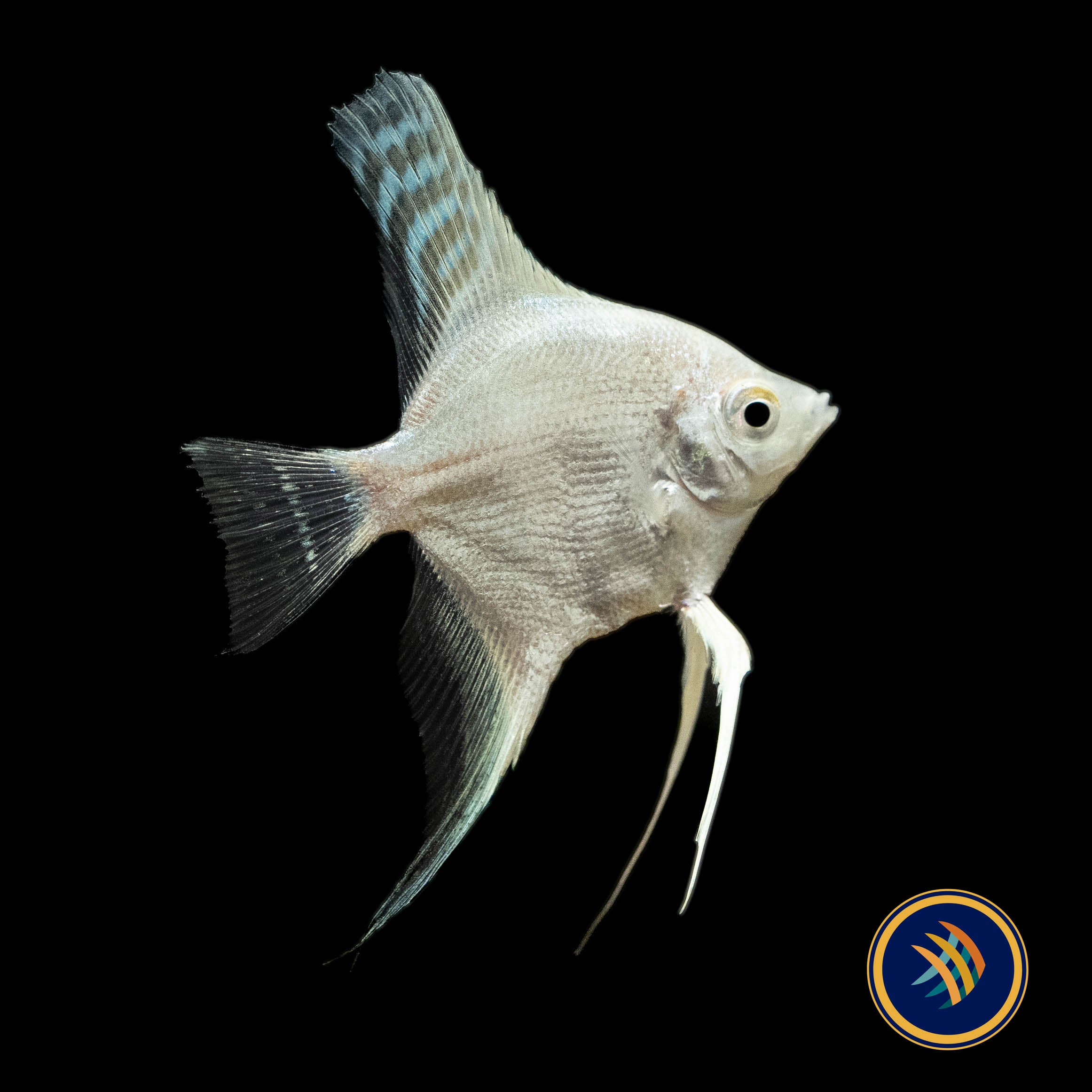
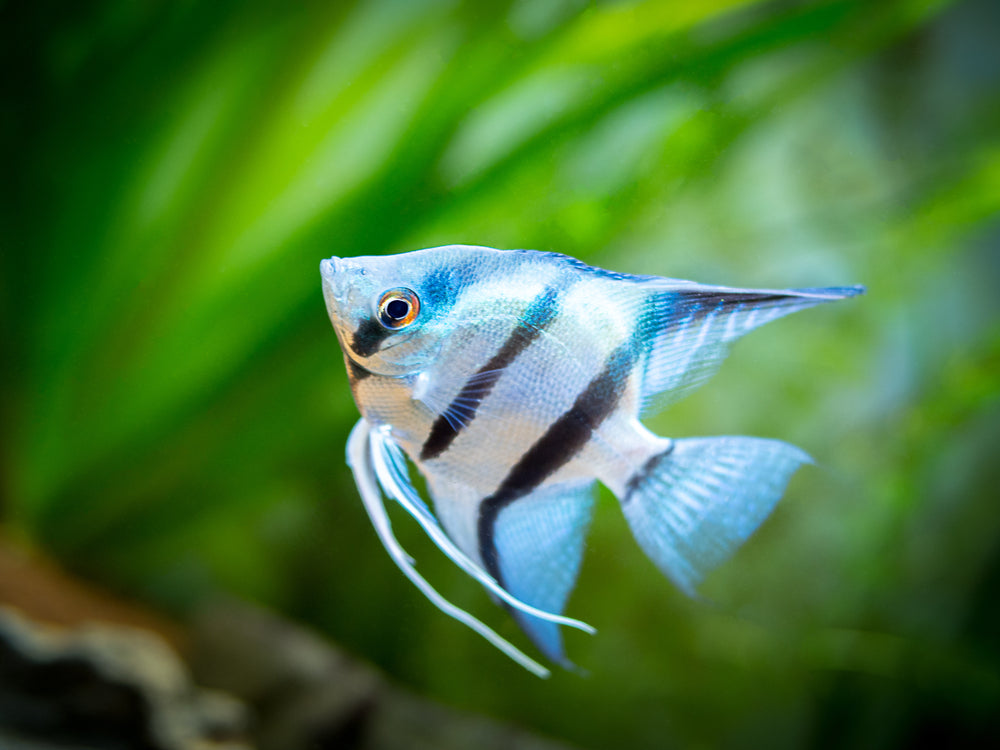
Angelfish have a tall, thin body with long fins that look like wings. Their colors can vary from silver to black, with stripes or spots.
- Body shape: laterally compressed and tall
- Fins: long dorsal and anal fins
- Colors: silver, black, and striped patterns
- Size: usually grows up to 6 inches long
Natural Habitat
Angelfish live in slow-moving waters of the Amazon River basin. They prefer warm water with plenty of plants and hiding places.
| Location | Water Type | Temperature |
| Amazon River | Freshwater | 75–82°F (24–28°C) |
| Flooded Forests | Soft, acidic water | 75–82°F (24–28°C) |
| Slow-moving Streams | Clear to murky water | 75–82°F (24–28°C) |
Behavior Traits
Angelfish are peaceful but can be territorial. They like to swim in pairs or small groups and stay near plants.
Common behavior traits include:
- Territorial but mostly peaceful
- Swim slowly and gracefully
- Pair bonding during breeding
- Hiding among plants for safety
Credit: aquaristsacrosscanada.com
Setting Up The Aquarium
Setting up an aquarium for angelfish needs care and planning. A good setup helps them live healthy and happy.
This guide covers tank size, water conditions, and decor for angelfish tanks.
Tank Size Requirements
Angelfish need enough space to swim and grow. A small tank can cause stress and health problems.
A tank should be at least 20 gallons for one angelfish. Add 10 gallons for each extra fish.
- Minimum 20 gallons for one angelfish
- 30 gallons or more for pairs or groups
- Taller tanks are better than wide ones
Water Conditions
Angelfish prefer warm, soft water with a neutral pH. Stable water keeps them healthy.
Keep the temperature between 76°F and 82°F. The pH should be between 6.5 and 7.5.
- Temperature: 76°F to 82°F (24°C to 28°C)
- pH level: 6.5 to 7.5
- Soft to moderately hard water
- Regular water changes every 1-2 weeks
Decor And Plants
Decor and plants give angelfish places to hide and explore. They also make the tank look natural.
Use tall plants and smooth decorations. Avoid sharp edges that can hurt the fish.
- Tall live plants like Amazon swords or java fern
- Driftwood or smooth rocks for hiding spots
- Open swimming space in the center
- Avoid sharp or rough decorations
Feeding Angelfish
Feeding angelfish properly is important for their health and growth. They need a balanced diet to stay active and colorful.
Understanding what to feed and when helps keep angelfish happy in your aquarium.
Ideal Diet
Angelfish eat both plants and meat. They need a mix of foods to get all nutrients. Use high-quality flakes or pellets made for tropical fish.
Include live or frozen foods like brine shrimp, bloodworms, and daphnia. These help boost their protein intake.
- High-quality flakes or pellets
- Brine shrimp (live or frozen)
- Bloodworms
- Daphnia
- Vegetable matter like spinach or peas
Feeding Schedule
Feed angelfish two to three times a day. Give only what they can eat in two to three minutes. Avoid overfeeding to keep water clean.
Young angelfish may need smaller meals more often. Adults do well with regular feeding times.
- Feed 2-3 times daily
- Offer small amounts each time
- Remove uneaten food after 3 minutes
- Adjust feeding for young fish
Foods To Avoid
Do not feed angelfish bread, chips, or human food. These can harm their digestive system. Avoid fatty or processed foods.
Stay away from foods that float on water surface only. Angelfish prefer food in the middle or bottom of the tank.
- Bread and chips
- Human food scraps
- Fatty or processed foods
- Foods that only float on surface
Health And Disease Prevention
Angelfish are beautiful pets but need proper care to stay healthy. Understanding common health issues helps prevent diseases.
Good practices ensure your angelfish live long and happy lives. Focus on their environment and behavior to spot early signs of trouble.
Common Illnesses
Angelfish can suffer from several diseases. Knowing them helps in early detection and treatment.
- Ich: Tiny white spots on the body and fins.
- Fin Rot: Fins appear frayed and discolored.
- Fungal Infections: Cotton-like growths on the skin.
Signs Of Stress
Stress can weaken angelfish, making them prone to illnesses. Look for behavioral changes to identify stress.
Stressed angelfish may hide, stop eating, or swim erratically. Addressing these signs quickly is important.
Maintaining Water Quality
Clean water is crucial for angelfish health. It prevents disease and stress.
Regularly check water temperature, pH, and ammonia levels. Use filters and change water weekly to maintain quality.
| Parameter | Ideal Range |
| Temperature | 75-82°F (24-28°C) |
| pH Level | 6.5-7.5 |
| Ammonia | 0 ppm |
Breeding Angelfish
Breeding angelfish is a rewarding experience for aquarium hobbyists. It requires patience and a good understanding of their needs.
Setting up the right environment and caring for the young fish are key to success. This guide covers important steps to help you breed angelfish.
Pair Selection
Selecting a healthy pair is the first step. Look for active fish with no signs of disease or deformities. A good pair will show interest in each other and clean a flat surface together.
- Choose angelfish that are about 6 months old or older.
- Observe their behavior for bonding signs.
- Avoid pairing siblings to reduce genetic problems.
Spawning Setup
Prepare a tank with soft water and stable temperature around 78°F (25.5°C). Use a flat vertical surface like a slate or broad leaf for egg laying.
| Parameter | Recommended Level |
| Temperature | 78°F (25.5°C) |
| pH | 6.5 to 7.0 |
| Water Hardness | Soft to moderate (3-8 dGH) |
| Lighting | Dim to moderate |
Keep water clean with gentle filtration. Remove other fish to avoid stress or egg predation.
Caring For Fry
Once eggs hatch, the fry need special care. Feed them tiny live foods for best growth. Keep water quality high and watch for signs of illness.
- Feed newly hatched brine shrimp or finely crushed flakes.
- Perform small water changes daily.
- Keep tank temperature steady around 78°F (25.5°C).
- Separate fry from adult fish after 3 weeks to avoid aggression.
Tank Mates And Compatibility
Angelfish are popular among aquarium enthusiasts. They are known for their graceful swimming and striking appearance. Choosing the right tank mates is important for a harmonious aquarium.
Before adding other fish to your angelfish tank, consider compatibility. This helps ensure a peaceful environment for all inhabitants.
Suitable Species
Some fish species coexist well with angelfish. These species share similar water and habitat needs.
- Neon Tetras
- Gouramis
- Corydoras Catfish
- Bristlenose Plecos
Aggression Management
Angelfish can sometimes be territorial. Managing aggression is key to a peaceful tank.
| Behavior | Solution |
| Nipping | Provide more space and hiding spots |
| Chasing | Introduce more plants or decorations |
| Flaring | Reduce stress factors like noise |
Community Tank Tips
Creating a community tank requires planning. Consider these tips for a successful setup.
- Ensure water conditions meet the needs of all species
- Feed a balanced diet to avoid competition
- Monitor interactions regularly
Routine Maintenance
Keeping your angelfish healthy takes regular care. Routine maintenance helps avoid problems.
Simple daily and weekly tasks keep the tank clean and safe for your fish.
Cleaning Schedule
Clean the tank to remove waste and algae. This keeps water clear and fish happy.
Wipe tank glass and decorations every week. Remove uneaten food daily to prevent decay.
- Daily: Remove leftover food
- Weekly: Clean glass and decorations
- Monthly: Deep clean substrate
Water Changes
Change some water regularly to keep it fresh and healthy. This lowers toxins in the tank.
Replace 20% to 30% of water every week. Use a water conditioner to remove chlorine before adding.
- Use a siphon to remove water and debris
- Add water at the same temperature as the tank
- Test water quality often for ammonia and nitrate levels
Equipment Checks
Check all equipment to make sure it works well. Proper gear keeps water clean and healthy.
Look at the filter, heater, and lights every week. Fix or replace any broken parts right away.
- Clean or replace filter media monthly
- Check heater temperature daily
- Ensure lights work for 8 to 10 hours per day

Credit: en.wikipedia.org
Frequently Asked Questions
What Do Angelfish Eat In Captivity?
Angelfish eat flakes, pellets, and frozen foods like brine shrimp. A balanced diet keeps them healthy and vibrant.
How Big Do Angelfish Grow In Aquariums?
Angelfish typically grow 6 inches tall and 8 inches long in home tanks. Size depends on tank conditions.
Are Angelfish Peaceful Or Aggressive Fish?
Angelfish are semi-aggressive. They may show territorial behavior but often coexist with other species if space is ample.
How Often Should I Change Water For Angelfish?
Change 25% of the water weekly to maintain cleanliness and health. Stable water quality prevents diseases.
Conclusion
Angelfish add beauty and calm to any aquarium. They are easy to care for with the right tank setup. Watching their graceful movements can be very relaxing. Remember to keep water clean and feed them well. Their unique shapes and colors make them special pets.
Enjoy the peace they bring to your home. Caring for angelfish teaches patience and responsibility. A simple tank can hold a bright, lively world. Give these fish a good home, and they will thrive.