
If you’re serious about breeding betta fish, using the right breeding cage can make all the difference. You want a setup that keeps your fish safe, comfortable, and ready to produce healthy fry.
But with so many options out there, how do you choose the best one for your needs? This guide will help you understand why a betta breeding cage is essential and how to use it effectively to improve your breeding success.
Keep reading to learn the secrets that can turn your breeding efforts into a rewarding experience.
Choosing The Right Cage
Using a proper breeding cage is key for Betta fish care. It protects the fry and keeps the parents safe.
Picking the right cage depends on material, size, and design. These factors help create a healthy breeding space.
Material And Size Options
Breeding cages come in plastic, glass, and mesh. Each material offers different benefits for Betta fish.
Size matters to give enough room. A cage should fit the aquarium and allow space for movement.
- Plastic cages are lightweight and easy to clean
- Glass cages are sturdy but heavier
- Mesh cages allow good water flow and ventilation
- Small cages suit single pairs or fry
- Larger cages give more swimming space
Design Features To Look For
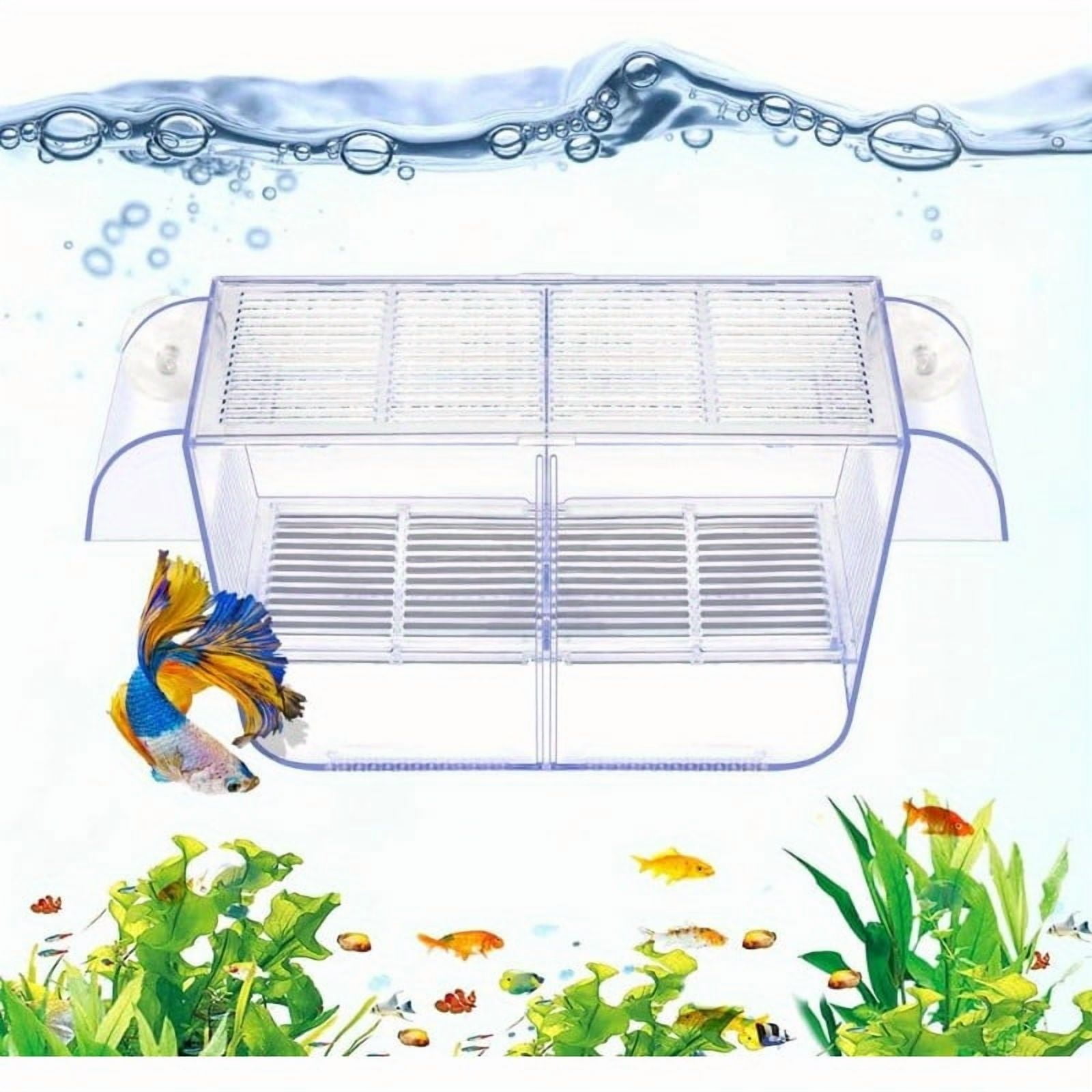
Good design helps keep fish safe and comfortable. Look for smooth edges to avoid injury.
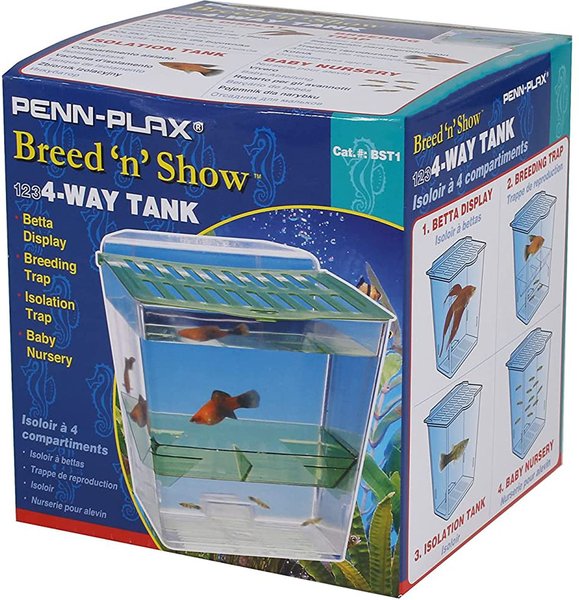
Some cages have built-in partitions or removable panels. These make feeding and cleaning easier.
- Rounded corners reduce stress and damage
- Removable lids prevent escapes but allow air flow
- Partitions separate male and female fish if needed
- Clear walls let you watch the fry grow
Placement In The Aquarium
Place the breeding cage where the water is calm. Avoid strong currents that stress the fish.
Keep the cage near plants or decorations. This gives the Betta places to hide and feel secure.
- Use a low-flow area for better fry survival
- Position cage away from filters or heaters
- Ensure easy access for feeding and cleaning
- Keep lighting moderate to reduce stress
Credit: www.walmart.com
Preparing The Cage
Setting up a betta breeding cage needs careful preparation. A clean and safe environment helps the fish thrive.
Follow simple steps to prepare the cage before introducing your betta fish for breeding.
Cleaning And Sterilization
Clean the cage thoroughly to remove dirt and chemicals. Use warm water and a soft cloth or sponge. Avoid harsh soaps that can harm the fish.
After cleaning, sterilize the cage to kill any bacteria or parasites. A mild bleach solution works well. Rinse the cage several times to ensure no bleach remains.
Adding Suitable Substrate
Choose the right substrate to create a natural environment. Avoid sharp or rough materials that can hurt the bettas.
- Use fine sand or smooth gravel
- Rinse substrate well before adding to the cage
- Keep substrate layer thin for easy cleaning
- Avoid substrates that change water chemistry
Incorporating Hiding Spots
Bettas need places to hide and feel secure during breeding. Add simple decorations that offer shelter without crowding the cage.
| Hiding Spot Type | Benefit |
| Live plants | Provide cover and improve water quality |
| Small caves | Offer secure hiding places |
| Floating leaves | Give resting spots near the surface |
| Leaf hammocks | Help bettas rest comfortably |
Selecting Healthy Betta Pairs
Selecting healthy betta pairs is key for successful breeding. Healthy fish have better chances of producing strong fry.
Choosing the right males and females helps avoid problems during breeding. Watch their behavior and physical condition carefully.
Identifying Breeding-ready Males
Breeding-ready males show bright colors and strong fins. They build bubble nests as a sign of readiness.
Look for males that are active and not stressed. Avoid males with torn fins or dull colors.
- Bright and vivid colors
- Full, healthy fins
- Active swimming behavior
- Bubble nest building
- No signs of illness or damage
Choosing Compatible Females
Females ready to breed have a round belly and vertical stripes on their body. They should be calm but responsive.
Avoid females that look thin or stressed. Compatibility with the male reduces aggression during breeding.
- Round belly indicating eggs
- Vertical body stripes visible
- Calm but alert behavior
- Healthy and free of injuries
- Compatible size with the male
Monitoring Fish Behavior
Watch how the male and female interact before breeding. Signs of aggression can cause stress and failure.
Healthy pairs show curiosity and gentle nudging. If fighting starts, separate them to avoid harm.
- Observe bubble nest activity
- Notice gentle approaches and nudges
- Stop breeding if fighting occurs
- Keep water clean to reduce stress
- Provide hiding spots for the female
Setting Optimal Water Conditions
Keeping the right water conditions is key for betta breeding cages. Healthy water helps bettas stay strong and breed well.
Small changes in water can affect the fish. Watch temperature, pH, and cleanliness closely for the best results.
Temperature And Ph Levels
Bettas need warm water between 78°F and 80°F. Cooler water can slow their activity and breeding.
Keep the pH level near neutral, around 6.5 to 7.5. Extreme pH can stress the fish and harm eggs.
- Use a reliable aquarium heater to keep water warm.
- Test pH with a water test kit regularly.
- Avoid sudden changes in temperature or pH.
Water Quality Maintenance
Clean water keeps bettas healthy and reduces fungus or bacteria risks. Change water often but gently.
| Task | Frequency |
| Partial water change (20-30%) | Twice a week |
| Check ammonia and nitrite levels | Every 3 days |
| Remove uneaten food and debris | Daily |
Lighting Considerations
Bettas prefer low to moderate light. Too much light can stress them and affect breeding.
Use a timer to keep light on for about 8 to 10 hours each day.
Soft lighting mimics natural conditions and helps bettas feel safe.
Introducing Bettas To The Cage
Introducing Bettas to a breeding cage requires patience and care. Proper introduction ensures a smooth transition and successful pairing.
Understanding the needs of Bettas helps in creating a stress-free environment for them. Let’s explore some techniques for a successful introduction.
Acclimation Techniques
Acclimating Bettas slowly to the new environment is crucial. This helps reduce stress and aggression.
Start by floating the bag in the cage water for about 15 minutes. Gradually mix the cage water into the bag to equalize temperatures.
- Float the bag for 15 minutes
- Add cage water slowly
- Let Bettas swim out on their own
Managing Aggression
Bettas are territorial and can be aggressive. Monitoring them closely during the introduction is important.
Use a divider if aggression is high. This allows them to see each other without physical contact. Remove the divider once they seem calm.
- Observe Bettas closely
- Use a divider if needed
- Wait for calm behavior
Timing For Pairing
Timing is important when pairing Bettas. Ensure both are healthy and showing signs of readiness.
Introduce them when they are well-fed and active. This increases the chances of successful breeding.
- Check health and readiness
- Feed them well before introduction
- Look for active behavior

Credit: www.amazon.in
Supporting Spawning And Fry Development
Using a Betta breeding cage helps create a safe space for spawning. It also protects the eggs and fry from harm. This guide covers key points to support your Betta’s breeding success.
Proper care during spawning and fry development improves survival rates. Knowing what signs to watch for and how to feed fry is important.
Recognizing Spawning Signs
Betta fish show clear signs before spawning. Males build bubble nests at the water surface. Females develop vertical stripes and may act restless.
- The male flares his fins and swims near the nest.
- The female swims close but hides at times.
- The male wraps the female during spawning.
- Eggs fall into the bubble nest after release.
Caring For Eggs And Fry
Keep the breeding cage clean and water calm to protect eggs and fry. Remove the female after spawning to avoid aggression from the male.
| Task | Timing | Notes |
| Remove Female | After eggs appear | Protects female from male |
| Keep Water Warm | Throughout incubation | Ideal: 78–80°F (25–27°C) |
| Remove Uneaten Food | Daily | Prevents water pollution |
| Monitor Fry | First 2 weeks | Watch for health and growth |
Feeding And Growth Tips
Start feeding fry small live foods or specialized fry food. Feed tiny portions multiple times daily. Avoid overfeeding to keep water clean.
- Days 1-3: Infusoria or liquid fry food.
- Days 4-7: Newly hatched brine shrimp or microworms.
- Days 8+: Baby brine shrimp and finely crushed flakes.
Cleaning And Maintenance Post-spawning
Keeping a Betta breeding cage clean is essential after spawning. Proper cleaning ensures healthy fish and a successful breeding cycle.
This guide covers safe cleaning practices and how to prepare for the next breeding cycle. Follow these steps to maintain your Betta breeding cage effectively.
Safe Cleaning Practices
Cleaning the breeding cage safely protects your fish. Use gentle methods to avoid stress or harm.
- Use warm water to rinse the cage
- Avoid harsh chemicals; opt for aquarium-safe cleaners
- Scrub gently with a soft brush
- Rinse thoroughly to remove any residue
Preparing For Next Breeding Cycle
After cleaning, prepare the cage for the next breeding cycle. Proper preparation ensures a conducive environment for breeding.
- Check for any wear or damage
- Ensure all equipment is in working order
- Set the right water temperature and pH
- Introduce plants or hiding spots for the Bettas
Credit: soilssolutions.com
Frequently Asked Questions
What Is A Betta Breeding Cage Used For?
A betta breeding cage provides a controlled space for mating. It protects eggs and fry from adult bettas. It also helps separate aggressive males from females during breeding.
How Do You Set Up A Betta Breeding Cage?
Place the cage in a clean, warm tank with 78-80°F water. Add hiding spots for the female. Use a divider to separate the male and female initially. Remove the divider when they show breeding behavior.
Can I Breed Bettas Without A Breeding Cage?
Breeding without a cage risks aggression and egg loss. The cage ensures safety for the female and fry. It improves breeding success and reduces stress during the process.
How Long Should Betta Breeding Cages Be Used?
Use the cage until eggs hatch and fry become free-swimming. This usually takes about 3-5 days. Afterward, remove the cage to allow fry to grow in the main tank.
Conclusion
Betta breeding cages help keep fish safe during breeding. They stop fights and protect eggs well. Using the right cage makes caring for baby fish easier. Clean water and good food help the fry grow strong. Watch your bettas often to catch any problems fast.
Small steps lead to healthy, happy fish. Breeding bettas can be simple with the right tools. Try a breeding cage for better results in your tank.