
Choosing the right substrate for your discus tank can make a huge difference in the health and happiness of your fish. You want a substrate that not only looks good but also supports your discus’s natural behavior and water quality.
If you’re wondering which discus substrate options are best for your aquarium, you’re in the right place. Keep reading to discover simple, effective choices that will help your discus thrive and make your tank a stunning centerpiece.

Credit: www.reddit.com
Types Of Substrates
Choosing the right substrate for your discus tank is important. It affects water quality and fish health. Different substrates suit different tank setups and goals.
This guide covers common substrate types used for discus aquariums. Each type has unique features to consider before use.
Gravel Varieties
Gravel is a popular substrate for many freshwater tanks. It comes in many sizes and colors. Gravel allows good water flow and easy cleaning.
- Pea gravel: small, smooth stones, safe for discus.
- River rock: rounded stones, natural look.
- Aquarium gravel: specially made for fish tanks, often colored or coated.
- Crushed coral: raises pH, not always good for discus.
Sand Options
Sand provides a soft bed for discus to swim over. It is fine and smooth, which can help prevent injuries. Sand also looks natural and enhances tank aesthetics.
- Silica sand: clean and inert, safe for discus.
- Play sand: often used but may contain dust; rinse well.
- Aragonite sand: helps maintain water hardness; test water before use.
Soil-based Substrates
Soil substrates are rich in nutrients. They support plant growth well. Soil can lower pH and soften water, which discus fish prefer.
| Substrate Type | Benefits | Considerations |
| Aqua soil | Promotes plant roots, lowers pH | May release tannins, needs cycling |
| Organic soil mix | Rich in nutrients, good for planted tanks | Can cloud water initially |
| Clay-based soil | Improves water softness | May compact over time |
Specialty Substrates
Specialty substrates have unique features for specific tank needs. They can improve water quality or provide natural habitats for discus.
Examples of specialty substrates include:
- Laterite: iron-rich clay that supports plant root growth.
- Zeolite: absorbs ammonia and toxins from water.
- Peat moss: softens water and adds tannins for a natural look.
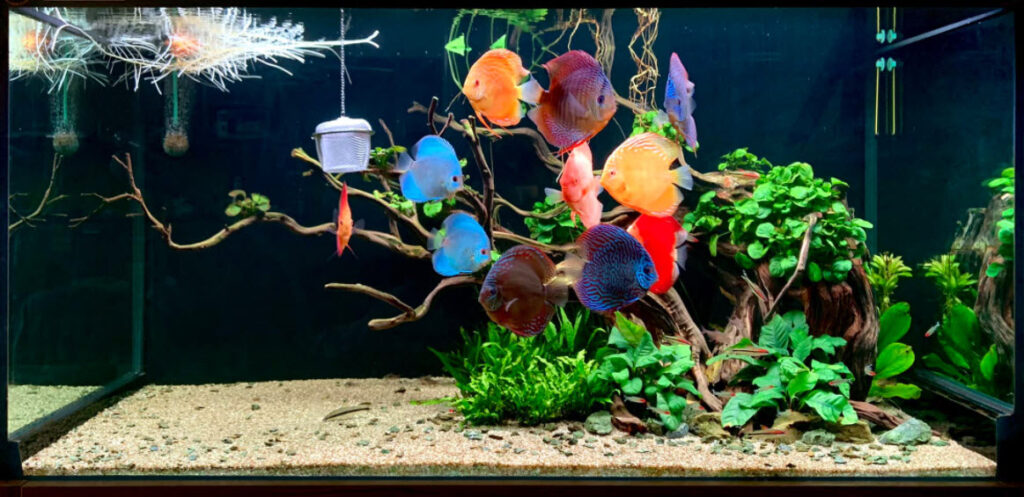
Credit: aquainfo.nl
Benefits Of Each Substrate
Choosing the right substrate for your discus aquarium is important. Different substrates offer unique benefits. These benefits affect plant growth, fish health, and water chemistry.
Understanding these benefits helps you create a healthy and balanced environment for your discus fish.
Plant Growth Support
Some substrates provide essential nutrients and stable roots for aquarium plants. These substrates help plants grow strong and healthy.
- Clay-based substrates supply iron and minerals
- Fine gravel allows roots to anchor firmly
- Sand offers a soft base for delicate plant roots
- Specialized plant substrates promote faster growth
Fish Health And Comfort
The substrate affects how comfortable your discus fish feel. Soft substrates reduce stress and prevent injuries.
| Substrate Type | Benefit for Fish |
| Sand | Gentle on fins and skin |
| Fine Gravel | Easy for fish to dig and explore |
| Plant Substrate | Supports natural behavior and hiding |
Water Chemistry Impact
Substrates can change the water’s pH and hardness. Some help keep stable water conditions.
For example:
- Crushed coral raises pH and hardness.
- Peat lowers pH and softens water.
- Inert substrates do not affect water chemistry.
Choosing The Right Substrate
Picking the right substrate for your discus tank is important. The substrate affects water quality and fish health.
Discus fish need a clean and safe environment to thrive. The substrate plays a big role in this.
Consider Aquarium Size
Small tanks need substrates that are easy to clean. Large tanks allow more substrate options.
Thicker substrates work well in big tanks. Thin layers suit smaller tanks better.
- Small tanks: fine sand or smooth gravel
- Large tanks: deeper sand or mixed substrate
- Easy cleaning is key for small setups
- More space allows complex substrates
Match With Discus Behavior
Discus fish like calm water and soft surfaces. They often dig gently in the substrate.
Choose substrates that are soft and smooth. Rough or sharp materials can hurt discus fish.
- Soft sand prevents injuries
- Smooth gravel is safe for digging
- Avoid sharp or large stones
- Keep substrate clean to reduce stress
Compatibility With Plants
Many discus tanks have live plants. The substrate should support plant roots and growth.
Choose nutrient-rich substrates for planted tanks. Some plants need coarse substrates for root grip.
- Use nutrient-rich soil for plants
- Sand works for plants with fine roots
- Gravel supports plants with thick roots
- Check plant needs before picking substrate
Maintenance Tips
Proper care of your discus substrate helps keep the aquarium healthy. Regular maintenance prevents problems for your fish and plants.
Focus on cleaning, preventing compaction, and safely replacing substrate to maintain a good environment.
Cleaning Techniques
Clean the substrate gently to avoid disturbing your discus fish. Use tools that remove waste without removing too much substrate.
- Use a gravel vacuum during water changes
- Stir the substrate lightly to release trapped debris
- Avoid over-cleaning to keep beneficial bacteria
- Remove uneaten food and fish waste daily
Preventing Substrate Compaction
Compacted substrate limits water flow and can harm root growth in plants. Loosen the substrate regularly to keep it healthy.
| Method | Benefit |
|---|---|
| Use an aquarium stirrer | Loosens compacted substrate gently |
| Plant roots carefully | Keep the substrate aerated naturally |
| Avoid overfeeding | Reduces waste buildup that compacts substrate |
Replacing Substrate Safely
Replace substrate without stressing your discus fish. Do it slowly and in small amounts to keep water stable.
- Remove a small portion of substrate at a time
- Clean the tank water after each removal
- Add new substrate slowly to avoid clouding
- Monitor water parameters closely during replacement
- Keep fish in a safe area during heavy cleaning
Top Substrate Picks For Discus
Choosing the right substrate helps keep your discus healthy and comfortable. Substrate affects water quality and tank aesthetics. It also influences the fish’s behavior and plant growth.
This guide covers popular commercial brands, DIY mixes, and budget-friendly substrates. You can find options that fit your tank size and style.
Popular Commercial Brands
Many brands offer substrates designed for discus tanks. These substrates often balance pH and provide a natural look.
- Seachem Flourite: Rich in iron, supports plant growth.
- CaribSea Eco-Complete: Contains beneficial minerals and bacteria.
- ADA Aqua Soil Amazonia: Lowers pH, perfect for soft water fish.
- Sand from Tropica: Fine grain, safe for discus and bottom dwellers.
Diy Substrate Mixes
You can create your own substrate mix with natural materials. This method lets you control the tank’s chemistry and texture.
| Ingredient | Purpose | Notes |
|---|---|---|
| Fine Sand | Base layer | Soft for discus |
| Clay Soil | pH buffer | Use non-toxic, pesticide-free soil |
| Gravel | Drainage | Small size for water flow |
| Peat Moss | Water softening | Use sparingly to avoid cloudiness |
Budget-friendly Options
Good substrates do not have to be expensive. Many affordable options work well for discus tanks.
- Play Sand: Inexpensive and safe after rinsing well.
- River Pebbles: Easy to clean and natural looking.
- Pool Filter Sand: Cheap and fine-grained.
- Natural Soil: Use with care to avoid toxins.
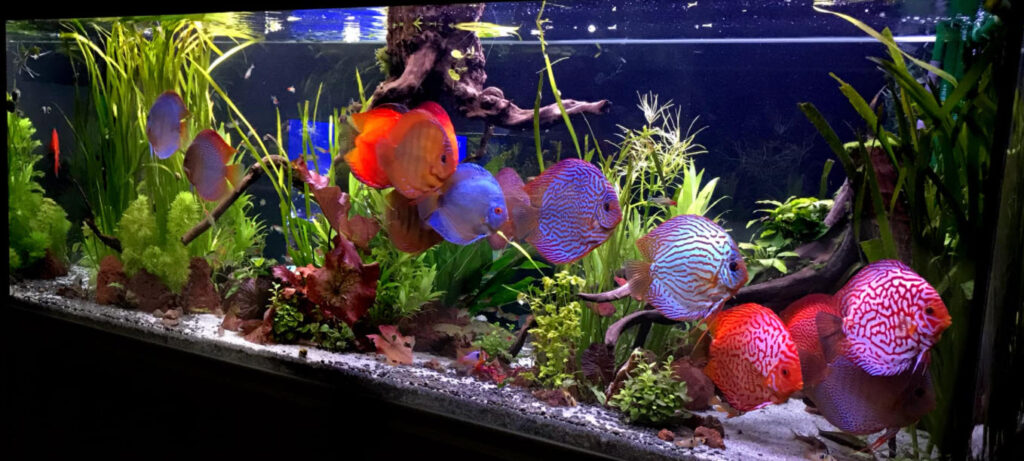
Credit: aquainfo.nl
Frequently Asked Questions
What Is The Best Substrate For Discus Fish Tanks?
The best substrate for discus tanks is fine sand or smooth gravel. These substrates are gentle on discus fish and promote natural behavior. Avoid sharp or coarse materials that can harm their delicate skin. Sand also helps maintain water quality by trapping debris effectively.
How Does Substrate Affect Discus Fish Health?
Substrate impacts discus health by influencing water quality and comfort. Clean substrates prevent harmful bacteria buildup and reduce stress. A suitable substrate mimics their natural habitat, encouraging natural foraging and behaviors. Regular cleaning of the substrate is essential to keep discus fish healthy.
Can Planted Substrates Benefit Discus Fish?
Yes, planted substrates provide natural hiding spots and improve water quality. They support beneficial bacteria that break down waste. Plants also oxygenate the water, creating a healthier environment. Choose nutrient-rich substrates to help plants thrive and enhance the discus tank ecosystem.
How Often Should Discus Tank Substrate Be Cleaned?
Clean discus tank substrate every 1-2 weeks to maintain water quality. Use a gravel vacuum to remove debris without disturbing beneficial bacteria. Regular cleaning prevents waste buildup, reducing ammonia and nitrate levels. Proper substrate maintenance supports discus fish health and tank clarity.
Conclusion
Choosing the right substrate helps your discus fish feel safe and healthy. Soft, fine substrates suit their delicate nature best. Clean the tank often to keep water clear and fresh. Watch how your fish react to different options. A good substrate supports natural behavior and tank beauty.
Small changes can make a big difference in their comfort. Keep learning about their needs for a happy aquarium. Simple choices create a peaceful home for your discus fish.