
Have you ever noticed how guppies swim together in groups, moving as one? Understanding guppy schooling behavior can transform how you care for your fish and make your aquarium come alive with vibrant activity.
If you want to create a healthy, happy environment where your guppies thrive, learning these simple tips will give you the edge. Keep reading to discover how you can encourage natural schooling behavior and watch your guppies interact like never before.
Your aquarium is about to become more dynamic and exciting!
Guppy Social Nature
Guppies are small freshwater fish known for their bright colors. They live well in groups. Their social nature helps them feel safe and active.
Understanding how guppies behave in groups helps keep them healthy and happy. Watching their social habits shows how important schooling is.
Benefits Of Schooling
Schooling means guppies swim together in groups. This brings many benefits to their well-being and survival.
- Safety from predators: More eyes watch for danger.
- Reduced stress: Group swimming lowers anxiety.
- Improved feeding: They find food easier in groups.
- Better breeding chances: Guppies meet mates more often.
- Social interaction: Guppies communicate and bond.
Signs Of Stress In Solitary Guppies
Guppies kept alone often show stress signs. Recognizing these signs helps prevent health problems.
| Sign | Description |
| Hiding | Guppy stays in corners or plants more than usual. |
| Loss of Color | Faded or dull colors signal stress. |
| Slow Movement | Less swimming and less active behavior. |
| Refusal to Eat | Ignoring food or eating less. |
| Flared Fins | Fins look clamped or damaged. |
Ideal Group Size
Guppies are social fish that feel safer in groups. Choosing the right group size helps them stay calm.
A proper group size encourages natural schooling behavior and reduces stress.
Minimum Number For Comfort
Guppies need at least three to five fish to feel secure. Smaller groups may cause anxiety.
With enough companions, guppies can swim together and show natural behaviors.
- Groups of fewer than three can stress guppies
- Five or more fish create better social interaction
- Larger groups reduce aggression and fear
Balancing Males And Females
Keeping more females than males helps lower competition and fighting. Males chase females often.
A balanced ratio keeps the group peaceful and stable for schooling.
- Ideal ratio: 2-3 females per male
- Too many males cause stress and aggression
- More females encourage calm, natural behavior
Tank Setup For Groups
Guppies are social fish that thrive in groups. Setting up the tank right helps them stay healthy and active.
This guide covers key tips for space, hiding spots, plants, and water conditions for schooling guppies.
Space Requirements
Guppies need enough room to swim freely in groups. Crowded tanks cause stress and aggression.
A minimum tank size of 10 gallons suits a small group of 5-6 guppies. Larger groups need bigger tanks.
- 10 gallons for 5-6 guppies
- 20 gallons for 10 or more guppies
- Allow open swimming space
- Keep tank clean to avoid overcrowding
Hiding Spots And Plants
Guppies feel safe with places to hide. Plants and decorations reduce stress and mimic nature.
Use live or silk plants for hiding spots. Add caves or small decorations where fish can retreat.
- Live plants like Java moss and hornwort
- Silk plants if live plants are hard to keep
- Small caves or rock shelters
- Arrange plants to create shaded areas
Water Conditions
Clean, stable water is key for guppy health. Check pH, temperature, and hardness regularly.
Guppies prefer slightly hard water with a neutral to slightly alkaline pH.
| Water Parameter | Ideal Range |
|---|---|
| Temperature | 72°F to 82°F (22°C to 28°C) |
| pH | 6.8 to 7.8 |
| Hardness | 8 to 12 dGH |
| Ammonia & Nitrites | 0 ppm |

Credit: jungleaquatics.com
Feeding Strategies
Feeding guppies in a school needs care to keep all fish healthy. You must give food evenly so no fish feels hungry.
Good feeding supports guppy growth and helps them stay active in the tank. Use smart techniques for best results.
Ensuring Equal Food Distribution
Guppies swim fast and can eat all the food quickly. Spread food in different tank spots to help all fish reach it.
Feed small amounts many times a day instead of one big meal. This helps shy guppies get food too.
- Use sinking flakes or pellets to reach bottom fish
- Feed near plants and open water areas
- Watch feeding time to adjust food amount
- Remove leftover food to keep water clean
Food Types For Group Health
Use a mix of food types to provide good nutrition for all guppies. Different foods offer different vitamins and minerals.
Include both plant and animal-based foods to support growth and color. Variety keeps guppies healthy and active.
- Flake food with balanced nutrients
- Live or frozen brine shrimp for protein
- Vegetable matter like spinach or peas
- Special guppy pellets for color enhancement
Monitoring Behavior
Watching guppies closely helps keep their group healthy. It shows if they get along well or fight.
Good monitoring helps you fix problems early. It keeps guppies safe and happy in their tank.
Identifying Aggression
Aggressive guppies may chase or nip at others. Look for signs like torn fins or quick darting.
Notice if one fish is always alone or hiding. This may show it is being bullied by others.
- Chasing or biting other fish
- Fins with damage or missing parts
- Constant hiding or avoiding the group
- Flared fins and rapid movements
Encouraging Healthy Interaction
Give guppies plenty of space to swim. Crowding increases stress and causes fights.
Add plants and hiding spots to the tank. This helps shy guppies feel safe and calm.
- Keep tank size suitable for your guppy number
- Use plants to create breaks in sight lines
- Feed regularly to reduce competition
- Remove aggressive fish if needed
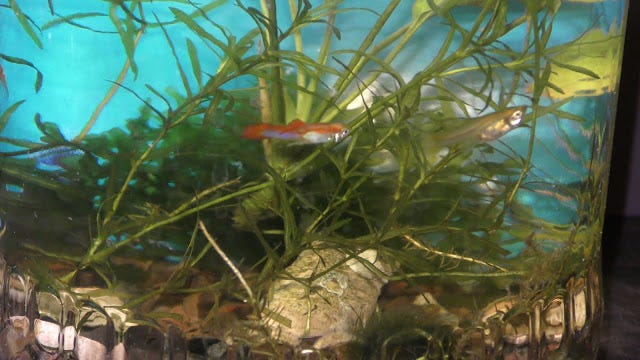
Credit: michael-langerman.medium.com
Common Challenges
Guppies are social fish that thrive in groups. Schooling behavior is natural for them, but challenges can arise. Let’s explore some common issues and tips.
Understanding these challenges helps in maintaining a healthy environment. This ensures your guppies are happy and stress-free.
Dealing With Dominance
Dominance can lead to stress and conflict in guppy groups. Observing their interactions is key to managing this behavior.
- Identify the dominant guppy early.
- Provide ample hiding spaces in the tank.
- Ensure a balanced male-to-female ratio.
Preventing Overcrowding
Overcrowding can cause stress and health issues. It’s important to maintain a suitable population size in your tank.
| Tank Size | Recommended Number of Guppies |
| 10 gallons | 5-7 guppies |
| 20 gallons | 10-12 guppies |
| 30 gallons | 15-20 guppies |
Breeding In Schools
Guppies are social fish that thrive in groups. Breeding them in schools can improve their health and increase fry survival.
In a school, guppies feel safe and less stressed. This environment can encourage natural breeding behaviors.
Managing Fry Survival
Fry survival is crucial for maintaining a healthy guppy population. To protect the young, consider these tips:
- Provide plenty of hiding spots using plants and decorations.
- Use a breeding box to separate fry from adult fish.
- Feed fry with special fry food for better growth.
Separating Males When Necessary
Sometimes, separating male guppies from the group is needed. This can prevent stress and overbreeding.
| Reason | Action |
| Aggressive Behavior | Isolate aggressive males |
| Overpopulation | Reduce male numbers |
| Rest for Females | Separate to give females a break |
Maintaining Group Health
Guppies are social fish that need to live in groups. Keeping the group healthy helps them stay active and colorful.
Good care and attention to their environment reduce stress and illness. This guide covers key tips for group health.
Regular Tank Maintenance
Clean tanks help keep guppies healthy by removing waste and harmful substances. Check water quality often to avoid problems.
Replace part of the water weekly and clean the filter regularly. This keeps the tank safe and comfortable for the fish.
- Test water for ammonia, nitrites, and nitrates
- Change 20-30% of the water each week
- Remove uneaten food and debris daily
- Clean or replace filters as needed
- Keep temperature stable between 72-82°F (22-28°C)
Quarantine Practices
New guppies can carry diseases that harm your group. Quarantine new fish before adding them to the main tank.
Use a separate tank for at least two weeks. Watch for signs of sickness like spots or strange swimming.
- Keep new fish isolated for 14 days
- Feed normal food and watch their behavior
- Look for illness signs such as clamped fins or white spots
- Treat any sickness before moving fish to the main tank
- Keep quarantine tank clean and warm

Credit: jungleaquatics.com
Frequently Asked Questions
What Is Guppy Schooling Behavior?
Guppy schooling behavior is when guppies swim together in groups. This helps them feel safe, reduces stress, and improves their chances of survival. Schooling also encourages social interaction and mimics their natural habitat, promoting healthy, active fish in your aquarium.
How Many Guppies Should Be In A School?
For a healthy guppy school, keep at least 5 to 6 guppies together. Smaller groups may cause stress and reduce schooling behavior. Larger groups create a more natural environment and enhance their social interaction, making your aquarium more lively.
Why Do Guppies School In Aquariums?
Guppies school in aquariums to feel secure and reduce stress. Schooling mimics their natural behavior in the wild. It also helps protect them from predators and encourages natural swimming patterns, promoting their overall health and happiness.
How To Encourage Guppy Schooling In Tanks?
To encourage schooling, keep guppies in groups of 5 or more. Provide plenty of plants and open swimming space. Maintain good water quality and stable temperature. These conditions make guppies feel safe and promote natural schooling behavior.
Conclusion
Guppies feel safer when they swim together in groups. Watching their schooling behavior is fun and calming. Keep their tank clean and provide enough space. Feed them small amounts several times a day. Avoid mixing them with aggressive fish to reduce stress.
Healthy guppies show brighter colors and active movement. Small steps help create a peaceful home for your fish. Enjoy watching your guppy school grow and thrive every day.