
If you own a Betta fish, you know how important it is to keep your colorful friend happy and healthy. But did you know that stress can seriously harm your Betta’s well-being?
When your fish is stressed, it can lose its vibrant colors, stop eating, or even get sick. The good news is, there are simple steps you can take to prevent stress and make sure your Betta thrives. Keep reading to discover easy and effective Betta stress prevention tips that will help your fish live a longer, happier life.
You owe it to your Betta to create the best environment possible—and it’s easier than you think!
Credit: www.lemon8-app.com
Common Causes Of Betta Stress
Betta fish are sensitive creatures. Stress can harm their health and lifespan.
Knowing what causes stress helps keep your betta happy and healthy.
Water Quality Issues
Dirty or poor water quality causes stress in bettas. High ammonia or nitrite levels are harmful.
Regular water changes and proper filtration keep water clean and safe.
- Test water weekly for ammonia, nitrites, and nitrates
- Change 20-30% of water weekly
- Use a water conditioner to remove chlorine
- Avoid overfeeding to reduce waste
Inadequate Tank Size
Small tanks limit bettas’ movement and cause stress. They need enough space to swim.
A tank at least 5 gallons gives bettas room to explore and stay active.
- Provide at least 5 gallons of water
- Use a tank with a lid to prevent jumping
- Include plants or decorations for hiding spots
Improper Diet
Bettas need a balanced diet to stay healthy. Poor feeding causes stress and illness.
Feed high-quality betta pellets and occasional live or frozen food.
- Feed 2-3 small meals daily
- Include protein-rich foods like brine shrimp or bloodworms
- Remove uneaten food to keep water clean
Aggressive Tank Mates
Bettas can get stressed by aggressive fish. Some tank mates may attack or chase them.
Choose peaceful fish or keep bettas alone to avoid fights and stress.
- Avoid fin-nipping or fast-moving fish
- Use separate tanks for aggressive species
- Consider species that live well with bettas, like snails or shrimp
Lighting And Temperature Problems
Incorrect light or temperature causes stress in bettas. They need stable conditions.
Keep water temperature between 76-82°F and provide a regular day-night light cycle.
- Use a heater to maintain warm water
- Provide 8-12 hours of light daily
- Avoid direct sunlight to prevent overheating
Creating A Stress-free Environment
Betta fish need a calm and safe space to thrive. Stress can cause illness and shorten their life. Creating the right environment helps keep your betta healthy and happy.
Simple changes in the tank setup can reduce stress. This guide covers key points to make your betta’s home peaceful and comfortable.
Choosing The Right Tank
A tank that fits your betta’s needs is important. Small bowls are not good for bettas. A larger tank gives space to swim and explore.
- Use a tank of at least 5 gallons
- Choose a tank with a lid to prevent jumping
- Pick a tank with smooth edges to avoid fin damage
- Place the tank in a quiet area away from noise
Maintaining Water Parameters
Water quality affects your betta’s health. Keep the water clean and stable to lower stress. Regular checks help find problems early.
| Parameter | Ideal Range | Why It Matters |
| Temperature | 76-82°F (24-28°C) | Keeps metabolism steady |
| pH Level | 6.5-7.5 | Prevents skin and gill damage |
| Ammonia | 0 ppm | Toxic if present |
| Nitrite | 0 ppm | Harmful to fish health |
| Nitrate | < 20 ppm | Less stressful for fish |
Providing Hiding Spots
Bettas feel safer with places to hide. Hiding spots reduce stress and encourage natural behavior. Use plants and decorations that are safe for bettas.
- Include live or silk plants
- Add caves or tunnels made for fish tanks
- Use smooth decorations without sharp edges
- Place hiding spots in different parts of the tank
Controlling Lighting And Temperature
Proper lighting and stable temperature reduce stress. Too much light can bother bettas. Keep the temperature steady to avoid shocks.
Tips to control lighting and temperature:
- Use a timer for consistent light periods (8-12 hours)
- Avoid direct sunlight to prevent overheating
- Use a reliable aquarium heater with thermostat
- Check temperature daily with a thermometer
Feeding For Health And Happiness
Feeding your betta fish properly helps keep it healthy and happy. Good feeding habits reduce stress and improve lifespan.
Understanding what and how much to feed is important. This guide covers balanced diet options, feeding frequency, and avoiding overfeeding.
Balanced Diet Options
A betta fish needs a mix of foods for all its nutrients. A balanced diet helps boost its immune system and energy.
Include high-quality pellets made for bettas. Add frozen or live foods like brine shrimp or bloodworms for variety.
- Special betta pellets with protein
- Frozen or live brine shrimp
- Bloodworms as treats
- Occasional daphnia for digestion
Feeding Frequency
Feed your betta small meals twice a day. This keeps energy steady and reduces waste in the tank.
Watch your betta’s behavior to adjust feeding times. Regular schedule helps prevent stress and hunger.
- Feed two times daily, morning and evening
- Offer only what betta can eat in 2 minutes
- Keep consistent feeding times
Avoiding Overfeeding
Overfeeding causes health problems and dirty water. Give small portions to keep your betta healthy.
Remove uneaten food quickly. This prevents water pollution and reduces stress on your fish.
- Feed only small amounts at a time
- Stop feeding if food remains after 2 minutes
- Clean leftover food from the tank
Tank Mates That Promote Calmness
Betta fish can get stressed by aggressive or restless tank mates. Choosing calm species helps keep the tank peaceful.
Tank mates that stay quiet and avoid conflict create a soothing environment for bettas to thrive.
Compatible Species
Some fish and aquatic animals live well with bettas without causing stress. These species avoid competition and aggression.
- Corydoras catfish – peaceful bottom dwellers
- Neon tetras – small, fast, and non-aggressive
- Snails – help clean and don’t bother bettas
- Amano shrimp – calm and good tank cleaners
- Harlequin rasboras – gentle and schooling fish
Avoiding Aggression
Bettas can attack tank mates that look like rivals. Avoid fish with long fins or bright colors.
| Fish Type | Reason to Avoid |
| Other male bettas | Highly territorial and aggressive |
| Fin-nipping fish | Stress bettas by biting fins |
| Bright or long-finned fish | Trigger betta’s aggression |
| Large, fast fish | May bully or outcompete bettas |
Managing Social Interactions
Watch your tank closely to catch early signs of stress or fighting. Rearrange decorations to give hiding spots.
Tips to manage betta social life:
- Keep groups small to reduce tension
- Use plants and caves for safe spaces
- Feed fish separately to avoid food fights
- Observe daily for any unusual behavior
Monitoring Betta Behavior
Keeping an eye on your betta fish’s behavior helps prevent stress. Stress can harm their health and shorten their life.
By watching how your betta acts, you can catch problems early. This lets you fix issues before they get worse.
Signs Of Stress To Watch For
Betta fish show stress in many ways. Look for changes in color, fins, and activity level.
- Faded or dull colors
- Clamped fins that stay close to the body
- Resting at the tank bottom often
- Rapid gill movement or heavy breathing
- Loss of appetite or refusal to eat
- Hiding more than usual
Behavioral Changes And Causes
Stress changes how bettas act. They may become less active or hide a lot. Some swim erratically or scratch on objects.
Common causes of stress include poor water quality, wrong tank temperature, and sudden changes in environment.
- Dirty or unfiltered water
- Too hot or too cold water
- Overcrowded tank or aggressive tank mates
- Sudden loud noises or vibrations
- Improper diet or feeding schedule
- Moving or changing tank decorations often
When To Seek Help
If stress signs last more than a few days, act quickly. Prolonged stress can cause illness or death.
Contact a fish expert or vet if your betta shows severe symptoms. These include gasping for air, bleeding, or unusual lumps.
- Persistent loss of color and appetite
- Labored breathing or gasping at the surface
- White spots, wounds, or swelling
- Sudden and extreme behavior changes
- Refusal to swim or stay upright

Credit: www.youtube.com
Routine Care And Maintenance
Betta fish are beautiful and delicate creatures. Proper care is crucial to keep them stress-free and healthy. Routine maintenance helps in creating a safe and happy environment for your Betta.
In this guide, we focus on essential tasks like water changes, cleaning the tank, and checking equipment. These activities ensure your Betta thrives.
Regular Water Changes
Water quality is vital for your Betta’s well-being. Regular water changes remove toxins and keep the environment clean.
- Change 25% of the water weekly.
- Use water conditioner to remove chlorine.
- Match new water temperature with the tank.
Cleaning The Tank
A clean tank prevents algae growth and disease. Cleaning helps maintain a healthy habitat for your Betta.
- Remove uneaten food daily.
- Clean algae with a scraper weekly.
- Rinse decorations monthly.
Checking Equipment
Equipment checks are essential to ensure everything functions properly. Faulty equipment can harm your Betta.
| Equipment | Check Frequency |
| Filter | Weekly |
| Heater | Monthly |
| Lighting | Daily |
Enrichment For Mental Stimulation
Betta fish need mental activities to stay healthy. Without them, they can become stressed.
Engaging their minds helps prevent boredom and stress. Here are some tips to enrich their environment.
Interactive Toys
Interactive toys keep Betta fish entertained. They stimulate their natural curiosity and exploration instincts.
- Floating mirrors can encourage interaction.
- Ping pong balls offer fun and movement.
- Betta hammocks provide a resting spot.
Environmental Changes
Changing the environment can reduce stress for Betta fish. It keeps their surroundings interesting and dynamic.
| Change | Benefit |
| Rearrange decor | New exploration paths |
| Add plants | Provides hiding spots |
| Change lighting | Creates a new ambiance |
Training And Interaction
Training betta fish helps build a bond and keeps them active. Simple tricks can be taught with patience and rewards.
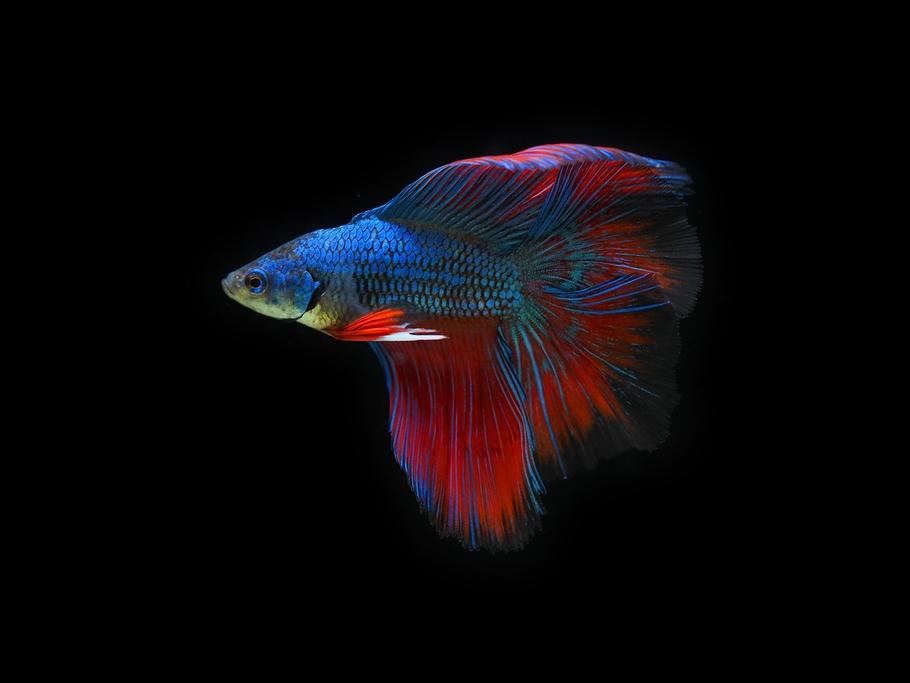
Credit: www.ratemyfishtank.com
Frequently Asked Questions
How Can I Reduce Stress In My Betta Fish?
To reduce stress in Betta fish, maintain clean water and stable temperature. Avoid overcrowding and provide hiding spots. Minimize sudden movements and loud noises near the tank. A well-balanced diet and regular feeding schedule also help keep your Betta calm and healthy.
What Are Common Signs Of Betta Fish Stress?
Common signs include faded colors, clamped fins, loss of appetite, and lethargy. Betta may hide frequently or gasp at the water surface. Stress can also cause fin damage and erratic swimming. Early detection helps prevent severe health problems.
How Often Should I Clean My Betta Fish Tank?
Clean your Betta’s tank partially every 1-2 weeks. Remove 25-30% of water and replace it with fresh, conditioned water. Avoid full cleaning to maintain beneficial bacteria. Regular cleaning prevents harmful toxins that stress your Betta fish.
Can Tank Size Affect Betta Stress Levels?
Yes, tank size impacts Betta stress significantly. A minimum of 5 gallons is recommended for proper swimming space. Small tanks limit movement and increase toxin buildup, causing stress. Larger tanks promote healthier, happier Betta fish.
Conclusion
Keeping your betta fish stress-free helps them live longer and healthier. Watch their tank conditions often. Change the water regularly and keep the temperature steady. Avoid sudden noises and bright lights near the tank. Give your betta space to swim and hide.
Feed them good food in small amounts daily. These simple steps protect your fish from stress. A calm betta is a happy betta. Caring well creates a beautiful, lively aquarium to enjoy every day.