
Have you ever wondered just how many tetra species swim in aquariums and wild waters around the world? If you’re a fish lover or thinking about adding a vibrant new friend to your tank, knowing the variety of tetras can help you choose the perfect one.
From tiny neon glimmers to bold, colorful patterns, tetras come in many shapes and sizes. Keep reading, and you’ll discover surprising facts about these popular fish that could change the way you see your aquarium forever. Your next favorite fish might be just a few lines away!
Tetra Species Diversity
Tetras are small freshwater fish found mainly in South America. They belong to the family Characidae. There are many different species of tetras, each with unique colors and shapes.
The diversity of tetra species makes them popular in home aquariums. They adapt well to various environments and show bright, attractive colors.
Popular Tetra Varieties
Some tetra species are well-known and commonly kept by fish enthusiasts. These varieties are easy to find and care for.
- Neon Tetra (Paracheirodon innesi) – Small with a bright blue stripe.
- Cardinal Tetra (Paracheirodon axelrodi) – Similar to neon but with a red stripe.
- Glowlight Tetra (Hemigrammus erythrozonus) – Features a glowing orange stripe.
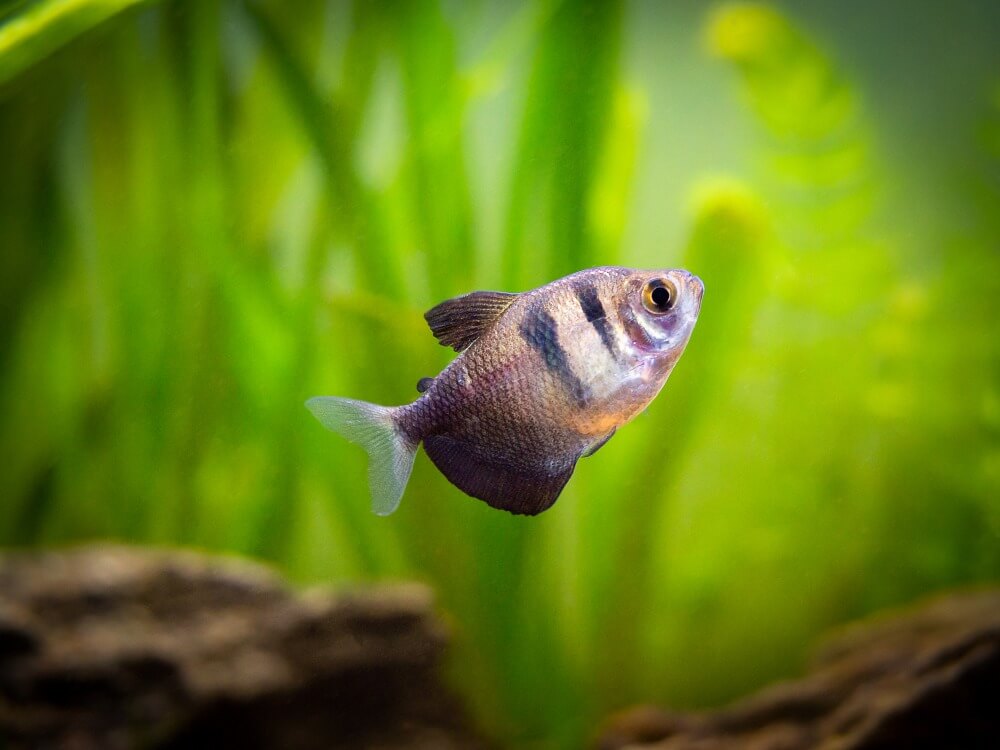
- Black Skirt Tetra (Gymnocorymbus ternetzi) – Known for its black fins and skirt shape.
- Rummy-nose Tetra (Hemigrammus rhodostomus) – Has a red nose and striped tail.
Rare And Exotic Species
Some tetras are rare and hard to find. They live in remote rivers and have unusual colors or patterns.
| Species | Region | Special Features |
| Buenos Aires Tetra | Argentina | Large size, bold stripes |
| Serpae Tetra | Brazil | Bright red body, black fins |
| Emperor Tetra | Brazil | Metallic blue and red colors |
| Diamond Tetra | Amazon Basin | Shiny scales, diamond-like appearance |
| Glowlight Tetra | Venezuela | Glowing stripe, peaceful nature |

Credit: www.aquariumsource.com
Tetra Habitat And Distribution
Tetras are small freshwater fish found in many parts of the world. They live in rivers, streams, and lakes. Their habitat affects their behavior and survival.
Understanding where tetras live helps aquarists create better tanks. It also helps protect these species in the wild.
Native Regions
Tetras mostly come from South America. They are common in the Amazon basin and other tropical rivers. Some species also live in parts of Africa.
- Amazon River and its tributaries
- Orinoco River basin
- Rivers in Guyana and Suriname
- West and Central African rivers
Environmental Preferences
Tetras prefer warm water with soft and slightly acidic conditions. They like areas with plants and hiding spots. Water flow can vary but many tetras thrive in slow-moving waters.
| Water Parameter | Preferred Range |
| Temperature | 22°C – 28°C (72°F – 82°F) |
| pH Level | 5.5 – 7.0 |
| Water Hardness | Soft to moderately hard |
| Water Flow | Slow to moderate currents |
Physical Traits Of Tetras
Tetras are small freshwater fish popular in aquariums. They have many species with unique looks.
Understanding their physical traits helps in identifying different tetra species easily.
Size And Color Variations
Tetras vary in size from very small to medium. Most species grow between 1 to 2.5 inches long.
Colors range widely from silver and black to bright blues, reds, and yellows. Color helps attract mates and hide from predators.
- Size: 1–2.5 inches (2.5–6.5 cm)
- Colors: silver, red, blue, green, yellow, black
- Some have shiny or iridescent scales
Distinctive Markings
Many tetras have unique markings like stripes, spots, or bars. These marks help tell species apart.
Markings appear on the body, fins, or near the eyes. They vary in shape and color depending on the species.
- Horizontal or vertical stripes
- Dark spots or patches
- Colored bands on fins
- Bright eye spots or reflective scales
Tetra Behavior And Social Patterns
Tetras are small freshwater fish known for their lively behavior. They show clear social patterns that help them survive in the wild.
Understanding how tetras behave can help aquarium owners create a healthy environment for these fish.
Schooling Habits
Tetras usually swim in groups called schools. This helps protect them from predators and makes them feel safe.
- They stay close together and move in the same direction.
- Schooling reduces stress among individual fish.
- It improves their chances of finding food.
- Group size can vary from a few to dozens of fish.
- Disrupted schools may cause tetras to become shy or stressed.
Feeding Behavior
Tetras are mostly omnivores. They feed on small insects, plants, and tiny particles in the water.
| Feeding Time | Behavior |
| Morning | Active feeders, search for food at the surface |
| Afternoon | Less active, nibble on plants and algae |
| Evening | Feed near bottom, eat leftover food |
Care Tips For Tetra Fish
Tetra fish are popular aquarium pets known for their bright colors and peaceful nature. They need proper care to thrive in home tanks. This guide covers important tips to keep your tetras healthy and happy.
Understanding their tank setup and diet needs helps you create a safe and comfortable environment. Follow these simple care tips to maintain your tetra fish.
Tank Setup Essentials
Tetra fish require a clean and stable tank to live well. The right tank size and water conditions are key to their health.
- Choose a tank of at least 10 gallons for a small group of tetras.
- Keep water temperature between 72°F and 80°F (22°C to 27°C).
- Maintain pH levels from 6.0 to 7.5 for optimal comfort.
- Use a gentle filter to keep water clean without strong currents.
- Add live plants and hiding spots to mimic their natural habitat.
Diet And Nutrition
Tetras are omnivores and need a varied diet to stay healthy. Feeding them the right food supports their growth and vibrant colors.
| Food Type | Description | Feeding Frequency |
|---|---|---|
| Flake Food | High-quality flakes made for tropical fish | Daily |
| Frozen or Live Food | Bloodworms, brine shrimp, or daphnia for protein | 2-3 times a week |
| Vegetable Matter | Blanched spinach or zucchini for fiber | Once a week |

Credit: cen.acs.org
Breeding Tetras
Tetras are popular fish for aquariums. They are known for their vibrant colors and peaceful nature. Breeding tetras can be rewarding and fun.
Understanding the right conditions is crucial for successful breeding. This guide will help you learn how to breed tetras and raise their fry.
Breeding Conditions
The right environment is key for breeding tetras. They need clean water and a safe place to lay eggs.
Keep the water temperature between 75°F and 80°F. This range helps stimulate breeding behavior.
- Soft, acidic water is preferred
- Use a spawning mop or dense plants
- Dim lighting reduces stress
Raising Fry
Once the eggs hatch, the fry need special care. They are tiny and delicate at this stage.
Feed them infusoria or special fry food. As they grow, you can introduce baby brine shrimp.
- Keep the tank clean to prevent disease
- Gradually increase the size of their food
- Monitor water quality carefully
Common Health Issues
Tetra species are popular among aquarium enthusiasts. These fish are known for their vibrant colors and lively behavior. Like all pets, they face health challenges.
Understanding common health issues can help in maintaining their well-being. Proper care and attention are essential for preventing diseases.
Disease Prevention
Preventing diseases in tetra species involves proper care and habitat management. Clean water and balanced diet play a crucial role in their health.
- Maintain clean and stable water conditions
- Provide a balanced and nutritious diet
- Regularly monitor fish behavior for any changes
Treatment Options
Treatment options vary depending on the illness. Early detection is key to successful treatment. Consulting a veterinarian is recommended for accurate diagnosis and treatment.
| Condition | Treatment |
| Fungal infections | Antifungal medications |
| Ich | Temperature adjustment and medication |
| Bacterial infections | Antibiotics |
Credit: www.aquariumsource.com
Choosing The Right Tetra
There are many tetra species in the aquarium hobby. Each type has different care needs and behaviors. Picking the right tetra helps your tank stay healthy and lively.
Some tetras are peaceful while others need more space or special conditions. Knowing their traits makes it easier to create a happy environment.
Compatibility With Other Fish
Tetras are mostly peaceful fish that do well with many species. Still, some tetras can be nippy or shy. Check how well they get along before adding them to your tank.
Avoid mixing aggressive fish with tetras. Also, some tetras prefer to stay in groups to feel safe. Keeping them with similar-sized fish reduces stress.
- Neon tetras are peaceful and good with small fish
- Serpae tetras may nip fins of slow swimmers
- Cardinal tetras like to stay in schools
- Glowlight tetras are calm and easy to keep
Selecting Based On Tank Size
Tank size affects which tetra species you can keep. Some tetras need more swimming space than others. Choose species that match your tank dimensions.
Small tanks suit tiny tetras that swim in groups. Larger tanks allow bigger or more active tetras. Overcrowding can cause health problems and stress.
| Tetra Species | Recommended Tank Size |
|---|---|
| Neon Tetra | 10 gallons or larger |
| Serpae Tetra | 20 gallons or larger |
| Cardinal Tetra | 20 gallons or larger |
| Glowlight Tetra | 15 gallons or larger |
Frequently Asked Questions
How Many Tetra Species Are Currently Known?
There are over 150 recognized tetra species worldwide. These small freshwater fish belong to the Characidae family and are popular in aquariums for their vibrant colors and peaceful nature.
What Is The Most Popular Tetra Species For Aquariums?
The Neon Tetra (Paracheirodon innesi) is the most popular species. Known for its bright blue and red stripes, it is easy to care for and ideal for community tanks.
Where Do Tetra Species Naturally Live?
Tetras are native to freshwater habitats in Central and South America. They thrive in rivers, streams, and flooded forests with warm, soft water conditions.
Are All Tetra Species Suitable For Home Aquariums?
Most tetras are suitable for home aquariums due to their small size and peaceful temperament. However, some species require specific water parameters and care.
Conclusion
Tetras are a diverse group of small, colorful fish. Over 70 species exist worldwide. Each species has unique colors and behaviors. They live mostly in South American freshwater habitats. Many species suit home aquariums well. Knowing the number helps hobbyists choose wisely.
Tetras bring life and variety to tanks. Their popularity shows no signs of fading. Explore different species to find your favorite. The world of tetras is vast and fascinating.