
Are you wondering how to tell when your cichlids are ready to mate? Knowing the signs of cichlid mating readiness can save you time and help you create the perfect environment for successful breeding.
If you want to boost your chances of raising healthy fry and enjoy watching your fish’s fascinating behaviors, this guide is for you. Keep reading to discover the clear, easy-to-spot signals your cichlids show when they are ready to start a new family.
Credit: aquadecorbackgrounds.com
Physical Changes In Cichlids
Cichlids show clear signs when they are ready to mate. Watching their body changes helps you know their mood.
These changes include bright colors, shape shifts, and special fin moves. They tell you the fish is preparing to breed.
Color Intensification
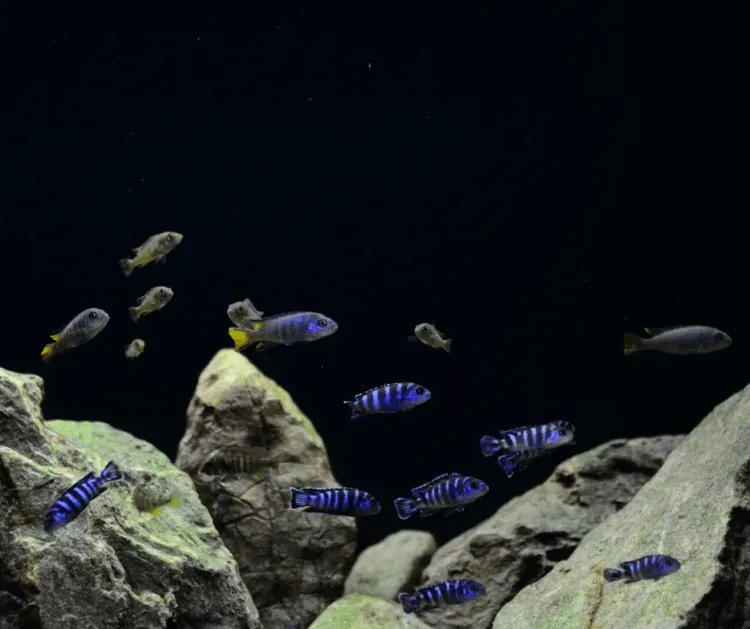
Cichlids often become more colorful as they get ready to mate. Their colors grow brighter and deeper.
- Body colors become richer and more vivid.
- Patterns on the scales stand out more clearly.
- Males usually show stronger color changes than females.
- Bright colors attract potential mates and show health.
Body Shape Alterations
The body shape of cichlids changes during mating readiness. They may look rounder or more muscular.
| Change | Description |
| Rounder Belly | Females may have a fuller belly as eggs develop. |
| Muscle Tone | Males appear stronger to defend territory. |
| Head Shape | The head might become wider or more pointed. |
Fin Display And Movement
Cichlids use their fins to show readiness. They spread and move fins more often and with style.
- Fins spread wide to look larger and more attractive.
- Quick fin flicks signal interest or warning to others.
- Paired fin movements create a dance to attract mates.
- Fin colors may also become brighter during displays.

Credit: www.youtube.com
Behavioral Signals
Cichlids show clear signs when they are ready to mate. Watching their behavior helps identify this stage.
These signs include changes in activity, territory guarding, and special courtship moves.
Increased Activity Levels
Cichlids swim more actively before mating. They explore their tank or environment constantly.
This movement helps them find mates and suitable spots to lay eggs.
Territorial Behavior
Cichlids become very protective of their space when ready to mate. They defend their area from others.
They chase or display to keep other fish away from their chosen nesting spot.
- Chasing intruders
- Flared fins and bright colors
- Guarding rocks or caves
Courtship Displays
Males show special behaviors to attract females. These include vivid colors and unique movements.
They might shake their bodies, swim in circles, or dig in the substrate to show readiness.
Environmental Factors Affecting Readiness
Cichlids show clear signs when they are ready to mate. Their environment plays a big role in this readiness.
Proper care of water, tank, and food helps trigger mating behaviors in cichlids.
Water Temperature And Quality
Cichlids need the right water temperature to feel comfortable and ready to breed. Too cold or too hot water stops their mating instincts.
Clean water with balanced pH and low ammonia helps cichlids stay healthy and ready to mate.
- Ideal temperature: 75-82°F (24-28°C)
- pH level: 6.5 to 7.5
- Ammonia and nitrite should be zero
- Regular water changes improve water quality
Tank Setup And Hiding Spots
A good tank setup gives cichlids places to hide and feel safe. This helps them get ready for mating.
Include rocks, caves, and plants to mimic their natural habitat. This lowers stress and encourages breeding.
- Provide caves or clay pots as hiding spots
- Use natural decorations like rocks and plants
- Keep enough space for each fish
- Avoid overcrowding to reduce stress
Feeding And Nutrition
Good nutrition helps cichlids build energy for mating. Feed them varied and healthy food every day.
Protein-rich foods improve their health and increase mating chances.
- Feed live or frozen foods like brine shrimp
- Use high-quality pellets or flakes
- Include vegetables like spinach or peas
- Feed small amounts 2-3 times daily
Pair Bonding And Compatibility
Cichlids show many signs when they are ready to mate. Pair bonding is key for successful reproduction. Compatibility between mates helps reduce stress and aggression.
Watching their behavior helps aquarists know when cichlids are ready to breed. Signs like mutual care and calm interaction are important clues.
Mutual Cleaning And Interaction
Cichlid pairs often clean each other before mating. This behavior shows trust and helps build a strong bond. They also swim close and follow each other.
- Gentle nibbling on fins and scales
- Swimming side by side
- Sharing hiding spots
- Mirroring movements
Aggression Management
Even bonded pairs show some aggression. It helps establish roles and boundaries. Successful pairs keep aggression low and avoid injury.
| Behavior | Meaning |
| Chasing | Testing territory |
| Fin flaring | Showing dominance |
| Gentle nudging | Communication |
| Retreating | Respecting space |
Signs Of Acceptance
Acceptance means the pair is ready to mate. They accept each other’s presence and show calm body language. This step is vital for breeding success.
- Close swimming without threat
- Sharing food without aggression
- Preparing nesting sites together
- Displaying bright colors
Egg Laying And Fertilization Signs
Cichlids show clear signs when they are ready to lay eggs and fertilize them. Watching these signs helps you understand their breeding behavior. This guide covers egg laying and fertilization indicators.
Recognizing these signs helps in providing the right environment for successful spawning. Pay attention to how cichlids prepare their site, lay eggs, and how males fertilize them.
Spawning Site Preparation
Cichlids select and clean a specific place for spawning. They often choose flat rocks, caves, or leaves. The female scrapes the surface to make it smooth and clean.
- Fish clean the chosen surface by rubbing their bodies.
- They may move small stones or plants away.
- The site becomes shiny and free of debris.
- Both parents guard the area closely.
Egg Deposition
The female lays eggs in a cluster on the prepared surface. Eggs look like small, sticky, round dots. She may lay dozens or hundreds of eggs in one session.
| Egg Feature | Observation |
| Shape | Round and slightly sticky |
| Color | Transparent to pale yellow |
| Quantity | Dozens to hundreds |
| Location | On flat, cleaned surface |
Male Fertilization Behavior
The male fertilizes eggs immediately after they are laid. He hovers close to the eggs and releases sperm over them. His fins may flare, and he shows protective behavior.
Signs of male fertilization:
- Male stays near the eggs, guarding carefully.
- He fans the eggs with his fins to spread sperm.
- Displays bright colors to warn off other fish.
- Makes gentle nudging motions toward the egg site.
Post-spawning Care
Cichlid fish show interesting behaviors after spawning. Understanding these behaviors helps in providing the best care for them. Post-spawning care is crucial for the health of both parents and offspring.
Providing the right environment ensures the survival of the fry. This involves observing parental actions and changes in the fry’s development.
Parental Guarding
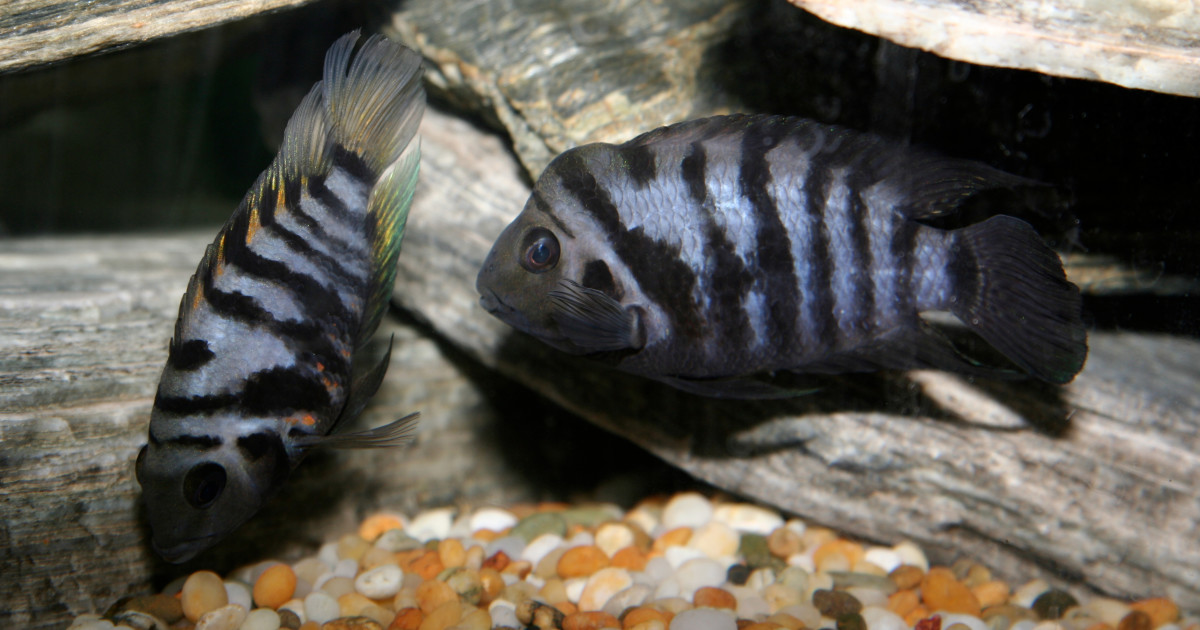
Cichlid parents are protective of their eggs and young. They guard the breeding site to keep predators away. This behavior increases the chance of survival for the fry.
Parents often stay close to the eggs. They may fan water over them to provide oxygen and remove debris.
Fry Development Stages
Fry go through several stages of development. Initially, they rely on their yolk sacs for nutrition. As they grow, they start swimming and searching for food.
- Stage 1: Egg with yolk sac
- Stage 2: Free-swimming fry
- Stage 3: Juvenile fish
Protecting The Offspring
Protecting the offspring is vital for their survival. Cichlids often keep their young in safe areas. They move them to different spots if they sense danger.
It’s important to avoid stressing the parents. Stress can lead to them abandoning the fry. A calm environment helps in keeping the offspring safe.
Credit: pethelpful.com
Frequently Asked Questions
How To Recognize Cichlid Mating Readiness Signs?
Cichlids show mating readiness through bright colors, increased activity, and nest-building behavior. Males often display vibrant hues to attract females. Both sexes may clean surfaces for egg laying. Watching these signs helps ensure successful breeding in your aquarium.
What Behaviors Indicate Cichlid Breeding Is Near?
Increased territoriality, frequent chasing, and courtship dances signal cichlid breeding. Males become more aggressive to protect their space. Females may become receptive and prepare spawning sites. These behaviors confirm the fish are ready to mate soon.
When Do Cichlids Start Showing Mating Colors?
Cichlids typically display mating colors during breeding season or when ready to spawn. Males especially intensify their colors to attract females. This color change signals readiness and helps in selecting healthy mates for reproduction.
How To Prepare Aquarium For Cichlid Mating?
Provide clean water, stable temperature, and hiding spots to encourage mating. Use flat rocks or caves as spawning sites. Maintain proper pH and hardness for the species. These conditions create a safe environment for breeding.
Conclusion
Recognizing cichlid mating readiness helps keep your fish healthy. Watch for color changes, courtship dances, and nest building. These signs show the fish are ready to breed. Knowing these behaviors makes caring easier and more fun. Pay attention and enjoy the fascinating world of cichlids.
Your tank will thrive with a little care and patience. Stay observant, and your fish will reward you with natural beauty.