
If you’ve ever kept mollies or are thinking about adding them to your aquarium, understanding their mating behavior is key to a healthy and thriving tank. You might have noticed some curious actions but wondered what they really mean.
Knowing how mollies court, mate, and care for their young can help you create the perfect environment for them. You’ll discover clear, simple explanations that make it easy to recognize and support their natural behaviors. Ready to unlock the secrets behind molly mating?
Let’s dive in and explore what’s really going on beneath the water’s surface.
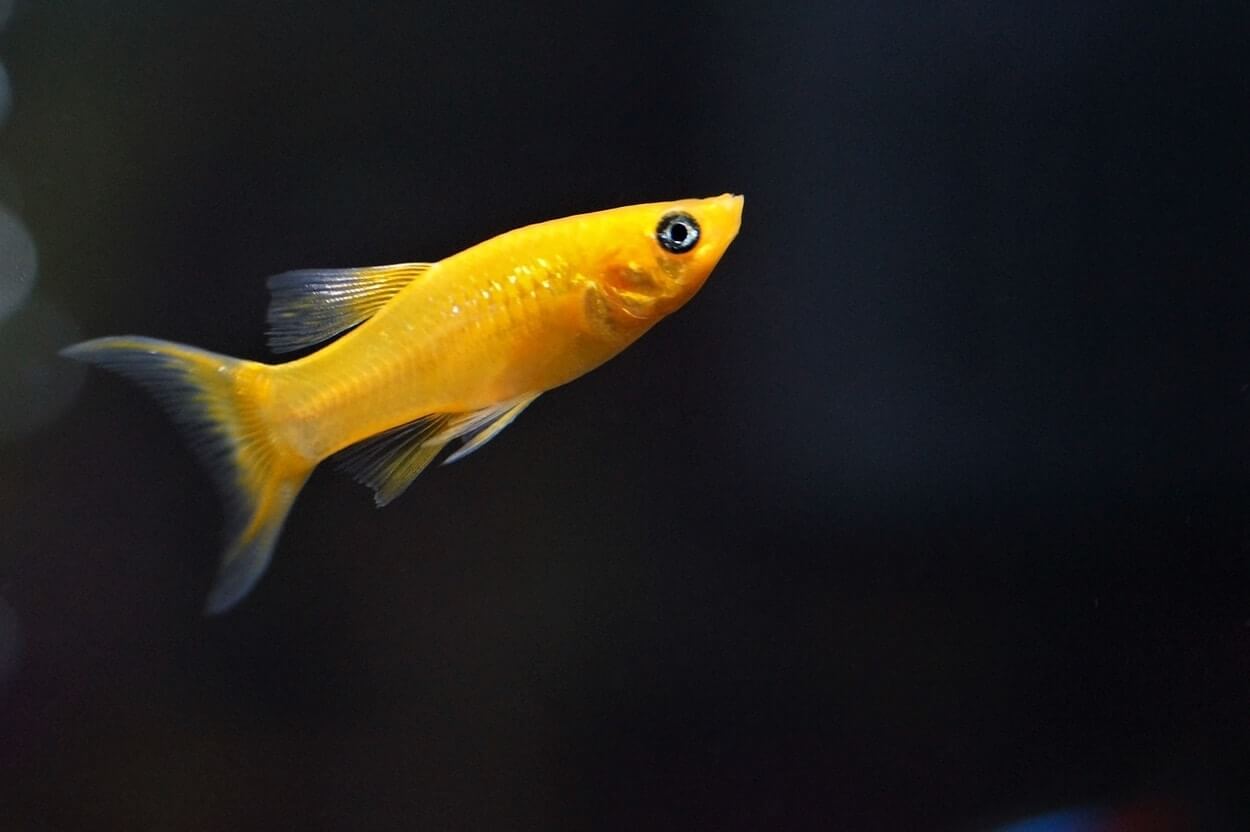
Credit: www.aquariumsource.com
Molly Fish Basics
Molly fish are popular freshwater aquarium fish. They are easy to care for and peaceful. Understanding their basics helps in keeping them healthy.
This guide explains molly fish species, habitat, lifespan, and size.
Species And Varieties
Mollies come in many colors and types. Each type has unique looks and traits. Common varieties include sailfin, black, and dalmatian mollies.
- Sailfin Molly: Known for its large, sail-like dorsal fin.
- Black Molly: Solid black color, very popular among hobbyists.
- Dalmatian Molly: Spotted pattern resembling a dalmatian dog.
- Lyretail Molly: Tail fin shaped like a lyre or harp.
- Shortfin Molly: Smaller fins, easier to keep in small tanks.
Natural Habitat
Mollies live in warm, fresh, and brackish waters. They come from rivers, streams, and coastal areas in Central and South America.
| Habitat Type | Water Condition | Temperature Range |
|---|---|---|
| Rivers | Freshwater | 72-78°F (22-26°C) |
| Streams | Freshwater | 70-80°F (21-27°C) |
| Coastal Areas | Brackish water | 75-82°F (24-28°C) |
Lifespan And Size
Mollies usually live 3 to 5 years with proper care. Their size varies by type but they grow mostly between 3 and 4 inches long.
- Average Lifespan: 3 to 5 years
- Common Adult Size: 3 to 4 inches (7.5 to 10 cm)
- Factors Affecting Lifespan: Water quality, diet, tank mates
Breeding Environment
Molly fish need a good breeding environment to spawn well. The right setup helps them feel safe and healthy. This guide covers key factors for breeding mollies.
We focus on tank setup, water conditions, and temperature with lighting. These are important for successful mating and fry survival.
Tank Setup
Use a tank at least 20 gallons for breeding mollies. They need space to swim and hide. Add plenty of plants and hiding spots.
- Include live plants like Java moss or hornwort
- Provide hiding places with rocks or decorations
- Keep the tank clean and free from strong currents
- Use a gentle filter to avoid stressing the fish
Water Conditions
Mollies prefer slightly hard and alkaline water. This supports egg development and fry health. Keep water clean and stable.
| Parameter | Ideal Range |
| pH | 7.5 – 8.5 |
| Hardness (dGH) | 15 – 30 |
| Ammonia & Nitrite | 0 ppm |
| Nitrate | < 20 ppm |
Temperature And Lighting
Maintain water temperature between 75°F and 80°F. Stable warmth encourages breeding activity. Use a heater if needed.
Lighting should mimic natural daylight. Provide 10 to 12 hours of light daily. Use a timer to keep light consistent.
Mating Behavior
Molly fish have unique ways to find and choose mates. Their mating behavior helps keep their species strong and healthy.
Understanding how mollies behave during mating can help hobbyists care for them better in aquariums.
Courtship Rituals
Molly males perform special actions to attract females. They swim close and display their fins. Males may also chase the females gently to get their attention.
- Flare their fins to show bright colors
- Swim around the female in a circle
- Perform quick darting movements
- Touch the female lightly with their nose
Male Vs Female Roles
| Role | Male Mollies | Female Mollies |
| Courtship | Active seekers, show off colors and movements | Usually passive, observe male behavior |
| Mating | Initiate mating by following and nudging | Decide if they accept the male |
| Post-Mating | May continue courting to ensure success | Carry and protect developing fry |
Signs Of Readiness
Both males and females show clear signs when ready to mate. Watching these signs helps know the right time for mating.
- Males become more colorful and active
- Females’ bellies grow round as eggs develop
- Both swim closer and spend more time near each other
- Females may stay still to allow males to approach

Credit: www.aquariumsource.com
Breeding Methods
Mollies are popular aquarium fish known for their unique breeding behavior. Understanding how they mate helps keep their population healthy.
This guide explains the main breeding methods of mollies. You will learn about their livebearing nature, gestation period, and birthing process.
Livebearing Nature
Mollies are livebearers, meaning they give birth to live young fish. They do not lay eggs like many other fish species.
The male molly fertilizes the female’s eggs inside her body. This internal fertilization helps protect the eggs until they are ready to be born.
Gestation Period
The gestation period for mollies usually lasts about 4 to 6 weeks. This is the time the female carries the developing young inside her.
Factors like water temperature and health can affect how long the gestation lasts. Warmer water can shorten the period slightly.
- Typical gestation: 4 to 6 weeks
- Warmer water speeds up development
- Stress may delay birth
Birthing Process
When ready, the female molly gives birth to live fry. The number of babies can range from 20 to 80 at one time.
The fry are born fully formed and can swim right away. The mother does not care for them after birth, so they must find food and shelter quickly.
- Fry are born live and active
- Number of fry varies widely
- Mother does not protect fry
Caring For Fry
After molly fish mate, caring for their fry is important. Fry are baby fish that need special care to grow strong.
Providing the right food, clean water, and a safe environment helps fry survive and develop well.
Feeding Newborns
Newborn molly fry are very small and need tiny food. They eat infusoria, which are tiny water organisms, at first.
After a few days, you can feed them baby brine shrimp or finely crushed flakes made for fry. Feed small amounts often to keep them healthy.
- Start with infusoria for the first 3 days
- Use baby brine shrimp or crushed flakes after 3 days
- Feed 3 to 4 times daily in small portions
- Remove leftover food to keep water clean
Tank Maintenance
Clean water is very important for molly fry. Change 25% of the tank water every few days to keep it fresh.
Use a gentle filter and avoid strong currents. Fry are weak swimmers and can be harmed by strong water flow.
- Change 25% of water every 3 to 4 days
- Use a sponge filter or gentle filtration
- Keep water temperature between 75°F and 80°F (24°C-27°C)
- Test water regularly for ammonia and nitrites
Fry Growth Stages
Molly fry grow quickly but need different care at each stage. Watch them closely to meet their needs.
At first, fry stay near plants for safety. As they grow, they swim more and eat larger food.
- 0-1 week: Fry are tiny and eat infusoria
- 1-3 weeks: Fry grow, eat baby brine shrimp and flakes
- 3-6 weeks: Fry become small adults and eat regular molly food
- 6 weeks and older: Fry are ready to join the main tank
Credit: www.psychologytoday.com
Common Breeding Challenges
Molly fish are popular in home aquariums. Breeding them can be rewarding but comes with challenges.
Understanding these challenges helps in creating a healthy environment for your fish.
Aggression And Stress
Aggression can occur if the tank is overcrowded. Stress affects breeding success.
- Keep a balanced male-to-female ratio
- Provide hiding spots
- Monitor fish behavior regularly
Health Issues
Health problems can hinder breeding. Common issues include infections and parasites.
| Health Issue | Prevention |
| Ich | Maintain clean water |
| Fin Rot | Avoid overcrowding |
| Parasites | Quarantine new fish |
Preventing Predation
Predation is a risk for fry in mixed tanks. Protecting them is essential for survival.
Use breeding boxes to keep fry safe from adult fish.
Tips For Successful Breeding
Breeding mollies can be a rewarding experience. Understanding their behavior helps in successful breeding. Follow these tips to ensure healthy offspring.
Patience and proper care are essential. This guide covers important aspects to consider during the breeding process.
Pair Selection
Select healthy mollies for breeding. Look for active fish with bright colors and no visible signs of disease. A good pair increases the chances of healthy fry.
Keep a ratio of one male to two or three females. This prevents stress in females and ensures a higher chance of successful mating.
- Choose healthy, active fish
- Avoid fish with visible diseases
- Maintain a male to female ratio of 1:2 or 1:3
Nutrition And Diet
Provide a balanced diet for breeding mollies. Include high-quality flakes, live, or frozen foods. Proper nutrition enhances fertility and fry health.
Supplement their diet with vegetables like spinach and zucchini. This provides essential nutrients for breeding success.
- Use high-quality fish flakes
- Include live or frozen foods
- Supplement with vegetables
Monitoring And Patience
Observe the fish daily for signs of mating behavior. Look for males chasing females or specific courtship dances. These are indicators of successful pairing.
Patience is crucial. Breeding can take time. Ensure the environment is stress-free and maintain water quality for best results.
- Watch for mating behavior
- Ensure a stress-free environment
- Maintain good water quality
Frequently Asked Questions
What Is Typical Molly Mating Behavior?
Molly fish display courtship by males showing vibrant colors and fin displays. Males chase females gently before mating. Females store sperm for later fertilization, allowing multiple broods from one mating.
How Do Mollies Choose Their Mates?
Mollies prefer mates with bright colors and active swimming. Males compete by showing off fins and body size. Females select partners based on health signs and vigor, enhancing offspring survival.
How Long Does Molly Mating Last?
Mating usually lasts a few minutes. The male wraps around the female to transfer sperm. Afterward, the female can store sperm for weeks, enabling multiple pregnancies without repeated mating.
Can Mollies Mate With Other Species?
Mollies can interbreed with closely related species like platies. Hybrid offspring may occur but often have reduced fertility. Crossbreeding is rare in natural habitats but common in captivity.
Conclusion
Molly fish show interesting mating habits that help their species grow. Males often display bright colors to attract females. Females choose mates based on these signals and other behaviors. Understanding these actions helps keep mollies healthy in tanks or nature.
Watching their behavior can make fish care more fun and rewarding. Remember, a calm environment helps mollies feel safe to mate. Healthy food and clean water also support their breeding. These simple tips improve your chances of seeing molly mating up close.
Keep observing, and enjoy learning about these lively fish.