
Are you fascinated by the vibrant patterns on discus fish and wonder how those stunning designs come to be? Understanding discus selective breeding for patterns can unlock the secrets behind creating these living works of art.
Whether you’re a hobbyist aiming to enhance your aquarium or a breeder striving for perfection, knowing how to guide genetics to achieve specific patterns will transform your approach. Keep reading, and you’ll discover practical tips and insights that make selective breeding less of a mystery and more of a rewarding craft.
Your discus fish could become the masterpiece you’ve always dreamed of.
Selective Breeding Basics
Selective breeding helps improve fish traits by choosing parents with good features. Breeders pick discus fish with the best colors and shapes to breed. This process makes the next generation stronger and more beautiful.
The goal is to keep traits that make discus fish stand out. It takes time and patience to get the desired patterns and colors. Understanding the basics of genetics helps breeders make better choices.
Key Traits In Discus Fish
Discus fish have many traits breeders focus on. These traits affect their value and appeal. Color brightness, pattern shape, and body size are important. Each trait shows differently in every fish.
- Vibrant color shades like red, blue, and green
- Clear and sharp pattern lines
- Round and symmetrical body shape
- Healthy fins and tail size
- Good swimming behavior and activity level
Genetics Behind Color Patterns
Color patterns come from genes passed from parent fish. Some genes are dominant, while others are recessive. The mix of these genes decides the final look of each discus fish.
| Genetic Factor | Effect on Color |
| Dominant Genes | Strong, visible colors and patterns |
| Recessive Genes | Less visible traits, may skip generations |
| Mutation Genes | Unique colors or patterns not common in wild types |
| Polygenic Traits | Multiple genes affect color intensity and pattern shape |

Credit: www.topfinaquatics.co.nz
Choosing Parent Fish
Selecting the right parent fish is crucial for breeding discus with beautiful patterns. Good parents pass on their traits to the offspring.
Focus on pattern quality and fish health. This helps create strong, attractive baby fish with desired colors and shapes.
Identifying Desirable Patterns
Look for clear, sharp patterns on the discus. Symmetry and color contrast make patterns stand out. Avoid fish with faded or blurry markings.
- Choose fish with bold and well-defined stripes or spots.
- Select parents with even pattern distribution on both sides.
- Prefer vibrant colors that complement the pattern.
- Avoid fish with irregular or patchy markings.
Health And Compatibility Factors
Healthy fish breed better and produce strong offspring. Check each fish for signs of illness or stress before pairing.
| Factor | What to Check | Reason |
| Physical Health | Clear eyes, no sores | Ensures strong offspring |
| Behavior | Active, not aggressive | Better mating success |
| Age | 1-3 years old | Best breeding age |
| Size Compatibility | Similar size parents | Reduces breeding problems |
Breeding Techniques
Selective breeding in discus fish helps improve their pattern and colors. Breeders use special methods to pair fish and manage their environment.
Good techniques increase the chance of healthy offspring with desired traits. This guide covers pairing strategies and environment management.
Pairing Strategies
Choosing the right pairs is key to successful breeding. Select fish with strong patterns and good health. Avoid breeding close relatives to reduce genetic issues.
- Pick pairs with complementary patterns
- Use fish with clear, vibrant colors
- Observe behavior to ensure compatibility
- Keep records of parent traits
- Replace pairs that do not breed well
Managing Breeding Environment
Control water quality, temperature, and tank setup to support breeding. A calm and clean space encourages spawning.
| Factor | Recommended Condition |
| Water Temperature | 82-86°F (28-30°C) |
| pH Level | 6.0 – 7.0 |
| Tank Size | 20 gallons minimum |
| Lighting | Dim to moderate |
| Hiding Spots | Plenty of plants and caves |
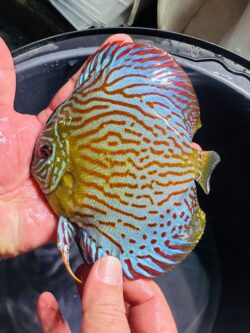
Credit: ozdiscus.com.au
Tracking And Recording Results
Selective breeding of discus fish requires careful tracking of patterns and colors. Recording results helps breeders see which traits pass on to offspring.
Good records make it easier to improve the patterns in future generations. This process helps create discus fish with the desired look.
Documenting Color Variations
Keep detailed notes on the colors of each discus fish. Note the shade, brightness, and any unique markings. Use photos to capture true colors.
Label each fish clearly and record the date of birth. Track changes in color as the fish grows to see how patterns develop over time.
- Record base colors like red, blue, or yellow
- Note pattern types such as stripes or spots
- Use consistent terms for easy comparison
- Take pictures under similar lighting conditions
- Update records regularly as fish mature
Analyzing Offspring Traits
Review the offspring to see which traits are passed down. Compare their colors and patterns to their parents. Look for strong or weak traits.
Track how often certain traits appear in the offspring. Use this data to decide which fish to breed next. This helps strengthen desired patterns.
| Trait | Frequency in Offspring | Notes |
|---|---|---|
| Red Base Color | 70% | Strongly inherited from mother |
| Striped Pattern | 45% | Appears more in males |
| Bright Yellow Markings | 30% | Rare but distinct |
Common Challenges
Selective breeding of discus fish to create unique patterns is complex. Breeders face many challenges that affect success.
These challenges include limits in genetics and keeping the fish healthy during the process. Both need careful attention.
Genetic Limitations
Genetic diversity in discus fish is often low. This limits the variety of patterns breeders can produce. Inbreeding can cause weak offspring with health problems.
- Limited gene pool reduces pattern variety
- Inbreeding increases risk of deformities
- Some desired traits are hard to pass on
- Unpredictable gene expression affects patterns
Maintaining Fish Health
Keeping discus fish healthy is a top priority. Stress and illness can ruin breeding efforts and damage fish quality.
| Health Challenge | Impact on Breeding |
|---|---|
| Water Quality Issues | Stresses fish, lowers breeding success |
| Diseases and Parasites | Cause death and deformities |
| Improper Diet | Weakens immune system and growth |
| Overcrowding | Increases stress and disease risk |

Credit: www.somethingsphishy.com
Enhancing Color Intensity
Selective breeding in discus fish aims to enhance their color intensity. This process involves careful selection of parent fish with vibrant colors.
Breeders focus on patterns and hues that are most appealing. By doing so, they produce offspring with intensified colors.
Diet And Nutrition
A balanced diet is crucial for vibrant discus colors. Proper nutrition enhances the natural hues of the fish.
Include high-quality proteins and vitamins in their diet. This supports healthy growth and color enhancement.
- Feed them brine shrimp and bloodworms.
- Include spirulina for better color.
- Offer a variety of foods for balanced nutrition.
Optimal Tank Conditions
Tank conditions greatly impact discus color. Maintaining the right environment is essential for vibrant fish.
Keep water clean and stable. This helps in showcasing their natural beauty.
- Maintain water temperature between 82°F and 86°F.
- Ensure good filtration and regular water changes.
- Use soft, slightly acidic water for best results.
Showcasing Stunning Patterns
Discus fish are known for their vibrant patterns. Selective breeding enhances these unique designs. Breeders focus on creating fish with striking appearances. These patterns make them popular in aquariums.
Breeding discus for patterns requires patience. Each new generation can display unexpected beauty. The goal is to produce stunning visuals that captivate enthusiasts and judges alike.
Photography Tips
Good photos highlight the beauty of discus patterns. Use clear water and clean tanks for the best shots. Natural light can enhance the colors and patterns.
Take multiple photos to capture different angles. Patience is key to getting the perfect shot. A calm environment helps fish to stay still.
- Use a macro lens for detailed shots
- Keep the camera steady with a tripod
- Avoid using flash to prevent stress
Preparing For Competitions
Competitions are a great way to showcase discus patterns. Start by selecting fish with the most striking designs. Healthy fish with vibrant colors stand out.
Train your fish to stay calm in new environments. This helps them perform well during judging. Practice handling and transporting them safely.
| Ensure proper nutrition for vibrant colors |
| Regularly clean tanks to maintain health |
| Acclimate fish to competition conditions |
Frequently Asked Questions
What Is Selective Breeding In Discus Fish?
Selective breeding in discus fish involves choosing parents with desirable patterns to produce offspring with specific traits. This method enhances unique colors and patterns, improving their aesthetic appeal and market value.
How Does Selective Breeding Affect Discus Patterns?
Selective breeding focuses on enhancing distinct patterns by pairing discus with preferred markings. This creates offspring with more vibrant and consistent designs, increasing the variety of beautiful discus patterns available.
What Traits Are Targeted In Discus Selective Breeding?
Breeders target traits like color intensity, pattern symmetry, fin shape, and size. These characteristics improve the fish’s appearance and health, making them more attractive to hobbyists and collectors.
How Long Does Selective Breeding Take For Discus Patterns?
Selective breeding for discus patterns usually takes several generations. Typically, noticeable pattern improvements appear after 3 to 5 breeding cycles, depending on the desired traits and breeding strategy.
Conclusion
Selective breeding helps create beautiful discus fish patterns. Choosing the right fish is key to success. It takes patience and care to see results. Breeders improve colors and shapes over time. Each generation shows small but clear changes. This practice keeps discus fish unique and attractive.
Watching the patterns develop can be very rewarding. Keep learning and enjoy the process. Selective breeding brings joy to many fish lovers.