
Are you wondering how to tell the difference between a male and female neon tetra? If you keep neon tetras in your aquarium, knowing their gender can help you create a healthier, more balanced environment.
But spotting the differences isn’t always easy. You’ll discover simple ways to identify male and female neon tetras. By the end, you’ll feel confident in recognizing their unique traits and making the best choices for your fish tank. Keep reading to learn the secrets that will make your neon tetras thrive!
Appearance Differences
Male and female Neon Tetras show clear differences in how they look. These differences help identify their gender.
We will explore three key areas: body shape, color intensity, and fin differences.
Body Shape Variations
Female Neon Tetras have rounder and fuller bodies. This is especially true when they carry eggs. Males tend to have slimmer and more streamlined bodies.
Color Intensity
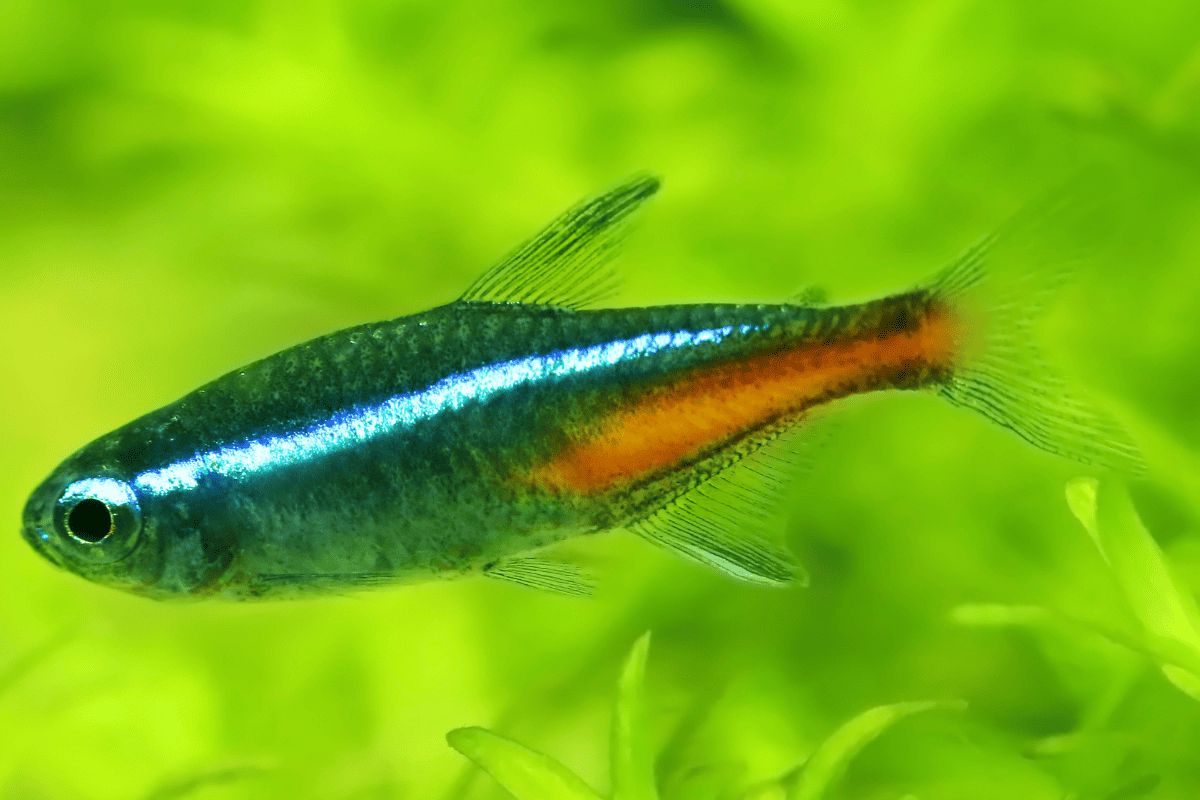
Males usually show brighter and more vivid colors. Females have softer and less intense hues. This difference helps males attract mates.
- Male Neon Tetras have brighter blue stripes.
- The red stripe is more vivid in males.
- Females show duller blue and red colors.
Fin Differences
| Fin Type | Male Neon Tetra | Female Neon Tetra |
|---|---|---|
| Dorsal Fin | Longer and pointed | Shorter and rounded |
| Anal Fin | More angular shape | Smoother, rounded edges |
| Caudal Fin | Sharply forked | Less forked, more rounded |
Size Comparison
Male and female neon tetras look alike but differ in size. Understanding their size helps in identifying each gender.
Size differences affect their behavior and care needs in an aquarium.
Male Neon Tetra Size
Males are generally slimmer and slightly longer. They can grow up to 1.5 inches (3.8 cm).
Female Neon Tetra Size
Females tend to be rounder and a bit shorter. Their size reaches about 1.3 inches (3.3 cm).
Size Differences Table
| Feature | Male Neon Tetra | Female Neon Tetra |
| Maximum Length | 1.5 inches (3.8 cm) | 1.3 inches (3.3 cm) |
| Body Shape | Slim and streamlined | Rounder and fuller |
| Size Comparison | Longer | Shorter |
Behavioral Traits
Male and female Neon Tetras show different behaviors. These differences help in identifying their gender.
Understanding their behavior helps in better care and breeding in home aquariums.
Social Interactions
Neon Tetras are peaceful fish that live in groups. Males are often more active and swim around more.
Females tend to be calmer and stay more in the middle of the group. Males may show mild competition but rarely fight.
- Males are more energetic and explore more.
- Females stay closer to other fish for safety.
- Males sometimes display small chasing behaviors.
- Both genders prefer to live in schools.
Breeding Behavior
During breeding, males become brighter in color to attract females. They show more active swimming to impress females.
Females develop a rounder belly when ready to lay eggs. They choose safe places to deposit eggs, often among plants.
- Males chase females gently during courtship.
- Females release eggs slowly in hidden spots.
- Both parents do not guard the eggs.
- Breeding pairs often separate from the group briefly.

Credit: www.reddit.com
Habitat Preferences
Neon tetras are small, colorful fish popular in home aquariums. Male and female neon tetras live in similar natural habitats.
Understanding their habitat helps keep them healthy and happy in tanks. Their preferences show slight differences between males and females.
Male Neon Tetra Habitat Preferences
Male neon tetras often swim in open areas of slow-moving waters. They like spots with moderate light and plenty of hiding places.
Males prefer places with plants to show off their bright colors. They use these areas to find mates and avoid predators.
- Slow-moving streams or rivers
- Moderate light conditions
- Areas with aquatic plants
- Open swimming space
Female Neon Tetra Habitat Preferences
Female neon tetras like calm waters with dense plant cover. They use plants to hide and protect their eggs.
Females often stay near the bottom or middle of the water column. They prefer cooler, shaded spots to stay safe.
- Calm and shaded waters
- Thick aquatic vegetation
- Lower to middle water levels
- Cooler temperatures
Care Requirements
Male and female Neon Tetras need similar care to thrive. Understanding their needs helps keep them healthy.
Proper diet, tank setup, and water conditions are key for both genders. These factors support their bright colors and active behavior.
Diet Needs
Neon Tetras eat small foods. They like flakes, pellets, and live or frozen foods.
Males and females have no big difference in diet. Feed them twice daily in small amounts.
- High-quality flake or pellet food
- Live or frozen brine shrimp
- Microworms or daphnia
- Feed small portions to avoid waste
Tank Setup
Neon Tetras need a planted tank with hiding spots. Both males and females like swimming space.
Use soft substrate and live plants. Add driftwood or rocks for shelter and comfort.
- Tank size: minimum 10 gallons
- Lots of plants for cover
- Open swimming areas
- Gentle water flow
- Low light to mimic natural habitat
Water Parameters
Neon Tetras prefer clean, soft, and slightly acidic water. Keep water stable for best health.
Both males and females need similar water conditions. Regular water changes keep the tank safe.
| Parameter | Ideal Range |
|---|---|
| Temperature | 70-77°F (21-25°C) |
| pH | 6.0-7.0 |
| Hardness | 1-10 dGH (soft water) |
| Ammonia/Nitrite | 0 ppm |
| Nitrate | < 20 ppm |
Credit: tropicalaquarium.com.au
Breeding Tips
Neon Tetras are popular aquarium fish. Breeding them can be rewarding if done right.
Understanding how to identify males and females is crucial. Proper spawning conditions also matter.
Identifying Males And Females
Male and female Neon Tetras have subtle differences. Recognizing these helps in breeding.
- Males are slimmer and more vibrant.
- Females are rounder, especially when full of eggs.
- Females may have a slightly curved blue line.
Spawning Conditions
Creating the right environment encourages spawning. Water quality and lighting play a role.
| Condition | Ideal Range |
| Temperature | 72°F to 75°F |
| pH Level | 6.0 to 6.5 |
| Water Hardness | 1 to 2 dGH |
| Lighting | Dim |
Raising Fry
After spawning, fry need special care. They are delicate and require specific conditions to thrive.
- Feed fry with infusoria initially.
- Gradually introduce baby brine shrimp.
- Maintain clean water with frequent changes.
Credit: petfishonline.com
Frequently Asked Questions
How To Tell Male Vs Female Neon Tetras?
Male neon tetras are slimmer and have a straighter blue line. Female neon tetras are rounder with a curved blue line. This difference is especially visible when females are full of eggs.
Do Male And Female Neon Tetras Differ In Size?
Yes, females are generally larger and rounder than males. Males are more slender and slightly smaller, which helps in distinguishing their gender.
Can Male And Female Neon Tetras Live Together Peacefully?
Yes, male and female neon tetras coexist peacefully in community tanks. They are social fish that thrive in groups of six or more.
Which Neon Tetra Gender Is Better For Breeding?
Female neon tetras are essential for breeding as they lay eggs. Males fertilize the eggs, so both genders are necessary for successful breeding.
Conclusion
Male and female neon tetras have clear differences in shape and size. Males tend to be slimmer and more colorful. Females usually have rounder bodies and softer colors. Knowing these traits helps you care for your fish better. It also makes it easier to spot males and females in your tank.
Both types add beauty and life to your aquarium. Enjoy watching their unique behaviors and vibrant colors every day. Choosing the right neon tetra can improve your fishkeeping experience.