
If you want to raise discus fish that truly stand out, the secret lies in high-quality bloodline selection. Choosing the right bloodline isn’t just about looks—it affects your fish’s health, behavior, and long-term success.
Imagine having discus that are vibrant, strong, and consistently impressive every time. You’ll discover how to pick the best bloodlines for your collection and why it makes all the difference. Ready to take your discus game to the next level?
Keep reading to unlock the key to exceptional discus fish.
Discus Bloodline Basics
Discus fish come from many bloodlines. Each bloodline has unique traits. Choosing a good bloodline helps keep your fish healthy.
Knowing the basics of discus bloodlines helps you pick the right fish. It also helps in breeding and care.
What Makes A Bloodline High-quality
A high-quality discus bloodline shows strong health and clear traits. These fish breed true to their type. They have fewer diseases and live longer.
Good bloodlines come from careful selection. Breeders choose fish with the best shapes, colors, and patterns. This keeps the bloodline strong.
Traits To Look For
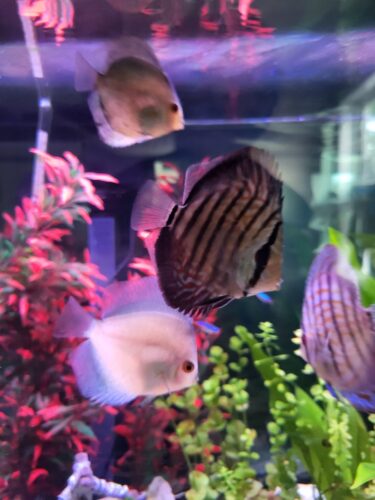
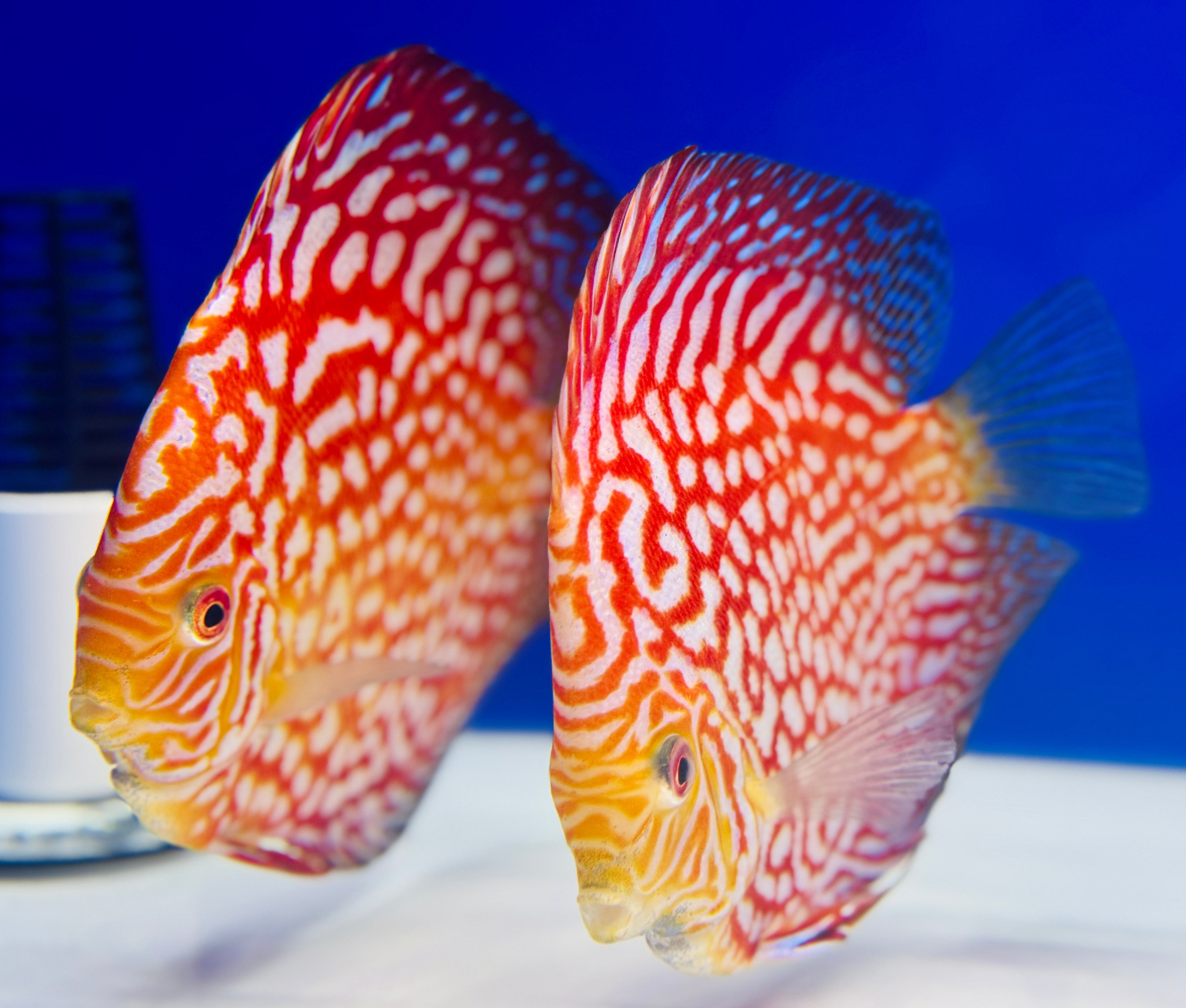
Look for bright colors and clear patterns in discus fish. Their body shape should be round and flat. Healthy fins and smooth scales are signs of quality.
- Vibrant and consistent colors
- Symmetrical body shape
- Clear and sharp pattern edges
- Strong, undamaged fins
- Active and alert behavior
- Good size for their age
Top Discus Bloodlines
Discus fish are popular for their bright colors and round shape. Breeders select the best bloodlines to keep quality high. These bloodlines show unique features and strong traits.
Choosing a good bloodline helps keep discus healthy and beautiful. It is important to know the most common and respected bloodlines worldwide.
Popular Breeds Worldwide
Many discus breeds come from different countries. Each breed has a special look and history. Some popular bloodlines include:
- Heckel Discus – Known for strong colors and patterns
- Pigeon Blood Discus – Famous for bright red color
- Green Discus – Has a greenish tint and unique markings
- Royal Blue Discus – Deep blue color with smooth fins
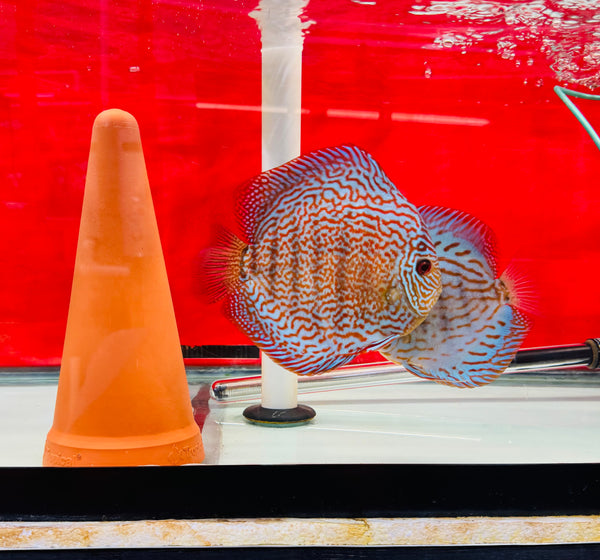
- Red Turquoise Discus – Mix of red and blue shades
Unique Characteristics Of Each Bloodline
Each discus bloodline has traits that make it special. These traits include color, shape, and behavior. Understanding these helps in choosing the right fish.
| Bloodline | Color | Shape | Notable Trait |
|---|---|---|---|
| Heckel Discus | Bright red with vertical stripes | Round and deep body | Strong patterns and high contrast |
| Pigeon Blood Discus | Solid bright red | Round with smooth fins | Vibrant and uniform color |
| Green Discus | Green with black markings | Oval and slim | Unique greenish tint |
| Royal Blue Discus | Deep blue | Round and thick body | Rich blue shade with smooth edges |
| Red Turquoise Discus | Red mixed with blue | Round with patterned fins | Color mix creates eye-catching look |
Selecting Superior Discus
Choosing high-quality discus fish is important for a healthy aquarium. Good selection helps keep your fish happy and strong.
Look closely at each discus before buying. Focus on their looks, health, and behavior to find the best ones.
Assessing Physical Features
Check the shape of the discus. A round and flat body shows good quality. Avoid fish with dents or deformities.
Look at the colors and patterns. Bright, clear colors with sharp patterns mean strong bloodlines. Dull colors can show stress or illness.
- Round and flat body shape
- Bright and clear colors
- Sharp and consistent patterns
- Fins should be whole and not torn
- Eyes should be clear and not cloudy
Evaluating Health And Behavior
Healthy discus swim actively and stay upright. Watch for slow or weak movement, which can show illness.
Check breathing rate. Fast or heavy breathing may signal poor health. Look for clear skin without spots or injuries.
- Active swimming and normal posture
- Slow and steady breathing
- Clear skin without white spots or wounds
- No signs of bloating or unusual lumps
- Good appetite when feeding
Credit: www.discus.com
Breeding Strategies
Discus fish are popular for their bright colors and round shape. Breeding high-quality discus requires careful planning. Good strategies help keep strong bloodlines and healthy fish.
Using the right breeding methods improves traits like color, shape, and size. Breeders must balance traits and genetics to avoid problems.
Pairing For Optimal Traits
Choose breeding pairs with the best traits you want to keep. Look for strong colors, good body shape, and healthy behavior. Pair fish that complement each other.
Focus on traits like color intensity, fin shape, and size. Avoid fish with weak or damaged features. This helps pass good traits to offspring.
- Pick pairs with vibrant colors and clear patterns
- Choose fish with round bodies and smooth fins
- Ensure both parents are healthy and active
- Match fish with traits you want to improve
Maintaining Genetic Diversity
Keep genetic diversity to avoid health problems and weak fish. Use different bloodlines to reduce inbreeding risks. Diverse genetics help fish resist diseases.
Rotate breeding pairs and introduce new discus occasionally. Track family lines to avoid close relatives breeding. This keeps your stock strong over time.
- Use multiple bloodlines in your breeding program
- Do not breed siblings or close relatives
- Introduce new discus from trusted sources
- Keep records of each fish’s lineage
Raising Quality Offspring
Raising discus fish with strong bloodlines needs care and attention. The right environment and feeding help young fish grow healthy and bright.
Good habits in tank setup and feeding support good traits in discus offspring. This guide shows key points to focus on.
Tank Setup And Environment
Discus fish need clean, warm water and space to grow. Proper tank setup helps reduce stress and illness.
- Keep water temperature between 82°F and 86°F (28°C to 30°C).
- Use soft, slightly acidic water with a pH of 6.0 to 7.0.
- Maintain excellent water quality with frequent water changes.
- Provide a tank size of at least 50 gallons for a breeding pair.
- Add plants and hiding spots for comfort and security.
Feeding For Growth And Color
Good nutrition helps discus fish grow strong and show vibrant colors. Feed them a balanced diet with variety.
| Food Type | Benefits |
| High-quality pellets | Supports general health and growth |
| Frozen bloodworms | Enhances protein intake and color |
| Brine shrimp | Rich in nutrients for young fish |
| Vegetable flakes | Provides fiber and vitamins |
Common Challenges
Choosing high-quality bloodlines for discus fish is a challenging task. Many breeders face common issues that can affect the health and appearance of the fish.
Understanding these challenges helps improve breeding practices and results in healthier discus fish.
Disease Prevention
Discus fish are prone to various diseases. Preventing disease is crucial for maintaining healthy fish. Clean water and proper nutrition reduce the risk of illness.
Regular monitoring helps spot problems early. Quarantining new fish before adding them to the tank is essential for disease control.
- Keep water clean and filtered
- Feed a balanced diet
- Quarantine new fish
Managing Stress And Aggression
Discus fish can become stressed easily. Stress affects their health and can lead to aggression. Providing a calm environment is important.
Proper tank size and hiding spots help reduce stress. Observing fish behavior helps identify any aggressive actions early.
- Ensure adequate tank space
- Provide hiding spots
- Monitor behavior regularly
Market Trends And Value
The market for high-quality discus fish is growing. More people want these fish for their aquariums.
Understanding market trends helps in making informed buying decisions. This ensures the best value for enthusiasts.
Demand For High-quality Discus
The demand for discus fish is increasing rapidly. This is due to their vibrant colors and unique patterns.
- Hobbyists seek rare and colorful varieties
- Fishkeepers aim for healthy and robust specimens
- Breeders focus on preserving strong genetic lines
Pricing Influences
Several factors influence the pricing of discus fish. These factors determine their market value.
| Factor | Impact on Price |
| Color and Pattern | High |
| Size | Medium |
| Lineage | High |
| Health | Critical |
Credit: goldenstatediscus.com
Credit: myrtlebeachdiscus.com
Frequently Asked Questions
What Defines A High-quality Discus Bloodline?
A high-quality discus bloodline has consistent traits like vibrant colors and strong body shape. It ensures healthy offspring with good temperament. Breeders focus on lineage purity and selective breeding to maintain these qualities for aquarium enthusiasts.
How To Select Discus For Breeding Purposes?
Choose discus with strong genetic traits, vibrant colors, and good health. Look for disease resistance and calm behavior. Proper selection enhances offspring quality and maintains bloodline standards.
Why Is Discus Bloodline Important For Hobbyists?
Bloodline affects discus appearance, health, and behavior. High-quality bloodlines guarantee better growth and fewer diseases. Hobbyists benefit from consistent and beautiful fish through good bloodline selection.
Can Bloodline Improve Discus Disease Resistance?
Yes, selecting discus from strong bloodlines improves disease resistance. Healthy genetics help fish better fight infections. This reduces mortality rates and increases lifespan in aquariums.
Conclusion
Choosing high-quality discus bloodlines helps keep your fish healthy and vibrant. Good bloodlines improve colors, shapes, and behavior in your tank. They also reduce the chance of diseases and weak offspring. Focus on selecting strong, well-bred discus for better results.
This care makes your aquarium more beautiful and rewarding to watch. Keep learning and observing to find the best bloodlines for your collection. Quality always matters when raising discus fish.