
If you want your cichlids to grow strong and show off their brightest colors, what you feed them plays a huge role. Getting the right diet isn’t just about filling their stomachs—it’s about boosting their health, enhancing their natural beauty, and helping them thrive in your aquarium.
You’ll discover simple, effective ways to tailor your cichlid’s diet to unlock their full potential. Keep reading, and you’ll learn how to make every meal count for your fish’s growth and vibrant color.

Credit: jungleaquatics.com
Essential Nutrients For Cichlids
Cichlids need a balanced diet to grow strong and show bright colors. Good nutrition helps their health and vitality. Feeding the right nutrients supports their natural beauty and energy.
Understanding the key nutrients is important. Proteins, vitamins, minerals, carbohydrates, and fats all play a role. Each type of nutrient contributes differently to the cichlid’s well-being.
Proteins And Their Role
Proteins are the building blocks for muscle and tissue growth. Cichlids need high-quality protein to develop strong bodies and vibrant colors. Protein also helps repair cells and supports the immune system.
- Fish meal and shrimp are good protein sources.
- Insects and worms provide essential amino acids.
- Avoid too much plant protein, as it is harder to digest.
Importance Of Vitamins And Minerals
Vitamins and minerals help cichlids stay healthy and active. They support bone strength, eye health, and color brightness. Without enough vitamins and minerals, fish can become weak and dull.
| Vitamin/Mineral | Benefit |
|---|---|
| Vitamin A | Supports vision and skin health |
| Vitamin C | Boosts immune system |
| Calcium | Strengthens bones and scales |
| Iron | Helps blood carry oxygen |
Balancing Carbohydrates And Fats
Carbohydrates provide energy for daily activity. Fats help with energy storage and support cell health. Too many carbs or fats can cause problems, so balance is key.
Good sources of carbohydrates and fats for cichlids include:
- Vegetables like peas and spinach for carbs
- Fish oils and small amounts of seeds for fats
- Avoid excess bread or grain-based foods
Types Of Food For Growth
Cichlids need the right food to grow strong and show bright colors. Feeding them the best diet helps their health and appearance.
Different foods provide nutrients that support growth and color. Knowing which foods to use keeps your cichlids healthy.
High-protein Pellets And Flakes
High-protein pellets and flakes are common foods for cichlids. They have balanced nutrients for good growth.
These foods are easy to feed and store. They help build muscle and improve color in cichlids.
- Look for pellets with 40% or more protein
- Flakes should be made for carnivorous fish
- Feed small amounts to avoid water pollution
Live And Frozen Foods
Live and frozen foods provide natural nutrition and stimulate hunting behavior. They are rich in protein and fats.
Common live foods include brine shrimp and bloodworms. Frozen options offer convenience and safety.
- Brine shrimp help boost growth and color
- Bloodworms are high in protein and easy to digest
- Frozen foods reduce risk of disease
Vegetable Matter And Plant-based Diets
Cichlids also need vegetable matter for fiber and vitamins. Plant-based foods aid digestion and keep them healthy.
Some species prefer algae or vegetables like spinach and peas. These foods balance the diet and improve color.
- Include spirulina flakes or algae wafers
- Feed boiled peas or spinach in small amounts
- Vegetables support good digestion and color
Foods That Enhance Color
Cichlids show their best colors when fed the right foods. Bright colors mean healthy fish.
Some foods help boost the natural shine and color of cichlids. Feeding these regularly is key.
Natural Color Boosters
Natural foods rich in pigments can improve cichlid color. These include certain vegetables and crustaceans.
- Red bell peppers add bright red pigments
- Spirulina algae enhances green and blue hues
- Krill and shrimp offer natural carotenoids
- Spinach provides essential vitamins and color support
Role Of Carotenoids
Carotenoids are pigments that make cichlid colors vivid. Fish cannot produce these on their own.
| Carotenoid Type | Color Effect |
| Astaxanthin | Red and orange tones |
| Canthaxanthin | Deep red shades |
| Zeaxanthin | Yellow and gold hues |
| Lutein | Bright yellow coloring |
Supplements For Vibrancy
Supplements add extra color nutrients to cichlid diets. Use them carefully for best results.
Common color-enhancing supplements:
- Spirulina powder
- Carotenoid-enriched flakes
- Astaxanthin capsules
- Natural pigment gels
Feeding Frequency And Portion Control
Feeding cichlids the right amount at the right times helps them grow well. It also brings out their bright colors.
Too much or too little food can harm their health. Careful feeding keeps cichlids healthy and colorful.
Optimal Feeding Schedules
Feed young cichlids two to three times a day. Adult cichlids do well with one or two feedings daily.
Keep feeding times consistent to build a good routine. This helps fish digest food better and grow strong.
- Young cichlids: 2-3 feedings per day
- Adult cichlids: 1-2 feedings per day
- Feed at the same times every day
Avoiding Overfeeding
Overfeeding can cause water pollution and health issues in cichlids. It also hides their natural colors.
Only give as much food as your fish can eat in a few minutes. Remove leftover food quickly to keep the tank clean.
- Feed small portions at each feeding
- Watch fish eat to avoid leftovers
- Remove uneaten food after 5 minutes
- Keep tank water clean to protect fish health
Signs Of Proper Nutrition
Healthy cichlids show bright colors and active behavior. They swim well and have clear eyes.
Good appetite and steady growth also mean proper nutrition. Watch for these signs to adjust feeding if needed.
- Bright and vibrant colors
- Active swimming and alertness
- Clear, shiny eyes
- Consistent growth over time
- Regular appetite at feeding times
Special Diets For Different Cichlid Species
Cichlids need diets that match their species for the best growth and color. Feeding the right food helps keep them healthy and vibrant.
This guide explains the diets for African and South American cichlids. It also shows how to feed young and adult fish properly.
Diet For African Cichlids
African cichlids mostly eat plants and algae in the wild. They need food high in vegetable matter to grow strong and show bright colors.
- Use spirulina flakes or pellets rich in plant content.
- Include occasional treats like brine shrimp or bloodworms for protein.
- Avoid too much meat, which can harm their digestion.
- Feed small amounts multiple times a day to prevent waste.
Diet For South American Cichlids
South American cichlids eat a mix of plants, insects, and small animals. Their diet needs balanced proteins and fats to support growth and color.
| Food Type | Examples | Frequency |
| Protein | Bloodworms, brine shrimp | 3 times a week |
| Vegetable | Spirulina, peas | Daily |
| Pellets | High-quality cichlid pellets | Daily |
Tailoring Diets For Juveniles And Adults
Young cichlids need more protein to grow fast. Adults require balanced food to keep color and health.
Feed juveniles with:
- High-protein flakes or pellets
- Live or frozen foods like daphnia
- Small frequent meals (3-4 times daily)
Feed adults with:
- Balanced pellets with vegetable and protein
- Vegetables like spinach or zucchini once a week
- Two meals daily to avoid overfeeding
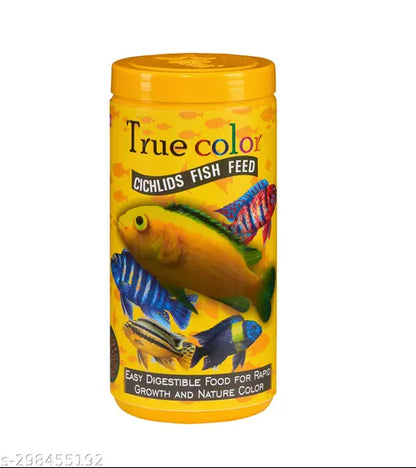
Credit: vedaaquarium.com
Common Diet Mistakes To Avoid
Feeding your cichlids the right diet is crucial for their growth and vibrant color. Many fish owners make common mistakes that can affect their fish’s health.
Understanding these mistakes helps you provide a balanced diet for your cichlids, ensuring they thrive in your aquarium.
Feeding Inappropriate Foods
Some foods can harm your cichlids. It’s important to know which ones to avoid to keep your fish healthy and colorful.
- Avoid feeding them high-fat foods like beef heart.
- Do not use foods meant for other fish species.
- Steer clear of processed foods with artificial dyes.
Ignoring Dietary Diversity
Cichlids need a variety of foods to stay healthy. A diet lacking diversity can lead to nutritional deficiencies and poor color.
| Food Type | Frequency |
| Pellets | Daily |
| Frozen Foods | Twice a week |
| Vegetables | Once a week |
Impact Of Poor Diet On Health And Color
A poor diet can lead to health issues and dull colors in cichlids. Ensuring a balanced diet is key to maintaining their vivid appearance.
Preparing And Storing Cichlid Food
Cichlids need a balanced diet for their vibrant colors and healthy growth. Preparing and storing their food properly ensures they get the nutrients they need.
Learn how to handle live and frozen food, make homemade recipes, and store food to preserve nutrients.
Best Practices For Live And Frozen Food
Live and frozen foods are great for cichlids. They mimic natural diets. Always rinse live food before feeding to remove impurities.
Thaw frozen food in a cup of tank water. This keeps it fresh and palatable.
- Avoid overfeeding to prevent water pollution
- Use varied food types for balanced nutrition
- Store frozen food properly to avoid spoilage
Homemade Food Recipes
Making food at home is cost-effective and allows you to customize ingredients. Use fresh vegetables and proteins like shrimp or fish.
Blend the ingredients and form into small pellets. This makes it easy for cichlids to eat.
- Use a variety of vegetables like spinach and peas
- Add vitamins for enhanced nutrition
- Freeze in small portions for easy use
Storage Tips To Preserve Nutrients
Proper storage keeps food fresh and nutritious. Store dry foods in airtight containers away from sunlight.
Frozen foods should be kept in sealed bags. This prevents freezer burn and maintains quality.
- Label containers with dates for freshness
- Keep food in a cool, dry place
- Avoid storing food for too long

Credit: www.amazon.com
Frequently Asked Questions
What Is The Best Diet For Cichlid Growth?
A balanced diet with high protein promotes cichlid growth. Include pellets, live foods, and vegetables. Avoid overfeeding to maintain health and growth.
How Does Diet Affect Cichlid Color Enhancement?
Proper nutrition boosts cichlid color vibrancy. Foods rich in carotenoids and spirulina intensify reds and blues. Consistent feeding improves long-term coloration.
Can Cichlids Eat Both Plant And Animal Foods?
Yes, cichlids are omnivores. They thrive on a mix of proteins and plant matter. This varied diet supports growth and vivid colors.
How Often Should I Feed Cichlids For Optimal Growth?
Feed young cichlids 2-3 times daily in small amounts. Adult cichlids do well with once or twice daily feeding. Avoid overfeeding to prevent health issues.
Conclusion
A balanced diet helps cichlids grow healthy and show bright colors. Feeding them varied foods keeps them strong and active. Fresh, high-quality ingredients support their natural beauty and energy. Regular feeding times also help maintain their health. Remember, good nutrition means happier fish.
Care for your cichlids with the right diet, and enjoy their vibrant colors every day. Simple steps lead to healthy, colorful fish.