
Are you fascinated by the vibrant colors and unique patterns of guppies? If so, understanding guppy hybrid varieties can take your aquarium hobby to the next level.
These hybrids are not just beautiful; they hold secrets that can help you create your own stunning fish collection. You’ll discover what guppy hybrids are, how they come to be, and why they matter for your tank. Keep reading to unlock the colorful world of guppy hybrids and learn how to choose or even breed the perfect varieties for your home.

Credit: www.youtube.com
Guppy Basics
Guppies are small, colorful freshwater fish. They are popular pets for beginners.
Guppy hybrids combine traits from different guppy types. This creates unique colors and patterns.
Guppy Species And Origins
Guppies belong to the species Poecilia reticulata. They come from rivers in South America.
They are native to countries like Venezuela, Brazil, and Guyana. Guppies live in slow-moving waters.
- Natural habitats include streams and ponds
- They adapt well to many water conditions
- Wild guppies have less bright colors than hybrids
Key Traits And Behavior
Guppies are small fish, usually 1.5 to 2 inches long. They live about 2 to 3 years.
Male guppies are colorful and active. Females are larger and less bright.
- Guppies are peaceful and social fish
- They like to swim in groups
- Guppies eat flakes, pellets, and live food
- They breed easily in home aquariums
Credit: medium.com
Hybrid Guppy Varieties
Hybrid guppies are popular in aquariums due to their unique colors and patterns. These fish come from breeding different guppy strains.
Breeders create hybrid guppies to produce new looks that are not common in wild guppies. These hybrids attract many fish hobbyists.
What Are Hybrid Guppies
Hybrid guppies are fish bred from two or more different guppy strains. This mixing creates new colors, shapes, and fin styles.
They are not found in nature but made by breeders to improve beauty and variety. Hybrid guppies often show traits from both parent strains.
Popular Hybrid Types
Many hybrid guppy types exist, each with special colors and tail shapes. Some hybrids are more common and loved by hobbyists.
- Moscow Hybrid: Known for its dark body and bright tail colors.
- Delta Tail Hybrid: Features a large, triangular tail with mixed colors.
- Half Black Hybrid: Half of the body is black, the other half colorful.
- Snakeskin Hybrid: Has a unique pattern like snake scales on the body.
- Albino Hybrid: Pale body with red eyes and vibrant fins.
Creating Guppy Hybrids
Creating guppy hybrids is a popular hobby for fish keepers. It involves breeding different guppy types to get new colors and patterns.
Understanding how to create hybrids helps you produce unique and healthy fish. It takes patience and knowledge of breeding methods.
Selective Breeding Techniques
Selective breeding means choosing which guppies to mate based on traits you want. You pick males and females with the best colors and shapes.
- Choose healthy guppies with strong colors
- Pair fish that show the traits you want to keep
- Separate young fish to prevent inbreeding
- Record breeding pairs and their results
- Keep water clean to support fish health
Genetic Factors And Color Patterns
Guppy colors and patterns come from their genes. Some genes are dominant, while others are recessive. This affects what the offspring look like.
| Gene Type | Effect on Color | Example |
| Dominant | Shows in offspring even if only one parent has it | Red body color |
| Recessive | Shows only if both parents have the gene | Albino pattern |
| Co-dominant | Both traits show together | Spotted and striped mix |
Care For Hybrid Guppies
Hybrid guppies are a delightful addition to any aquarium. They are colorful and easy to care for with a bit of knowledge.
Understanding their needs ensures they thrive in your tank. Let’s explore how to care for them properly.
Tank Setup And Environment
Hybrid guppies need a clean and safe tank environment. Set up a tank that mimics their natural habitat.
Ensure the water temperature is between 74°F and 82°F. Use a water filter to keep the tank clean.
- Avoid overpopulating the tank
- Add plants for hiding spots
- Change 25% of the water weekly
Feeding And Nutrition
Hybrid guppies need a balanced diet. Feed them a mix of flakes, pellets, and live food.
Do not overfeed them. Small portions twice a day are ideal for their health.
- Feed a variety of foods
- Include protein-rich options
- Watch for uneaten food to prevent waste
Health And Disease Prevention
Keep your hybrid guppies healthy by monitoring their behavior and appearance. Sick guppies may become inactive or change color.
Regular tank maintenance helps prevent diseases. Quarantine new fish before adding them to the tank.
- Check for signs of illness daily
- Maintain good water quality
- Consult a vet if you notice health issues
Enhancing Guppy Colors
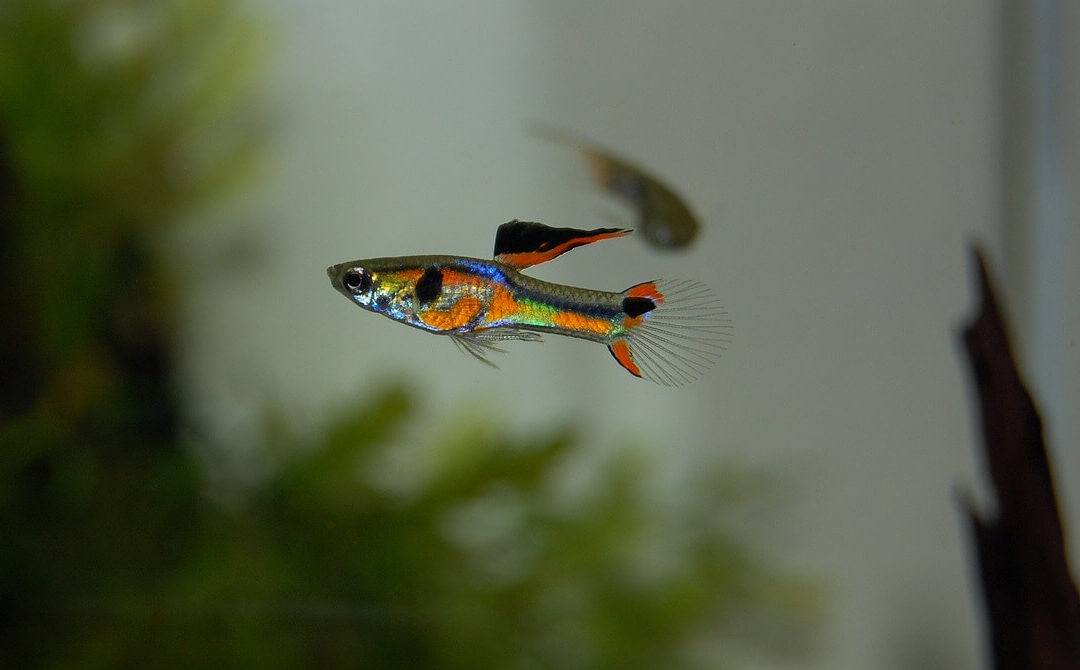
Guppies are popular for their bright and varied colors. Their appearance depends a lot on their care and environment. Feeding and tank settings can make a big difference in how vibrant they look.
Good care helps guppies show their best colors. This guide covers what to feed them and how to set their tank for bright colors.
Diet For Vibrant Colors
A healthy diet is key to keeping guppy colors bright. Foods rich in color-enhancing nutrients help their scales shine. Variety in food also supports overall health.
- Feed high-quality flakes or pellets with natural pigments
- Add live or frozen foods like brine shrimp and daphnia
- Include vegetables such as spinach or peas for vitamins
- Offer foods with carotenoids to boost red and orange tones
- Feed small amounts several times a day for best results
Lighting And Tank Conditions
Proper lighting makes guppy colors stand out more. The tank environment also affects their health and color. Clean water and good tank setup support bright, active fish.
| Factor | Recommendation |
| Lighting Type | Full-spectrum LED light for 8-12 hours daily |
| Water Temperature | Maintain between 74°F to 82°F (23°C to 28°C) |
| Water Quality | Regular water changes, keep ammonia and nitrate low |
| Tank Size | At least 10 gallons for stable environment |
| Decor | Plants and hiding spots reduce stress and enhance color |
Credit: aquariumbuddies.com
Common Challenges
Breeding guppy hybrids can be fun but also hard. Many challenges affect success.
These problems can slow down breeding and affect fish health. It helps to know them.
Breeding Difficulties
Guppy hybrids may not breed easily. Some pairs refuse to mate or produce few babies.
Hybrid guppies can have lower fertility. Their offspring may also have weak traits.
- Reduced mating interest between hybrids
- Small number of fry produced
- Lower survival rate of baby fish
- Unstable color patterns in offspring
Hybrid Health Issues
Hybrids often face health problems. They may get sick more easily than pure guppies.
Some hybrids have weak immune systems or deformities. This affects their lifespan.
- Increased risk of disease
- Physical deformities like curved spines
- Shorter life expectancy
- Stress from poor water tolerance
Showcasing Guppy Hybrids
Guppy hybrids are colorful and unique fish. They are loved by aquarium enthusiasts. Each hybrid has different patterns and colors.
These hybrids are often showcased in fish shows. They display the creativity of breeders. People enjoy seeing the variety of designs.
Participating In Fish Shows
Fish shows are events where breeders display their guppies. They compete for awards and recognition. It is a great place to learn about guppy care.
To participate, breeders must register their fish. They prepare their guppies for the event. Judges look for unique colors and healthy fish.
- Register early to secure a spot
- Groom your guppies for best appearance
- Display fish in clear tanks
Photography Tips
Photographing guppy hybrids can be challenging. Their colors and movement require special techniques. Good lighting is key to capturing their beauty.
Use a camera with a fast shutter speed. This helps to capture sharp images. A macro lens is useful for close-up shots.
- Use natural light for true colors
- Keep the tank clean for clear photos
- Be patient for the perfect shot
Frequently Asked Questions
What Are Guppy Hybrid Varieties?
Guppy hybrid varieties are selectively bred guppies combining traits from different strains. They exhibit unique colors, patterns, and fin shapes. These hybrids enhance aquarium aesthetics and genetic diversity. Breeders create hybrids to achieve vibrant, rare appearances not found in standard guppy breeds.
How Do Guppy Hybrids Differ From Purebreds?
Guppy hybrids have mixed genetic backgrounds, unlike purebreds with consistent lineage. Hybrids often show more color variation and diverse fin structures. Purebreds maintain uniform traits across generations. Hybrids can be more resilient but may lack predictable characteristics of pure strains.
Are Guppy Hybrids Easy To Breed At Home?
Yes, Guppy hybrids are relatively easy to breed at home. They adapt well to aquarium conditions and breed frequently. Basic knowledge of water quality and feeding ensures healthy offspring. Breeders should select parent fish carefully to maintain desired hybrid traits.
What Colors And Patterns Appear In Guppy Hybrids?
Guppy hybrids display a wide range of colors like blue, red, orange, and green. Patterns include spots, stripes, and mosaic designs. These combinations result from crossing different guppy strains. Hybrid varieties offer vibrant, eye-catching visual appeal in home aquariums.
Conclusion
Guppy hybrid varieties bring color and life to any aquarium. Each type shows unique patterns and shapes, making them special. Breeders work hard to create these beautiful fish. Understanding their traits helps you choose the best guppy for your tank.
Caring for hybrids is similar to caring for regular guppies. Enjoy watching their lively movements and bright colors every day. These fish add joy and interest to your hobby. Keep learning and observing to appreciate guppy hybrids fully. They truly brighten any fish collection.