
Bringing angelfish into your aquarium can be exciting, but if you want your new fish to thrive, you need to acclimate them properly. How you introduce angelfish to their new environment can make all the difference between a healthy, happy fish and one that struggles to survive.
You’ll discover simple, step-by-step methods to help your angelfish adjust smoothly. Follow these tips, and you’ll create a safe, stress-free home for your beautiful new pets. Keep reading to learn exactly what you need to do to give your angelfish the best start possible.
Preparing The Tank
Setting up a proper tank is important before adding angelfish. It helps them adjust well and stay healthy.
This guide covers the environment, water conditions, and decorations you need for your angelfish tank.
Choosing The Right Environment
Pick a tank size that gives angelfish enough space. A 20-gallon tank is good for one or two angelfish.
Keep the tank in a quiet place with stable temperature and low light to reduce stress for the fish.
Setting Optimal Water Conditions
Angelfish need clean, warm water with the right pH and hardness. Check these conditions before adding fish.
| Water Factor | Ideal Range |
|---|---|
| Temperature | 76°F to 82°F (24°C to 28°C) |
| pH Level | 6.8 to 7.8 |
| Water Hardness | 3 to 8 dKH |
Use a water conditioner to remove chlorine and harmful chemicals. Test water regularly to keep conditions stable.
Adding Plants And Decorations
Live plants and decorations help angelfish feel safe. They also keep the water cleaner and oxygenated.
- Choose tall plants like Amazon swords for hiding spots.
- Add smooth rocks or driftwood for natural decoration.
- Avoid sharp or rough objects to prevent injuries.
- Keep open swimming space in the center of the tank.
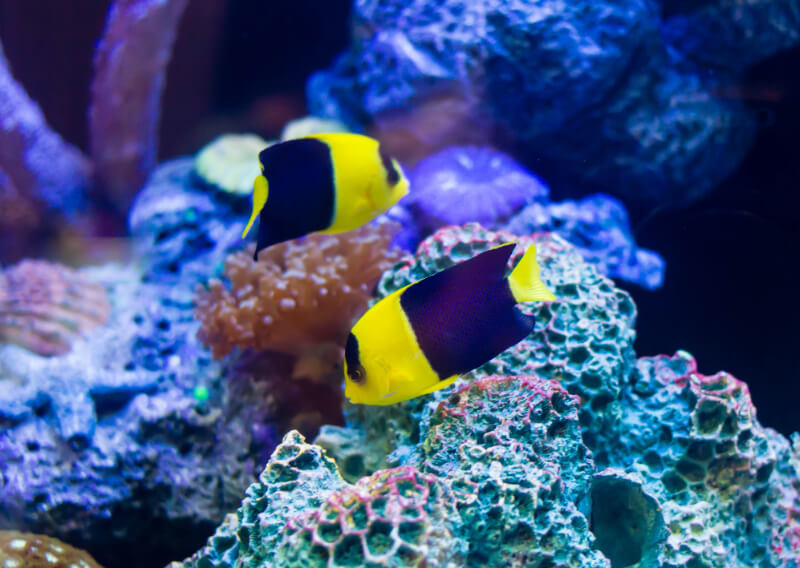
Credit: www.aquariumsource.com
Selecting Healthy Angelfish
Choosing healthy angelfish is important for a lively aquarium. Healthy fish adapt better to new tanks.
Look closely at fish before buying. This helps avoid sickness and stress later on.
Spotting Signs Of Good Health
Healthy angelfish swim actively and have clear eyes. Their fins stay open and do not look torn.
Their colors should be bright and consistent. Look for smooth, clean scales with no spots or damage.
- Bright, clear eyes without cloudiness
- Fins fully open and undamaged
- Bright and even coloring
- Smooth, clean scales without spots
- Active swimming and alert behavior
Avoiding Common Diseases
Choose fish that show no signs of illness. Avoid fish that scratch against objects or swim oddly.
Check for white spots, red marks, or cloudy eyes. These can be signs of common angelfish diseases.
- No white spots or fuzzy patches on skin
- No red sores or inflamed areas
- Clear eyes without cloudiness
- Normal swimming, not listless or erratic
- No signs of bloating or unusual body shape
Transporting Angelfish Safely
Transporting angelfish can be a delicate task. It is important to ensure their safety and well-being during the journey.
Proper preparation and handling can help minimize stress and prevent harm to your angelfish.
Minimizing Stress During Transport
Reducing stress is crucial when moving angelfish from one place to another.
- Use a spacious container with smooth sides to avoid injury.
- Maintain a stable temperature with a portable heater.
- Keep the container dark to calm the fish.
Proper Handling Techniques
Handling angelfish correctly ensures they remain healthy and stress-free.
Here are some key handling tips:
- Gently scoop the fish using a soft net to avoid damage.
- Transfer the fish quickly to minimize time out of water.
| Technique | Benefit |
| Use Soft Net | Prevents fin damage |
| Quick Transfer | Reduces stress |
Step-by-step Acclimation Process
Acclimating angelfish is crucial for their health and stress reduction. This process helps them adjust to new water conditions safely.
Follow these steps to ensure your angelfish transition smoothly into their new environment.
Using The Float Method
The float method is simple and effective for acclimating angelfish. It allows them to get used to the temperature of the new tank.
- Place the sealed bag with the angelfish in the tank water.
- Let it float for 15 to 20 minutes.
- Open the bag and allow some tank water to mix in.
- Close the bag and let it float for another 15 minutes.
- Gently release the fish into the tank.
Drip Acclimation Technique
The drip acclimation technique is more gradual and recommended for sensitive fish. It helps them adjust to the water chemistry slowly.
| Equipment | Purpose |
| Airline tubing | Controls water flow |
| Bucket | Holds fish and water |
| Clamp | Secures tubing |
Start by placing the fish in a bucket with its original water. Use airline tubing to drip water from the tank into the bucket. Adjust the flow to about 2-4 drips per second. Continue until the water volume doubles.
Timing And Patience
Acclimation requires patience. Rushing the process can stress your angelfish. Allow enough time for each step to ensure a smooth transition.
Monitoring Fish Behavior
Watching your angelfish closely helps you know if it feels safe. Fish show how they feel by their actions.
Careful observation during acclimation keeps your fish healthy and calm.
Recognizing Stress Signs
Stress can harm your angelfish. Learn to spot signs early to help your fish.
- Rapid gill movement or heavy breathing
- Clamped fins held close to the body
- Hiding or staying still for long times
- Loss of appetite or refusal to eat
- Erratic swimming or darting around
These signs show your fish is uncomfortable or scared.
Adjusting Environment As Needed
Change the tank setup if your angelfish shows stress. Small changes help fish feel safe.
- Lower the tank light to reduce brightness
- Check water temperature and keep it steady
- Add plants or decorations for hiding spots
- Keep the water clean with regular changes
- Avoid loud noises and sudden movements near the tank
Watch how your fish reacts after changes. Adjust more if needed to keep it calm.

Credit: www.youtube.com
Feeding Tips During Acclimation
Feeding angelfish properly during acclimation helps them adjust to their new environment. It supports their health and reduces stress.
Giving the right food in the right amounts is key. Keep a close eye on their eating habits to avoid overfeeding or underfeeding.
Choosing Nutritious Foods
Offer a balanced diet to help angelfish grow strong. Choose foods high in protein and vitamins. Avoid low-quality flakes or pellets.
- High-quality flake food made for tropical fish
- Frozen or live brine shrimp
- Bloodworms in small amounts
- Vegetable matter like blanched spinach or peas
- Pellets with added vitamins and minerals
Feeding Frequency And Amounts
Feed small amounts to avoid water pollution. Young angelfish need more frequent feeding than adults.
| Age of Angelfish | Feeding Frequency | Portion Size |
| Fry (baby fish) | 3 to 4 times daily | Small pinches or drops |
| Juveniles | 2 to 3 times daily | Moderate portions |
| Adults | Once or twice daily | Enough to finish in 2-3 minutes |
Maintaining Long-term Health
Acclimating angelfish properly is only the first step. Maintaining their health over time keeps them active and vibrant.
Good care involves regular tasks that protect your fish from illness and stress.
Regular Water Testing
Testing your aquarium water often helps you catch problems early. Keep the water chemistry stable for your angelfish.
- Check pH levels weekly to stay between 6.8 and 7.8
- Test ammonia and nitrite levels; both should be zero
- Measure nitrate levels and keep them below 20 ppm
- Test water hardness and maintain moderate levels
Tank Cleaning Schedule
Cleaning the tank regularly keeps the environment safe. Remove waste and debris to stop harmful bacteria from growing.
| Task | Frequency | Details |
| Water change | Weekly | Replace 20% of water with fresh, treated water |
| Gravel vacuuming | Bi-weekly | Remove leftover food and fish waste from the substrate |
| Filter cleaning | Monthly | Rinse filter media in tank water, avoid tap water |
| Glass cleaning | As needed | Use an algae scraper to keep glass clear |
Preventing Future Stress
Stress weakens angelfish and leads to illness. Keep their tank calm and stable to avoid stress.
- Keep tank water temperature steady between 75°F and 82°F
- Limit sudden changes in lighting or noise near the tank
- Avoid overcrowding; keep compatible fish species only
- Feed a balanced diet and avoid overfeeding
- Quarantine new fish before adding them to the main tank

Credit: www.reddit.com
Frequently Asked Questions
How Long Should I Acclimate Angelfish To A New Tank?
Acclimate angelfish for 1 to 2 hours using the drip method. This gradual process helps reduce stress and prevents shock from water changes. Adding tank water slowly to their transport bag allows fish to adjust to new water parameters safely.
What Is The Best Water Temperature For Angelfish Acclimation?
Maintain water temperature between 76°F and 82°F during acclimation. Stable temperature reduces stress and supports angelfish health. Sudden changes can shock the fish, so ensure both transport and tank water temperatures match closely.
Can I Use The Float Method To Acclimate Angelfish?
Yes, the float method is a quick way to equalize temperature. Float the sealed bag on the tank surface for 15-20 minutes. However, it doesn’t adjust water chemistry, so follow up with slow water mixing for best results.
Why Is Drip Acclimation Preferred For Angelfish?
Drip acclimation gradually adjusts both water temperature and chemistry. It minimizes stress and prevents ammonia or pH shock. This method is safest for sensitive angelfish and increases their chances of healthy adaptation to the new environment.
Conclusion
Acclimating angelfish takes patience and care. Slowly adjusting water helps them stay healthy. Watch their behavior to spot any stress signs. Keep the tank clean and stable for best results. A calm start leads to happy, thriving fish. Enjoy the beauty angelfish bring to your aquarium.
Caring for them well makes a big difference.