
Are you looking to add a unique twist to your aquarium or garden? Shrimps and snails might be the bonus variety you didn’t know you needed.
These small creatures bring more than just charm—they offer benefits that can transform your space. Whether you want to keep your tank clean or create a lively ecosystem, understanding how shrimps and snails work together can make all the difference.
Keep reading to discover why these tiny helpers deserve a spot in your collection and how they can enhance your environment in surprising ways.

Credit: www.whitlynaquatics.com
Exotic Shrimp Species
Shrimps come in many unique species. They add life and color to aquariums.
This guide covers freshwater, saltwater, and rare shrimp varieties. Each type has special traits.
Freshwater Shrimp Varieties
Freshwater shrimps are popular in home tanks. They help clean algae and debris.
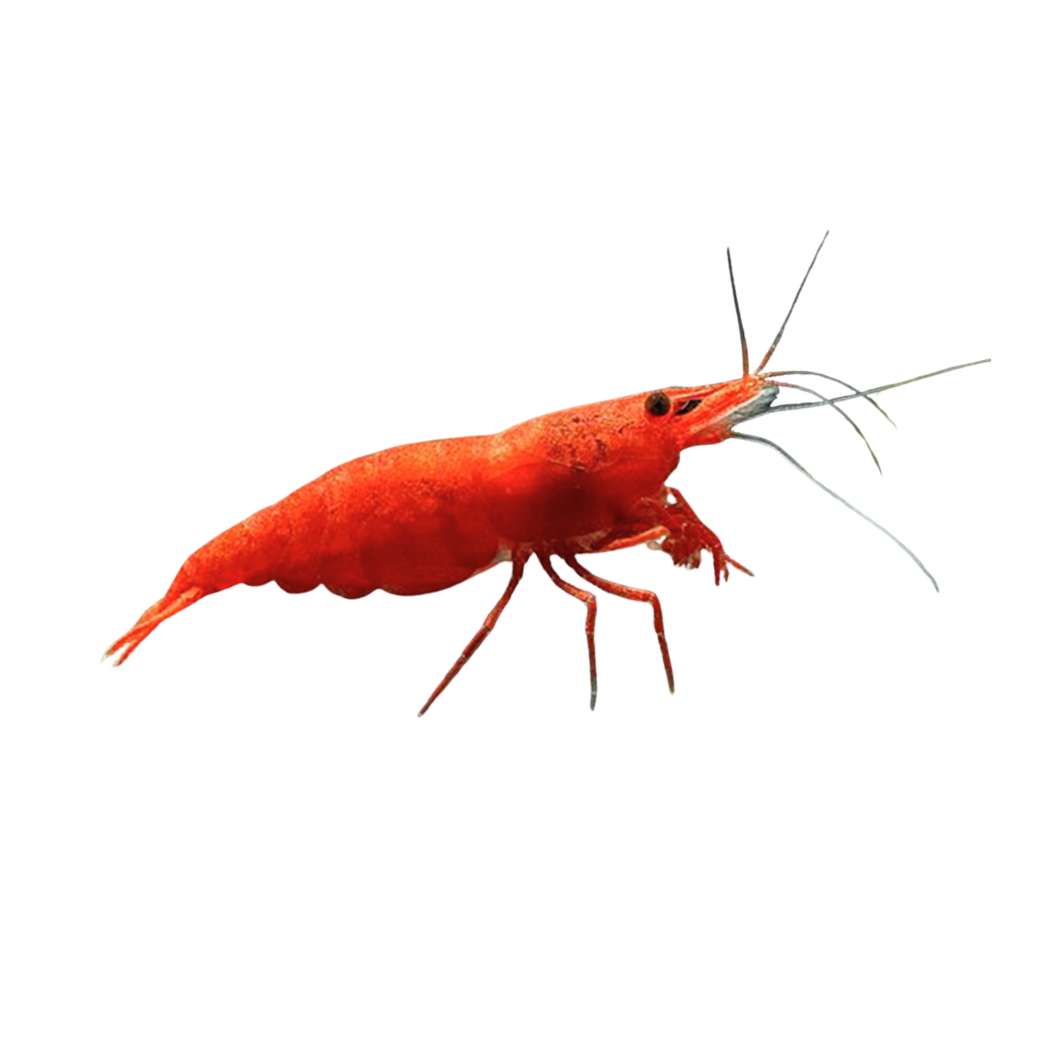
- Cherry Shrimp: Bright red and easy to care for.
- Amano Shrimp: Known for eating algae efficiently.
- Crystal Red Shrimp: White and red stripes, very delicate.
- Ghost Shrimp: Transparent body, peaceful nature.
Saltwater Shrimp Types
Saltwater shrimps live in oceans and reefs. They often have striking colors and patterns.
| Species | Color | Habitat |
| Cleaner Shrimp | Red and white | Coral reefs |
| Fire Shrimp | Bright red | Rocky crevices |
| Sexy Shrimp | Spotted pink | Coral branches |
| Boxer Shrimp | White with claws | Coral reefs |
Colorful And Rare Shrimp
Some shrimp species stand out for their colors and rarity. They are prized by collectors.
- Blue Bolt Shrimp: Electric blue with small size.
- Tiger Shrimp: Black stripes on orange body.
- Golden Bee Shrimp: Yellow and black patterns.
Popular Snail Varieties
Snails come in many shapes and sizes. They live in water and on land. Some snails are kept as pets or in aquariums.
This guide covers popular snail types. It groups them by where they live and their unique features.
Freshwater Snails
Freshwater snails live in ponds, rivers, and lakes. They help clean the water by eating algae. Many species are easy to care for in home tanks.
- Apple Snail – Large and colorful, popular in aquariums.
- Ramshorn Snail – Small with a round shell, good algae eaters.
- Nerite Snail – Known for strong shells and algae eating.
- Mystery Snail – Comes in many colors and grows fast.
Saltwater Snails
Saltwater snails live in oceans and seas. They often have bright colors and unique shell shapes. These snails can be part of reef tanks.
| Species | Description | Habitat |
| Trochus Snail | Helps clean algae, tough shell | Coral reefs |
| Turbo Snail | Large, strong shell, algae eater | Rocky shores |
| Conch Snail | Has a spiral shell, slow mover | Sandy bottoms |
| Auger Snail | Long, slender shell, carnivorous | Shallow waters |
Unusual Snail Species
Some snails look or act in strange ways. They may have odd shells or live in rare places. These species attract attention for their uniqueness.
Three Unusual Snails
- Vampire Snail:Named for its dark color and sharp teeth.
- Helmet Snail:Large, heavy shell shaped like a helmet.
- Elephant Snail:Has a trunk-like siphon for breathing.
Setting Up The Habitat
Shrimps and snails are popular choices for aquariums. They add color and help keep the tank clean. Setting up their habitat correctly ensures they thrive.
This guide will help you create a safe and comfortable home for shrimps and snails. Follow these steps to learn about tank needs, water conditions, and more.
Tank Requirements
The right tank size and setup are important for shrimps and snails. They need space to move around and hide.
- Choose a tank that is at least 10 gallons.
- Ensure a secure lid to prevent escapes.
- Provide hiding places with rocks or decorations.
Water Conditions
Proper water conditions keep shrimps and snails healthy. Monitor the water regularly to maintain balance.
- Keep the water temperature between 72°F and 78°F.
- Maintain a pH level of 6.5 to 8.0.
- Use a filter to keep the water clean.
Substrate And Plants
Substrate and plants provide a natural environment. They help shrimps and snails feel at home.
Choose a soft substrate to protect delicate shrimp and snail bodies. Plants offer cover and extra oxygen.
- Use sand or fine gravel as the substrate.
- Add live plants like java moss or anubias.
- Arrange plants to create hiding spots.
Feeding Tips
Feeding shrimps and snails properly helps keep them healthy and active. Both need specific diets to thrive in your aquarium.
Understanding what to feed and how often will improve their growth and lifespan. Let’s look at feeding tips for each.
Shrimp Diet Essentials
Shrimps need a mix of plant and animal-based foods. They eat algae, small bits of fish food, and detritus.
Provide high-quality shrimp pellets or flakes to add protein and vitamins. Fresh veggies like spinach or zucchini work well too.
- Algae wafers or spirulina tablets
- Blanched vegetables such as cucumber and zucchini
- Protein-rich pellets designed for shrimp
- Occasional treats like frozen bloodworms
Snail Nutritional Needs
Snails mainly eat algae, but they also need calcium to keep their shells strong. Vegetables and calcium supplements help.
Offer blanched lettuce, cucumber, and spinach. You can add cuttlebone or crushed eggshells for calcium.
- Algae and biofilm found in the tank
- Leafy greens like spinach and lettuce
- Calcium sources such as cuttlebone or eggshells
- Special snail food pellets for balanced nutrition
Feeding Frequency
Feed shrimps and snails small amounts once a day. Overfeeding can harm water quality and their health.
Remove leftover food after a few hours to avoid tank pollution. Adjust feeding if you see uneaten food daily.
- Feed once daily with small portions
- Remove uneaten food after 2-3 hours
- Watch your pets’ behavior and appetite
- Adjust amount if food remains in the tank
Health And Disease Prevention
Shrimps and snails are popular additions to aquariums. Keeping them healthy is important for their longevity. Understanding common illnesses and maintaining water quality helps prevent diseases.
Proper care ensures your aquatic pets thrive. Regular monitoring is essential to keep them in optimal condition.
Common Shrimp Illnesses
Shrimp are sensitive creatures. They can suffer from various illnesses. It’s important to recognize symptoms early.
Common illnesses include bacterial infections and parasitic diseases. Stress from poor water conditions often causes these issues.
- White spot disease: Caused by a parasite, visible as white spots.
- Bacterial infections: Symptoms include lethargy and discoloration.
- Fungal infections: Look for cotton-like growths on the body.
Snail Health Issues
Snails are hardy but not immune to health problems. Shell damage and poor diet can affect their well-being.
Keep an eye on shell condition and feeding habits. Proper care can prevent many issues.
- Shell erosion: Often due to acidic water or lack of calcium.
- Parasites: Can cause sluggish movement and unusual behavior.
- Malnutrition: Leads to weak shells and low energy levels.
Maintaining Water Quality
Water quality is crucial for shrimp and snail health. Regular testing and maintenance keep the environment stable.
Ensure the right pH, temperature, and ammonia levels. Clean water reduces stress and disease risk.
| Parameter | Ideal Range |
| pH Level | 6.5 – 8.0 |
| Temperature | 72°F – 82°F |
| Ammonia | 0 ppm |
Credit: www.horizonaquatics.co.uk
Breeding Techniques
Shrimps and snails are popular in home aquariums. Breeding them can be rewarding and fun. Knowing the right techniques helps you succeed.
This guide covers basic shrimp breeding, snail reproduction habits, and how to raise juveniles. Use these tips to care for your aquatic pets.
Shrimp Breeding Basics
Shrimps breed best in clean water with stable temperatures. They like hiding places like plants and rocks. Females carry eggs under their tails.
Keep the water temperature around 72-78°F (22-26°C). Feed them small amounts of food daily. Avoid sudden water changes to reduce stress.
- Maintain clean, filtered water
- Provide plenty of plants or moss
- Keep temperature steady between 72-78°F
- Feed small, frequent meals
- Use gentle water flow
Snail Reproduction Habits
Most snails reproduce by laying eggs in clusters. Some species can self-fertilize, while others need a mate. They prefer calm water and surfaces to attach eggs.
Eggs usually hatch in one to three weeks. Temperature and water quality affect how fast eggs develop. Keep the tank clean to avoid fungus on eggs.
- Snails lay eggs on glass, plants, or decorations
- Some species need a mate to reproduce
- Eggs hatch in 7-21 days
- Stable water conditions help egg development
- Remove fungus to protect eggs
Raising Juveniles
Young shrimps and snails need gentle care. Provide small hiding spots and soft food. Keep water clean to help them grow strong.
Feed juveniles with algae, biofilm, or specially made foods. Avoid large or aggressive tank mates that may harm them. Monitor their growth often.
- Use fine food suitable for small mouths
- Provide safe hiding places
- Keep water parameters stable
- Separate juveniles if needed
- Watch for signs of illness or stress
Compatibility With Other Pets
Shrimps and snails are popular aquarium pets. They can live with many other creatures. Choosing good tank mates helps keep them safe and happy.
Some fish and animals do well with shrimps and snails. Others may harm or stress them. It is important to pick peaceful and small species.
Tank Mates For Shrimp
Shrimps need calm and non-aggressive tank mates. Fast or big fish might eat them. Small fish that do not hunt work best.
- Small tetras
- Corydoras catfish
- Otocinclus catfish
- Snails and peaceful shrimp species
- Non-aggressive rasboras
Snail-friendly Species
Snails can live with many fish and invertebrates. Avoid species that nip or eat their shells. Peaceful fish help snails thrive.
- Guppies
- Neon tetras
- Cherry shrimp
- Otocinclus
- Small peaceful gouramis
Avoiding Aggression
Aggressive fish can harm shrimps and snails. Watch for chasing or nipping behavior. Keep shy and small pets safe with hiding spots.
- Do not mix with cichlids or large barbs
- Provide plants and caves for hiding
- Keep tank crowded enough to reduce bullying
- Feed fish well to reduce hunting

Credit: www.reddit.com
Unique Care Challenges
Shrimps and snails are popular choices for aquariums. They add variety and help keep tanks clean. Yet, they need special care to thrive.
Understanding their unique needs can prevent common problems. This guide focuses on challenges like molting, overpopulation, and equipment.
Handling Molting Shrimp
Shrimps shed their shells to grow. This process is called molting. It is a fragile time for them.
During molting, shrimps hide and avoid food. They need safe places to protect themselves from predators and stress.
- Keep water clean and stable in temperature
- Provide hiding spots like plants or caves
- Do not disturb shrimps while molting
- Offer calcium-rich food to support shell growth
Snail Overpopulation Control
Snails can multiply quickly in tanks. Too many snails cause problems like poor water quality and algae overgrowth.
Controlling snail numbers helps keep the aquarium balanced and healthy for all animals.
- Limit excess food to reduce snail eggs
- Remove snails by hand regularly
- Use snail traps if needed
- Introduce natural snail predators carefully
Special Equipment Needs
Shrimps and snails need specific equipment to stay healthy. Proper tools support their delicate nature.
Good filtration, stable heaters, and gentle water flow are important. Some setups require extra items for their care.
- Use sponge filters to protect small shrimps
- Choose heaters with accurate temperature control
- Install hiding places and plants for shelter
- Consider water testing kits to monitor quality
Benefits Of Keeping Shrimps And Snails
Shrimps and snails are popular choices for aquarium lovers. They bring many benefits to your tank.
These small creatures help keep your aquarium clean and add beauty. They are also great for learning.
Aquarium Cleaning Roles
Shrimps and snails eat leftover food and algae. This helps keep the tank water clear.
Snails clean the glass and remove waste. Shrimps pick up tiny particles from the sand.
- Shrimps eat algae and dead plant parts
- Snails remove algae from tank walls
- Both reduce harmful waste buildup
Enhancing Tank Aesthetics
Shrimps and snails add color and motion to your aquarium. They make the tank look lively.
Different species have unique shapes and colors. This variety creates a natural underwater scene.
- Bright shrimps add vibrant colors
- Snails offer interesting shell patterns
- Both create a dynamic and natural look
Educational Value
Keeping shrimps and snails teaches about nature and biology. Watching them helps understand ecosystems.
They show how small animals survive and clean their habitat. This can inspire kids and adults to learn more.
- Learn about animal behavior and diets
- Understand the role of cleaners in ecosystems
- Observe life cycles and reproduction
Frequently Asked Questions
What Are The Benefits Of Adding Shrimps And Snails?
Shrimps and snails add nutritional value and flavor variety. They provide protein, minerals, and unique textures to meals. Including them enhances diet diversity and supports sustainable food choices.
How To Prepare Shrimps And Snails Safely?
Clean shrimps and snails thoroughly under running water. Cook them at appropriate temperatures to kill bacteria. Avoid cross-contamination by using separate utensils and surfaces for raw and cooked items.
Can Shrimps And Snails Be Used In All Cuisines?
Yes, shrimps and snails fit well in many cuisines. They are versatile ingredients in Asian, Mediterranean, and French dishes. Their flavors complement various spices, sauces, and cooking styles.
Are Shrimps And Snails Sustainable Food Options?
Some shrimps and snails are sustainably sourced, but check labels. Wild-caught and farmed varieties differ in environmental impact. Choose certified products to support eco-friendly seafood consumption.
Conclusion
Shrimps and snails add great variety to any aquarium. They bring color and life to your tank. Both are easy to care for and fun to watch. They help keep the tank clean by eating leftover food and algae. Choosing the right types can make your tank healthier.
Enjoy the beauty and activity these small creatures bring. Try adding shrimps and snails for a lively underwater world. Your tank will thank you with a vibrant, natural feel.