
If you’re thinking about breeding betta fish, knowing how often to do it is key to keeping your fish healthy and happy. Breeding too often can stress your bettas, while waiting too long might slow down their growth and vitality.
This Betta Breeding Frequency Guide will help you find the perfect balance. By understanding the right timing and signs to look for, you’ll ensure your fish thrive and produce strong, vibrant fry. Keep reading to discover how to breed your bettas safely and effectively without risking their well-being.
Ideal Breeding Intervals
Betta fish need proper time between breedings to stay healthy. Knowing the right interval helps avoid stress and illness.
This guide covers how long a breeding cycle takes, signs your betta is ready, and why rest is important.
Breeding Cycle Duration
A full breeding cycle usually lasts about two to three weeks. This includes courtship, egg laying, and raising fry.
- Pre-spawning courtship lasts 2 to 3 days.
- Egg laying happens within 24 hours after courtship.
- Male cares for eggs and fry for 7 to 10 days.
- Fry become free-swimming in about 5 days after hatching.
Signs Of Readiness
Your betta shows several signs when ready to breed. Watch for these clues to time breeding well.
- The male builds a bubble nest on the water surface.
- The female displays vertical stripes on her body.
- Both fish become more active and show interest in each other.
- The female’s belly looks round and full of eggs.
Rest Period Importance
Rest periods between breedings allow bettas to recover energy. This keeps them strong and healthy.
| Rest Period Length | Benefits |
| 2 to 3 weeks | Allows full recovery of energy and health |
| 1 week or less | Risk of stress and weakened immune system |
| More than 3 weeks | Good for long-term health but delays breeding plans |
Setting Up The Breeding Tank
Setting up a proper breeding tank is key for betta fish to breed successfully. The tank must provide a safe and comfortable space.
This guide covers tank size, water conditions, and decor to help you prepare the breeding environment.
Tank Size And Conditions
Use a small tank around 5 to 10 gallons for breeding. It keeps the water easy to manage and the fish stress-free.
- Provide a tight-fitting lid to keep the bettas inside.
- Maintain calm water with no strong currents.
- Use a heater to keep the temperature stable between 78°F and 80°F (25°C to 27°C).
- Keep the tank clean to avoid infections.
Water Parameters
Water quality is very important for betta breeding. The right pH and temperature help eggs hatch well.
| Parameter | Ideal Range |
| Temperature | 78°F – 80°F (25°C – 27°C) |
| pH Level | 6.5 – 7.5 |
| Hardness | Soft to moderate (3-5 dGH) |
| Ammonia & Nitrite | 0 ppm |
| Nitrate | Less than 20 ppm |
Decor And Plants
Decor creates hiding places and supports bubble nest building. Plants help reduce stress and provide cover.
- Use soft, broad-leaf plants like Anubias or Java Fern.
- Add floating plants to provide shade and break water surface tension.
- Place smooth decorations to avoid tearing fins.
- Include a flat surface or leaf near the surface for the male to build his bubble nest.
Selecting Healthy Breeders
Choosing healthy bettas is key for successful breeding. Strong breeders pass good traits to their offspring.
Focus on selecting males and females that show good health and vitality. This guide helps you pick the best fish.
Choosing Males And Females
Select males with bright colors and large fins. Females should have a rounded belly and clear stripes.
- Check for no signs of disease or injury
- Choose males with strong, erect fins
- Pick females that show readiness to breed
- Avoid fish that look lethargic or dull
Age And Size Considerations
Bettas breed best between 4 and 12 months old. Younger or older fish may have lower fertility.
| Age | Recommended Size | Breeding Suitability |
| 4-6 months | 2-2.5 inches | Ideal |
| 7-12 months | 2.5-3 inches | Good |
| Over 12 months | Varies | Lower fertility |
Behavioral Traits
Healthy breeders show active and alert behavior. Watch their reactions to other fish and their environment.
- Males should display bubble nesting behavior
- Females often flare their fins but stay calm
- Avoid fish that hide or remain still for long periods
- Choose fish that respond quickly to feeding

Credit: justbetta.com
Breeding Process Steps
Breeding betta fish requires careful attention to their behavior and environment. Understanding each step helps ensure a healthy process.
This guide covers the main stages of breeding, from pairing to spawning. Follow each step closely for the best results.
Introducing The Pair
Start by selecting a healthy male and female betta. They should be mature and show bright colors. Keep them in separate tanks first.
Before introducing them, let both fish get used to each other’s presence through a clear divider. Watch their reactions carefully.
Bubble Nest Building
The male betta builds a bubble nest on the water surface. This is a key sign that he is ready to breed. You may see him blowing bubbles that stick together.
- Provide calm water with no strong currents
- Keep the water warm, around 78–80°F (25–27°C)
- Offer floating plants or a small cup for bubble support
- Limit disturbances near the tank
Spawning Behavior
When the female is ready, the male leads her under the bubble nest. Spawning starts with the male wrapping around the female to release eggs.
| Action | Description |
| Embrace | Male wraps around female to help release eggs |
| Egg Release | Female drops eggs, which male collects |
| Egg Placement | Male places eggs carefully into the bubble nest |
| Guarding | Male protects the nest and eggs until they hatch |
Post-spawning Care
After your betta fish spawns, proper care is crucial for the eggs and fry. This care helps ensure healthy growth and survival.
Keep the tank conditions stable and avoid disturbing the fish to reduce stress and improve outcomes.
Egg And Fry Management
Remove the adult male after spawning to prevent him from eating the eggs. The eggs usually hatch within 24 to 36 hours.
Watch for fungus on the eggs. Remove any white or fuzzy eggs carefully to protect the healthy ones.
- Keep the water temperature at 78–80°F (25–27°C)
- Maintain gentle water flow to avoid disturbing eggs
- Use a sponge filter to prevent fry suction
Feeding The Fry
Start feeding the fry with infusoria or liquid fry food right after they absorb their yolk sacs. Feed small amounts multiple times daily.
After a few days, introduce baby brine shrimp or finely crushed flakes. Change food as fry grow bigger.
- Feed 3 to 4 times a day in small portions
- Remove uneaten food to keep water clean
- Increase food size as fry grow
Tank Maintenance
Keep the tank clean by changing 20-30% of the water daily. Use dechlorinated water at the same temperature as the tank.
Check water parameters often. Avoid strong currents or filters that can harm the fry.
- Use sponge filters to protect fry
- Test pH, ammonia, and nitrite daily
- Keep water temperature steady
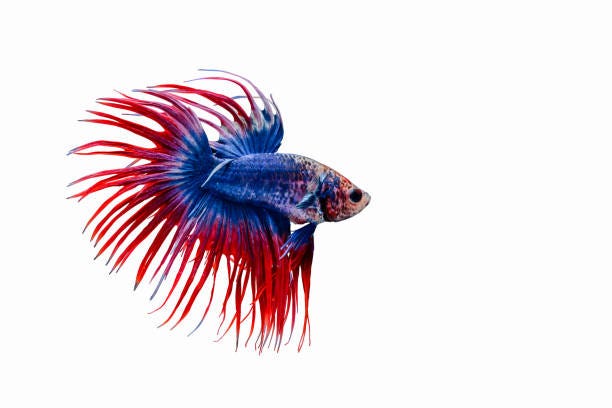
Credit: medium.com
Common Challenges
Breeding Betta fish comes with a set of challenges. Understanding these can help improve the success rate.
Learn about common issues breeders face, like aggression, fertilization problems, and health concerns.
Aggression Issues
Bettas are known for their aggression, especially during breeding. Males may attack females or other males.
- Provide ample hiding spots for the female.
- Monitor their behavior closely.
- Separate them if aggression escalates.
Low Fertilization Rates
Fertilization rates can be low due to various factors. Understanding these can help increase success.
| Factor | Solution |
| Poor water quality | Regular water changes |
| Improper diet | Feed high-quality food |
| Inexperienced pair | Choose mature fish |
Health Problems
Health issues can arise during breeding. These affect both adults and fry.
Maximizing Breeding Success
Breeding bettas can be a rewarding experience. It requires patience and attention to detail. This guide will help you increase your chances of success.
Focus on the right diet, environment, and monitoring practices. These elements are key for successful breeding.
Diet And Nutrition Tips
Bettas need a balanced diet for breeding. Provide high-quality protein-rich foods. This ensures strong and healthy fry.
Include live foods like brine shrimp and bloodworms. These boost energy and promote spawning.
- Feed twice daily, but avoid overfeeding
- Use a variety of foods for balanced nutrition
- Ensure food is fresh and not expired
Environmental Enhancements
A comfortable environment is essential for breeding. Maintain clean water and proper temperature. This helps reduce stress.
Consider adding plants or hiding spots. These create a natural and secure setting for the fish.
- Keep water temperature between 78°F and 80°F
- Use a gentle filter to keep water clean
- Add floating plants for bubble nests
Monitoring And Record-keeping
Monitoring your bettas closely is important. Observe their behavior and health daily. This helps spot issues early.
Keep records of breeding attempts and results. This information guides future breeding efforts.
- Note dates of spawning and fry hatching
- Record changes in diet and environment
- Track health issues and treatments

Credit: justbetta.com
Frequently Asked Questions
How Often Should I Breed My Betta Fish?
Betta fish can be bred every 4 to 6 weeks. This allows females to recover and males to regain energy. Avoid breeding too frequently to ensure fish health and better fry survival rates. Proper rest improves breeding success and reduces stress.
What Is The Ideal Breeding Frequency For Betta Fish?
Breeding Betta fish every 4 to 6 weeks is ideal. This schedule balances health and reproductive readiness. Frequent breeding risks weakening the female and lowering fry quality. Consistent intervals promote healthy offspring and reduce stress on both fish.
Can Frequent Breeding Harm Betta Fish Health?
Yes, frequent breeding can harm Betta health. It stresses female fish, weakens their immune system, and reduces lifespan. Allow at least a month between breedings for recovery. Proper care ensures healthy fish and better breeding outcomes.
When Is The Best Time To Breed Betta Fish?
The best time to breed Betta fish is when both are healthy and mature. Males develop vibrant colors, and females have a rounded belly. Usually, Betta fish are ready to breed at 4-6 months old. Health and maturity ensure successful breeding.
Conclusion
Betta breeding requires careful timing and attention to the fish’s health. Breeding too often can stress your bettas and reduce their lifespan. Giving them enough rest between breeding cycles helps keep them strong. Always watch for signs of tiredness or illness.
Keeping a good schedule supports better results and happier fish. Patience and care make breeding a rewarding experience. Follow this guide to ensure a safe and healthy process. Your bettas will thank you with vibrant, healthy offspring.