
If you want to successfully breed guppies, setting up the right tank is the first step you can’t skip. Your guppies need a safe, comfortable space to thrive and multiply.
But how do you create the perfect environment for your fish to grow healthy babies? This guide will walk you through everything you need to know about guppy breeding tank setup. By the end, you’ll feel confident that your tank is ready to support your guppies at every stage.
Keep reading to discover simple tips that make a big difference in your breeding success.

Credit: www.youtube.com
Choosing The Right Tank
Setting up a guppy breeding tank requires careful choice of the tank itself. The right tank helps keep guppies safe and healthy.
Consider size, material, shape, and location before setting up the tank. These factors affect breeding success.
Tank Size Recommendations
Choose a tank size that gives enough space for adult guppies and their fry. A cramped tank stresses the fish.
- Start with at least 10 gallons for a small breeding group.
- Increase size to 20 gallons for more fish or better water quality.
- Use bigger tanks if you want to keep multiple breeding pairs.
Material And Shape Options
Most guppy tanks are made of glass or acrylic. Both have pros and cons to consider.
| Material | Advantages | Disadvantages |
| Glass | Scratch-resistant, clear view | Heavier, can break |
| Acrylic | Lighter, impact-resistant | Scratches easily, may yellow |
Tank shape affects water circulation and space. Rectangular tanks are common and provide good surface area.
Location And Placement Tips
Place the tank in a quiet area away from direct sunlight. This reduces algae and temperature swings.
- Keep the tank on a sturdy, level surface.
- Avoid spots near heaters or air conditioners.
- Ensure easy access for feeding and cleaning.
Essential Equipment
Setting up a guppy breeding tank needs the right tools. Good equipment helps keep the fish healthy.
This guide covers the must-have gear for your guppy tank. Each part plays a key role in breeding success.
Filtration Systems
A clean tank is vital for guppy health. Filtration systems remove waste and keep water clear.
Choose a filter that fits your tank size. Gentle flow is best to protect delicate fry.
- Use sponge filters to avoid harming fry
- Regularly clean filters to keep them effective
- Check filter flow to prevent strong currents
Heaters And Thermometers
Guppies need stable water temperature for breeding. Heaters keep the tank warm during cooler times.
Thermometers help you watch the water temperature closely. Keep the tank between 74°F and 82°F.
- Select an adjustable heater for precise control
- Place the thermometer where you can easily see it
- Check temperature daily to avoid sudden changes
Lighting Needs
Lighting helps guppies stay active and healthy. It also supports plant growth in the tank.
Use moderate lighting for about 8 to 10 hours a day. Too much light can stress the fish.
- Choose LED lights for energy efficiency
- Use a timer to keep a consistent light cycle
- Avoid placing the tank in direct sunlight
Water Conditions
Setting the right water conditions is key for guppy breeding tanks. Healthy water helps fry grow strong and keeps adult guppies active.
Small changes in water can stress fish and reduce breeding success. Keep water stable and clean for best results.
Ideal Temperature Range
Guppies breed well in warm water. Keep the tank temperature between 74°F and 82°F (23°C to 28°C). This range supports good metabolism and breeding behavior.
Ph And Hardness Levels
The water’s pH and hardness affect guppy health. Guppies prefer slightly alkaline water with moderate hardness.
| Water Parameter | Ideal Range |
|---|---|
| pH | 7.0 to 8.0 |
| General Hardness (GH) | 8 to 12 dGH |
| Carbonate Hardness (KH) | 5 to 12 dKH |
Water Change Schedule
- Change 25% to 30% of the tank water every week.
- Use dechlorinated water matching tank temperature.
- Remove leftover food and debris before changing water.
- Check water parameters regularly after changes.
- Avoid sudden large water changes to reduce stress.
Tank Decorations And Plants
Setting up a guppy breeding tank needs careful decoration. Decorations create a natural space for guppies to live and breed.
Plants and hiding spots help fry survive by giving them shelter. The right setup makes breeding easier and safer.
Safe Plants For Fry
Choose plants that are soft and safe for young guppy fry. Avoid sharp or toxic plants that might hurt them.
Plants also help keep the water clean and provide oxygen. They create a calm environment for the fish.
- Java Moss: Great for hiding and easy to grow.
- Hornwort: Fast-growing and safe for fry.
- Anacharis: Helps oxygenate water and offers cover.
- Marimo Moss Balls: Soft and safe for small fish.
- Amazon Sword: Large leaves provide good shelter.
Hiding Spots And Shelter
Guppy fry need places to hide from adult fish. Decorations like caves or small plants help protect them.
Use gentle decorations without sharp edges. Safe hiding spots reduce stress and increase survival rates.
- Small clay pots or ceramic caves
- Leaf litter or floating plants
- Dense plant clusters for cover
- Plastic or silk plants if real ones are unavailable
Substrate Choices
Choose a substrate that is easy to clean and safe for fry. Avoid sharp or rough materials that can injure them.
Substrate also affects plant growth and water quality. Pick a substrate that supports both plants and fish health.
- Fine sand: Soft and safe for small fry
- Gravel (small, smooth): Good for plant roots
- Aquarium soil: Helps plants grow well
- No substrate: Possible if plenty of plants are used
Preparing For Breeding
Setting up a guppy breeding tank starts with careful preparation. Proper steps help ensure healthy fry and reduce stress on the fish.
This guide covers selecting healthy guppies, conditioning breeders, and correctly identifying males and females.
Selecting Healthy Guppies
Choose guppies that show good health to increase breeding success. Look for active fish with bright colors and clear eyes.
- Pick fish with smooth scales and no signs of disease.
- Avoid guppies that swim erratically or hide often.
- Select guppies that have been free of illness for at least two weeks.
- Choose well-sized fish, as very small or very large guppies may not breed well.
Conditioning Breeders
Conditioning improves the health of guppies before breeding. Feed them high-quality food to boost fertility and strength.
| Food Type | Benefits | Feeding Frequency |
| Flake Food | Basic nutrition | Twice daily |
| Live Food (brine shrimp) | High protein, stimulates breeding | Once daily |
| Vegetable Matter (blanched spinach) | Vitamins and fiber | Every other day |
Sexing Guppies Correctly
Knowing the sex of your guppies is crucial for a proper breeding setup. Males and females have distinct features.
Males:Smaller size, colorful fins, and a pointed anal fin called the gonopodium.
Females:Larger body, rounder belly, and a fan-shaped anal fin without gonopodium.
Managing The Breeding Process
Guppy breeding is a delicate process that requires careful planning and attention to detail. By understanding the needs of both males and females, you can create a healthy and thriving breeding environment.
Introducing Males And Females
When introducing males and females to each other, it’s essential to create a neutral environment to prevent territorial behavior. A separate tank with plenty of hiding places and plants can help reduce stress and aggression.
- Keep males and females separated until you’re sure they’re compatible.
- Introduce them gradually, starting with visual contact and then gradual tank sharing.
- Monitor their behavior and adjust the environment as needed to prevent stress and aggression.
Signs Of Pregnancy
Pregnant females will exhibit distinct signs, including a rounded belly and a change in behavior. They may become more docile and less active, and may also start to build a nest.
- Pregnant females will have a rounded belly and may appear more docile.
- They may start to build a nest using plants or other materials.
- Monitor their behavior and adjust the environment to ensure they have a safe and comfortable space to give birth.
Separating Pregnant Females
Once a female is pregnant, it’s essential to separate her from the male and other females to prevent stress and aggression. Provide a quiet and secure environment with plenty of food and hiding places.
| Environmental Considerations | Recommended Actions |
| Provide plenty of hiding places and plants. | Use live plants and decorations to create a natural environment. |
| Ensure a quiet and secure space. | Move the pregnant female to a separate tank with a secure lid. |
| Monitor their behavior and adjust the environment as needed. | Regularly check the female’s behavior and adjust the environment to ensure she’s comfortable and safe. |
By following these guidelines and creating a healthy and thriving breeding environment, you can increase the chances of successful breeding and healthy guppy offspring.
Caring For Fry
Caring for newborn guppy fry requires attention to their specific needs. This includes providing the right environment, food, and protection from predators.
Feeding Newborn Fry
Newborn guppy fry need to be fed small amounts of food frequently. They require a diet rich in protein and vitamins to promote growth and development.
- Feed fry 2-3 times a day, only as much as they can consume within a minute
- Use a high-quality fry food or crushed flake food
- Gradually introduce live foods like brine shrimp or daphnia
Maintaining Water Quality
Water quality is crucial for the health and survival of guppy fry. Regular water changes and proper filtration help maintain a stable environment.
Change 25-50% of the water every 2-3 days, or as needed, to maintain optimal water parameters.
Preventing Fry Predation
Protecting guppy fry from predators is essential. This includes separating them from adult fish and providing a safe environment.
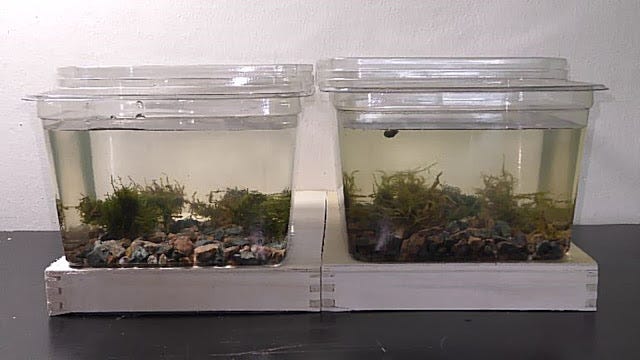
Use a separate breeding tank with a secure lid to prevent fry from escaping or being eaten by adult fish.
Credit: michael-langerman.medium.com
Common Challenges
Setting up a guppy breeding tank is rewarding but can be tricky. Many beginners face problems that affect fish health and survival.
Understanding these challenges helps you create a better environment for guppies to thrive and multiply.
Dealing With Diseases
Diseases can spread quickly in breeding tanks. Common issues include fungal infections and parasites. Early detection is key to saving your guppies.
- Keep water clean by changing it regularly.
- Quarantine new fish before adding them to the tank.
- Use medicated treatments as recommended for guppies.
- Maintain proper water temperature and pH levels.
Handling Aggression
Male guppies sometimes fight, which can harm the fish and fry. Aggression usually rises when space or hiding spots are limited.
| Cause | Effect | Solution |
| Overcrowding | Increased fights | Reduce number of males |
| No hiding spots | Stress and injury | Add plants and decorations |
| Too many males | Dominance struggles | Keep one male per tank or more females |
Troubleshooting Poor Fry Survival
Low fry survival happens due to poor water quality, lack of food, or fry being eaten by adults. Careful attention can improve survival rates.
- Use a separate breeding tank or breeder box.
- Feed fry with finely crushed flakes or specialized fry food.
- Keep water clean and test parameters often.
- Remove adult fish to prevent eating fry.

Credit: www.amazon.in
Frequently Asked Questions
What Size Tank Is Best For Guppy Breeding?
A 10 to 20-gallon tank is ideal for guppy breeding. It provides enough space for adults and fry. Proper filtration and hiding spots are essential to ensure a healthy breeding environment.
How To Set Up Water Conditions For Guppy Breeding?
Maintain water temperature between 75-82°F and pH of 7. 0-8. 0. Use a gentle filter to keep water clean. Regular water changes help maintain optimal conditions for guppy breeding success.
What Plants Are Best For A Guppy Breeding Tank?
Live plants like java moss, hornwort, and duckweed offer excellent cover. They provide hiding spots for fry and improve water quality. Plants also reduce stress, promoting successful breeding.
How To Separate Guppy Fry From Adults?
Use breeding traps or separate tanks to protect fry. Adults may eat the young. Providing dense plants or breeding boxes ensures fry safety and increases survival rates.
Conclusion
Setting up a guppy breeding tank takes care and patience. Keep water clean and stable for healthy fish. Provide plants and hiding spots for fry safety. Maintain the right temperature and feeding routine daily. Watch your guppies closely to spot any problems early.
Small steps lead to successful breeding over time. Enjoy the process and learn with each batch. Your guppy tank can become a lively, thriving habitat. Simple care makes a big difference in breeding success.