
If you’ve ever wanted to add vibrant colors and lively action to your aquarium, breeding Mbuna cichlids is a rewarding challenge you don’t want to miss. These striking fish are known for their bright hues and fascinating behaviors, but getting them to breed successfully takes the right know-how.
In this guide, you’ll discover simple, clear steps to create the perfect environment and care routine that encourages your Mbuna cichlids to thrive and multiply. Ready to see your aquarium come alive with new life? Keep reading to unlock the secrets to breeding these beautiful fish with confidence.

Credit: www.youtube.com
Mbuna Cichlids Basics
Mbuna cichlids are colorful fish popular for home aquariums. They come from Africa and have unique behaviors.
Understanding their basics helps you care for them and breed them successfully.
Species And Origins
Mbuna cichlids are a group of rock-dwelling fish from Lake Malawi. They belong to the cichlid family and include many species.
- Most species live among rocky shores
- They are native to East Africa
- Many species show bright colors and patterns
Physical Traits
Mbuna cichlids have strong bodies and sharp fins. Their colors vary by species and sex. Males are usually brighter than females.
| Trait | Description |
|---|---|
| Size | 3 to 6 inches on average |
| Color | Bright blues, reds, yellows, and blacks |
| Body Shape | Compact and laterally compressed |
| Fins | Spiny dorsal fins and rounded tails |
Natural Habitat
Mbuna cichlids live in rocky areas with clear water. The rocks provide hiding spots and breeding sites.
Key habitat features include:
- Water temperature between 75°F and 82°F (24°C – 28°C)
- High oxygen levels
- Hard, alkaline water with pH 7.8 to 8.6
- Plenty of crevices and caves
Setting Up The Aquarium
Breeding Mbuna cichlids starts with a good aquarium setup. You must create a safe and healthy space. This helps fish feel comfortable and breed well.
Focus on the tank size, water conditions, and decorations. These parts affect the fish’s health and behavior.
Tank Size And Shape
Use a tank that is at least 30 gallons for a small group of Mbuna cichlids. Bigger tanks give more space to swim and hide. A rectangular tank works best.
Wide tanks allow more swimming room. Avoid very tall tanks because Mbuna like to swim horizontally near rocks.
- Minimum tank size: 30 gallons
- Preferred shape: rectangular
- Provide lots of horizontal swimming space
Water Conditions
Mbuna cichlids need hard, alkaline water for breeding. Keep the pH between 7.8 and 8.6. Water temperature should be 76 to 82°F (24 to 28°C).
Regular water changes keep the tank clean. Use a good filter to keep water clear and oxygen-rich.
- pH level: 7.8 to 8.6
- Temperature: 76 to 82°F (24 to 28°C)
- Use strong filtration and clean water
- Change 20-30% water weekly
Substrate And Decorations
Use sand or fine gravel as substrate. Mbuna cichlids like to dig and sift through the substrate. Smooth sand prevents injuries.
Add many rocks and caves. These provide hiding spots and breeding sites. Arrange rocks to create small caves and crevices.
- Substrate: fine sand or smooth gravel
- Use rocks to build caves and hiding places
- Arrange decorations to create territories
- Avoid sharp edges to prevent fish injury
Choosing Breeding Stock
Choosing the right Mbuna cichlids to breed is important. Healthy and mature fish increase your chances of success. Knowing how to pick males and females helps create a good breeding pair.
This guide covers how to select healthy fish, identify males and females, and check their age and maturity.
Selecting Healthy Fish
Healthy fish show bright colors and clear eyes. They swim actively and eat well. Avoid fish with torn fins or spots on their body.
- Look for vibrant color patterns
- Check for smooth, intact fins
- Observe their swimming behavior
- Avoid fish with visible injuries or diseases
- Choose fish that eat readily
Identifying Males And Females
Male Mbuna cichlids are usually larger and more colorful. Females have duller colors and a rounder body shape. Males often have longer fins and brighter markings.
| Trait | Male | Female |
| Color | Bright and vibrant | Dull and muted |
| Size | Larger | Smaller |
| Body Shape | Slender | Rounder |
| Fins | Longer and pointed | Shorter and rounded |
Age And Maturity
Mbuna cichlids reach breeding age at about 6 to 8 months. Fish too young may not breed well. Older fish that look healthy are good candidates.
- Check the fish’s age or size if known
- Choose fish at least 6 months old
- Avoid very old fish that seem weak
- Look for signs of sexual maturity, like developed fins and colors

Credit: aquainfo.nl
Breeding Environment
Mbuna cichlids need a special setup to breed well. The breeding environment should mimic their natural habitat. Proper care helps them feel safe and ready to reproduce.
Setting up the right space with correct water and lighting is key. Each factor plays a role in their breeding success.
Creating Territories
Mbuna cichlids are territorial fish. They need space to claim and defend during breeding. Use rocks and caves to build separate areas.
- Arrange flat rocks to form hiding spots
- Create caves using stacked stones
- Leave open swimming space between territories
- Ensure strong water flow near territories
Water Parameters For Breeding
| Parameter | Recommended Range |
| pH Level | 7.8 to 8.6 |
| Temperature | 75°F to 82°F (24°C to 28°C) |
| Hardness (GH) | 10 to 20 dGH |
| Ammonia & Nitrite | 0 ppm |
| Nitrate | Below 20 ppm |
Stable water conditions help reduce stress. Keep the water clean and test often. Avoid sudden changes to keep fish healthy.
Lighting And Temperature
Lighting affects fish behavior and breeding cycles. Use moderate lighting for 10 to 12 hours daily. Avoid very bright or dim light.
- Keep a consistent light schedule
- Use LED lights with adjustable brightness
- Maintain water temperature between 75°F and 82°F
- Use a heater to avoid temperature drops
Breeding Behavior
Mbuna cichlids are known for their fascinating breeding behaviors. Understanding these behaviors helps in successful breeding.
These fish display unique rituals and traits during the breeding process, making them interesting to observe.
Courtship Rituals
Courtship in Mbuna cichlids involves vibrant displays and dances. Males often show off their bright colors to attract females.
- Males clear a territory to prepare a breeding area.
- They perform dances to entice females.
- Females choose mates based on the display quality.
Mouthbrooding Traits
Mbuna cichlids are mouthbrooders. This means females carry eggs and fry in their mouths for protection.
| Stage | Description |
| Egg Carrying | Females hold eggs in their mouths. |
| Incubation | Eggs develop safely in the mouth. |
| Release | Fry are released when ready. |
Spawning Process
Spawning occurs after successful courtship. The female lays eggs, which the male fertilizes.
After fertilization, the female collects the eggs in her mouth for incubation.
Caring For Fry
Breeding Mbuna Cichlids is a rewarding process. Caring for their fry is crucial for their growth.
The fry need special attention to ensure they develop healthily. Let’s explore how to care for them effectively.
Hatching And Early Care
After the eggs hatch, the fry are very delicate. They need a safe environment to thrive.
- Keep the water clean and at a stable temperature.
- Provide plenty of hiding spots to reduce stress.
- Monitor the fry daily for any signs of distress.
Feeding Juveniles
Proper feeding is essential for the growth of Mbuna Cichlid fry. They require a balanced diet to stay healthy.
| Food Type | Frequency |
| Crushed Flakes | Twice a day |
| Baby Brine Shrimp | Once a day |
| Vegetable Matter | Every other day |
Tank Maintenance
Maintaining the tank is key to keeping fry healthy. A clean tank helps prevent diseases.
Common Challenges
Breeding Mbuna cichlids can be tricky for many hobbyists. These fish have special needs and behaviors that make breeding a challenge.
Understanding common problems helps you prepare better and care for your fish properly.
Aggression Control
Mbuna cichlids are known for their strong territorial behavior. Aggression can hurt the fish and stop breeding.
Too much fighting stresses the fish and may cause injury or death. It can also prevent females from spawning.
- Keep plenty of hiding spots and rocks in the tank
- Use a larger tank to reduce fights
- Limit the number of males to avoid competition
- Watch fish behavior and separate aggressive ones
Disease Prevention
Mbuna cichlids can catch diseases easily in crowded tanks. Poor water quality makes this worse.
Diseases can kill eggs, fry, or adult fish. Keeping fish healthy is key to successful breeding.
- Do regular water changes and keep the tank clean
- Use a quality filter to maintain water quality
- Quarantine new fish before adding them to the tank
- Watch for signs like spots, swelling, or strange behavior
Breeding Failures
Sometimes Mbuna cichlids do not breed even in good conditions. Stress and poor tank setup are common reasons.
Eggs may be eaten, or fry may not survive if conditions are not right.
- Provide stable water temperature and proper pH levels
- Feed high-quality food to encourage spawning
- Use separate breeding tanks to protect eggs and fry
- Remove aggressive fish that harm eggs or young
Tips For Long-term Success
Breeding Mbuna cichlids can be rewarding with the right care. Success needs planning and patience.
This guide shares tips on selective breeding, record keeping, and tank setup for lasting results.
Selective Breeding
Choose healthy fish with strong colors and good behavior for breeding. Avoid breeding close relatives to reduce health issues.
- Select pairs that show desired traits like size and color.
- Remove weak or sick fish from the breeding group.
- Keep breeding groups small to control genetics.
- Change pairs if offspring show poor traits.
Record Keeping
Keep detailed notes on each breeding pair and their offspring. Track dates, traits, and health to improve future breeding.
| Record Item | Details to Track |
| Pair ID | Unique number or name for each pair |
| Breeding Date | Date eggs were laid or fry hatched |
| Offspring Traits | Color, size, behavior notes |
| Health Issues | Any diseases or deformities observed |
| Outcome | Survival rate and growth success |
Community Tank Considerations
Mbuna cichlids can be aggressive. Plan tank mates and space carefully to reduce stress.
- Use rocks and caves to give hiding places.
- Keep similar-sized fish together to avoid bullying.
- Limit the number of males to prevent fights.
- Feed a balanced diet to keep fish healthy and calm.
- Watch fish behavior daily and separate if needed.
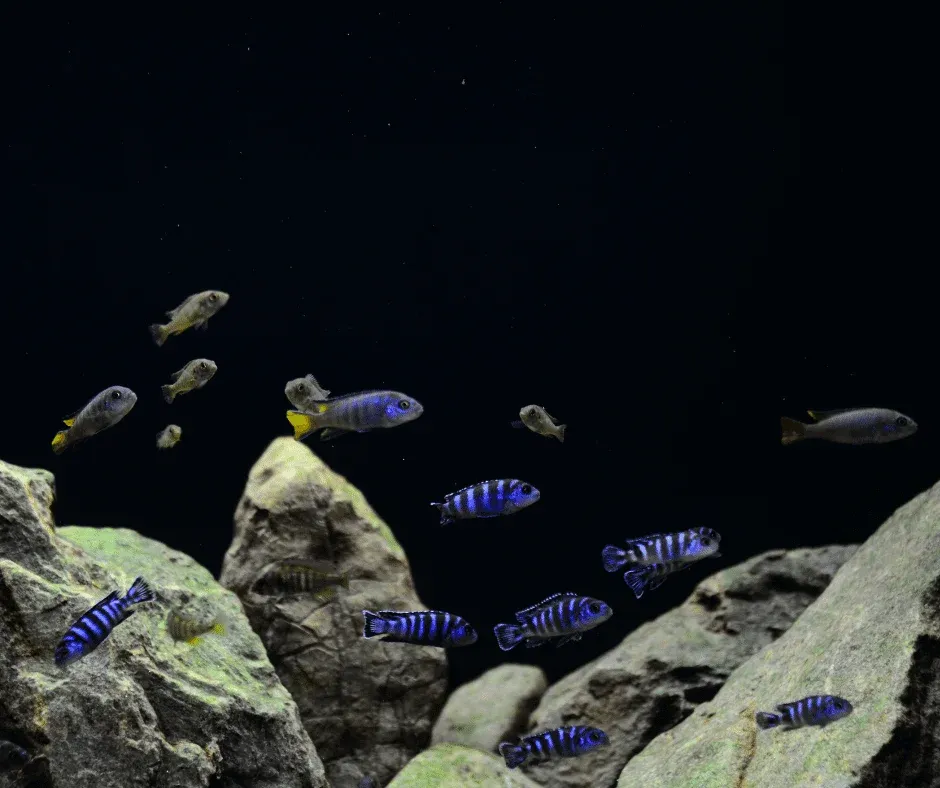
Credit: aquadecorbackgrounds.com
Frequently Asked Questions
How Do I Prepare A Tank For Breeding Mbuna Cichlids?
Prepare a 30-gallon tank with plenty of rocks and caves. Maintain water temperature between 76-82°F. Use a good filter and keep the water clean for successful breeding.
What Is The Ideal Diet For Breeding Mbuna Cichlids?
Feed Mbuna Cichlids a varied diet of high-quality flakes, pellets, and vegetable matter. Include spirulina and blanched vegetables to boost health and breeding readiness.
How Can I Identify A Breeding-ready Mbuna Male?
A breeding-ready male shows bright colors and territorial behavior. He often builds nests and displays to attract females. These signs indicate readiness to breed.
How Do Female Mbuna Cichlids Care For Their Eggs?
Female Mbunas are mouthbrooders; they carry eggs and fry in their mouths. They protect and aerate eggs until fry are free-swimming, usually for 2-3 weeks.
Conclusion
Breeding Mbuna cichlids can be a fun and rewarding hobby. Keep their tank clean and maintain stable water conditions. Provide plenty of hiding spots and rocks for comfort. Feed them a balanced diet to support health and breeding. Watch their behavior to know when they are ready to mate.
Patience and care make the process smoother. Enjoy seeing your fish grow and thrive. This simple guide helps you start breeding Mbuna cichlids with confidence. Give it a try and learn as you go.