
If you want your discus fish to thrive and show their vibrant colors, feeding them the right live food is key. You might be wondering which live foods work best or how often to feed them for optimal health.
This guide will help you understand everything about discus live food feeding, so you can give your fish the nutrition they truly need. Keep reading, and discover simple tips that will make your discus happier and healthier than ever before.
Benefits Of Live Food
Live food is an important part of feeding discus fish. It provides natural nutrients that help fish grow strong and healthy.
Feeding live food also helps improve fish color and immune system. This article explains the main benefits of live food for discus fish.
Nutritional Advantages
Live food is rich in proteins, fats, and vitamins. These nutrients are easy for discus fish to digest and use for energy.
- High protein content supports muscle growth
- Essential fatty acids improve overall health
- Vitamins and minerals boost development
- Natural enzymes aid digestion
Enhancing Fish Coloration
Live food contains pigments that help discus fish show brighter colors. These pigments come from natural sources like algae and small crustaceans.
| Food Type | Color Benefits |
| Brine Shrimp | Enhances red and orange tones |
| Bloodworms | Boosts deep red coloration |
| Daphnia | Improves yellow and green shades |
Boosting Immunity
Live food helps discus fish fight diseases. It strengthens their immune system naturally and reduces illness risks.
- Contains natural bacteria that support gut health
- Stimulates fish to be more active and alert
- Provides antioxidants that protect cells
Types Of Live Food
Feeding discus fish live food helps them grow strong and stay healthy. Different types of live food provide various nutrients. This guide covers common live food types for discus fish.
We will look at microorganisms, worms, larvae, crustaceans, and insects. Each type has unique benefits for your discus fish.
Microorganisms And Infusoria
Microorganisms are tiny living things. Infusoria are small aquatic creatures made up of these microorganisms. They are the best food for baby discus fish.
- Paramecium
- Rotifers
- Green water cultures
- Protozoa
These foods are rich in protein and easy to digest. They help young fish build a strong immune system.
Worms And Larvae
Worms and larvae are popular live foods for discus fish. They provide high protein and fats needed for growth and energy.
| Type | Description | Benefits |
| Bloodworms | Larvae of midge flies | Rich in iron and protein |
| Blackworms | Small freshwater worms | Good for digestion |
| Tubifex | Slender aquatic worms | High in protein but risky if not clean |
| Whiteworms | Small earthworm species | Easy to culture and nutritious |
Use clean and safe worms to avoid diseases. Freshly harvested worms are best for feeding.
Crustaceans And Insects
Crustaceans and insects offer variety and extra nutrients. They are natural parts of discus fish diets in the wild.
- Brine shrimp
- Daphnia
- Moina
- Fruit flies
- Small crickets
These live foods improve color and activity levels in discus fish. They also add natural movement to feeding time.
Cultivating Live Food At Home
Feeding discus fish with live food helps them stay healthy and grow strong. Growing live food at home saves money and ensures freshness.
Many hobbyists choose to cultivate live food like brine shrimp, daphnia, or microworms. These foods are rich in nutrients and easy to grow in small spaces.
Setting Up Cultures
Choose a clean container to start your live food culture. Use glass or plastic tanks that are easy to clean and sterilize.
Fill the container with fresh, dechlorinated water. Add the starter culture and feed it small amounts of food daily to grow the population.
- Keep the container in a warm, well-lit area
- Use a fine net or siphon to remove waste
- Feed cultures with yeast, vegetable scraps, or specialized food
Maintaining Water Quality
Good water quality is key to healthy live food cultures. Change water regularly to keep it clean and clear.
Test water for ammonia and nitrites to avoid toxins. Use a small air pump to keep oxygen levels high.
- Remove uneaten food to prevent decay
- Keep temperature stable between 20 and 28°C (68-82°F)
- Avoid direct sunlight to reduce algae growth
Harvesting Techniques
Harvest live food carefully to avoid harming the culture. Use a fine mesh net or small siphon tube to collect the food.
Rinse harvested food with clean water before feeding your discus. Feed small amounts to prevent leftover food in the tank.
- Harvest daily for fresh food supply
- Do not take more than half the culture at once
- Return the container to a clean place after harvesting
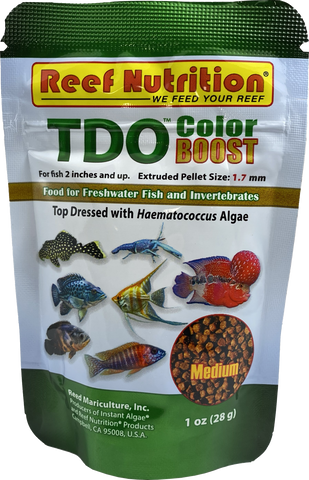
Credit: reefnutrition.com
Feeding Techniques For Discus
Discus fish are beautiful and need special care, especially with feeding. Using the right techniques can keep them healthy and happy.
This guide will help you understand the best ways to feed your discus fish. Let’s explore the important aspects of feeding them.
Proper Feeding Frequency
Feeding frequency plays a crucial role in discus health. It’s important to feed them at regular intervals.
- Feed young discus fish 3–5 times daily.
- Adult discus fish need feeding 1–2 times a day.
- Maintain a consistent schedule for feeding.
Portion Control
Portion control ensures that discus fish do not overeat. It is vital for their well-being.
| Age | Amount of Food |
| Juvenile | 3% of body weight |
| Adult | 2% of body weight |
Observing Feeding Behavior
Watching how your discus fish eat can give you clues about their health.
Signs of healthy feeding behavior:
- Active swimming during feeding time
- Showing interest in food
- Quickly consuming food without spitting it out
By following these feeding techniques, you ensure your discus fish remain healthy and vibrant. Proper care makes a big difference.
Common Mistakes To Avoid
Feeding live food to discus fish helps keep them healthy and active. Many aquarists make mistakes that harm their fish. Avoid these common errors to provide the best care.
Knowing what to avoid can improve your discus feeding routine. This guide covers three main mistakes and how to prevent them.
Overfeeding Risks
Overfeeding discus fish can cause water quality problems. Extra food decays and pollutes the tank. This leads to poor fish health and disease.
Feed only what your discus can eat in a few minutes. Remove leftover food right away to keep the tank clean.
- Feed small amounts two to three times daily
- Watch fish eat and stop feeding when done
- Clean uneaten food quickly
- Monitor water quality often
Contaminated Live Food
Live food may carry harmful bacteria or parasites. Feeding contaminated food can make discus sick. Always source live food from trusted suppliers.
Rinse live food well before feeding. Quarantine new live food in a separate tank to check for problems.
- Buy live food from reputable sellers
- Wash food under clean water before use
- Keep live food in clean containers
- Observe live food for signs of disease
Ignoring Variety
Feeding only one type of live food can cause nutritional gaps. Discus need a balanced diet to stay healthy. Use different live foods to provide all nutrients.
Rotate foods like bloodworms, brine shrimp, and daphnia. This keeps discus interested and supports their growth.
- Offer a mix of protein sources
- Include both freshwater and saltwater live foods
- Change food types regularly
- Observe fish preference and health
Supplementing With Other Diets
Feeding your discus fish a varied diet is important for their health. Live foods are great, but other diets can help too.
Combining different foods ensures they get all the nutrients they need. Let’s look at some options.
Frozen And Prepared Foods
Frozen and prepared foods are convenient. They offer a balance of nutrients and are easy to store.
- Bloodworms: Rich in protein and great for growth.
- Brine Shrimp: Easy to digest and enhances color.
- Daphnia: Good for digestion and full of nutrients.
Vegetable Additions
Adding vegetables to the diet supports health. They provide essential vitamins and minerals.
| Vegetable | Benefit |
| Spinach | Rich in iron and calcium |
| Peas | Good source of fiber |
| Zucchini | Contains vitamin C |
Balancing Diet
To balance their diet, mix different food types. This ensures discus fish get everything they need.
Plan meals with variety. Include live, frozen, and vegetable options for a complete diet.
Monitoring Fish Health
Feeding discus fish live food is important for their health. Watching their health closely helps keep them strong.
Regular checks help spot problems early. Healthy fish grow well and show bright colors.
Signs Of Nutritional Deficiency
Fish with poor nutrition may lose color or look thin. Their fins might tear or fade.
Weak fish may stop eating or swim slowly. Watch for these signs to catch issues fast.
- Faded or dull colors
- Thin or wasted body
- Damaged or clamped fins
- Loss of appetite
- Slow or weak swimming
Behavioral Indicators
Healthy discus swim actively and eat well. They stay near the food and respond to your presence.
Watch for unusual behavior like hiding or rubbing against objects. These can mean stress or illness.
- Active swimming
- Good appetite
- Staying near feeding areas
- Normal breathing
- Avoiding hiding spots
- No rubbing or scratching
Regular Health Checks
Check your discus daily for signs of sickness. Look closely at their body and fins.
Keep a schedule for water tests and tank cleaning. Good water helps fish stay healthy.
- Inspect fish appearance daily
- Observe behavior during feeding
- Test water quality regularly
- Clean tank and filter often
- Quarantine new fish before adding

Credit: www.youtube.com

Credit: www.reddit.com
Frequently Asked Questions
What Are The Best Live Foods For Discus Fish?
The best live foods for discus include bloodworms, brine shrimp, and daphnia. These foods provide essential nutrients and stimulate natural hunting behaviors. They help improve discus health, color, and growth when fed regularly in moderation.
How Often Should I Feed Live Food To Discus?
Feed live food to discus 2-3 times per week to maintain a balanced diet. Overfeeding can cause water quality issues. Supplement live foods with high-quality pellets or flakes for complete nutrition.
Can Live Food Improve Discus Fish Health?
Yes, live food boosts discus immune systems and enhances coloration. Live prey offers natural vitamins and minerals, promoting growth and vitality. It also encourages active feeding and reduces stress.
How To Properly Prepare Live Food For Discus?
Rinse live food thoroughly to remove contaminants. Quarantine new live foods to avoid introducing diseases. Feed only the amount discus can consume within minutes to prevent water pollution.
Conclusion
Feeding discus fish live food helps keep them healthy and active. It provides natural nutrients they need to grow strong. Regular feeding creates a balanced diet and improves their colors. Always choose fresh, clean live food for best results. Watch your fish closely to avoid overfeeding or waste.
Feeding live food can make your discus fish happier and more vibrant. Try to keep their meals varied for better health. This simple step supports a thriving aquarium environment.