
If you want your cichlids to thrive and show their best colors, feeding them the right live food is key. You might wonder why live food matters so much or how to choose the best options for your fish.
This guide will help you understand exactly what your cichlids need, how live food boosts their health, and easy ways to include it in their diet. Keep reading, and you’ll discover simple tips that can transform your aquarium into a vibrant, lively home for your cichlids.
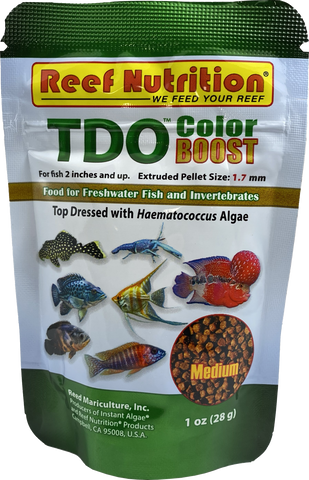
Credit: reefnutrition.com
Benefits Of Live Food
Feeding cichlids with live food offers many advantages over dry or frozen options. Live food provides essential nutrients that help fish grow strong and healthy.
It also encourages natural behaviors and improves their color, making your aquarium more vibrant and lively.
Enhanced Nutrition
Live food contains high levels of protein, vitamins, and minerals. These nutrients are often missing or reduced in processed foods.
- Rich in natural enzymes that aid digestion
- Contains essential fatty acids for energy
- Supports immune system health
- Provides a balanced diet closer to wild feeding habits
Improved Coloration
Live food helps cichlids display brighter and more vivid colors. Natural pigments in live prey enhance the fish’s appearance.
| Color Benefit | Cause |
| Red and Orange Shades | Carotenoids in live food |
| Blue and Green Hues | Natural pigments and vitamins |
| Overall Vibrancy | Improved health and diet balance |
Stimulated Natural Behavior
Live food encourages cichlids to hunt and chase, simulating their natural environment. This activity reduces stress and boredom.
- Increases physical exercise
- Boosts mental stimulation
- Mimics wild feeding patterns
- Strengthens natural instincts
Types Of Live Food For Cichlids
Live food is a great way to feed cichlids. It provides natural nutrients and encourages their hunting skills. Many types of live food are easy to find or raise at home.
Choosing the right live food helps keep cichlids healthy and active. Each type of live food offers different benefits and textures for your fish.
Brine Shrimp
Brine shrimp are small and full of protein. They are easy to hatch from eggs and are a favorite for many fish species. Brine shrimp help improve the color and energy of cichlids.
Bloodworms
Bloodworms are soft and red in color. They are rich in iron and protein. These worms are good for young and adult cichlids. Feeding bloodworms can boost their immune system and growth.
Daphnia
Daphnia are tiny water fleas. They help clean the fish tank by eating algae. Daphnia are easy to digest and good for cichlids with sensitive stomachs. They also make cichlids more active.
Microworms
Microworms are very small and perfect for baby cichlids. They are simple to culture at home using flour or mashed potatoes. Microworms provide essential nutrients for fry growth.
Blackworms
Blackworms are longer and more nutritious than many other live foods. They are rich in protein and fat, which helps cichlids gain weight and stay healthy. Blackworms are easy to breed in tanks.
| Live Food | Size | Best For | Key Benefit |
| Brine Shrimp | Small | All Cichlids | High protein |
| Bloodworms | Medium | Juvenile & Adult | Iron rich |
| Daphnia | Small | Sensitive Stomachs | Easy digestion |
| Microworms | Very small | Baby Cichlids | Fry nutrition |
| Blackworms | Large | Adult Cichlids | High fat & protein |
Selecting Quality Live Food
Feeding cichlids with live food helps them stay healthy and active. Choosing good live food is very important for their well-being.
Good live food gives cichlids the nutrients they need. It also keeps them interested in eating.
Source And Safety
Always get live food from trusted sources. This reduces the risk of diseases or harmful chemicals.
Use live food that is healthy and active. Avoid food that looks sick or moves slowly.
- Buy from reputable pet stores or breeders
- Check the health of live food before buying
- Do not collect wild live food from unknown waters
- Ask about the food’s origin and care
Avoiding Contaminants
Contaminants can harm your cichlids. Avoid live food that may carry parasites or chemicals.
Rinse live food well before feeding. This helps remove dirt and unwanted substances.
- Never use live food from polluted areas
- Do not feed live food that was exposed to pesticides
- Quarantine new live food for a day before feeding
- Use clean water to rinse the live food
Storage Tips
Store live food properly to keep it fresh and safe. Poor storage can kill the food or cause contamination.
Keep live food in a cool place with enough oxygen. Change the water often to keep it clean.
- Use clean containers with good ventilation
- Change water daily to avoid waste buildup
- Keep the temperature stable and suitable
- Feed live food to cichlids quickly after storage
Feeding Techniques
Feeding cichlids live food can improve their health and color. It needs care and good habits. Feeding the right way keeps your fish strong and happy.
This guide shows how to feed live food well. You will learn about the types of live food, how often to feed, and mixing diets.
Introducing Live Food
Start by offering small amounts of live food. Watch how your cichlids react. Use foods like brine shrimp, bloodworms, or daphnia. These foods help fish get natural nutrients.
- Use clean, safe live food sources
- Rinse live food before feeding
- Feed small portions to avoid waste
- Observe fish for any signs of stress
Frequency And Quantity
Feed live food two to three times a week. Too much live food can cause water problems. Adjust the amount based on how fast your fish eat. Remove leftover food after a few minutes.
| Feeding Frequency | Portion Size | Notes |
|---|---|---|
| 2-3 times per week | Small handful or less | Feed only what fish eat in 5 minutes |
| Daily feeding | Mix with flakes or pellets | Limit live food to avoid water issues |
| Occasional treats | Very small amounts | Good for variety and enrichment |
Balancing With Other Diets
Live food should not be the only food. Combine with flakes, pellets, or frozen food. This gives a balanced diet with all needed nutrients. Keep variety to avoid diet boredom.
Tips for balancing diets:
- Feed live food as a supplement, not the main diet.
- Offer dry food daily to ensure vitamins.
- Rotate food types to keep fish healthy.
- Watch fish health and adjust as needed.
Common Challenges
Feeding live food to cichlids can be tricky. Many fish keepers face problems that affect fish health.
Understanding these challenges helps you keep your cichlids happy and healthy.
Preventing Overfeeding
Overfeeding cichlids can cause water pollution. It also leads to obesity and illness in fish.
Feed small amounts and watch how much your fish eat in a few minutes.
- Offer live food once or twice a day
- Remove leftover food quickly
- Use feeding tools to control portions
Managing Water Quality
Live food can pollute water fast if not handled well. Dirty water harms cichlids and encourages disease.
Change water often and check water parameters regularly to keep the tank clean.
- Do partial water changes weekly
- Test ammonia, nitrite, and nitrate levels
- Use filters to remove waste
Dealing With Picky Eaters
Some cichlids refuse certain live foods. This can make feeding difficult and stressful.
Try different types of live food to find what your fish like best.
- Offer various live foods like worms, brine shrimp, and insects
- Mix live food with flakes or pellets
- Feed small amounts often to encourage eating
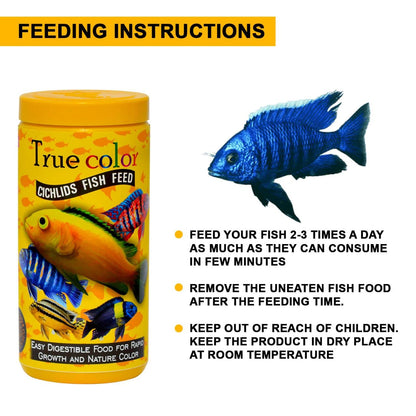
Credit: vedaaquarium.com
Breeding Live Food At Home
Feeding cichlids live food boosts their health. Breeding live food at home ensures quality and availability. This guide helps you set up and maintain live food cultures.
Setting Up Cultures
Start by choosing the right live food for your cichlids. Popular options include brine shrimp, daphnia, and blackworms. Gather necessary equipment like containers, air pumps, and lights.
- Choose suitable containers for each live food type.
- Install air pumps to provide oxygen.
- Use lights to simulate a natural environment.
Maintenance Tips
Regular maintenance keeps cultures healthy and productive. Clean containers weekly and monitor water quality. Feed cultures appropriately to sustain growth.
Harvesting And Feeding
Harvesting should be done carefully to avoid depleting cultures. Use a fine mesh net or siphon to collect live food. Feed your cichlids only what they can consume in a few minutes.
| Live Food Type | Harvesting Frequency |
| Brine Shrimp | Every 2-3 days |
| Daphnia | Weekly |
| Blackworms | Twice a week |

Credit: www.amazon.com
Frequently Asked Questions
What Is The Best Live Food For Cichlids?
The best live food for cichlids includes brine shrimp, bloodworms, and daphnia. These provide essential nutrients and stimulate natural hunting behavior. Live food enhances their diet and improves coloration and health.
How Often Should I Feed Live Food To Cichlids?
Feed live food to cichlids 2-3 times per week. Overfeeding can cause water quality issues. Balance live food with pellets or flakes for a complete diet.
Can Live Food Improve Cichlid Growth And Health?
Yes, live food boosts cichlid growth and immune system. It supplies vital proteins and vitamins. Regular feeding supports vibrant colors and active behavior.
Are There Risks With Feeding Live Food To Cichlids?
Live food may carry parasites or bacteria. Always source from reputable suppliers or culture your own. Quarantine live food before feeding to avoid diseases.
Conclusion
Feeding live food to cichlids boosts their health and colors. It also helps them stay active and happy. Choosing the right live food keeps your fish strong. Always feed in small amounts to avoid water pollution. Watch how your cichlids respond and adjust feeding.
This simple care step makes a big difference. Enjoy your vibrant and lively aquarium every day.