
If you want your angelfish to thrive and show their true beauty, adjusting the water parameters in your tank is key. You might not realize it, but even small changes in temperature, pH, or hardness can make a big difference in their health and behavior.
Imagine watching your angelfish swim gracefully, vibrant and full of life—this all starts with the right water conditions. You’ll learn exactly how to fine-tune your aquarium water to create the perfect home for your angelfish. Keep reading, and discover simple steps that will help your fish flourish like never before.
Credit: www.aquaticplantcentral.com
Ideal Water Temperature
Maintaining the right water temperature is important for angelfish health. It helps them stay active and grow well.
Too hot or too cold water can stress angelfish and cause illness. Let’s explore the best temperature range.
Optimal Range For Angelfish
Angelfish thrive in water that is warm but not too hot. The ideal temperature range is between 76°F and 82°F (24°C to 28°C).
Keeping water in this range supports their metabolism and immune system. It also encourages natural behavior.
Effects Of Temperature Fluctuations
Sudden changes in water temperature can harm angelfish. They can become stressed and more likely to get sick.
Frequent swings between hot and cold also weaken their immune system and reduce lifespan.
- Stress from temperature changes lowers fish health
- Fluctuations can cause breathing and swimming problems
- Rapid cooling or heating may cause shock or death
Tips For Stable Heating
Use a reliable aquarium heater with a thermostat to keep water steady. Check the temperature daily with a thermometer.
Avoid placing the tank near windows or doors where room temperature changes. Regular water changes also help keep conditions stable.
- Choose a heater suitable for your tank size
- Set the heater to maintain 78°F to 80°F (26°C to 27°C)
- Use a thermometer to monitor temperature often
- Keep aquarium away from drafts or sunlight
- Perform regular water changes to keep water quality good
Maintaining Proper Ph Levels
Angelfish need clean water with the right pH level to stay healthy. The pH affects their breathing and overall health.
Adjusting the pH carefully helps angelfish live longer and grow well in your aquarium.
Preferred Ph Range
Angelfish like water that is slightly acidic to neutral. The best pH range is between 6.5 and 7.5.
Staying in this range supports their natural environment and keeps them comfortable.
- Ideal pH: 6.5 to 7.5
- Below 6.0 can stress the fish
- Above 8.0 may cause health problems
Causes Of Ph Imbalance
Water pH can change due to many reasons. Natural processes and aquarium care both affect pH levels.
Common causes include leftover food, waste buildup, and new decorations or plants.
- Uneaten food rotting in the tank
- Fish waste increasing acidity
- Tap water with different pH
- New rocks or wood changing water chemistry
- Algae growth affecting pH
Adjusting Ph Safely
Change the pH slowly to avoid shocking your angelfish. Sudden shifts can harm them.
Use natural products and test the water often to keep pH stable.
- Test water pH every week
- Add pH buffers if needed, following instructions
- Use driftwood to lower pH naturally
- Add crushed coral to raise pH gently
- Do small water changes to balance pH
Controlling Water Hardness
Water hardness is important for keeping angelfish healthy. It affects their growth and behavior. Managing hardness helps create a good tank environment.
This guide covers general hardness, carbonate hardness, ideal levels, and how to change hardness safely.
General Vs. Carbonate Hardness
General hardness (GH) measures calcium and magnesium in the water. It shows how hard or soft the water is.
Carbonate hardness (KH) measures carbonate and bicarbonate levels. It helps keep water pH stable for angelfish.
- GH affects fish health and bone strength
- KH controls pH balance and prevents swings
- Both are needed for a healthy aquarium
Ideal Hardness Levels
Angelfish prefer soft to moderately hard water. Proper hardness supports their natural habitat needs.
| Parameter | Ideal Range |
|---|---|
| General Hardness (GH) | 3 – 8 dGH |
| Carbonate Hardness (KH) | 3 – 6 dKH |
Methods To Modify Hardness
You can raise hardness by adding minerals or lower it by using softening techniques. Always change hardness slowly.
- Use crushed coral or limestone to increase hardness
- Add peat moss or driftwood to reduce hardness
- Mix distilled or reverse osmosis water to soften water
- Test water regularly to track hardness levels
Ensuring Clean Water Quality
Keeping water clean is key for angelfish health. Poor water can harm their growth and lifespan.
Good water quality means watching chemicals and using proper tools often.
Ammonia, Nitrite, And Nitrate Limits
Ammonia and nitrite are harmful even at low levels. Nitrate is less toxic but must stay low. Watch these limits:
| Parameter | Safe Range (ppm) |
| Ammonia | 0 |
| Nitrite | 0 |
| Nitrate | Below 20 |
Filtration Systems Overview
Filters help remove waste and toxins. They keep water clear and healthy for angelfish.
- Mechanical filters trap debris and particles.
- Biological filters use good bacteria to break down harmful chemicals.
- Chemical filters remove toxins with activated carbon or resin.
Regular Water Testing Practices
Testing water regularly helps catch problems early. Use test kits often to check key levels.
- Test ammonia, nitrite, and nitrate weekly.
- Check pH and hardness monthly.
- Record results to track changes.
- Take action quickly if levels are off.
Oxygenation And Aeration
Maintaining proper oxygen levels is key for healthy angelfish. Oxygen helps fish breathe and stay active.
Aeration improves water quality by adding oxygen and moving water. This keeps the tank environment safe.
Importance Of Oxygen Levels
Oxygen supports angelfish’s body functions. Low oxygen can stress or harm them. Good oxygen levels keep fish healthy and reduce disease risk.
- Helps fish breathe efficiently
- Prevents lethargy and stress
- Supports immune system
- Improves growth and activity
- Reduces buildup of harmful gases
Techniques To Increase Aeration
Several tools and methods can raise aeration in your angelfish tank. These improve oxygen exchange and water movement.
| Technique | Description | Benefit |
| Air Stones | Release tiny bubbles | Increase oxygen surface area |
| Power Filters | Circulate and filter water | Boost oxygen mixing |
| Waterfalls | Water falls back to tank | Enhance oxygen absorption |
| Surface Agitation | Disturbs water surface | Improves gas exchange |
| Live Plants | Photosynthesize oxygen | Natural oxygen source |
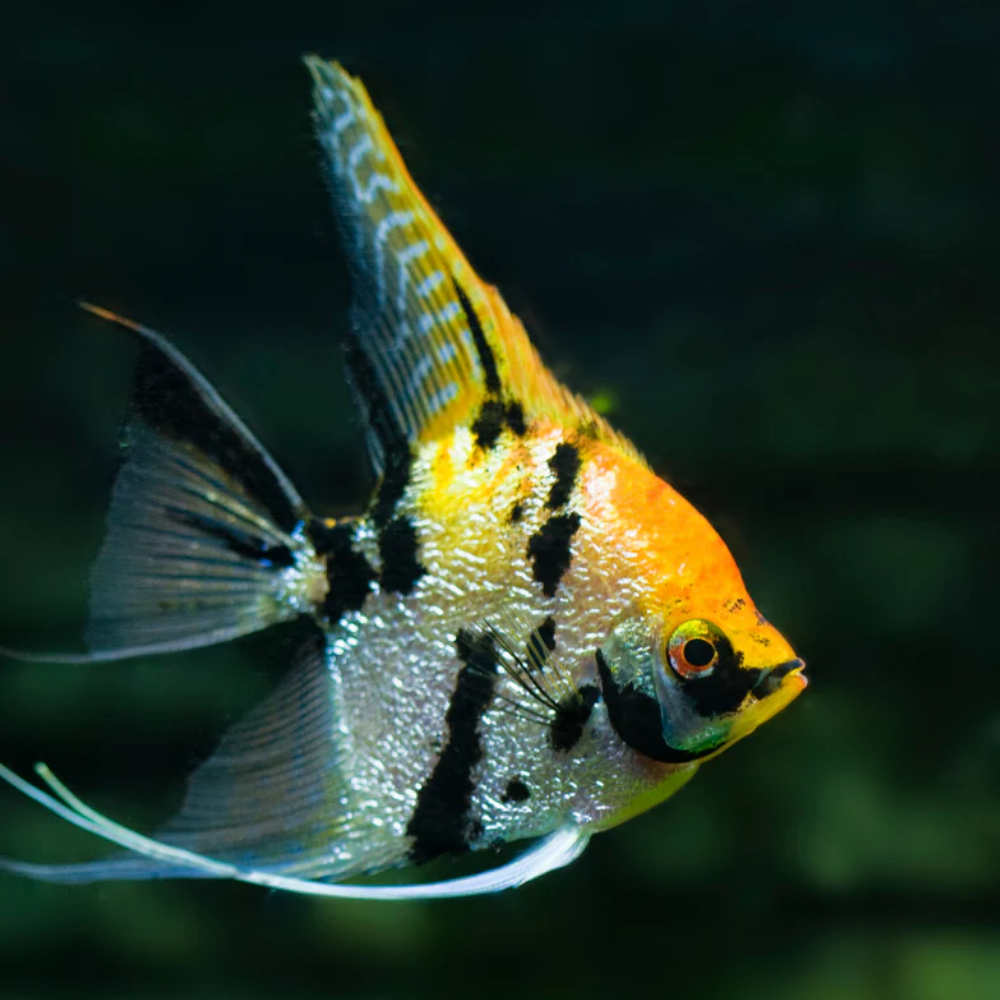
Credit: roxyaquarium.com.au
Water Change Routines
Maintaining clean water is key for angelfish health. Regular water changes help keep water parameters stable.
Water changes remove waste and toxins. They also replenish minerals that angelfish need to thrive.
Frequency And Volume Guidelines
Change the water often enough to keep it clean but not stress the fish. Usually, a weekly routine works well.
Changing too much water at once can shock angelfish. Smaller, regular changes are better for their health.
- Change 20-30% of the water every week
- For heavily stocked tanks, increase to 30-40%
- Test water before and after changes
- Adjust frequency based on water test results
Using Conditioners And Additives
Tap water contains chlorine and chloramine that harm angelfish. Use water conditioners to remove these chemicals.
Some additives help keep water healthy. They can add minerals or support beneficial bacteria in the tank.
- Use a dechlorinator for each water change
- Add aquarium salt if advised for stress relief
- Use beneficial bacteria supplements to boost tank health
- Follow product instructions carefully
Common Mistakes To Avoid
Adjusting water parameters for angelfish is important. Mistakes can harm your fish. Learn common errors to keep your fish healthy.
Understanding the right steps ensures a safe environment. This protects angelfish from stress and illness.
Rapid Parameter Changes
Changing water conditions too quickly can stress angelfish. They need time to adapt to new environments.
Always make gradual changes to temperature, pH, and hardness. This keeps fish comfortable and healthy.
- Gradually adjust water temperature over several hours
- Change pH levels slowly to avoid shock
- Monitor water hardness and alter it cautiously
Ignoring Water Quality Signs
Water quality impacts fish health. Ignoring signs can lead to serious issues. Regular checks help maintain a safe habitat.
Look for signs like cloudy water or unusual fish behavior. These indicate problems with water quality.
| Sign | Action |
| Cloudy Water | Check filter and clean tank |
| Fish Gasping | Test oxygen levels immediately |
| Unusual Behavior | Test pH and ammonia levels |
Credit: bookofneptune.io
Tools For Monitoring Parameters
Monitoring water parameters is key for healthy angelfish. Having the right tools helps keep water safe.
Testing kits and devices are essential for checking water quality. They measure pH, ammonia, nitrates, and more.
Recommended Testing Kits
Testing kits are available in many forms. They help you know your water’s condition quickly.
- API Freshwater Master Test Kit
- Seachem MultiTest Kit
- Tetra EasyStrips
Digital Vs. Manual Devices
Both digital and manual devices have their uses. Digital devices are often faster and more precise.
| Device Type | Features |
| Digital | Quick readings, easy to use |
| Manual | Cost-effective, no batteries needed |
Frequently Asked Questions
What Is The Ideal Temperature For Angelfish Water?
The ideal temperature for angelfish water is between 76°F and 82°F. Maintaining this range supports their metabolism and immune system, promoting healthy growth and activity.
How Do I Adjust Ph Levels For Angelfish?
Angelfish thrive in slightly acidic to neutral pH, around 6. 8 to 7. 8. Use pH buffers or natural elements like driftwood to stabilize the water pH safely.
Why Is Water Hardness Important For Angelfish?
Water hardness affects angelfish health and breeding. They prefer soft to moderately hard water, between 3-8 dKH, which mimics their natural Amazon habitat conditions.
How Often Should I Test Angelfish Water Parameters?
Test angelfish water parameters weekly to catch changes early. Regular testing ensures stable conditions, preventing stress or disease caused by sudden water quality shifts.
Conclusion
Keeping angelfish water parameters steady helps fish stay healthy. Test water regularly to catch changes early. Adjust temperature, pH, and hardness carefully and slowly. Clean the tank often to avoid harmful buildup. Healthy water means happy angelfish that live longer.
Small efforts make a big difference in fish care. Remember, simple steps keep your aquarium safe and stable. Enjoy watching your angelfish thrive in balanced water.