
If you want your angelfish to thrive, understanding water hardness is key. You might not realize it, but the minerals in your tank’s water can make a big difference in your fish’s health and behavior.
Getting the right water hardness isn’t just a detail—it’s a game-changer for keeping your angelfish happy and vibrant. In this guide, you’ll discover exactly what water hardness means, how to test it, and simple ways to adjust it to suit your angelfish perfectly.
Keep reading to unlock the secrets that will help your aquarium flourish like never before.
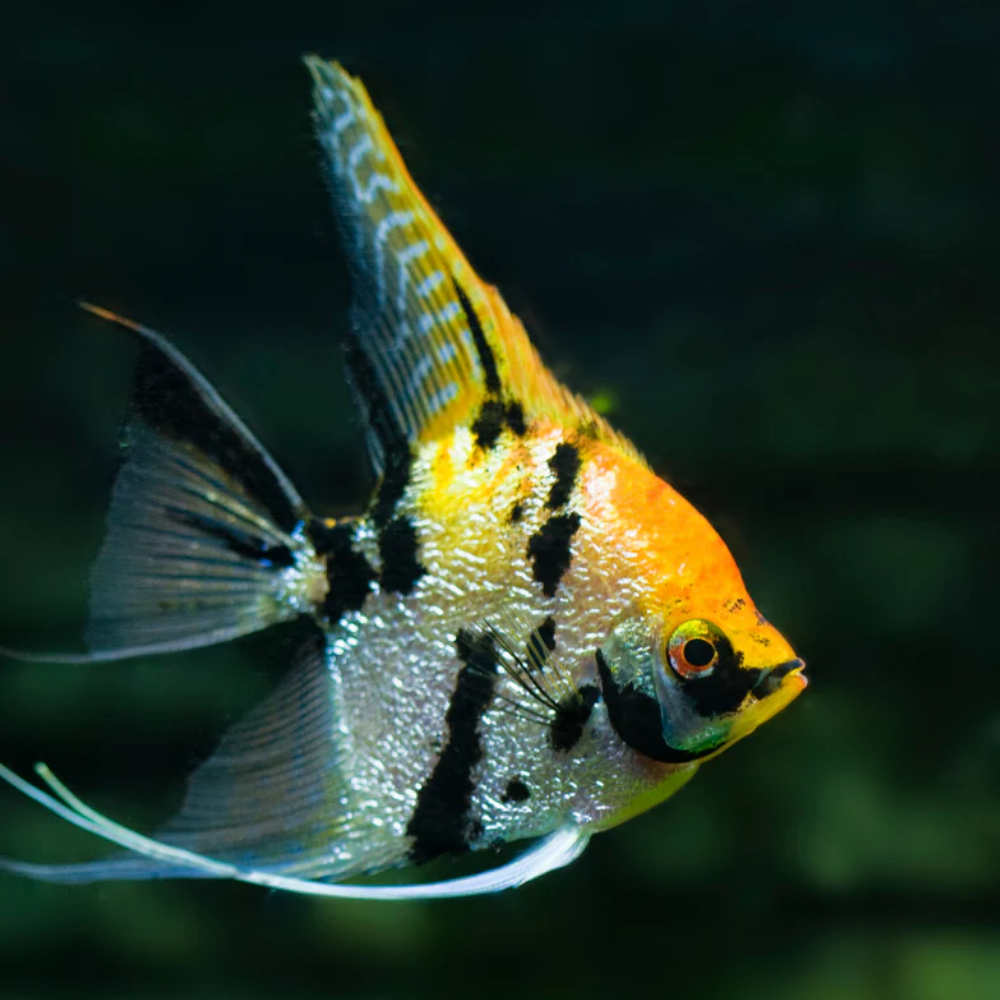
Credit: roxyaquarium.com.au
Ideal Hardness Levels
Water hardness is important for angelfish health. It affects their growth and color.
Hardness has two main types: General Hardness (GH) and Carbonate Hardness (KH). Both need the right levels.
General Hardness (gh) Range
General Hardness shows the amount of minerals like calcium and magnesium. Angelfish need moderate GH levels.
Ideal GH helps angelfish develop strong bones and good health. Too low or too high GH can cause stress.
- Ideal GH range: 3 to 8 dGH (degrees of General Hardness)
- Below 3 dGH may weaken angelfish
- Above 8 dGH can make water too hard for them
Carbonate Hardness (kh) Range
Carbonate Hardness measures water’s buffering capacity. It keeps pH stable for angelfish.
Stable pH helps angelfish stay healthy and active. The right KH level prevents sudden pH changes.
- Ideal KH range: 3 to 6 dKH (degrees of Carbonate Hardness)
- Low KH can cause pH swings
- High KH may raise pH too much
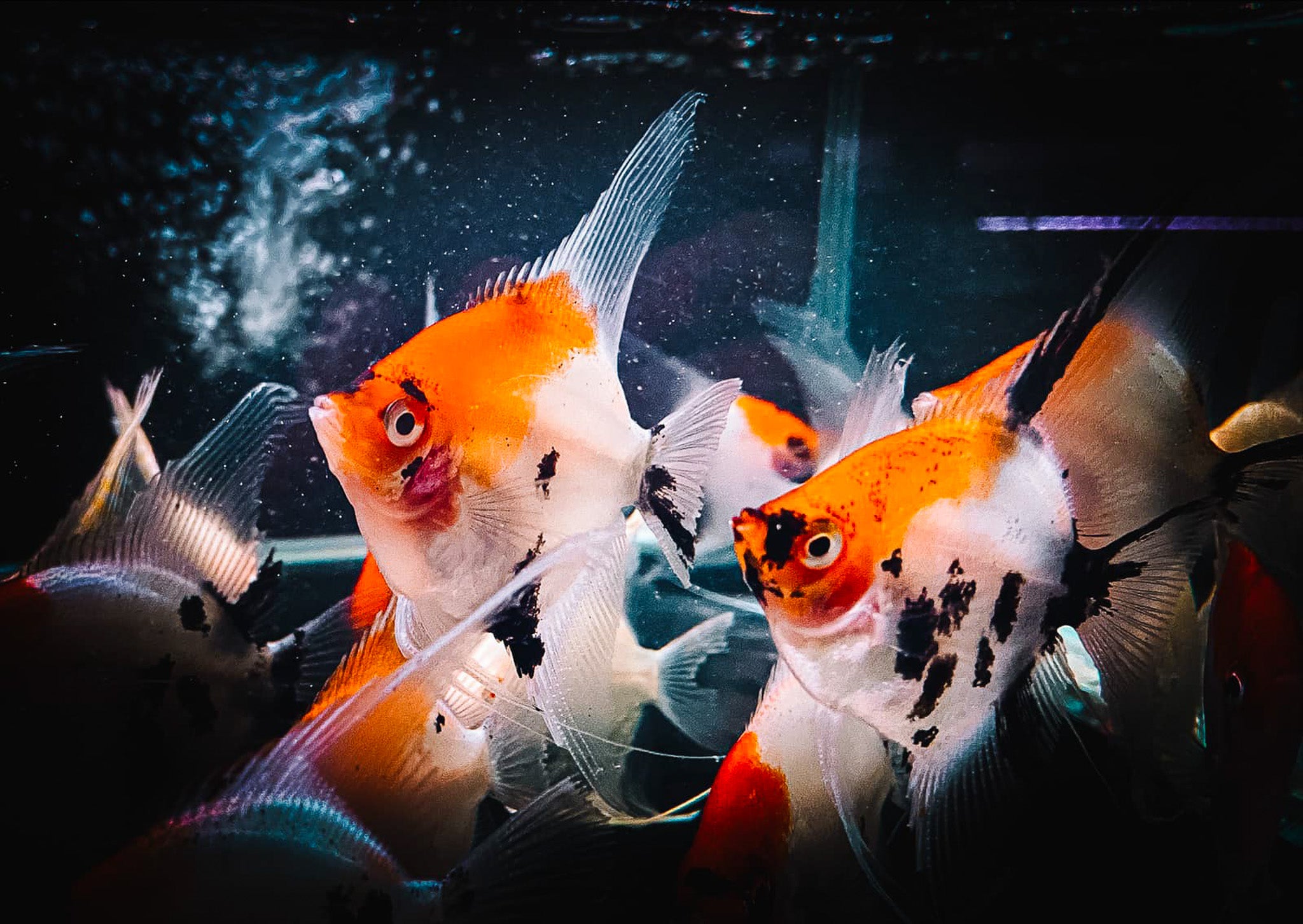
Credit: tropicflow.com
Effects Of Hardness On Angelfish
Water hardness affects angelfish health and behavior. It changes how they grow and show color.
Understanding hardness helps keep angelfish strong and bright. It also affects their breeding success.
Impact On Growth And Color
Soft or hard water influences angelfish size and color intensity. Proper hardness helps them develop well.
- Soft water can make angelfish colors fade
- Moderate hardness improves their vibrant colors
- Too hard water may stunt growth and dull colors
- Balanced minerals support healthy scales and fins
Influence On Breeding Success
Water hardness plays a key role in angelfish breeding. It affects egg laying and fry survival.
| Hardness Level (dGH) | Breeding Effect |
| 1-4 | Best for egg fertilization and hatching |
| 5-8 | Good, but may reduce fry survival slightly |
| 9+ | Poor, eggs may not hatch well |
Measuring Water Hardness
Water hardness is important for angelfish health. It shows how many minerals are in the water.
Testing water hardness helps keep the tank safe. It ensures the water is right for your fish.
Using Test Kits
Test kits make measuring water hardness easy. They come with liquids or strips that change color.
To use the kit, take a water sample. Add the test solution or dip the strip as the instructions say.
- Fill the test container with tank water
- Add drops of test solution or use test strip
- Wait for the color to develop
- Compare the color to the chart provided
Interpreting Results
Colors on the test show the hardness level. Each color matches a range of mineral content.
Hardness is measured as GH (general hardness) or KH (carbonate hardness). Both affect angelfish health.
| Water Hardness | GH Level (dGH) | Description |
|---|---|---|
| Soft | 0-4 | Low minerals, gentle water |
| Moderate | 5-12 | Balanced mineral level |
| Hard | 13+ | High minerals, strong water |

Credit: www.completekoi.com
Adjusting Water Hardness
Water hardness affects the health of angelfish and their environment. It is important to keep hardness levels balanced for their well-being. Adjusting water hardness can help create a suitable habitat for angelfish.
There are safe ways to raise or lower water hardness. Each method requires care to avoid stressing the fish. Learn how to adjust hardness properly for a healthy aquarium.
Raising Hardness Safely
Raising water hardness increases minerals like calcium and magnesium. This helps angelfish from soft water areas adapt better. Use these safe methods to raise hardness without harm.
- Add crushed coral or limestone to the filter or substrate.
- Use commercial mineral supplements designed for aquariums.
- Mix some hard tap water with your aquarium water gradually.
- Test water hardness regularly to avoid sudden changes.
- Increase hardness slowly over days or weeks.
Lowering Hardness Techniques
Lowering hardness reduces minerals for angelfish from soft water regions. Use these safe techniques to soften water without causing stress.
| Method | Description | Notes |
| Reverse Osmosis (RO) Water | Mix RO water with aquarium water to reduce hardness. | Use a reliable RO system for best results. |
| Peat Moss | Add peat moss to filter to soften water naturally. | May slightly lower pH along with hardness. |
| Distilled Water | Use distilled water to dilute minerals safely. | Mix gradually to avoid sudden changes. |
| Regular Water Changes | Replace tank water with softer water over time. | Helps maintain stable hardness levels. |
Common Mistakes To Avoid
Keeping angelfish requires understanding water hardness. Mistakes can harm your fish.
Awareness of common errors ensures a healthy tank environment.
Sudden Hardness Changes
Sudden changes in water hardness can stress angelfish. This might lead to health issues.
- Always test water before making changes
- Use gradual methods to adjust hardness
- Avoid large water changes in one go
Ignoring Water Chemistry Balance
Ignoring water chemistry affects fish health. Proper balance keeps angelfish thriving.
Check these key parameters regularly:
| Parameter | Ideal Range |
| pH | 6.8 – 7.8 |
| GH (General Hardness) | 3 – 8 dGH |
| KH (Carbonate Hardness) | 3 – 4 dKH |
Ensuring balance prevents stress and disease in your angelfish.
Maintaining Stable Conditions
Angelfish need steady water conditions to stay healthy. Water hardness is an important factor. It affects their comfort and health.
Keeping water hardness stable helps prevent stress and illness in angelfish. You can do this by regular testing and careful water changes.
Regular Testing Routine
Test your tank water often to check hardness levels. This helps you catch any changes early. Use a reliable water hardness test kit.
Record your test results. This helps you see patterns and keep conditions steady. Test at least once a week for the best results.
- Test general hardness (GH) and carbonate hardness (KH)
- Use a fresh test kit for accurate results
- Keep a log of your test readings
- Adjust water if hardness goes outside safe range
Water Change Best Practices
Change water carefully to avoid sudden hardness shifts. Use water that matches your tank’s hardness levels. This prevents stress for your angelfish.
Prepare new water by testing and adjusting hardness before adding it to the tank. Change 20% to 30% of the water weekly to keep conditions stable.
- Test new water hardness before use
- Adjust new water with additives if needed
- Change 20%-30% of water weekly
- Pour water slowly to avoid disturbing fish
- Keep temperature and pH stable during changes
Compatible Tank Mates
Angelfish are beautiful and graceful, but they have specific needs. It’s important to choose tank mates that thrive in similar water conditions. This will ensure a harmonious aquarium environment.
Understanding the water hardness preferences of other species is key. This helps create a balanced community where all fish can live happily.
Hardness Preferences Of Popular Species
Some fish prefer soft water, while others like it hard. Knowing these preferences helps you choose the right companions for your angelfish.
- Tetras prefer soft to moderately hard water.
- Gouramis do well in soft to slightly hard water.
- Corydoras thrive in soft water environments.
- Platies can tolerate moderately hard water.
Creating A Balanced Community
Building a balanced tank community involves more than just water hardness. Consider the behavior, size, and diet of each species to ensure compatibility.
| Species | Behavior |
| Angelfish | Calm but territorial |
| Tetras | Peaceful |
| Gouramis | Can be semi-aggressive |
| Corydoras | Bottom-dwellers, peaceful |
Choose species that complement each other’s behavior. This prevents stress and promotes a healthy tank environment.
Frequently Asked Questions
What Is The Ideal Water Hardness For Angelfish?
Angelfish thrive best in moderately soft to moderately hard water. Aim for a general hardness (GH) between 3-8 dGH. This range supports their health, growth, and coloration effectively.
How Does Water Hardness Affect Angelfish Health?
Water hardness impacts angelfish’s osmoregulation and stress levels. Incorrect hardness can cause poor growth, weakened immunity, and increased susceptibility to disease. Maintaining proper hardness ensures a stable environment and healthy angelfish.
Can Angelfish Survive In Hard Water?
Yes, angelfish can survive in hard water but may experience stress. Hard water above 12 dGH can affect their breeding and coloration negatively. Moderate hardness is preferable for optimal wellbeing.
How To Measure Water Hardness For Angelfish Tanks?
Use a water hardness test kit to measure GH and KH levels. Regular testing helps maintain stable water conditions and prevents sudden changes that harm angelfish.
Conclusion
Maintaining proper water hardness is key for healthy angelfish. Soft to moderately hard water suits them best. Test your aquarium water regularly to keep conditions stable. Sudden changes can stress or harm your fish. Use water conditioners or blends to adjust hardness safely.
Healthy water means happy angelfish that grow well and show bright colors. Keep learning and observing your fish to provide the best care. Simple steps make a big difference in angelfish health.